
Dog training can be a challenging yet rewarding experience. One effective method to motivate and reinforce positive behavior is through the use of bite-sized treats. These small rewards not only help capture your dog’s attention but also make training sessions enjoyable for both you and your furry friend. In this article, we will explore the benefits of using bite-sized treats for dog training, how to choose the right ones, and tips for successful training sessions.
Benefits of Bite-Sized Treats for Dog Training
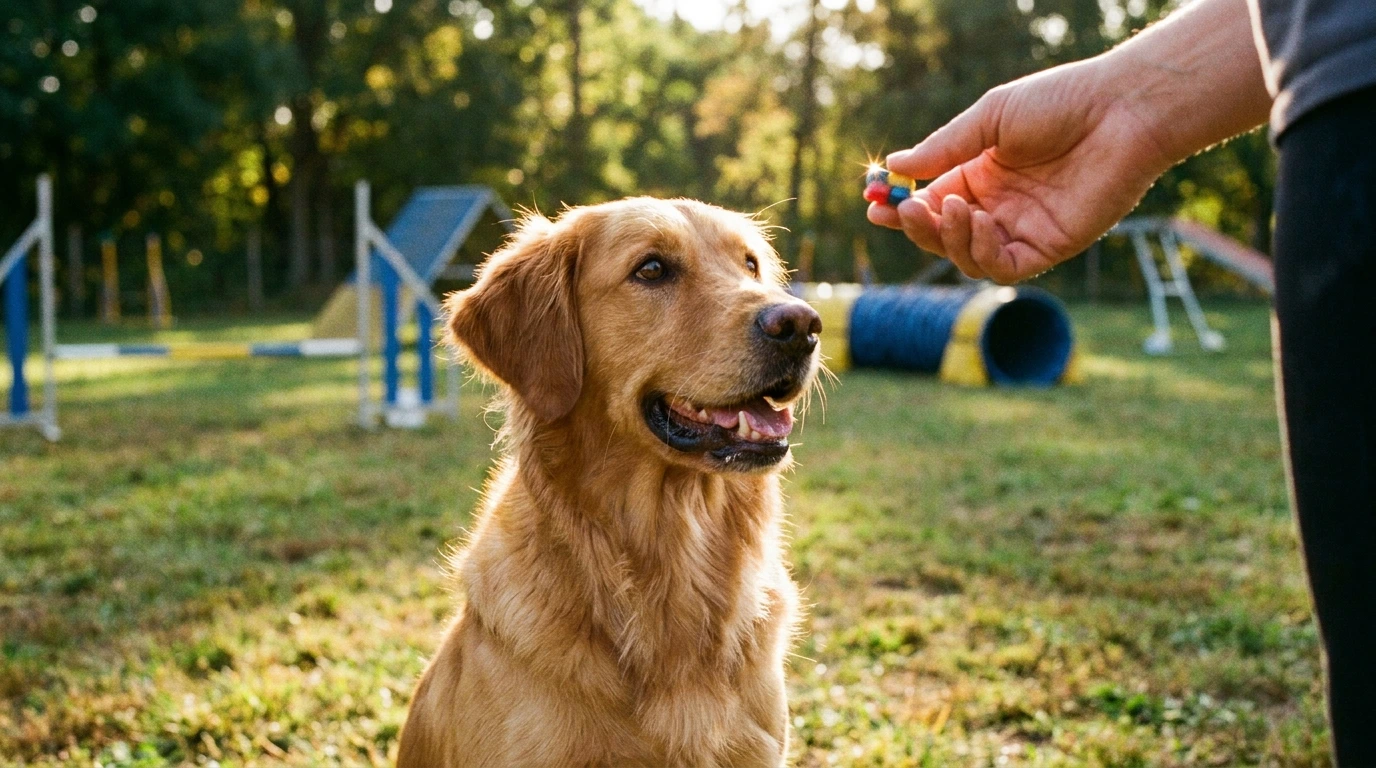
Bite-sized treats are specifically designed to be small, allowing for quick rewards during training. They offer several advantages that can enhance the training experience.
1. Quick Reward System
One of the primary benefits of using bite-sized treats is their ability to provide immediate rewards. Dogs respond best to positive reinforcement when the reward is given right after the desired behavior. Small treats make it easy to reward your dog quickly without interrupting the flow of training.
2. Lower Caloric Intake
When training, it’s common to give multiple treats within a short time frame. Bite-sized treats are generally lower in calories, which helps prevent overfeeding and maintains your dog’s health. This is especially important for r dogs that are prone to weight ga or have dietary restrictions.
3. Variety and Flavor
Bite-sized treats come in a wide range of flavors and textures, making them appealing to dogs of all preferences. This variety can help keep your dog engaged and excited during training sessions. Mixing different flavors can also prevent boredom and keep your dog motivated.
Choosing the Right Bite-Sized Treats
Selecting the appropriate treats for your dog is essential for effective training. Here are some factors to consider when making your choice.
1. Ingredients
Look for treats made with high-quality ingredients. Avoid those with artificial preservatives, fillers, or by-products. Opt for treats that list meat as the first ingredient and feature natural components. Checking the ingredient list can help ensure you are providing healthy options.
2. Size and Texture
Ensure that the treats are small enough for your dog to chew quickly. The texture is also important; softer treats may be preferable for older dogs or those with dental issues. If your dog has a tendency to gulp down treats, consider breaking them into smaller pieces to avoid choking hazards.
3. Allergen Considerations
Be mindful of any food allergies or sensitivities your dog may have. If your dog has specific dietary restrictions, choose treats that are formulated to accommodate these needs. There are many hypoallergenic options available on the market that can serve as safe training rewards.

Tips for Successful Training Sessions
To maximize the effectiveness of bite-sized treats in your training routine, consider the following tips.
1. Timing is Key
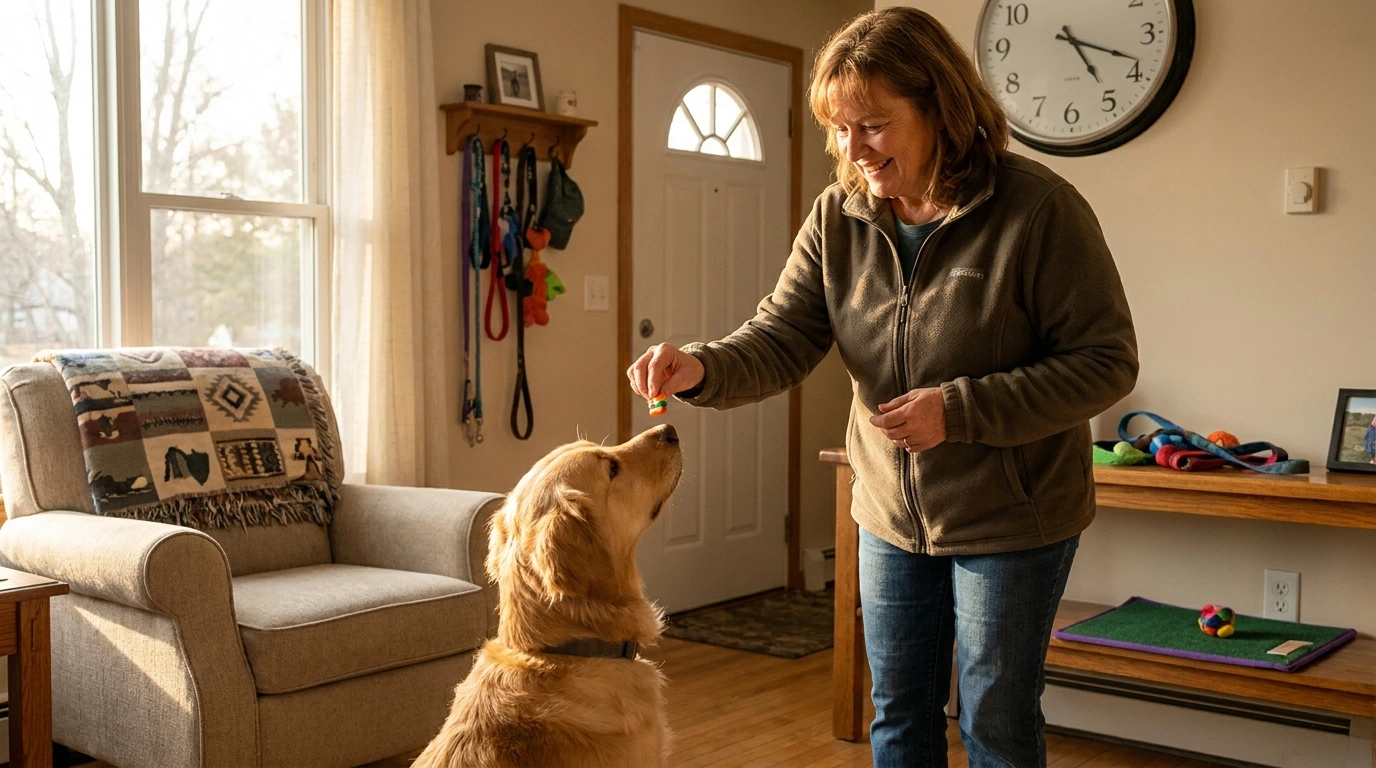
As mentioned, timing is crucial in dog training. Reward your dog immediately after they exhibit the desired behavior to help them make the connection between the action and the reward. This reinforces their learning and encourages repeat behavior.
2. Keep Sessions Short
Short, focused training sessions are more effective than long, drawn-out ones. Aim for 5 to 10-minute sessions, especially for younger dogs or those with shorter attention spans. This keeps your dog engaged and prevents frustration for both you and your pet.
3. Gradually Reduce Treats
As your dog learns new commands and behaviors, gradually reduce the frequency of treats. This helps transition them from treat-based rewards to verbal praise and affection. Eventually, your dog should respond to commands without the need for constant treats, although occasional rewards can still reinforce good behavior.
FAQs
What are the best bite-sized treats for dog training?
The best bite-sized treats for dog training are those made with high-quality, natural ingredients, low in calories, and appealing to your dog’s taste. Look for soft or crunchy options that are easy to chew and digest.
How many treats should I give during a training session?
The number of treats can vary based on the length of the session and your dog’s size. Generally, providing a few treats for each correct behavior is appropriate. Just be sure to factor in the treats into your dog’s daily caloric intake.
Can I use my dog’s regular food as training treats?
Yes, using your dog’s regular kibble can be an effective way to reward them during training. Make sure the kibble is small enough to be consumed quickly. This can also help reinforce the idea that training is rewarding and can be done at any time.
Are there any treats to avoid for training?
Avoid treats that are high in sugar, salt, or artificial additives. Additionally, steer clear of any treats that contain common allergens for your dog, such as wheat or soy, if your dog has sensitivities.
Conclusion
Using bite-sized treats in dog training is an effective strategy that offers numerous benefits. They ensure quick rewards, maintain your dog’s health, and come in various flavors to keep your furry friend engaged. By choosing the right treats and implementing effective training strategies, you can create a positive learning environment for your dog. Remember to keep sessions short, reward immediately, and gradually phase out treats as your dog becomes proficient in their commands. With patience and consistency, you and your dog can enjoy a successful training journey together.