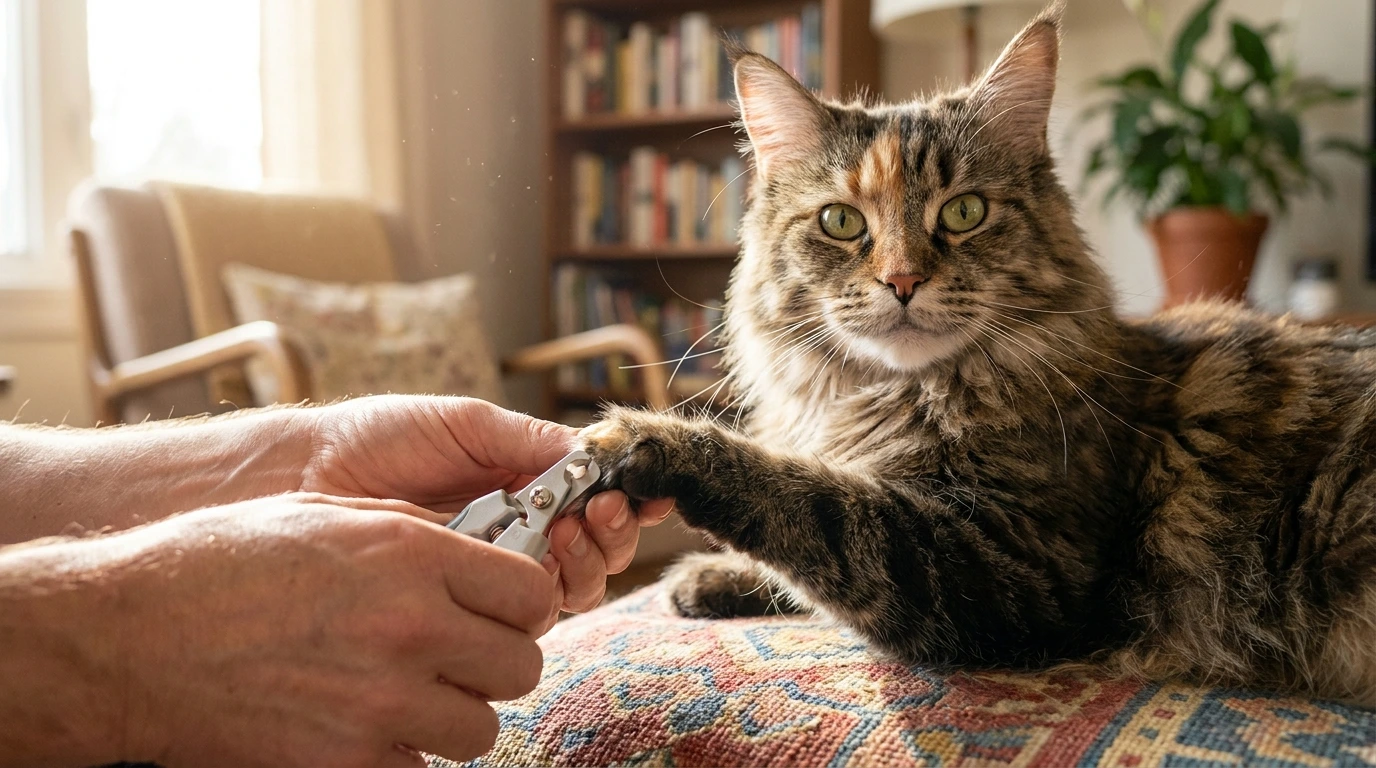
Keeping your cat’s nails trimmed is an essential part of pet care that contributes to their overall health and comfort. However, many cat owners find the task daunting due to their pet’s natural instincts and behaviors. With the right approach and techniques, you can learn how to cut cat nails safely and effectively, ensuring a stress-free experience for both you and your feline friend. This article will guide you through the process, offering practical tips and insights to help you manage this important grooming task.
Understanding Your Cat’s Nails
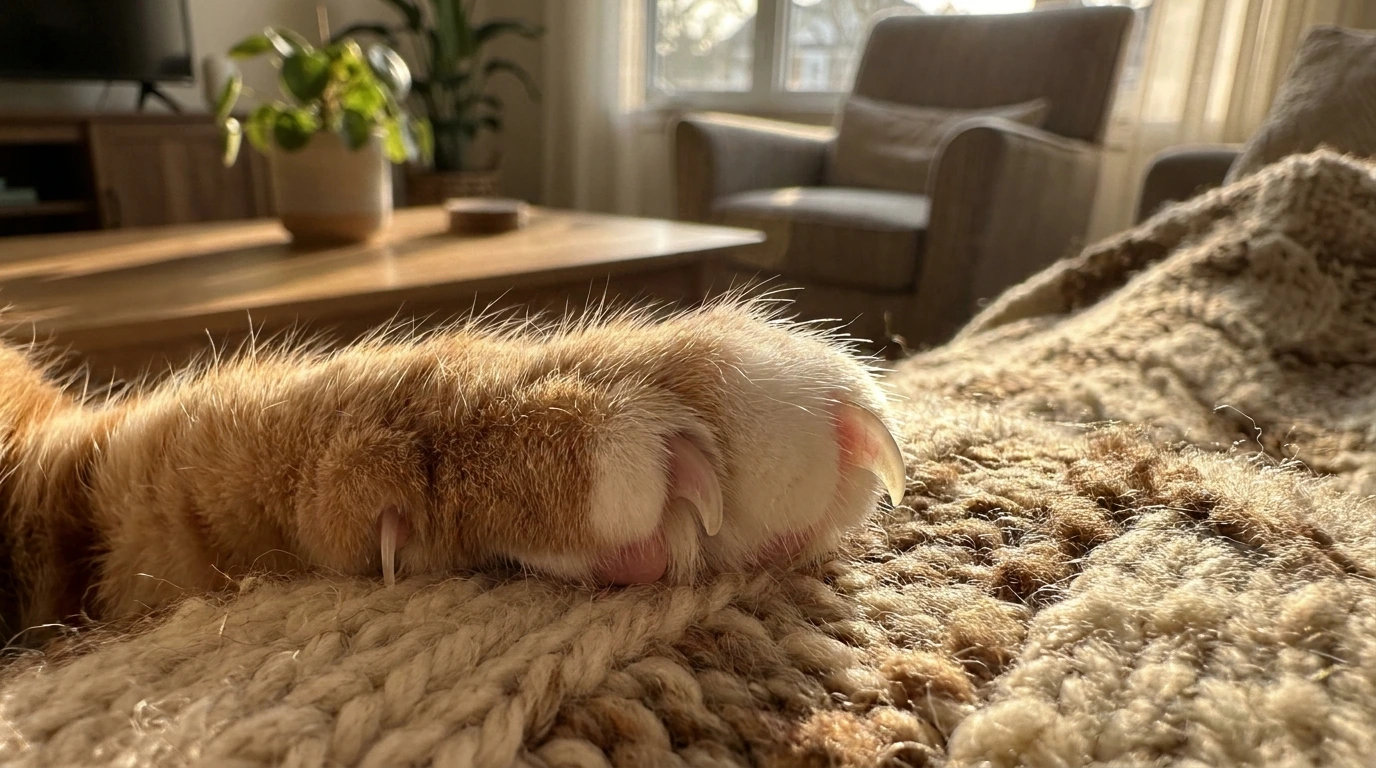
Before you start trimming your cat’s nails, it’s important to understand their anatomy and function. Cat nails serve multiple purposes, including providing traction during climbing and playing, as well as aiding in self-defense. Unlike human nails, cat nails are made up of a hard outer shell and a softer inner core, known as the quick. The quick contains blood vessels and nerves, making it a sensitive area that should be avoided while trimming.
Identifying the Quick
Identifying the quick is crucial to avoid causing pain or bleeding. In light-colored nails, the quick appears as a pinkish area, while in dark nails, it can be harder to see. If you are unsure, it’s safer to trim a small amount at a time, gradually approaching the quick. This method reduces the risk of cutting into it and causing your cat discomfort.
Signs of Overgrown Nails
Overgrown nails can lead to various health issues for your cat, including pain, difficulty walking, and even infections. Signs that your cat’s nails need trimming include excessive clicking sounds when they walk, nails that curl or bend, and visible wear on your furniture or floors. Regular monitoring and maintenance can prevent these issues from arising.
Preparing for Nail Trimming
Preparation is key to a successful nail trimming session. Start by choosing a quiet, comfortable space where your cat feels safe. Gather the necessary tools, including a pair of cat nail clippers or a grinder, a towel or blanket, and treats for positive reinforcement.
Choosing the Right Tools
There are various tools available for trimming cat nails, including guillotine-style clippers, scissors, and nail grinders. Each has its advantages, so choose one that you feel comfortable using. For beginners, guillotine clippers are often recommended as they provide good visibility and control. Always ensure your tools are sharp and clean to avoid any risk of injury.
Creating a Calm Environment
To make the experience as stress-free as possible, create a calm environment. You can play soft music or use a pheromone spray to help soothe your cat. Additionally, consider wrapping your cat in a towel with only one paw exposed to prevent sudden movements. This technique, often referred to as the “burrito wrap,” can help keep your cat secure during the trimming process.

Steps to Safely Trim Cat Nails
Once you’re prepared, it’s time to trim your cat’s nails. Follow these steps to ensure a smooth process.
Gently Hold Your Cat’s Paw
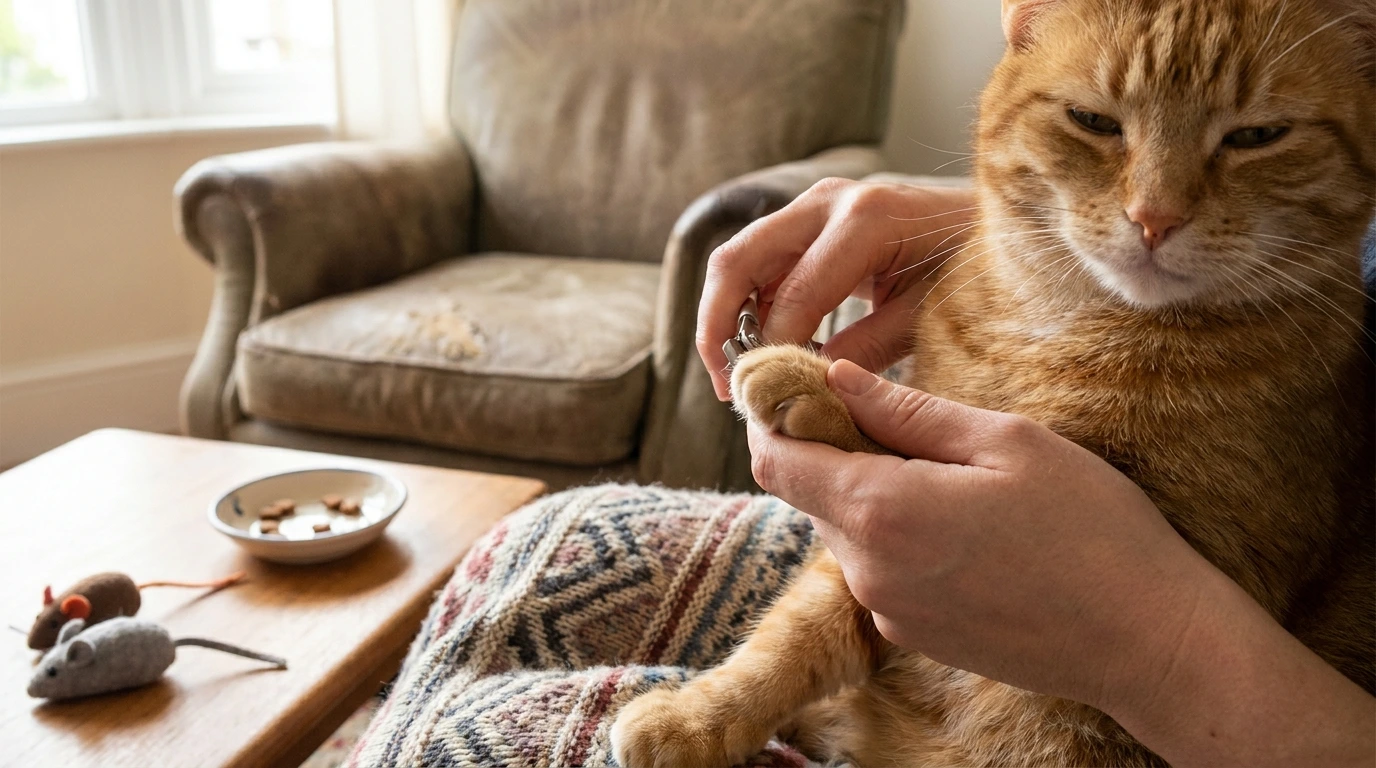
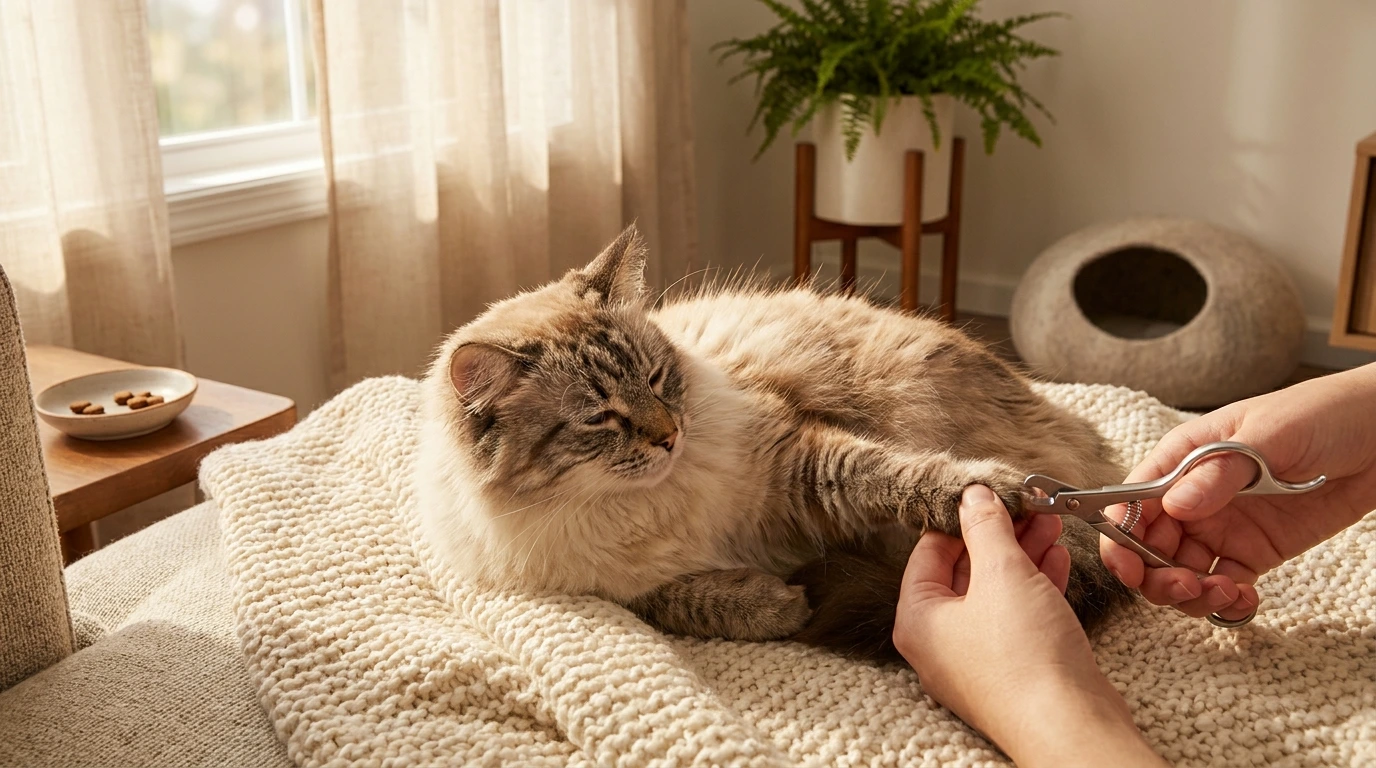
Start by gently holding your cat’s paw and pressing on the pad to extend the nail. This will give you a clear view of the nail and make it easier to trim. Be gentle and calm, speaking softly to reassure your cat throughout the process.
Trimming the Nail
Position the clippers at a slight angle, avoiding the quick. Focus on trimming only the sharp tip of the nail. If using a grinder, introduce it gradually to your cat. Allow them to get used to the sound and vibration before attempting to grind the nail. Always keep the grinder moving to avoid heat buildup, which can discomfort your cat.
Positive Reinforcement
After each nail is trimmed, offer treats and praise to your cat. Positive reinforcement helps create a positive association with nail trimming, making future sessions easier. If your cat becomes agitated or stressed, take breaks and try again later. Patience is key.
Post-Trimming Care
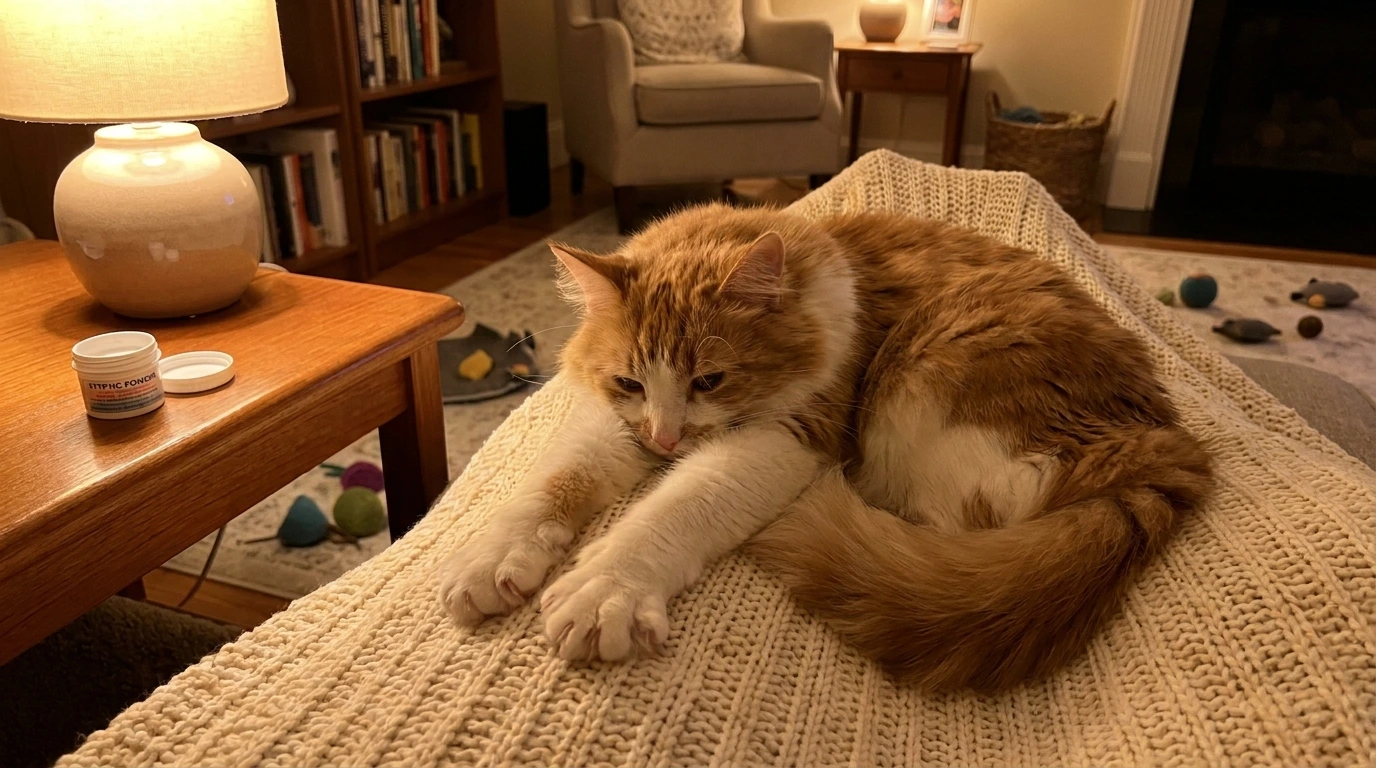
After trimming, check your cat’s paws for any signs of bleeding or discomfort. If you accidentally cut the quick, apply a styptic powder to stop the bleeding. Additionally, keep an eye on your cat for the next few hours to ensure they are comfortable and not exhibiting signs of pain.
Regular Maintenance
Establishing a regular nail trimming schedule is essential. Depending on your cat’s activity level and lifestyle, you may need to trim their nails every 2 to 4 weeks. Regular maintenance helps keep their nails at a healthy length and reduces the risk of injury.
When to Seek Professional Help
If you are uncomfortable trimming your cat’s nails or if your cat becomes overly aggressive, consider seeking professional help. Veterinarians and groomers are experienced in handling cats and can provide safe and effective nail trimming services. They can also offer guidance on how to manage nail care at home.
FAQs
How often should I trim my cat’s nails?
Most cats need their nails trimmed every 2 to 4 weeks. However, this can vary based on their activity level and lifestyle. Regular monitoring will help you determine the best schedule for your cat.
What should I do if I accidentally cut the quick?
If you accidentally cut the quick and your cat starts to bleed, apply a styptic powder to the area to stop the bleeding. If you do not have styptic powder, a clean cloth can also be used to apply pressure until the bleeding stops.
Can I use human nail clippers on my cat?
While human nail clippers can work in a pinch, it is best to use tools specifically designed for cats. Cat nail clippers are designed to provide better control and visibility, reducing the risk of injury.
How can I make my cat comfortable during nail trimming?
To make your cat comfortable, create a calm environment, use a towel to secure them, and provide treats as positive reinforcement. Patience and a gentle approach are key to helping your cat feel at ease during the process.
Conclusion
Trimming your cat’s nails is an important aspect of pet care that contributes to their health and comfort. By understanding your cat’s nails, preparing appropriately, and following the right techniques, you can make this process safe and stress-free. Regular maintenance not only prevents potential health issues but also fosters a positive relationship between you and your cat. With a little practice and patience, nail trimming can become a routine part of your cat care regimen.