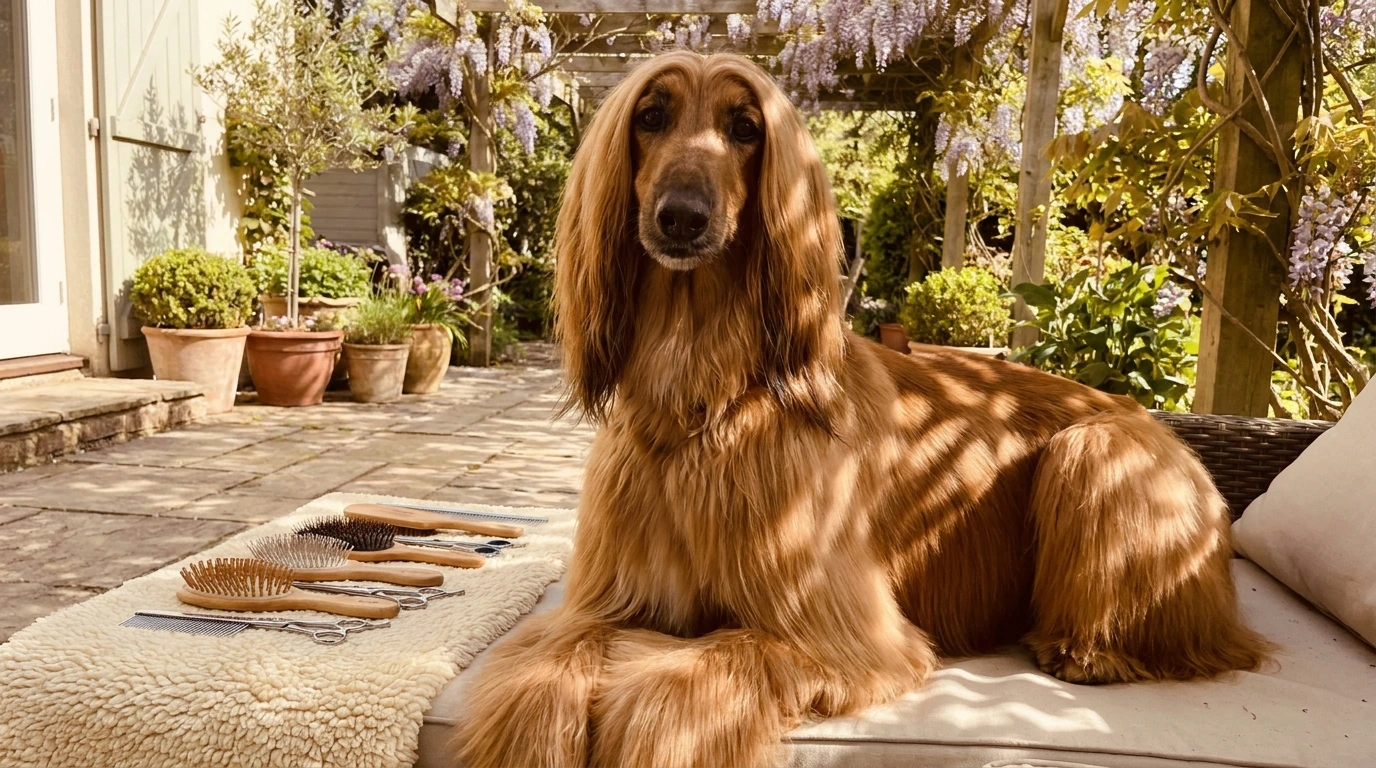
Grooming long-haired dogs at home can be a rewarding experience, fostering a stronger bond between you and your furry friend while also saving money on professional grooming services. However, it can also be a challenging task if you’re unprepared. This comprehensive guide will provide you with the essential techniques, tools, and tips to ensure your long-haired dog remains healthy, comfortable, and looking its best.
Understanding the Needs of Long-Haired Dogs
Long-haired dogs require more attention and care than their short-haired counterparts. Their beautiful coats can be prone to tangles, mats, and skin issues if not properly maintained. Understanding the specific grooming needs of your dog’s breed is crucial for effective home grooming.
Common Breeds and Their Grooming Requirements
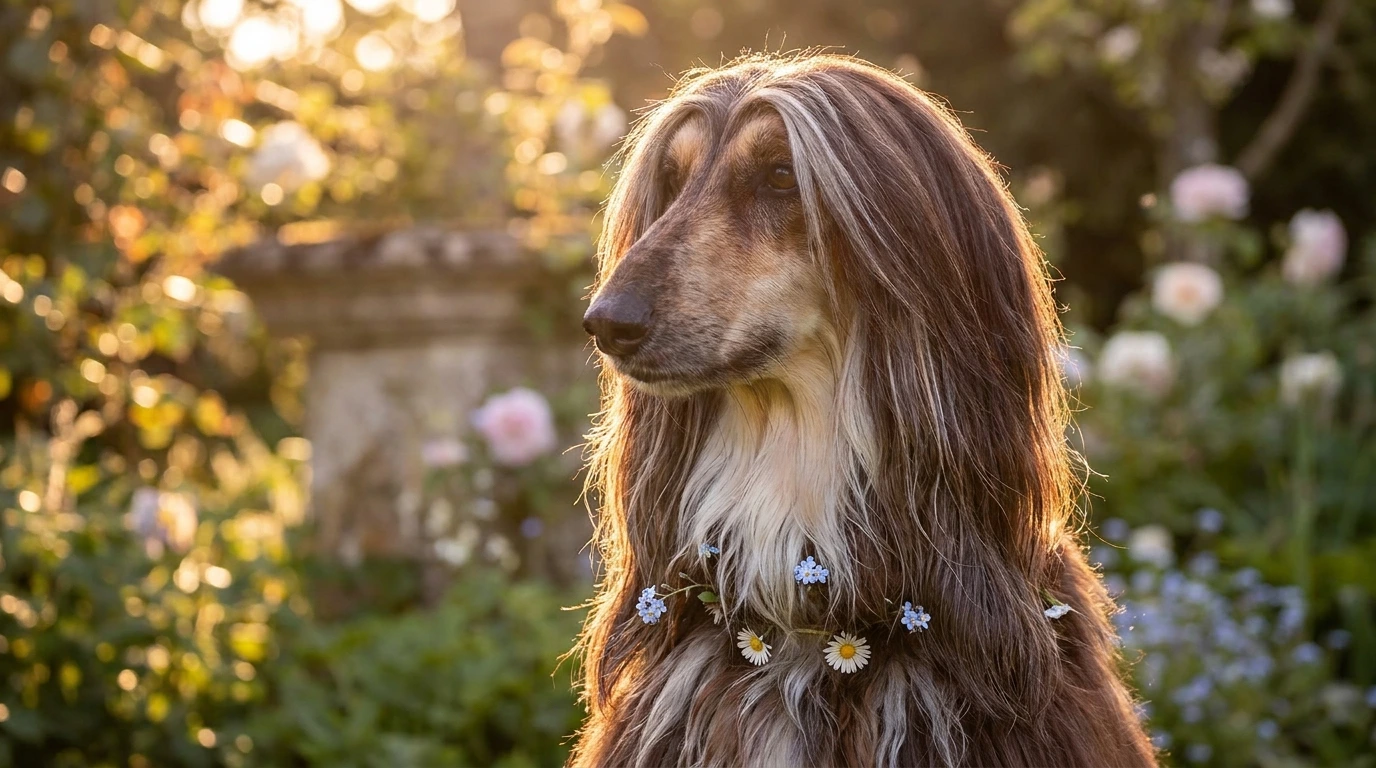
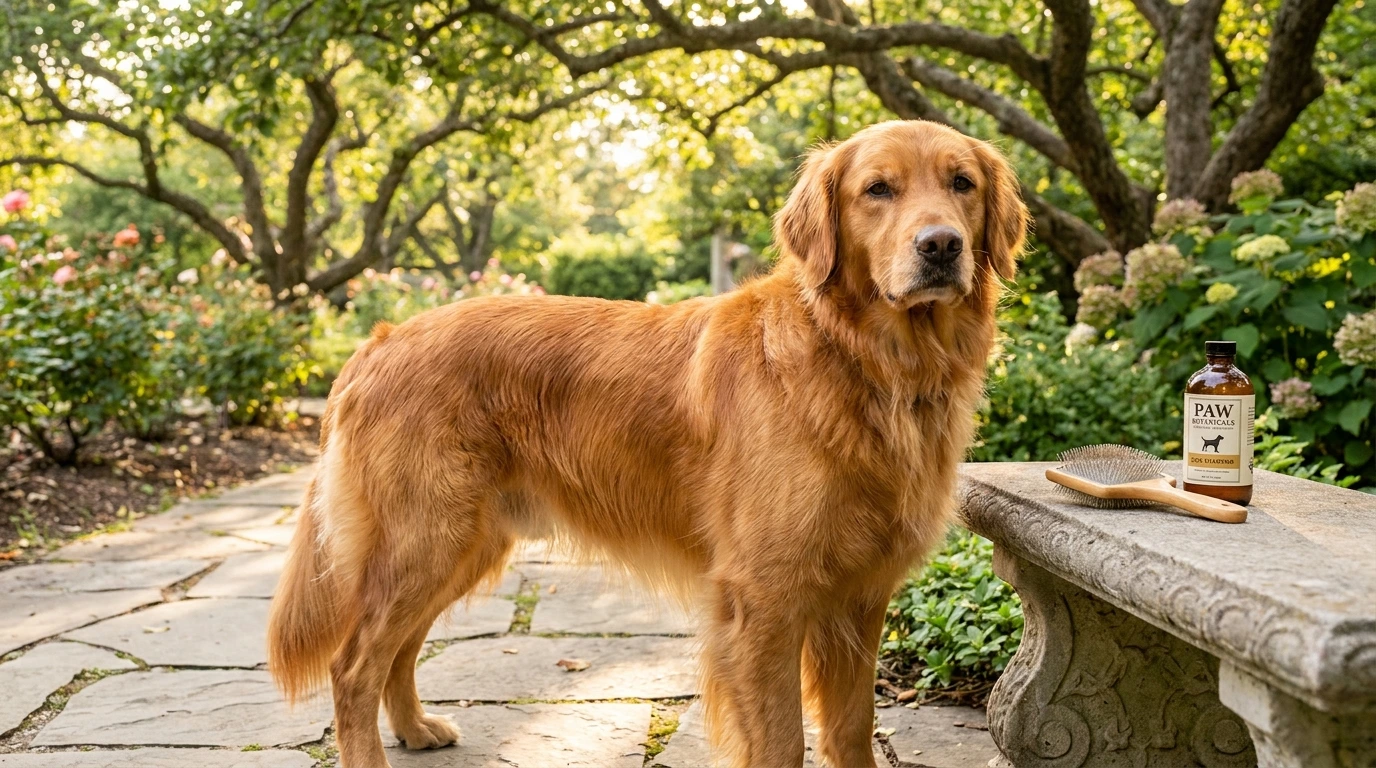
Different breeds of long-haired dogs have unique grooming needs. For example, breeds like the Afghan Hound and Shih Tzu require daily brushing to prevent tangles and mats. In contrast, the Golden Retriever may need less frequent brushing but still requires regular baths and occasional trimming. Researching your dog’s specific breed will help you tailor your grooming routine accordingly.
The Importance of Regular Grooming
Regular grooming is essential for the health of your long-haired dog. It helps to remove loose hair, dirt, and debris, while also stimulating the skin to promote healthy oil production. Additionally, grooming allows you to check for skin irritations, parasites, or other health issues early on. Establishing a consistent grooming schedule can significantly improve your dog’s overall well-being.
Essential Tools for Home Grooming
Having the right grooming tools can make the process easier and more effective. Here are some must-have items for grooming your long-haired dog at home.
Brushes and Combs
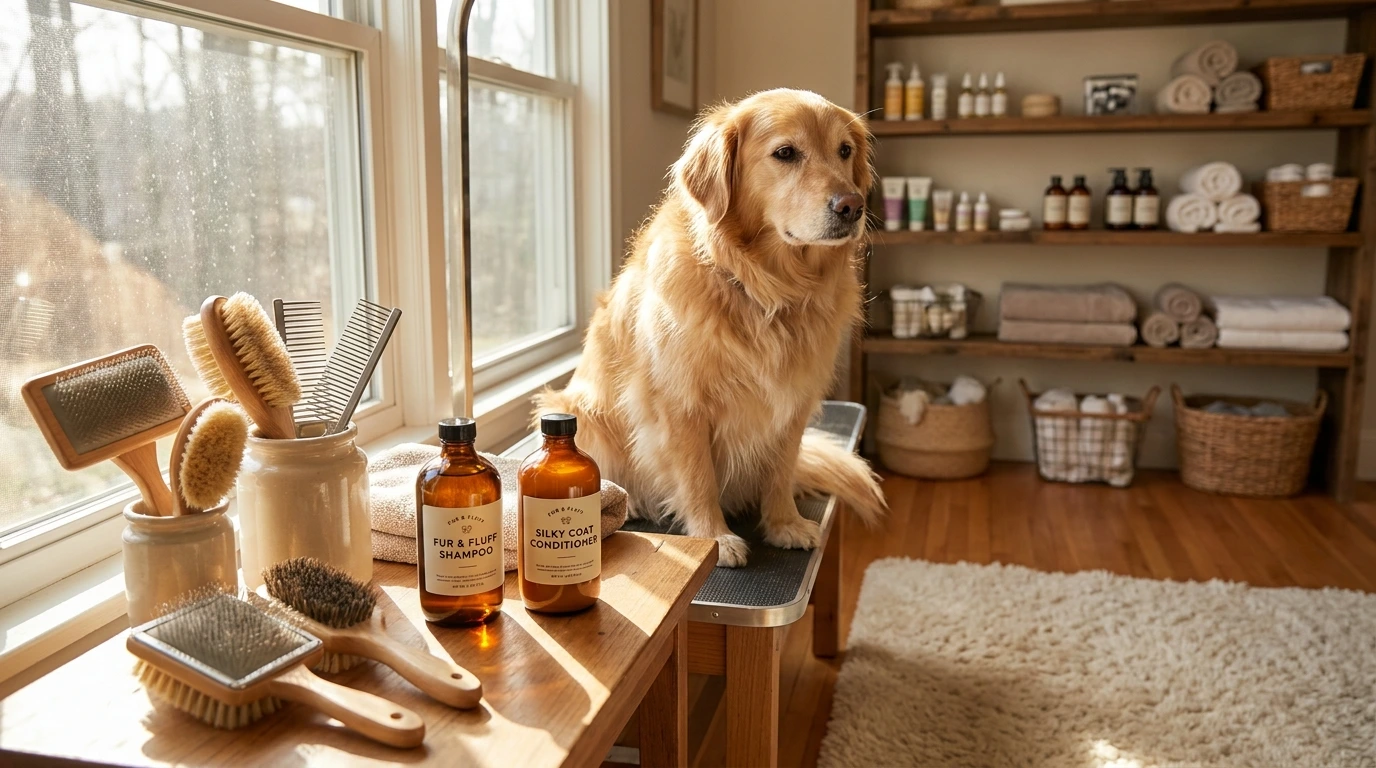
Invest in a variety of brushes and combs designed for long-haired dogs. A slicker brush is excellent for removing tangles and loose hair, while a wide-toothed comb can help detangle stubborn knots. A bristle brush can be used for finishing touches, adding shine to your dog’s coat.
Shampoo and Conditioner
Using high-quality, dog-specific shampoo and conditioner is vital for maintaining coat health. Look for products formulated for long-haired breeds, as they will be designed to nourish and protect the coat. Avoid human shampoos, as they can strip oils and irritate your dog’s skin.
Step-by-Step Grooming Process
Establishing a systematic grooming routine will help you maintain your dog’s coat effectively. Here’s a step-by-step guide to follow.
Brushing
Start by brushing your dog’s coat thoroughly. Use a slicker brush to remove any tangles, working from the tips of the hair towards the roots. Be gentle to avoid pulling on the skin and causing discomfort. Spend extra time on areas that are prone to mats, such as behind the ears and under the legs.
Bathing
Bathing should be done every 4-6 weeks, depending on your dog’s activity level and coat condition. Wet your dog thoroughly and apply a dog-specific shampoo, massaging it into the coat. Rinse thoroughly to remove all soap residue, then follow up with a conditioner to keep the coat soft and manageable.
Drying
After bathing, gently towel-dry your dog to remove excess water. You may also use a pet-specific blow dryer on a low setting to avoid overheating your dog. Ensure that the dryer is held at a safe distance from the coat to prevent burns.
Trimming and Clipping
Regular trimming is essential for maintaining your long-haired dog’s coat. Use sharp, high-quality scissors or clippers to trim the hair around the ears, paws, and tail. Be cautious and take your time to avoid cutting the skin. If you are unsure, consider consulting a professional groomer for guidance.
Challenges and Solutions in Home Grooming
While home grooming can be beneficial, it comes with its challenges. Here are some common issues and solutions.
Tangles and Mats
Tangles and mats can form quickly in long-haired breeds. To prevent this, make brushing a daily routine. If you encounter a mat, use a detangling spray and work through it gently with a comb. For severe mats, it may be best to consult a professional groomer.
Skin Sensitivities
Some dogs may have sensitive skin that reacts negatively to certain grooming products. Always choose hypoallergenic shampoos and conditioners. If your dog shows signs of irritation, discontinue use and consult your veterinarian for recommendations.
FAQs
How often should I groom my long-haired dog?
Most long-haired dogs should be groomed at least once a week, with some requiring daily brushing to prevent tangles and mats. Regular grooming helps maintain coat health and overall well-being.
Can I use human shampoo on my dog?
No, human shampoo can irritate your dog’s skin and strip the natural oils from their coat. Always use dog-specific grooming products to ensure their skin and coat remain healthy.
What should I do if my dog is anxious during grooming?
Start with short grooming sessions to help your dog become accustomed to the process. Use treats and positive reinforcement to create a more enjoyable experience. If anxiety persists, consider consulting a professional groomer for assistance.
Conclusion
Home grooming for long-haired dogs is not only beneficial for their appearance but also essential for their health. With the right tools, techniques, and a consistent grooming routine, you can keep your dog looking beautiful and feeling comfortable. By understanding their specific needs and addressing challenges proactively, you can enjoy a rewarding grooming experience that strengthens your bond with your furry companion.