Nail trimming is an essential aspect of pet care that often goes overlooked, especially for small pets. Proper nail maintenance not only helps your furry friends stay comfortable but also prevents health issues associated with overgrown nails. This guide will delve into the importance of nail trimming for small pets, techniques for safe trimming, and tips for making the process easier for both you and your pet.
The Importance of Nail Trimming for Small Pets
Nail trimming is crucial for the overall health and well-being of small pets such as rabbits, guinea pigs, hamsters, and ferrets. Regular trimming helps prevent pain, discomfort, and potential injuries caused by overgrown nails. Additionally, maintaining appropriate nail length can enhance mobility, allowing your pets to move freely and engage in their natural behaviors.
Preventing Health Issues
Overgrown nails can lead to various health problems, including ingrown nails, which can be painful and may require veterinary intervention. Long nails can also cause your pet to develop abnormal walking patterns, leading to joint or bone issues over time. By keeping your pet’s nails trimmed, you can help prevent these complications and ensure they remain active and healthy.
Enhancing Comfort and Mobility
Small pets are naturally active and curious creatures. When their nails become too long, they may find it difficult to walk or run properly. This discomfort can inhibit their ability to explore their environment, play, and engage in essential activities. Regular nail trimming allows your pet to move comfortably, promoting a more active and fulfilling lifestyle.
Techniques for Safe Nail Trimming
Trimming your pet’s nails can seem daunting, but with the right techniques and tools, it can be a straightforward process. Familiarize yourself with various methods and choose the one that best suits your pet’s needs and temperament.
Choosing the Right Tools
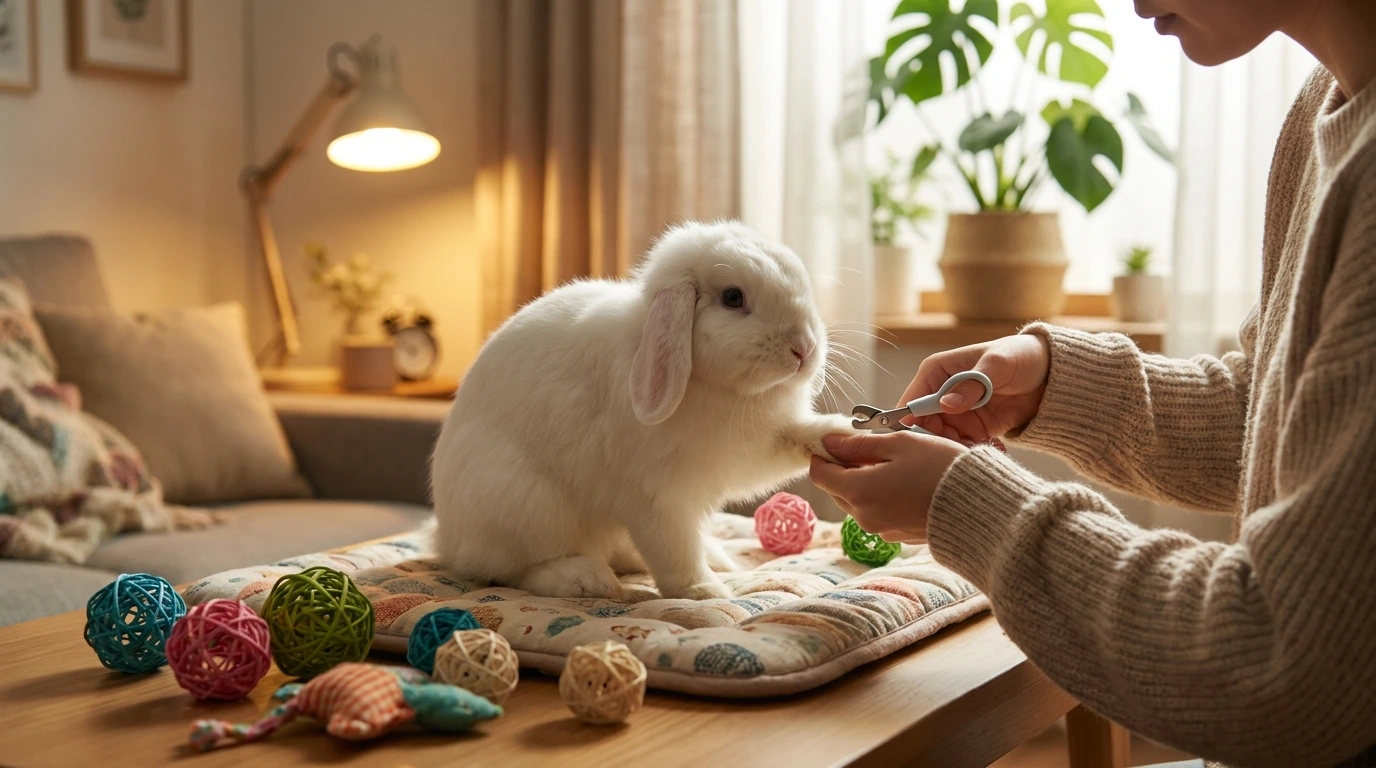
Investing in quality nail trimming tools is essential for a safe and effective trimming experience. Nail clippers designed specifically for small pets, such as scissor-style or guillotine-style clippers, are ideal. Additionally, consider using a nail file or grinder for smoothing rough edges after cutting. Ensure your tools are sharp and clean to avoid causing stress or injury to your pet.
Preparing Your Pet for Nail Trimming
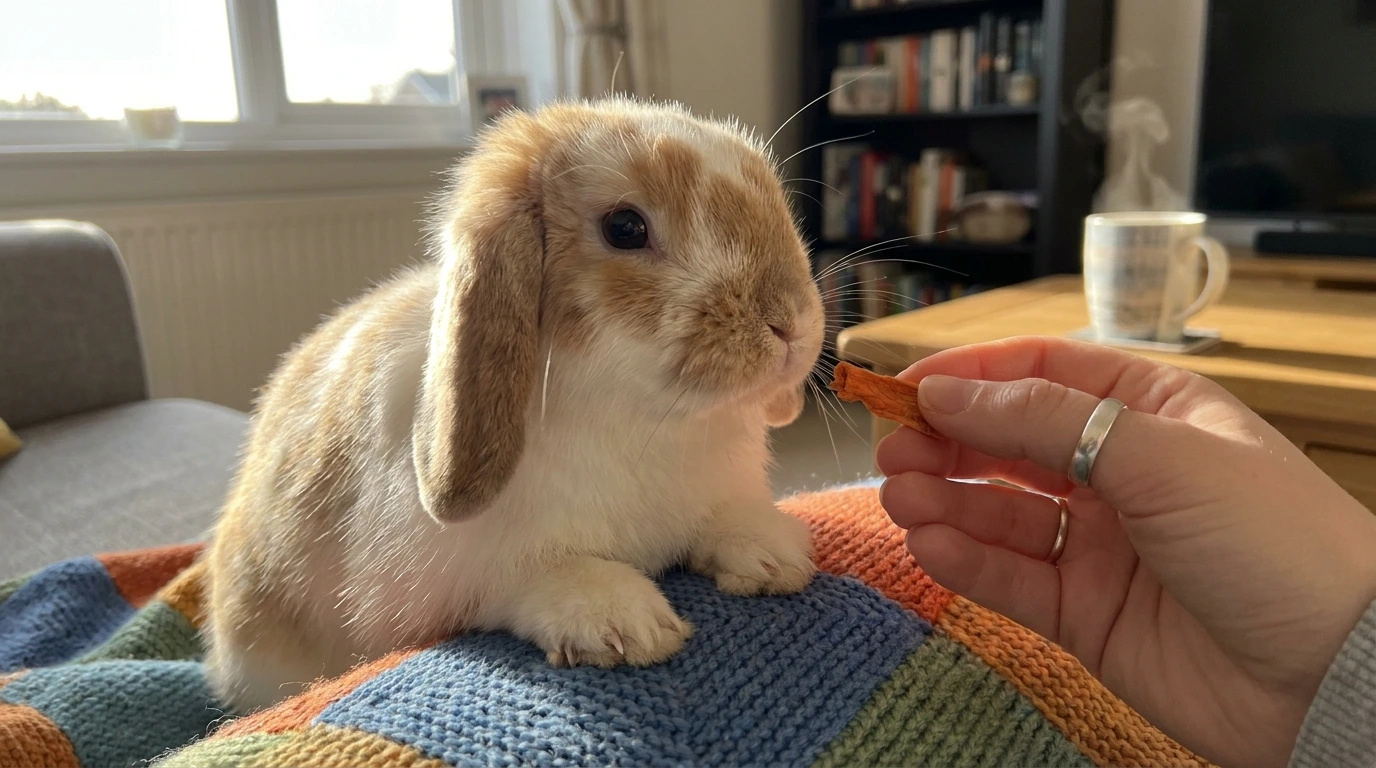
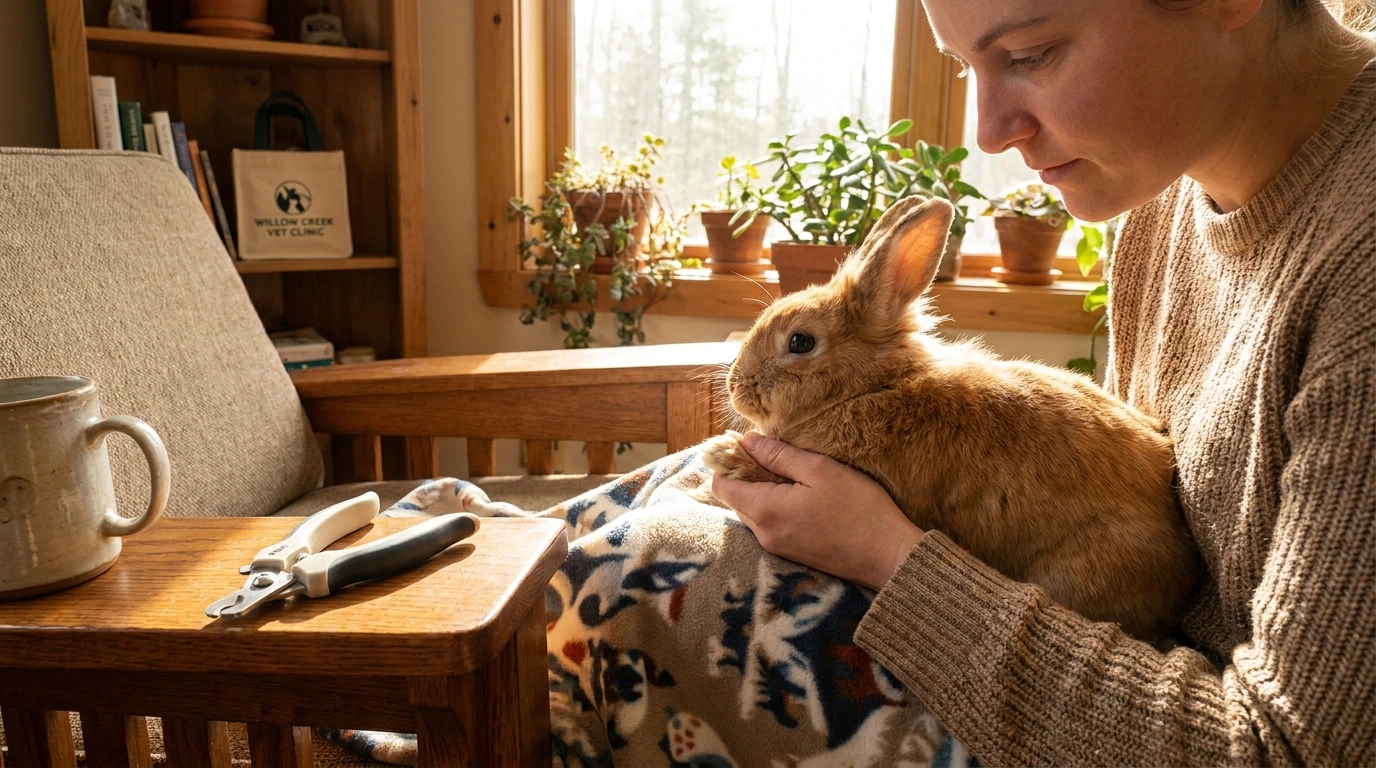
Before you start trimming, it’s important to prepare your pet. Create a calm environment by choosing a quiet space and using treats to help your pet associate nail trimming with positive experiences. Gently handle your pet’s paws to get them accustomed to having their nails touched. If your pet seems anxious, consider breaking the process into smaller sessions, trimming just one or two nails at a time.
Trimming Techniques
When trimming your pet’s nails, identify the quick, which is the pinkish area within the nail that contains blood vessels and nerves. Avoid cutting into the quick, as this can cause bleeding and pain. For pets with dark nails, it may be more challenging to see the quick, so trim small amounts at a time until you see a change in the nail’s appearance. Always reward your pet with treats and praise after each successful trim to reinforce positive behavior.
Tips for Making Nail Trimming Easier
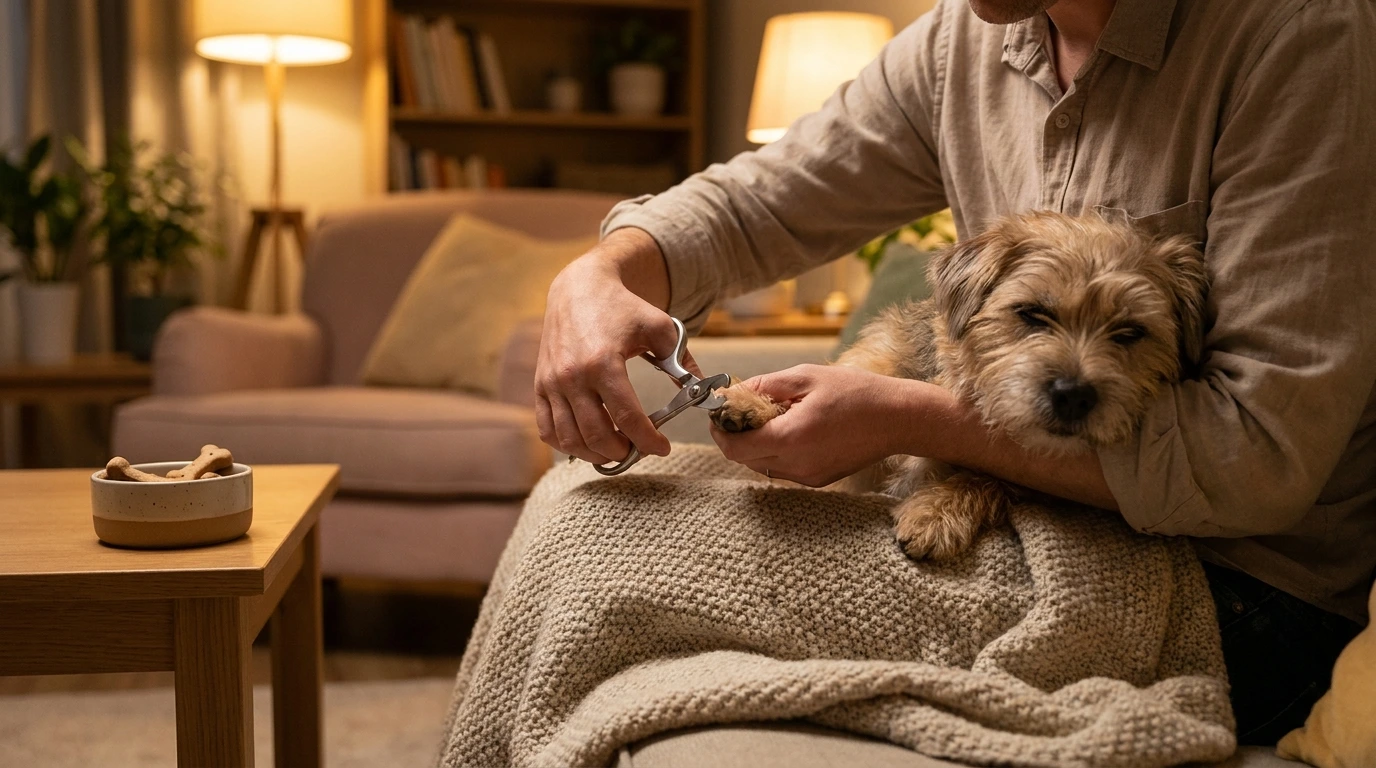
Making nail trimming a regular part of your pet care routine can help alleviate the stress associated with the process. Here are some practical tips to make nail trimming more manageable.
Establish a Routine
Creating a consistent schedule for nail trimming can help your pet acclimate to the process. Consider trimming nails every three to four weeks, as this frequency allows you to keep your pet’s nails at a healthy length without overwhelming them. Incorporate nail trimming into your pet’s grooming routine to make it a familiar and expected event.
Use Positive Reinforcement
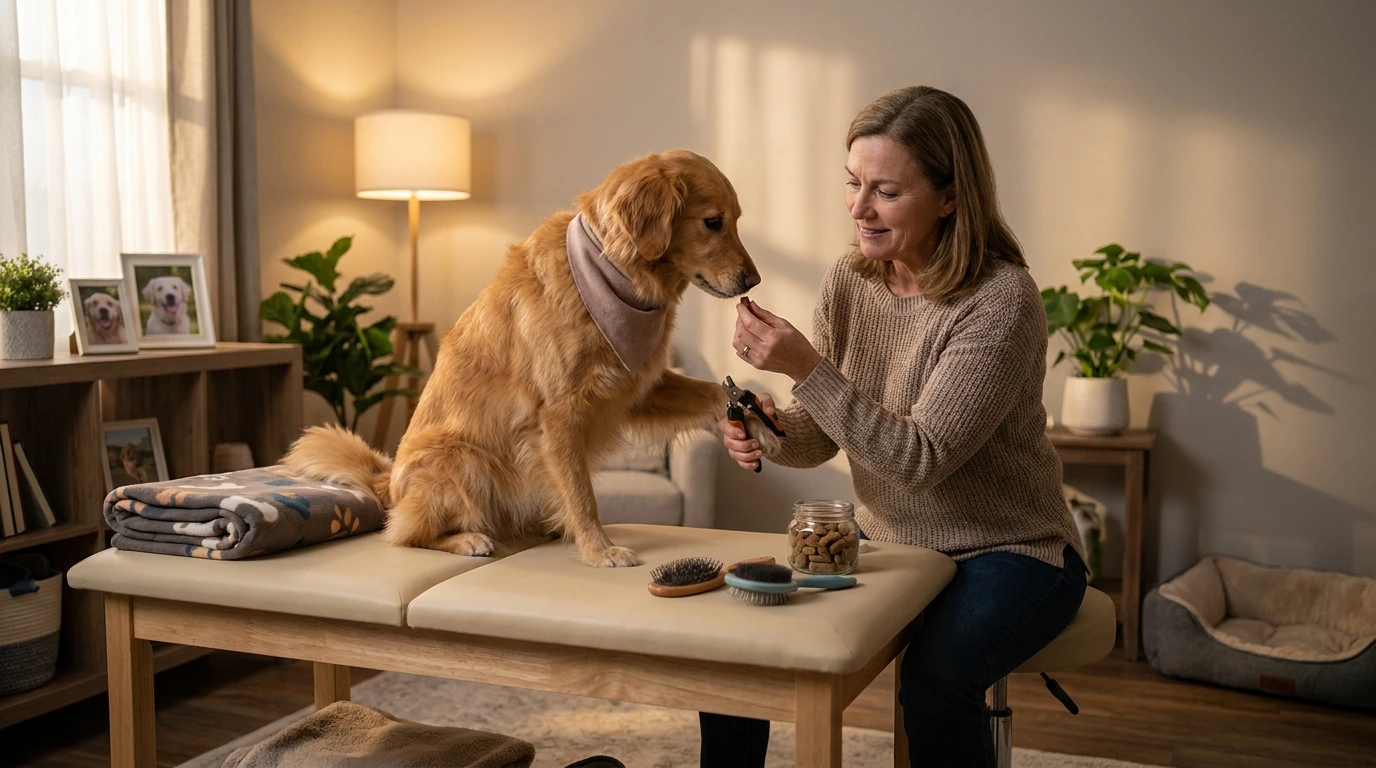
Using treats, praise, and affection can turn nail trimming into a positive experience for your pet. Offer rewards throughout the process, especially after each nail is trimmed. This approach encourages your pet to remain calm and cooperative, reducing anxiety for both of you. Over time, your pet will likely learn to associate nail trimming with positive experiences.
Seek Professional Help if Needed
If you are uncomfortable trimming your pet’s nails or if your pet resists the process, do not hesitate to seek professional help. Veterinarians and professional groomers have the expertise and tools to trim nails safely. Regular visits can also help your pet become accustomed to being handled by other individuals, making the process easier in the long run.
FAQs
How often should I trim my small pet’s nails?
It is generally recommended to trim your small pet’s nails every three to four weeks. However, the frequency may vary based on your pet’s activity level and the rate at which their nails grow.
What if I accidentally cut the quick?
If you accidentally cut the quick and your pet begins to bleed, apply a styptic powder or cornstarch to the area to help stop the bleeding. Keep your pet calm and monitor the injury. If bleeding persists, consult your veterinarian.
Can I use human nail clippers on my small pet?
While human nail clippers can technically be used, they are not designed for the unique anatomy of small pets. It is advisable to use clippers specifically made for small animals to ensure safety and effectiveness.
What if my pet refuses to let me trim their nails?
If your pet is resistant to nail trimming, take the time to desensitize them to the process. Start by handling their paws gently and gradually introduce the clippers. If they remain unruly, consider seeking help from a professional groomer or veterinarian.
Conclusion
Nail trimming is a vital component of small pet care that contributes to their overall health and comfort. By understanding the importance of regular trimming and implementing effective techniques, you can ensure that your pet remains happy and active. With patience and positive reinforcement, nail trimming can become a less stressful experience for both you and your furry companion. Regular maintenance will not only enhance your pet’s quality of life but also strengthen the bond between you and your beloved small pet.