
Dealing with fleas on pets can be a frustrating experience for pet owners. These tiny pests not only cause discomfort to our furry friends but can also lead to serious health issues if not addressed promptly. In this article, we will explore effective methods for removing fleas from pets, ensuring your beloved companions remain happy and healthy. From natural remedies to veterinary-approved treatments, you will find practical solutions to tackle a flea infestation.
Understanding Flea Infestations
Fleas are small, wingless insects that feed on the blood of mammals and birds. They reproduce rapidly, and a single female flea can lay hundreds of eggs in her lifetime. Understanding their life cycle is crucial for effective flea control. The flea life cycle consists of four stages: egg, larva, pupa, and adult. Each stage requires specific treatment methods to eliminate the infestation completely.
The Life Cycle of Fleas
Fleas begin their life as eggs, which are laid on your pet or in the environment. These eggs hatch into larvae, which then develop into pupae before emerging as adult fleas. Adult fleas are the ones that cause discomfort to pets. Knowing this cycle helps in determining the best time to treat your pet and their environment.
Signs of a Flea Infestation
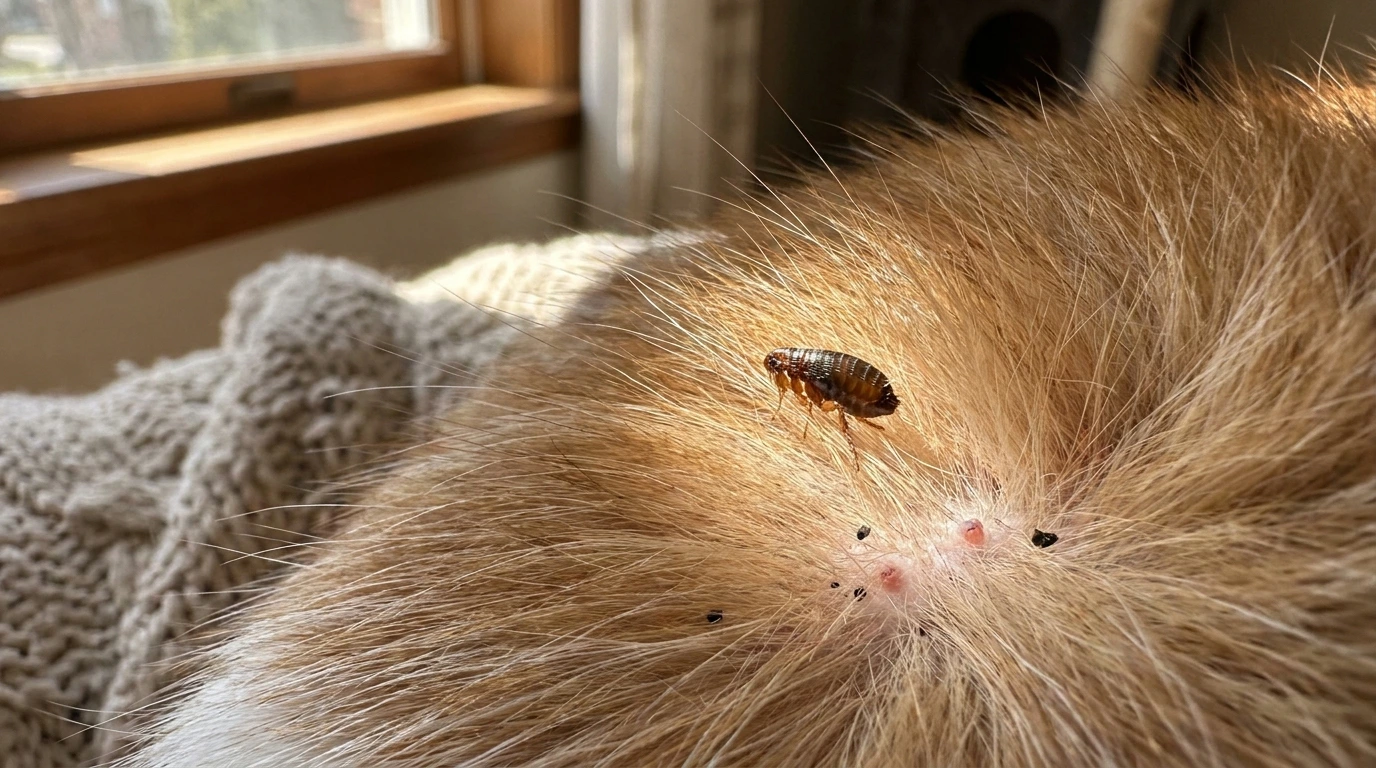
Identifying a flea infestation early can save you from a larger problem. Common signs include excessive scratching, biting or licking at the skin, and the presence of flea dirt, which looks like small black specks. You may also notice small red bumps on your pet’s skin where they have been bitten. Additionally, fleas can sometimes be seen scurrying through your pet’s fur, especially in warmer areas of the body like the belly and armpits.
Effective Methods for Removing Fleas
There are various methods for removing fleas from pets, ranging from natural remedies to commercial products. Choosing the right approach depends on the severity of the infestation and your pet’s needs.
Natural Remedies
For those who prefer a chemical-free approach, several natural remedies can help. Ingredients like diatomaceous earth, apple cider vinegar, and essential oils can be effective in repelling or killing fleas. Diatomaceous earth, for example, works by dehydrating and damaging the exoskeleton of fleas. Sprinkle it on your pet’s fur and in areas where fleas are likely to congregate, but ensure it is food-grade and safe for pets.
Over-the-Counter Treatments
Many over-the-counter flea treatments are available, including topical treatments, oral medications, and flea collars. Topical treatments are commonly applied to the skin at the back of the neck and provide protection for weeks. Oral medications can kill fleas quickly and are often preferred for pets that may get wet frequently. Flea collars can offer longer-term protection but may not be sufficient alone for serious infestations.
Prescription Treatments
If your pet has a severe flea infestation, it may be necessary to consult a veterinarian for prescription treatments. Vets can provide stronger medications that are safe for your pet and effective at eliminating fleas. Additionally, they can offer advice on the best preventive measures to avoid future infestations.

Environmental Control
Fleas don’t just live on your pet; they inhabit your home as well. Effective flea removal requires treating both your pet and their environment.
Cleaning Your Home
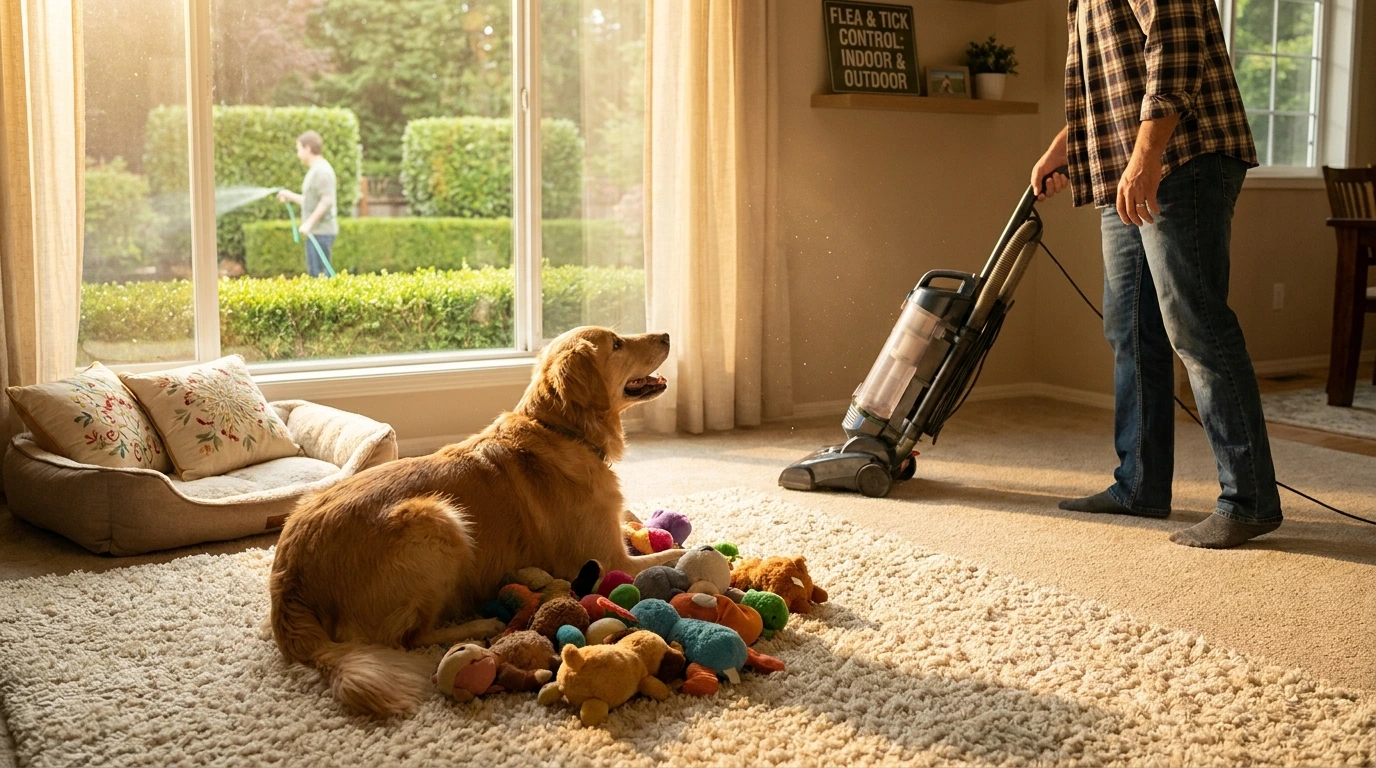
Vacuuming regularly is essential in managing a flea infestation. Focus on carpets, rugs, and areas where your pet spends time. Dispose of the vacuum bag or empty the canister immediately after vacuuming to prevent fleas from escaping back into your home. Washing your pet’s bedding, toys, and any fabric they frequently come into contact with in hot water can also help eliminate fleas and their eggs.
Outdoor Treatment
If your pet spends time outdoors, treating your yard is necessary. Fleas thrive in warm, humid environments. Regularly mowing your lawn, trimming bushes, and using flea control products specifically designed for outdoor use can significantly reduce the flea population in your yard. Natural options like nematodes can be introduced to control flea larvae in your garden.
Preventive Measures
After successfully removing fleas, prevention is key to avoiding reinfestation. Establishing a regular flea control routine will help keep your pets and home flea-free.
Regular Grooming
Regular grooming is an excellent way to keep an eye on your pet’s coat for fleas and flea dirt. Brushing your pet with a fine-toothed comb can help remove any flea eggs or larvae present in their fur. Additionally, grooming can help distribute any topical flea treatments more evenly, enhancing their effectiveness.
Consistent Use of Preventive Treatments
Utilizing preventive flea treatments is crucial. Options include monthly topical treatments, oral medications, or flea collars. Consult your veterinarian to determine the most suitable preventive measure for your pet’s lifestyle and needs. Keeping up with these treatments will create a barrier against future infestations.
FAQs
Can fleas live in my home without pets?
Yes, fleas can survive in your home even without pets. They can live in carpets, furniture, and other areas, waiting for a host to feed on.
How do I know if my pet has fleas?
Common signs include excessive scratching, skin irritations, and finding flea dirt or fleas in their fur. A thorough inspection is recommended if you suspect an infestation.
Are natural remedies effective against fleas?
Some natural remedies can be effective, but their results may vary. For severe infestations, a combination of natural and commercial treatments may be necessary for the best results.
How often should I treat my pet for fleas?
This depends on the product used. Monthly treatments are common, but it’s essential to follow the manufacturer’s instructions and consult with your veterinarian for specific recommendations.
Conclusion
Removing fleas from pets requires a comprehensive approach that includes treating both the pet and the environment. By understanding the flea life cycle, employing effective removal methods, and implementing preventive measures, you can ensure your pets remain free from these pesky pests. Regular grooming and the consistent use of preventive treatments will safeguard your home and pets from future infestations, allowing you to enjoy a healthier, happier life together.