
Grooming your dog’s paws and pads is an essential part of pet care that is often overlooked. Regular maintenance not only enhances your dog’s comfort but also promotes their overall health. In this guide, we will explore effective grooming techniques, the importance of paw care, and practical tips to keep your dog’s paws in top condition. By understanding how to care for your dog’s paws, you can prevent issues such as infections, discomfort, and injuries.
Understanding the Anatomy of Dog Paws
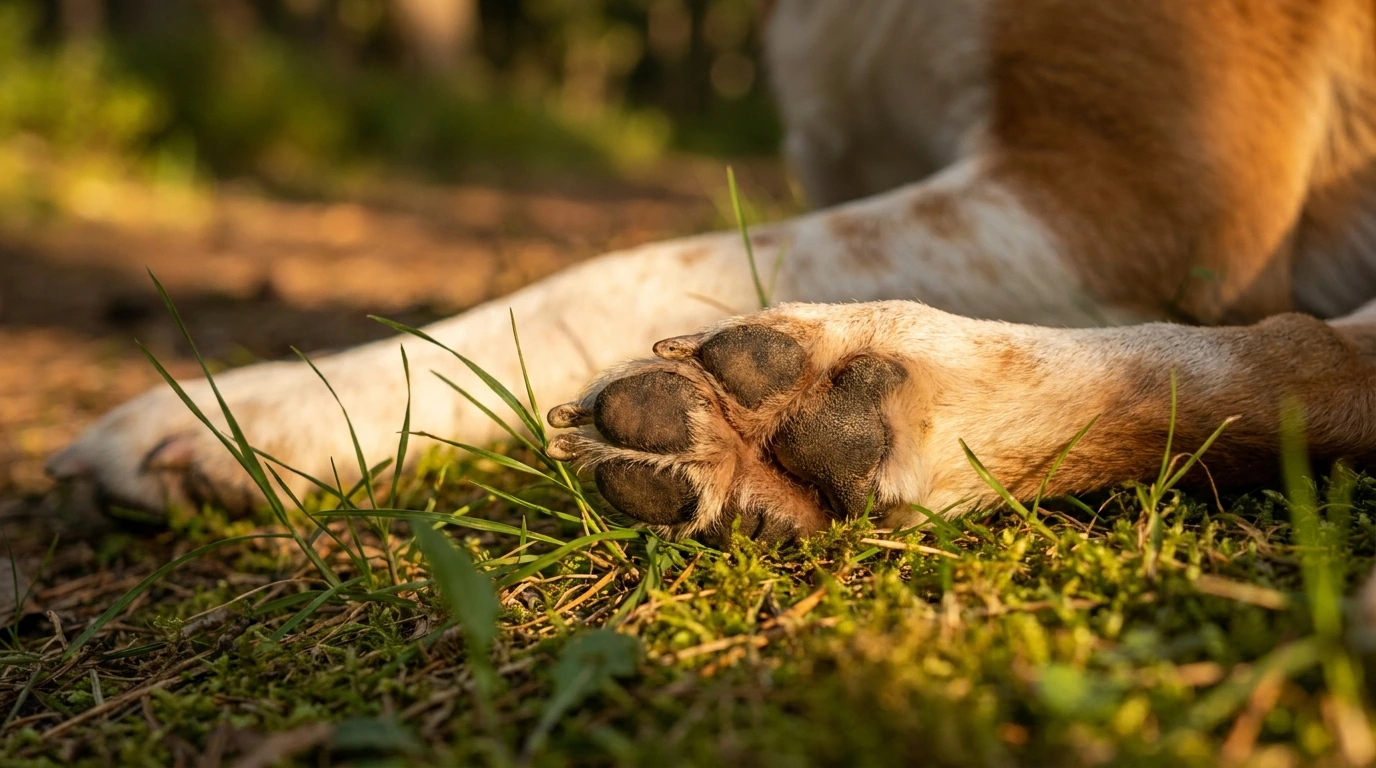
Before diving into grooming techniques, it’s crucial to understand the structure of your dog’s paws. A typical dog’s paw consists of several important parts including the pads, nails, and fur. Each plays a significant role in your dog’s mobility and comfort.
The Role of Pads
The pads on a dog’s paws serve as shock absorbers and provide traction. They are made of tough, flexible skin that protects against rough surfaces and extreme temperatures. Keeping these pads healthy is vital, as they can become cracked or injured if neglected.
Nail Health
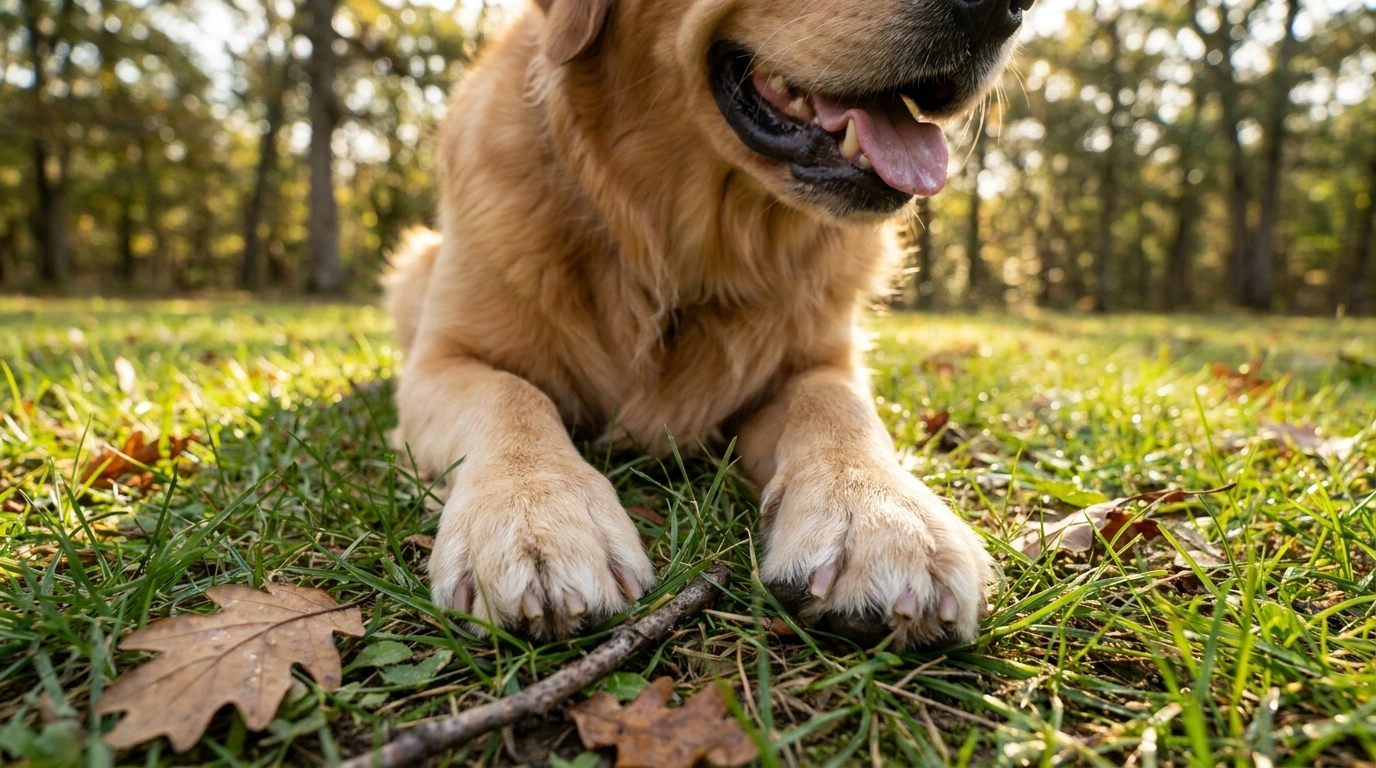
Nails are another key component of paw health. Overgrown nails can cause pain and discomfort, leading to issues with walking and running. Regular trimming is essential to maintain the right length and prevent injury.
The Importance of Grooming Dog Paws
Grooming your dog’s paws is not just about aesthetics; it has significant health benefits. Regular grooming can prevent several common problems that affect dogs, including infections, discomfort, and injuries.
Preventing Infections
Dog paws can collect dirt, debris, and moisture, making them susceptible to infections. Regular cleaning and grooming help reduce the risk of bacteria and fungi taking hold. Pay special attention to the spaces between the toes, as these areas often trap moisture and debris.
Comfort and Mobility
Proper grooming ensures that your dog’s paws remain comfortable and functional. Dogs with unkempt paws may experience pain while walking or running, which can lead to a sedentary lifestyle. Keeping their paws well-groomed helps them stay active and healthy.
Step-by-Step Guide to Grooming Dog Paws
Grooming your dog’s paws should be a regular routine, ideally performed every couple of weeks. Follow these steps for effective grooming.
Gather Your Supplies
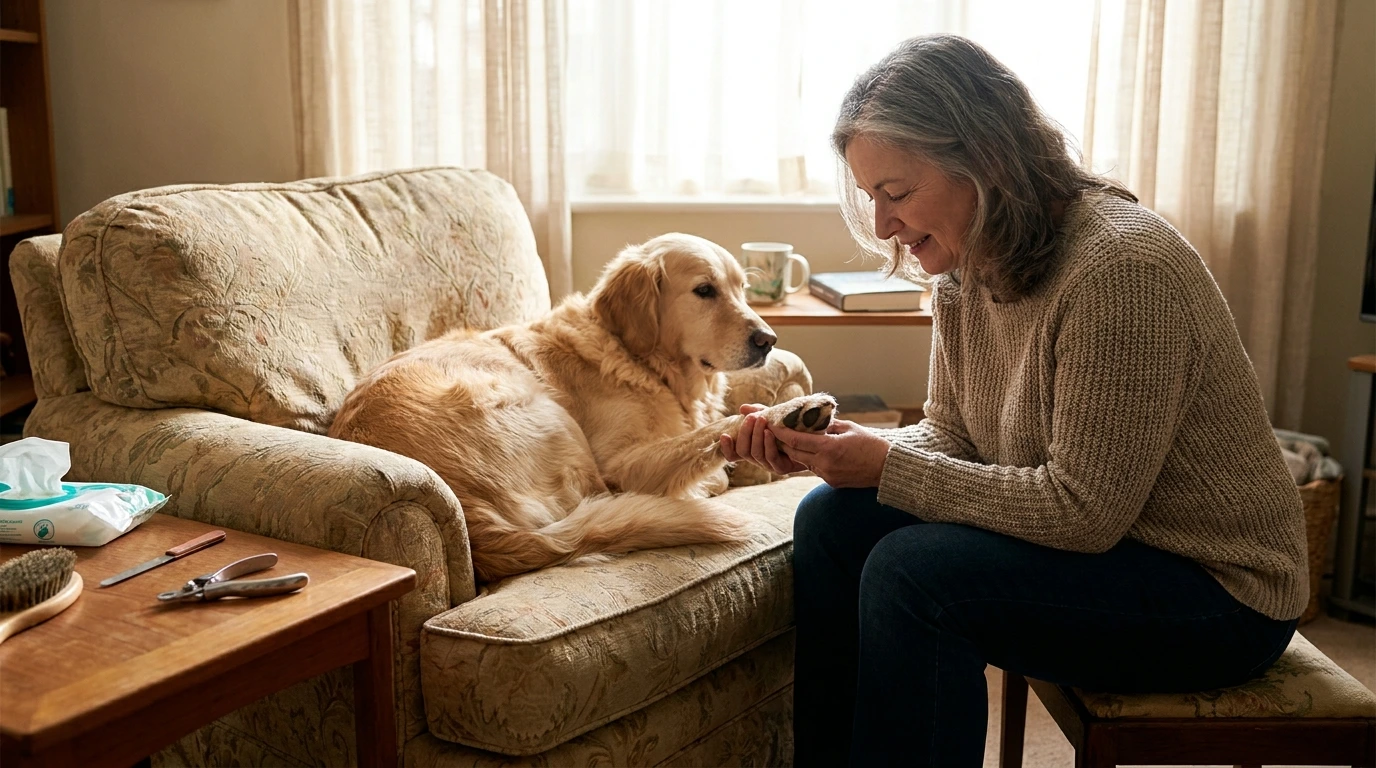
Before you start, gather all necessary grooming supplies. You will need a pair of dog nail clippers, a file or grinder, a soft brush, dog-safe wipes or a damp cloth, and a paw balm for moisturizing.
Inspect the Paws
Begin by carefully inspecting your dog’s paws. Look for any signs of injury, redness, swelling, or foreign objects lodged between the pads. This initial inspection helps identify any issues that need immediate attention.
Cleaning the Paws
Use dog-safe wipes or a damp cloth to clean the pads and between the toes. This removes dirt and debris that can cause irritation. Make sure to dry the paws thoroughly after cleaning to avoid any moisture-related issues.
Nail Trimming
Next, move on to nail trimming. Use a pair of dog nail clippers and avoid cutting too close to the quick, which is sensitive and can bleed. If your dog has dark nails, trim small amounts at a time until you see a lighter area, indicating the quick.
Filing and Smoothing
After trimming, use a file or grinder to smooth any sharp edges. This helps prevent the nails from snagging on surfaces and reduces the risk of splits or breaks.
Moisturizing the Pads
To prevent cracked pads, apply a dog-safe paw balm. This keeps the pads hydrated and protects them from extreme weather conditions. Make sure to choose a product specifically designed for dogs, as some human products can be harmful.
Tips for Maintaining Healthy Dog Paws
In addition to regular grooming, there are several proactive steps you can take to keep your dog’s paws healthy.
Regular Exercise
Regular exercise helps maintain your dog’s overall health, including their paws. Activities such as walking or running on different surfaces can help naturally wear down their nails and keep their pads tough.
Seasonal Considerations
Be particularly vigilant about your dog’s paws during extreme weather conditions. In winter, consider using dog booties to protect against ice and salt. In summer, avoid walking your dog on hot pavement, as it can burn their pads.
Regular Vet Check-ups
Include paw health in your dog’s regular veterinary check-ups. Your vet can help identify potential issues early and provide guidance on proper care tailored to your dog’s specific needs.
FAQs
How often should I groom my dog’s paws?
It is recommended to groom your dog’s paws every 2 to 4 weeks, depending on their activity level and environment.
What if my dog resists paw grooming?
Start by gradually introducing your dog to the grooming process. Use treats and positive reinforcement to create a positive experience. If they continue to resist, consult a professional groomer.
Can I use human lotion on my dog’s pads?
No, human lotions may contain ingredients that are harmful to dogs. Always use products specifically designed for canine care.
What signs indicate paw problems?
Look for signs such as limping, excessive licking of the paws, swelling, or visible injuries. If you notice any of these symptoms, consult with your veterinarian.
Conclusion
Grooming your dog’s paws and pads is an essential aspect of pet care that contributes significantly to their overall health and comfort. By following the steps outlined in this guide and maintaining a regular grooming routine, you can ensure that your dog’s paws remain in excellent condition. Remember, attentive care not only enhances your pet’s quality of life but also fosters a stronger bond between you and your furry companion.