
Grooming your cat is essential for their health and well-being. It not only helps to maintain a clean coat but also reduces shedding and prevents hairballs. Many cat owners may find this task challenging, but with a few effective grooming hacks, you can make the process easier and more enjoyable for both you and your feline friend. This article will explore practical tips and techniques that will help you master cat grooming with confidence.
Understanding Your Cat’s Grooming Needs
Every cat has different grooming requirements based on their breed, age, and health. Recognizing these needs is the first step in creating a successful grooming routine. Long-haired cats, for instance, require more frequent grooming compared to short-haired breeds.
Identifying Grooming Frequency
Long-haired breeds like Persians and Maine Coons should be groomed daily to prevent matting and tangles. Short-haired cats, on the other hand, may only need grooming once a week. Keep an eye on your cat’s coat condition and adjust the frequency as necessary.
Recognizing Health Indicators
Regular grooming sessions can also help you spot potential health issues. Look for changes in skin condition, lumps, or parasites while brushing. If you notice anything unusual, consult your veterinarian for further evaluation.

Essential Grooming Tools
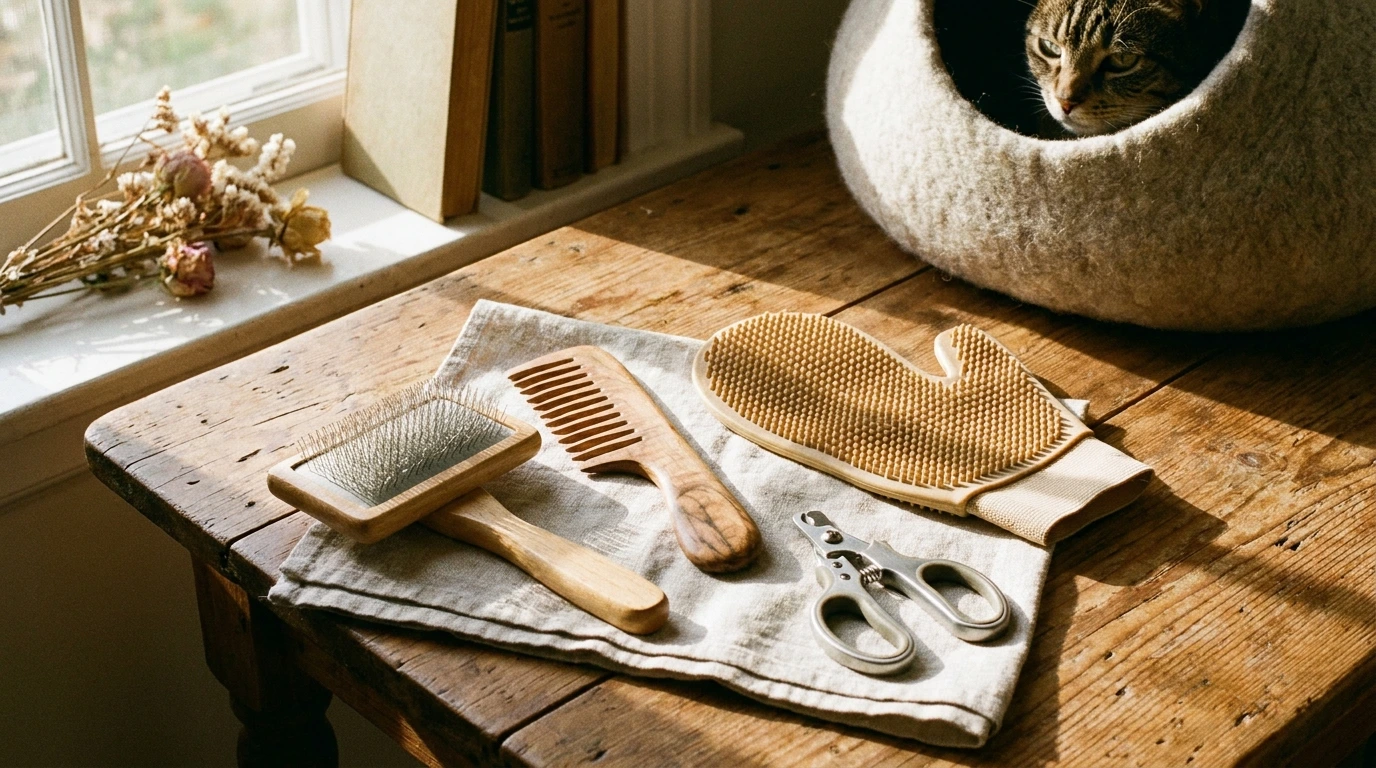
Having the right tools can significantly simplify the grooming process. Here are some essential items to keep in your grooming kit.
Brushes and Combs
Invest in a quality brush suitable for your cat’s coat type. For long-haired cats, a slicker brush or a wide-toothed comb works best. Short-haired cats may benefit from a rubber grooming mitt or a bristle brush to remove loose fur effectively.
Nail Clippers
Regular nail trimming is crucial for your cat’s health. Use cat-specific nail clippers, which are designed to make the process safer and easier. If you are unsure about how to clip your cat’s nails, consider watching instructional videos or asking your vet for guidance.
Creating a Positive Grooming Environment
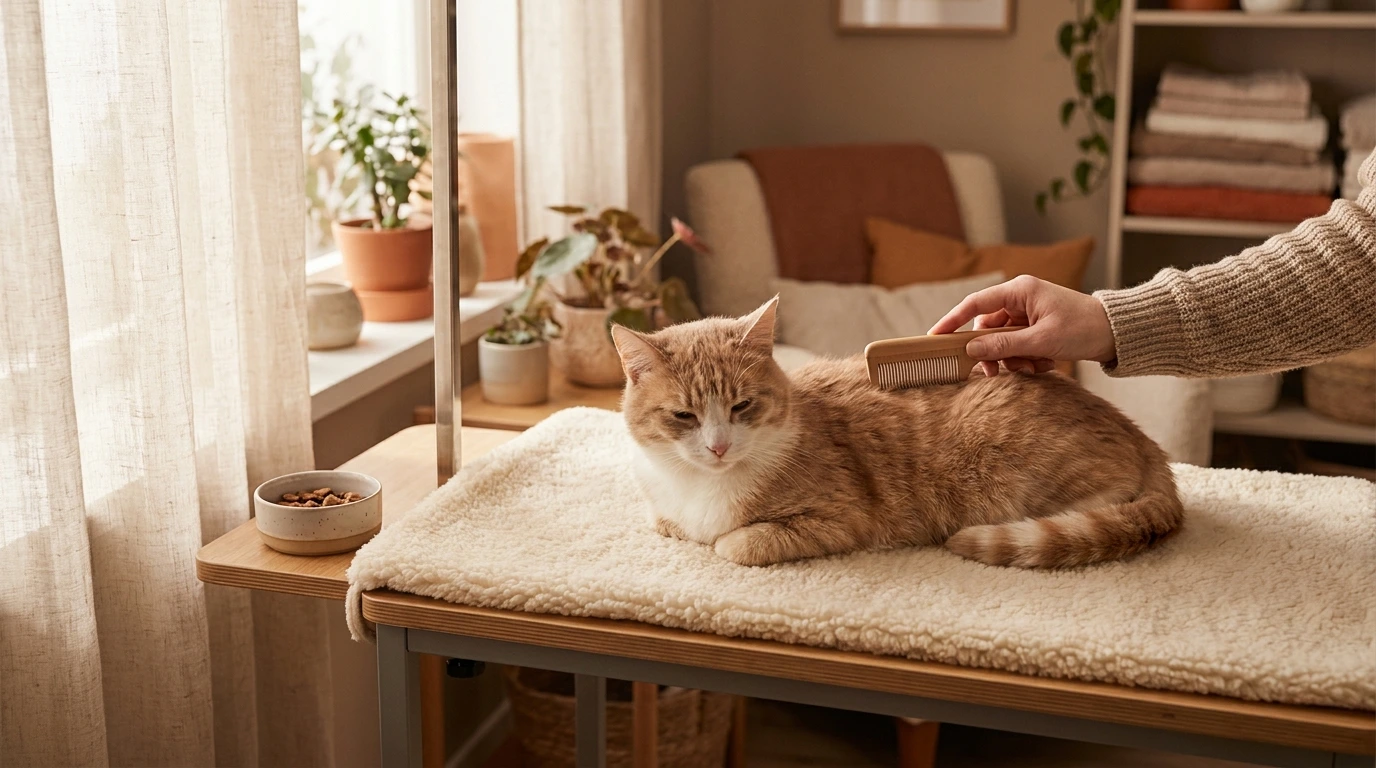
To make grooming a pleasant experience, it is essential to create a calm and relaxed environment. This not only helps your cat feel safe but also encourages cooperation during grooming sessions.
Establishing a Routine
Setting a consistent grooming schedule can help your cat become accustomed to the process. Choose a time when your cat is relaxed, such as after a meal or playtime, to make grooming more enjoyable.
Using Treats and Praise
Reward your cat with treats and praise during and after grooming sessions. This positive reinforcement can help your cat associate grooming with good experiences, making them more willing to cooperate in the future.
Effective Grooming Techniques
Implementing the right techniques can make grooming more efficient and less stressful for both you and your cat.
Working in Sections
Groom your cat in sections rather than trying to cover the entire body at once. Start with one area, such as the back or sides, and gradually work your way around. This approach helps prevent overwhelming your cat and allows you to pay attention to any tangles or knots.
Dealing with Mats and Tangles
If you encounter mats or tangles, use a detangling spray to help loosen the hair. Gently work through the area with your fingers or a comb, starting from the outer edge of the mat and moving inward. If a mat is particularly stubborn, you may need to carefully cut it out with scissors, ensuring not to cut your cat’s skin.
Bathing Your Cat
While cats are generally good at grooming themselves, there may be times when a bath is necessary. Knowing how to bathe your cat properly can make this task much easier.
Choosing the Right Shampoo
Use a cat-specific shampoo that is gentle and free from harsh chemicals. Avoid using human shampoos, as they can irritate your cat’s skin. Always read the label to ensure the product is suitable for felines.
Bathing Techniques
Fill a tub or sink with a few inches of lukewarm water before placing your cat inside. Wet your cat’s coat gradually and apply shampoo, avoiding the eyes and ears. Rinse thoroughly to remove all soap residue. After the bath, wrap your cat in a towel to dry them off and keep them warm.
Maintaining Dental Hygiene
Oral health is an often-overlooked aspect of cat grooming. Regular dental care can prevent serious health issues down the line.
Brushing Your Cat’s Teeth
Introduce your cat to tooth brushing gradually. Use a cat-specific toothbrush and toothpaste, allowing your cat to taste the toothpaste before brushing. Aim to brush your cat’s teeth at least a few times a week.
Dental Treats and Toys
In addition to brushing, consider incorporating dental treats or toys designed to promote oral health. These can help reduce plaque buildup and keep your cat’s teeth clean.
FAQs
How often should I groom my cat?
The frequency of grooming depends on your cat’s coat type. Long-haired cats may need daily grooming, while short-haired cats typically require grooming once a week.
Can I bathe my cat too often?
Bathing your cat too frequently can strip their coat of natural oils, leading to dry skin. Generally, a bath every few months is sufficient unless your cat gets into something particularly dirty.
What should I do if my cat hates being groomed?
If your cat resists grooming, try to make the process more enjoyable by using treats or toys. Gradually increase the grooming time and remain patient. Consulting a veterinarian or a professional groomer for advice may also help.
Conclusion
Grooming your cat is an essential part of responsible pet ownership. By understanding your cat’s grooming needs, using the right tools, and employing effective techniques, you can create a positive grooming experience. Regular grooming not only improves your cat’s appearance but also contributes to their overall health. With patience and practice, you can become a pro at cat grooming, ensuring your feline friend stays happy and healthy.