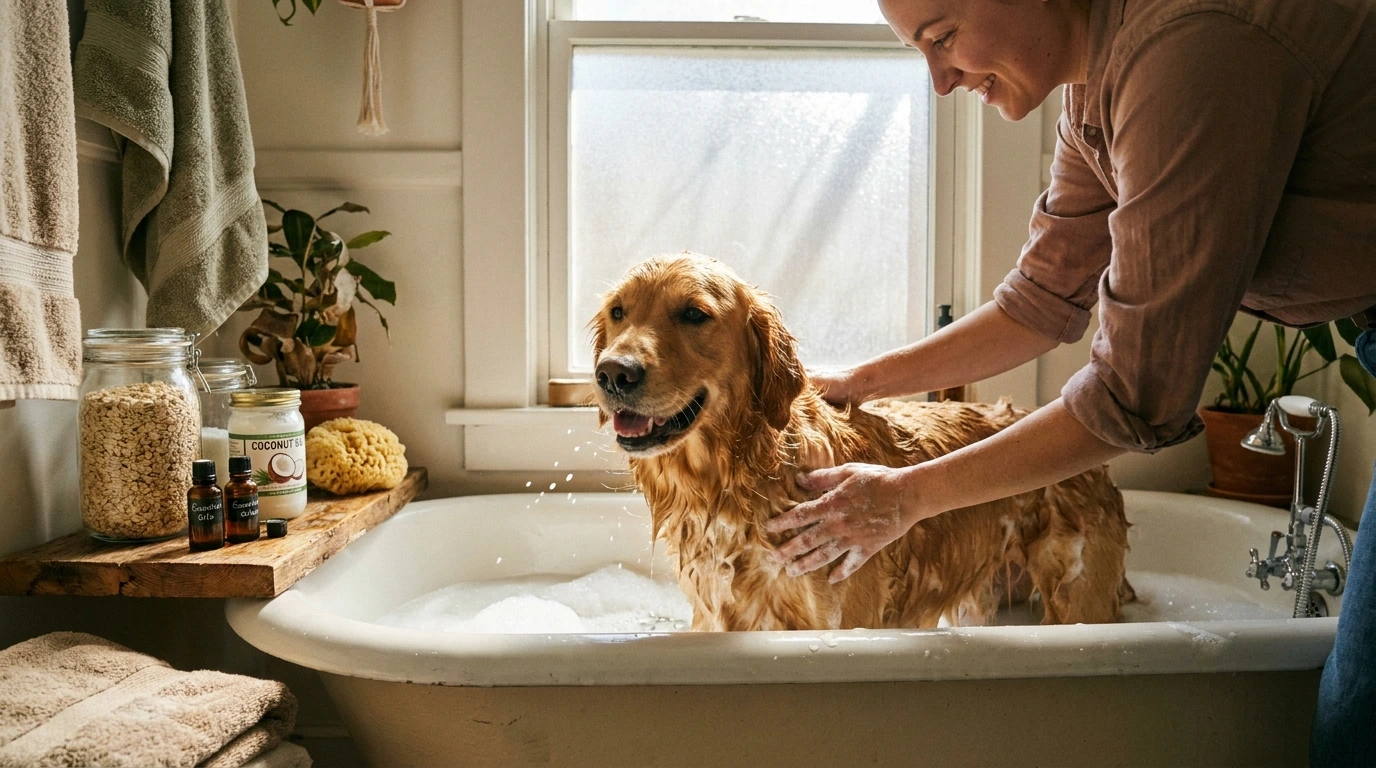
Creating your own pet shampoo at home can be a rewarding and cost-effective way to ensure your furry friend is clean and healthy. With the right ingredients, you can make a shampoo that is gentle on your pet’s skin and coat, while avoiding harsh chemicals found in commercial products. This article will guide you through several DIY pet shampoo recipes, highlighting the benefits of each ingredient and offering tips for effective use.
Understanding the Benefits of DIY Pet Shampoo
Homemade pet shampoo allows you to customize the formulation based on your pet’s specific needs. Whether your pet has sensitive skin, allergies, or just requires a little extra shine, you can create a shampoo that caters to those needs.
Natural Ingredients
Using natural ingredients means you can avoid the harsh chemicals often found in store-bought options. Ingredients like oatmeal, coconut oil, and aloe vera are not only safe but also beneficial for your pet’s skin. These ingredients can help soothe irritation, moisturize, and promote a healthy coat.
Cost-Effectiveness
Making shampoo at home can save you money in the long run. The ingredients are often inexpensive and readily available, allowing you to create multiple batches without breaking the bank. This is especially advantageous for pet owners with multiple animals.
Essential DIY Pet Shampoo Recipes
Here are some effective recipes to get you started on your DIY pet shampoo journey. Each recipe focuses on different needs, ensuring that there is something suitable for every pet.
Oatmeal and Coconut Oil Shampoo
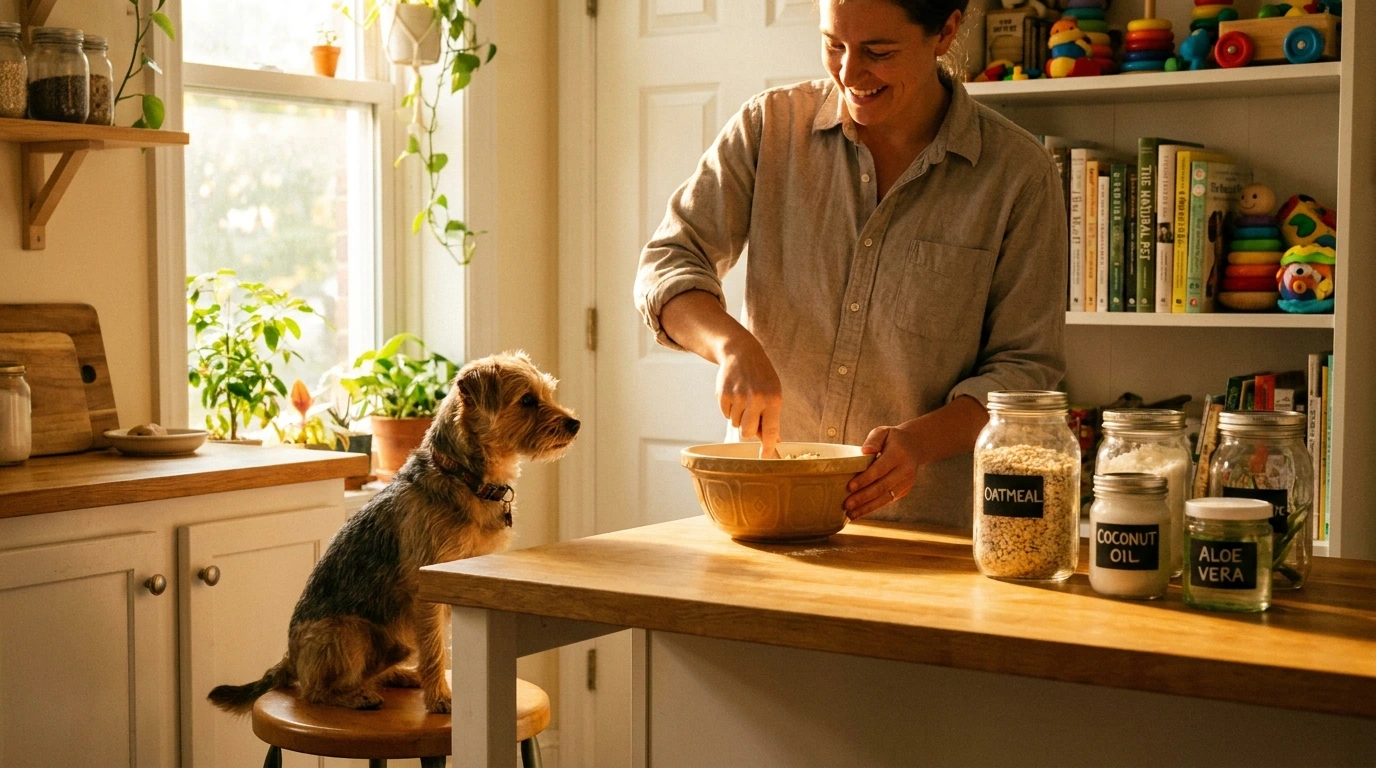
This recipe is perfect for pets with sensitive skin. Oatmeal is known for its soothing properties, while coconut oil provides moisture and shine. Ingredients:
1 cup of oatmeal 1/2 cup of coconut oil 4 cups of warm water
Instructions: 1. Blend the oatmeal in a food processor until it becomes a fine powder. 2. Mix the oatmeal powder, coconut oil, and warm water in a bowl until well combined. 3. Apply the mixture to your pet’s wet coat, massaging it into the skin. 4. Rinse thoroughly with warm water.
Herbal Infused Shampoo
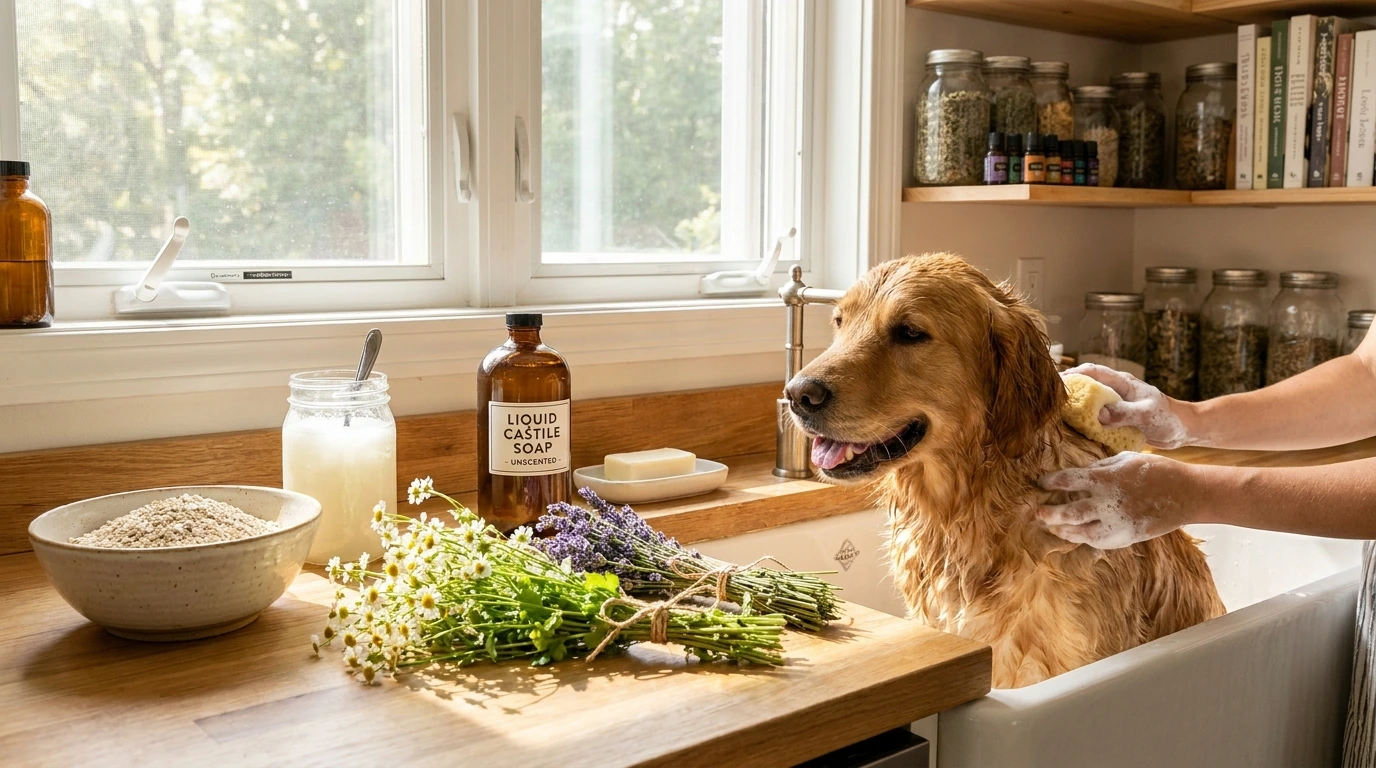
For pets that enjoy the benefits of herbs, this shampoo is a great option. Chamomile and lavender both have calming properties, making this shampoo ideal for anxious pets. Ingredients:
1 cup of distilled water 1/4 cup of dried chamomile flowers 1/4 cup of dried lavender flowers 1 tablespoon of liquid castile soap
Instructions: 1. Boil the distilled water and steep the chamomile and lavender for 30 minutes. 2. Strain the mixture to remove the herbs. 3. Mix the herbal infusion with the liquid castile soap. 4. Use the shampoo as you would any regular shampoo, massaging it into your pet’s coat and rinsing thoroughly.
Apple Cider Vinegar Shampoo
This recipe helps to eliminate odors and can be particularly effective for pets prone to skin infections or pests. Apple cider vinegar has natural antibacterial and antifungal properties. Ingredients:
1 cup of water 1/2 cup of apple cider vinegar 1 tablespoon of liquid castile soap Instructions: 1. Combine all ingredients in a bottle and shake well. 2. Wet your pet’s coat and apply the mixture, massaging it into the fur. 3. Rinse thoroughly to remove all residue.
Tips for Bathing Your Pet
Using your DIY shampoo effectively is just as important as the recipe itself. Here are some tips to ensure a successful bathing experience.
Pre-Bath Preparation
Before bathing your pet, ensure you have all necessary supplies ready. This includes towels, brushes, and your DIY shampoo. Brush your pet’s coat to remove loose hair and tangles, which makes the washing process smoother.
Bathing Technique
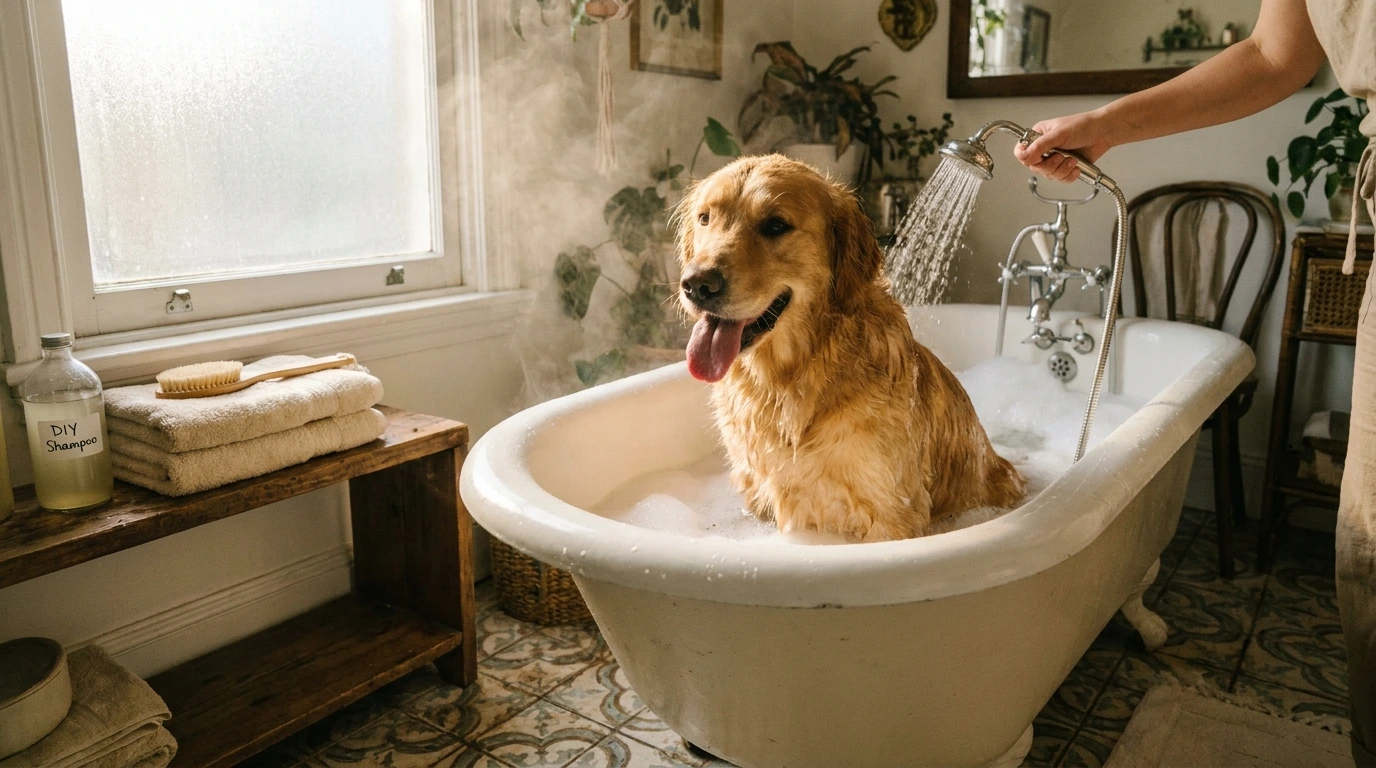
Start by wetting your pet’s coat thoroughly with lukewarm water. Apply the shampoo, starting from the neck and working your way down. Be sure to avoid getting shampoo in their eyes, ears, and mouth. Rinse thoroughly to ensure no residue remains, which can irritate their skin.
FAQs
Can I use human shampoo on my pet?
It is not recommended to use human shampoo on pets, as their skin has a different pH balance. Human shampoos can be too harsh and may cause irritation or dryness.
How often should I bathe my pet?
The frequency of bathing depends on the type of pet and their activity level. Generally, dogs can be bathed every 4-6 weeks, while cats typically require less frequent baths unless they get into something messy.
What should I do if my pet has a reaction to the shampoo?
If your pet shows signs of irritation or an allergic reaction, discontinue use immediately and consult your veterinarian. It’s wise to perform a patch test before using any new product on your pet.
Conclusion
Making your own pet shampoo can be a fulfilling and beneficial practice for both you and your pet. By using natural ingredients tailored to your pet’s specific needs, you can ensure their skin and coat remain healthy. With the recipes provided, you can explore different formulations and find what works best for your furry friend. Remember to gather your supplies, follow the proper bathing techniques, and enjoy the bonding experience during bath time.