
Shedding season can be a challenging time for pet owners, as it often means a flurry of fur around the house. However, with the right grooming tips and techniques, you can manage your pet’s shedding effectively while keeping their coat healthy and your home clean. This comprehensive guide will explore practical grooming strategies that not only reduce shedding but also promote a bond between you and your furry friend.
Understanding Shedding in Pets
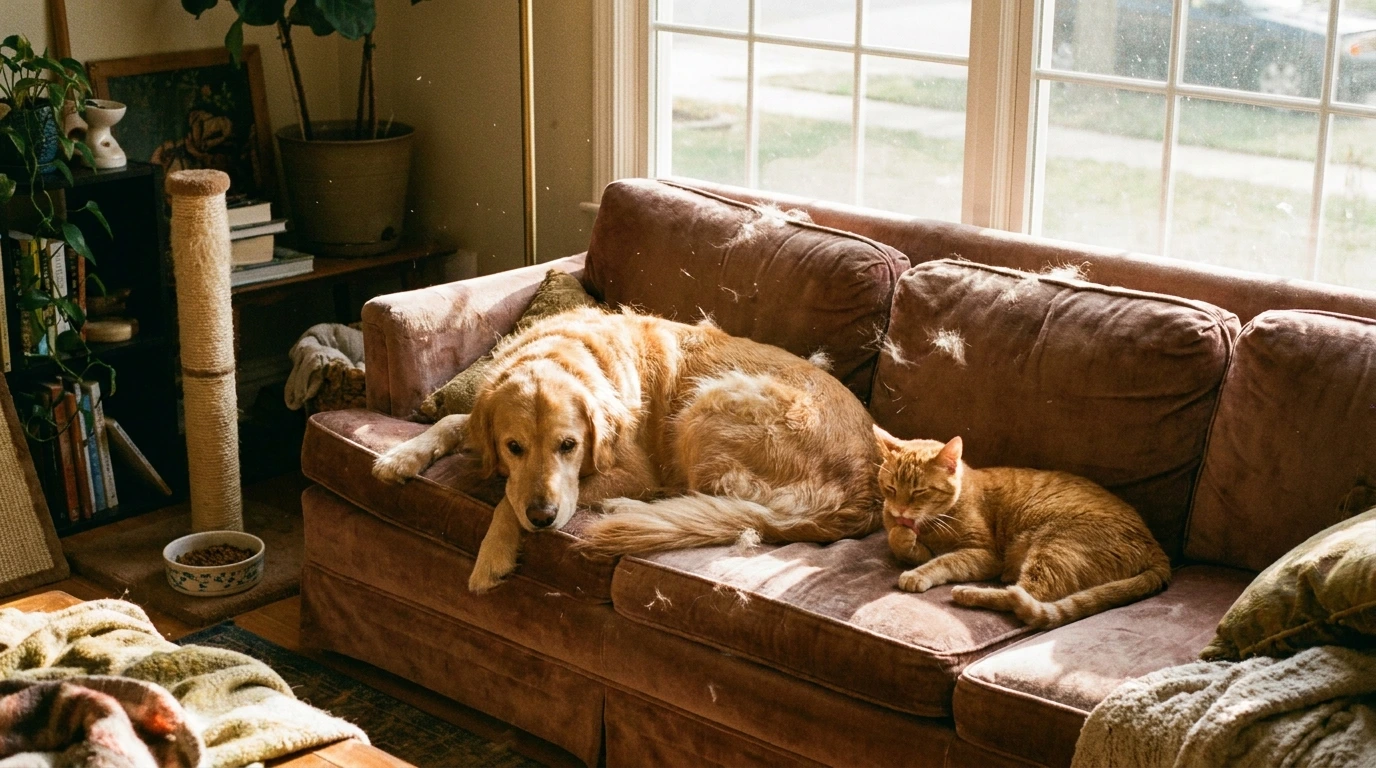
Shedding is a natural process for most pets, particularly dogs and cats. It occurs as a way for animals to remove dead or damaged hair, making way for new growth. However, the amount and frequency of shedding can vary significantly among different breeds and individual pets.
Factors Influencing Shedding
Several factors can affect how much your pet sheds. These include breed characteristics, seasonal changes, diet, and overall health. For instance, double-coated breeds like Golden Retrievers and Siberian Huskies tend to shed more during seasonal transitions, while short-haired breeds may shed throughout the year but in smaller amounts. Additionally, changes in diet or stress can exacerbate shedding, making it crucial to maintain a consistent routine for your pet.
Effective Grooming Techniques
Establishing an effective grooming routine can significantly reduce the amount of fur that ends up on your furniture and floors. Here are some essential grooming techniques to consider during shedding season.
Brushing Regularly
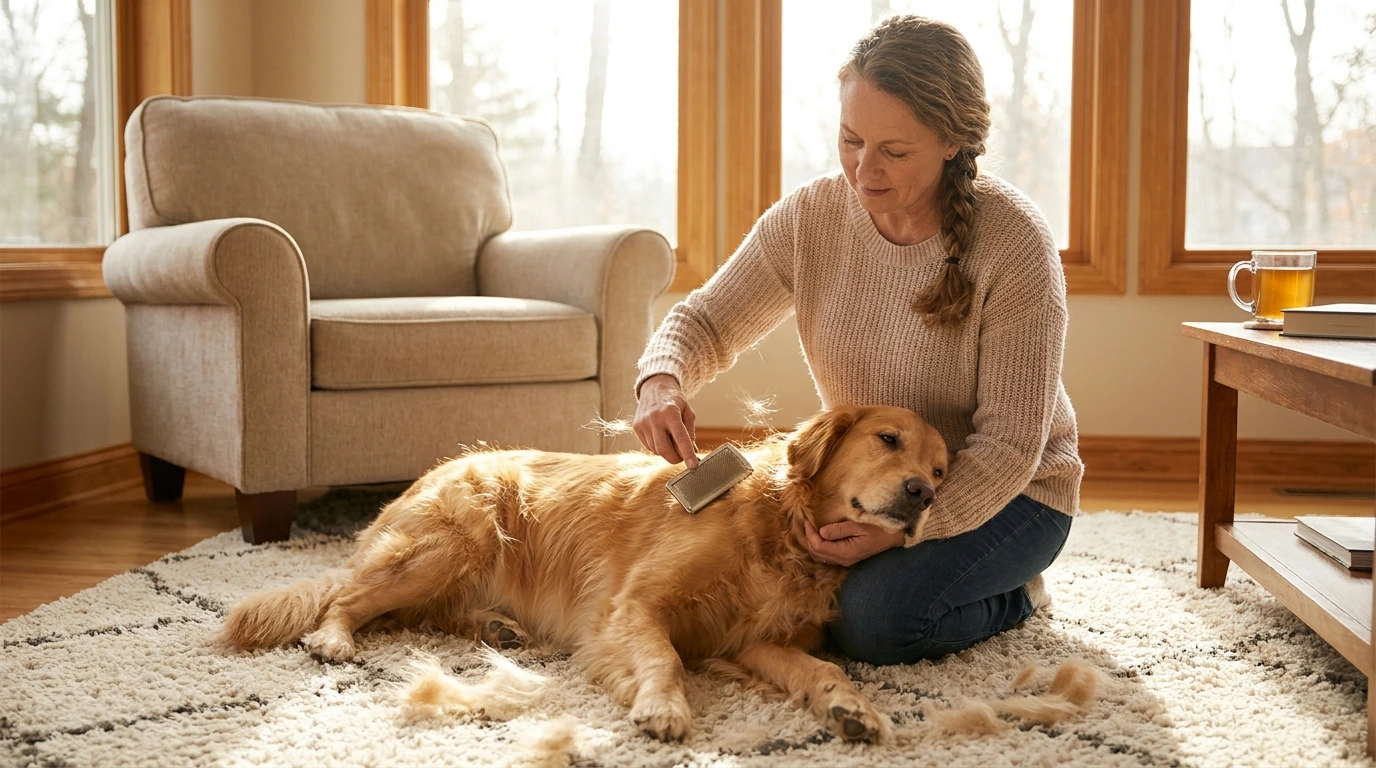
One of the most effective ways to manage shedding is through regular brushing. Depending on your pet’s coat type, you may need different tools. For example, slicker brushes work well for long-haired pets, while bristle brushes are suitable for short-haired varieties. Aim to brush your pet at least two to three times a week, or daily during peak shedding times. This not only removes loose fur but also helps distribute natural oils, resulting in a healthier coat.
Bathing Your Pet
Bathing your pet can also be beneficial during shedding season. A good bath helps loosen dead hair and dirt, making it easier to remove during brushing. Use a mild pet shampoo that suits your pet’s skin type, and make sure to rinse thoroughly to avoid irritation. Bathing should be done every 4 to 6 weeks, or as recommended by your veterinarian, to avoid stripping the coat of essential oils.
Diet and Nutrition Considerations
A well-balanced diet plays a crucial role in maintaining a healthy coat and minimizing shedding. Ensuring your pet receives the right nutrients can significantly impact their skin and fur quality.
Choosing the Right Food
Selecting high-quality pet food rich in Omega-3 and Omega-6 fatty acids can improve coat health. These fatty acids help to maintain skin elasticity and hydration. Consult your veterinarian for recommendations on specific brands or formulations that cater to your pet’s needs, especially if they are experiencing excessive shedding.
Supplements for Coat Health
In addition to a proper diet, you may consider adding supplements that promote coat health. Fish oil supplements are popular for their skin and fur benefits, but always consult your veterinarian before introducing any new supplements to ensure they are appropriate for your pet.

Environmental Factors
Creating a comfortable environment can also help manage shedding. Stress and environmental changes can exacerbate shedding, so it’s essential to provide a stable and comforting space for your pet.
Maintaining Indoor Air Quality
Seasonal changes often mean fluctuations in humidity and temperature, which can affect your pet’s skin health. Using air purifiers can help reduce allergens and dander in your home, contributing to a healthier environment. Additionally, ensure your pet has a cozy spot to relax where they feel safe and secure.
Regular Veterinary Check-ups
Regular visits to the veterinarian can help spot any underlying health issues that may contribute to excessive shedding. Skin infections, allergies, or hormonal imbalances can all lead to increased fur loss. Keeping up with vaccinations and routine health checks can ensure your pet remains in optimal condition.
FAQs
How often should I brush my dog during shedding season?
During shedding season, it is recommended to brush your dog at least two to three times a week or even daily if they are a heavy shedder. This helps remove loose hair and reduces the amount of fur in your home.
Is it normal for my cat to shed more in the spring?
Yes, it is normal for cats to shed more during spring as they transition from their winter coat to a lighter summer coat. Regular grooming can help manage this seasonal shedding.
Can bathing my pet reduce shedding?
Bathing your pet can help loosen dead fur and dirt, making it easier to groom them. However, it should be done with a pet-safe shampoo and not too frequently, as over-bathing can strip natural oils from their coat.
What should I do if my pet’s shedding seems excessive?
If you notice excessive shedding that seems unusual for your pet, it’s best to consult your veterinarian. They can evaluate for any underlying health issues that may be causing the increased fur loss.
Conclusion
Managing shedding season can be a straightforward process with the right grooming techniques, dietary considerations, and environmental adjustments. By establishing a consistent grooming routine, maintaining a balanced diet, and ensuring your pet’s health, you can significantly reduce shedding and keep your home fur-free. Remember, a little effort goes a long way in ensuring your pet’s comfort and well-being, ultimately leading to a happier, healthier life for both you and your furry companion.