
Maintaining your dog’s dental hygiene is crucial for their overall health and well-being. Just like humans, dogs can suffer from dental issues, including plaque buildup and gum disease, which can lead to serious health problems if left untreated. Fortunately, you can brush your dog’s teeth naturally using simple ingredients and techniques that are safe and effective. This guide will explore the importance of dental care for dogs, natural brushing methods, and tips for making the process enjoyable for both you and your furry friend.
The Importance of Dental Care for Dogs
Dental care is often overlooked by pet owners, but it plays a vital role in ensuring your dog’s health. Regular brushing can prevent dental diseases, which are common in dogs and can cause pain and discomfort.
Common Dental Problems in Dogs
Dogs can experience various dental issues, including tartar buildup, periodontal disease, and tooth decay. Tartar is a hard substance formed from plaque that can lead to gum inflammation and infections. Periodontal disease can result in tooth loss and may even affect the heart, liver, and kidneys if bacteria from the mouth enter the bloodstream.
Benefits of Regular Tooth Brushing
Brushing your dog’s teeth regularly can significantly reduce the risk of these dental problems. It helps to remove plaque before it hardens into tartar, keeps the gums healthy, and helps eliminate bad breath. Moreover, a healthy mouth can lead to a healthier overall dog, promoting longevity and quality of life.
Natural Methods for Brushing Your Dog’s Teeth
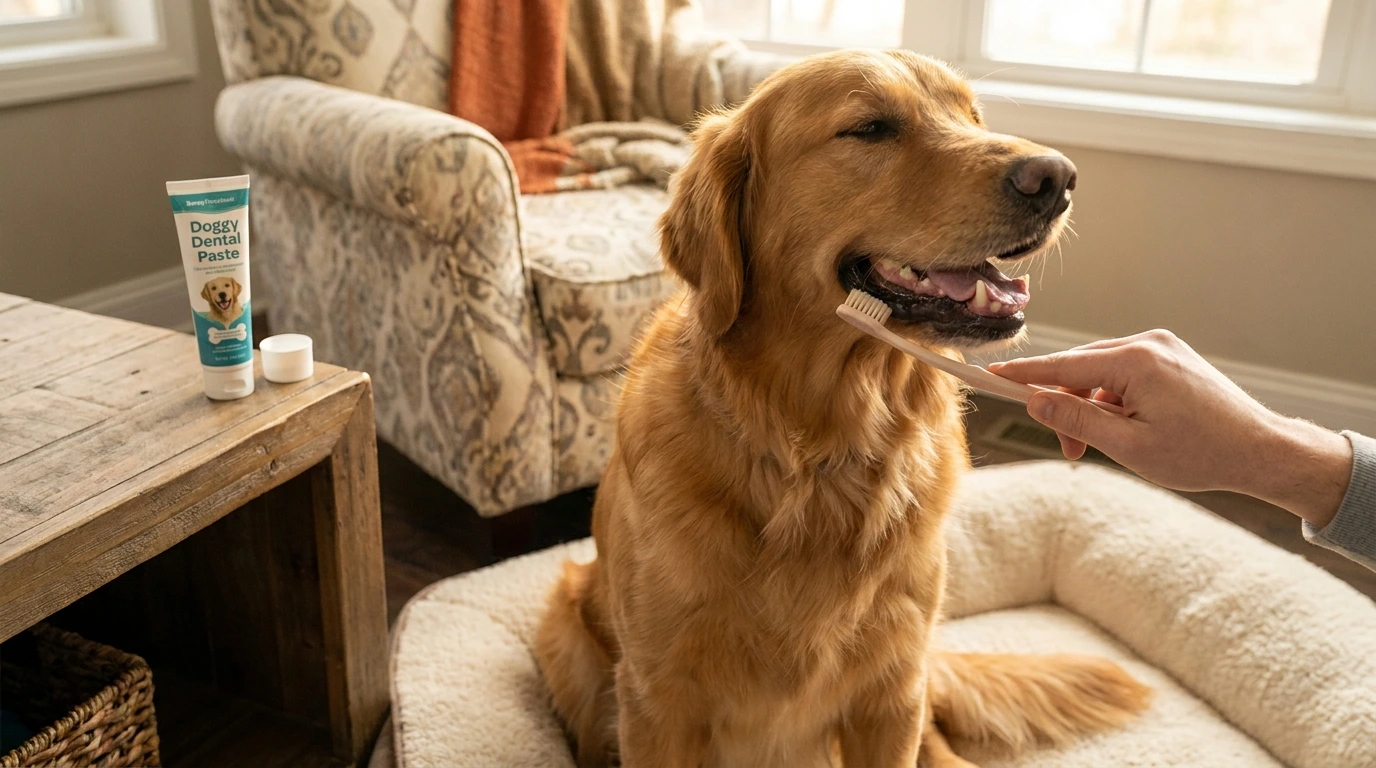
Using natural ingredients for brushing your dog’s teeth can be beneficial and safer than commercial dental products that may contain harmful chemicals. Here are several natural methods to consider.
Homemade Toothpaste Recipes
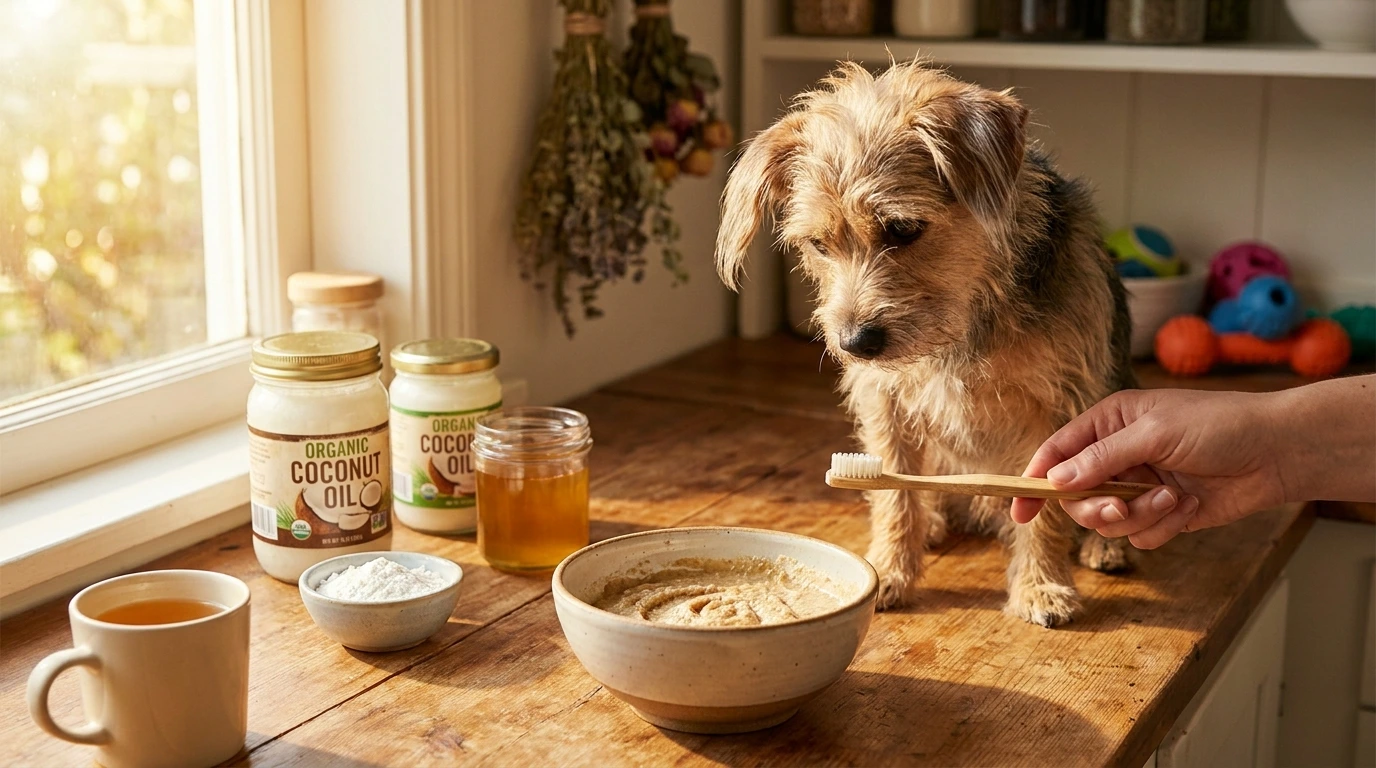
Creating a natural toothpaste for your dog can be simple and inexpensive. Here are two effective recipes:
Coconut Oil and Baking Soda: Mix two tablespoons of coconut oil with one tablespoon of baking soda. This combination helps to remove plaque and has antibacterial properties. Chicken Broth Toothpaste: Combine one cup of low-sodium chicken broth with two tablespoons of coconut oil and one tablespoon of baking soda. This mixture is tasty for dogs and effective in cleaning their teeth.
Choosing the Right Toothbrush
Selecting an appropriate toothbrush is essential for effective brushing. You can use a soft-bristled toothbrush designed for pets or a finger brush that allows you to control the pressure applied to your dog’s teeth. Ensure that the size of the brush fits comfortably in your dog’s mouth to reach all areas effectively.
Tips for Successful Tooth Brushing
Establishing a regular tooth brushing routine can be challenging, but there are several strategies to make it easier and more enjoyable for your dog.
Start Slowly and Gradually
Introduce your dog to the brushing process gradually. Begin by allowing them to taste the toothpaste. Once they are comfortable with the flavor, gently lift their lips to expose their teeth. Start by brushing just a few teeth and gradually work up to a full brushing session.
Make It a Positive Experience
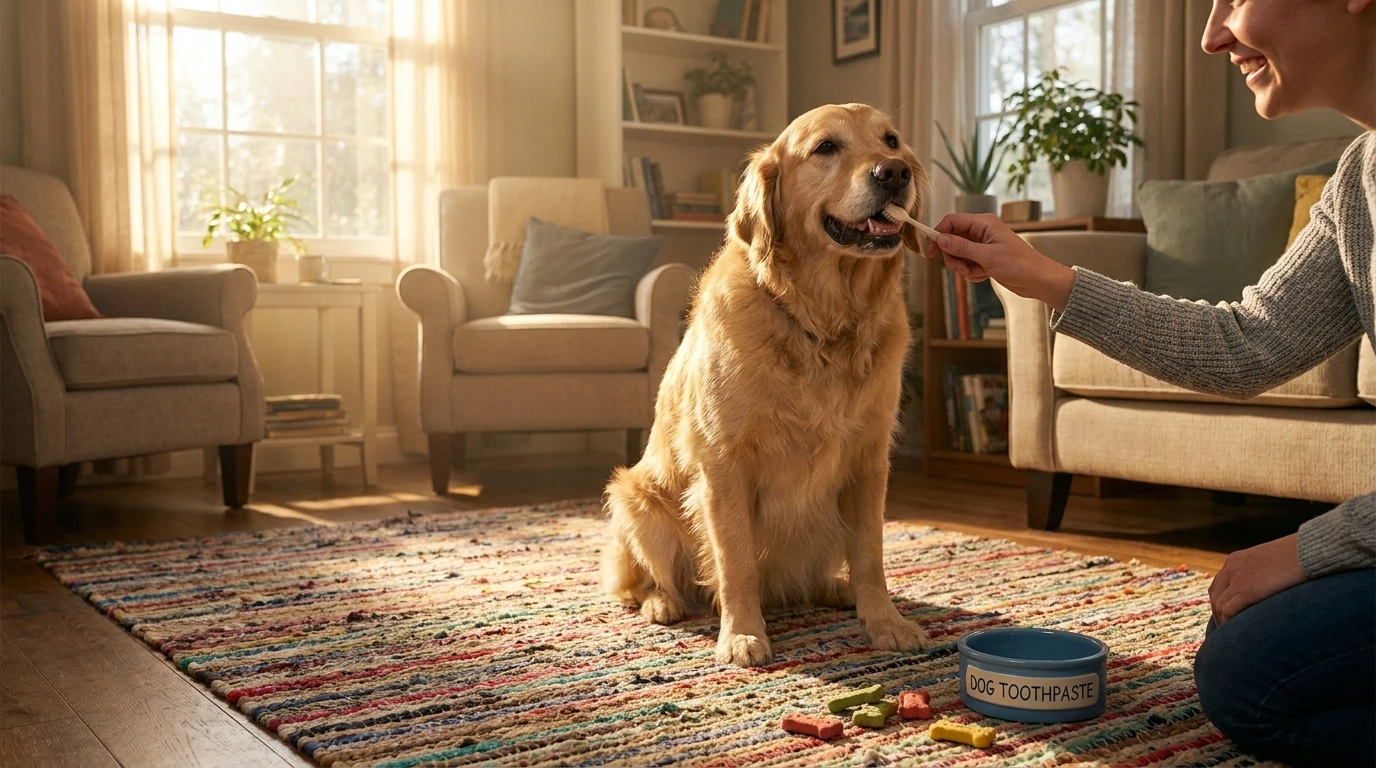
Use positive reinforcement, such as treats and praise, to encourage your dog during brushing sessions. Make the experience enjoyable by incorporating playtime or a favorite toy afterward, creating a positive association with tooth brushing.
Establish a Routine
Consistency is key in dental care. Try to brush your dog’s teeth at least two to three times a week. Choose a specific time of day to make it part of your dog’s routine, whether it’s after a walk or before bedtime.
Additional Natural Dental Care Practices
In addition to regular brushing, there are other natural practices to maintain your dog’s dental health.
Dental Chews and Toys
Provide your dog with dental chews and toys designed to help clean teeth while they chew. Look for products made from natural ingredients that are safe for dogs. Chewing can help reduce plaque and tartar buildup and keep their gums healthy.
Healthy Diet for Dental Health
A balanced diet plays a significant role in your dog’s dental health. Feeding your dog high-quality kibble can help promote oral hygiene, as the crunchiness can assist in scraping away plaque. Additionally, incorporating fresh vegetables like carrots can provide natural cleaning benefits.
FAQs
How often should I brush my dog’s teeth?
It is recommended to brush your dog’s teeth at least two to three times a week. Daily brushing is ideal for optimal dental health.
Can I use human toothpaste on my dog?
No, human toothpaste contains fluoride and other ingredients that can be harmful to dogs. Always use toothpaste specifically formulated for pets.
What are the signs of dental problems in dogs?
Common signs of dental issues include bad breath, difficulty eating, swollen gums, and excessive drooling. If you notice these symptoms, consult a veterinarian.
Are there any natural alternatives to brushing my dog’s teeth?
Yes, dental chews, toys, and certain foods can help maintain oral hygiene. However, these should complement regular brushing rather than replace it.
Conclusion
Brushing your dog’s teeth naturally is an essential part of their health care routine. By using homemade toothpaste, choosing the right tools, and establishing a consistent brushing schedule, you can significantly improve your dog’s dental health. Additionally, incorporating other natural practices will ensure your furry friend enjoys a clean mouth and a happy life. Prioritizing dental hygiene can lead to a longer, healthier life for your dog, reinforcing the bond you share through care and attention.