
Keeping your pet’s ears clean is an essential part of their overall health and hygiene. Regular ear cleaning can help prevent infections, discomfort, and other ear-related issues that can affect your furry friend. In this article, we’ll explore the importance of pet ear cleaning at home, the steps you should take, and tips for ensuring the process is safe and effective. With the right knowledge and tools, you can maintain your pet’s ear health and provide them with the comfort they deserve.
Understanding the Importance of Ear Cleaning
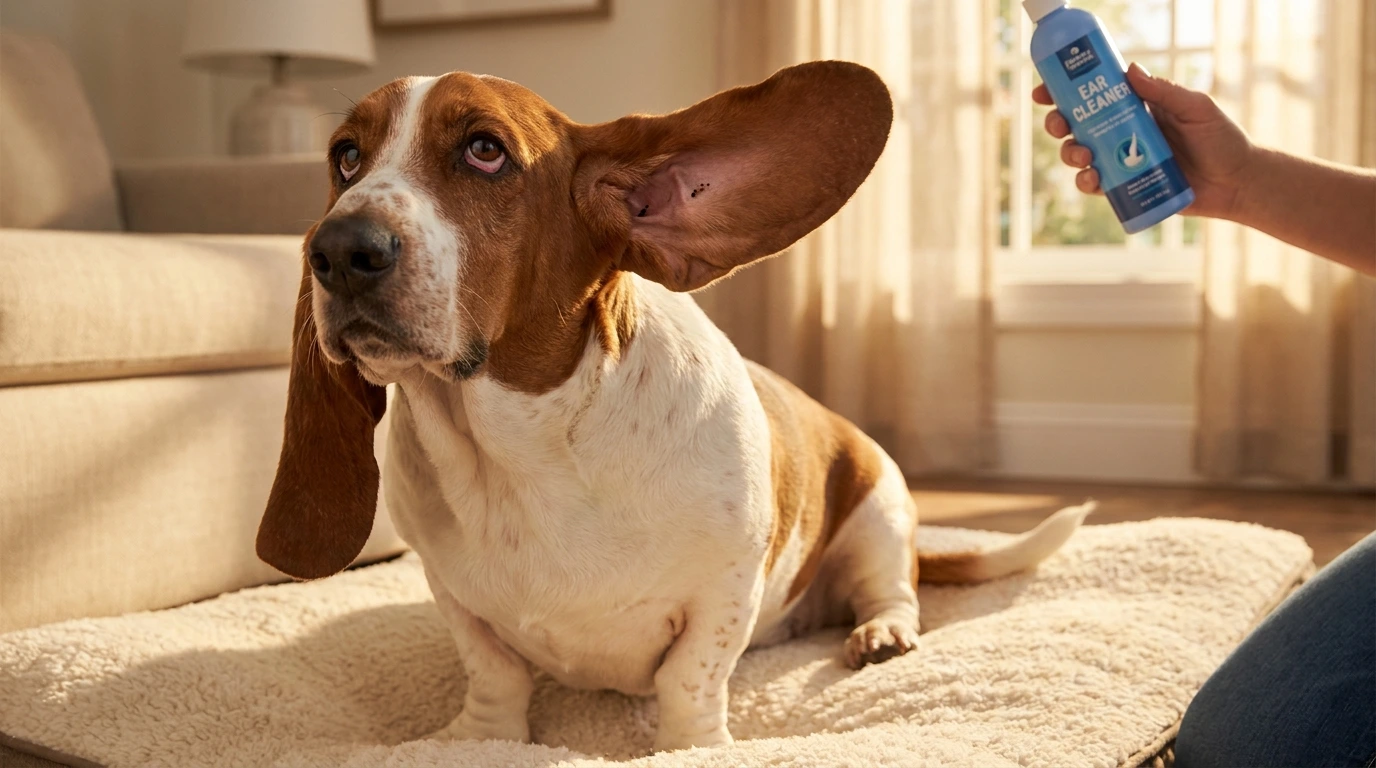
Regular ear cleaning is vital for pets, particularly those with long or floppy ears. These types of ears can trap moisture and debris, creating an environment conducive to infections. Cleaning your pet’s ears can help you detect early signs of potential problems, such as excessive wax buildup or inflammation.
Common Ear Problems in Pets
Pets can experience various ear issues, including ear infections, mites, and allergies. Ear infections often occur due to bacteria or yeast overgrowth, which can result from moisture trapped in the ear canal. Ear mites, on the other hand, are tiny parasites that can cause intense itching and discomfort. Allergies may also contribute to inflammation and excessive scratching, leading to further complications.
Gathering the Right Supplies
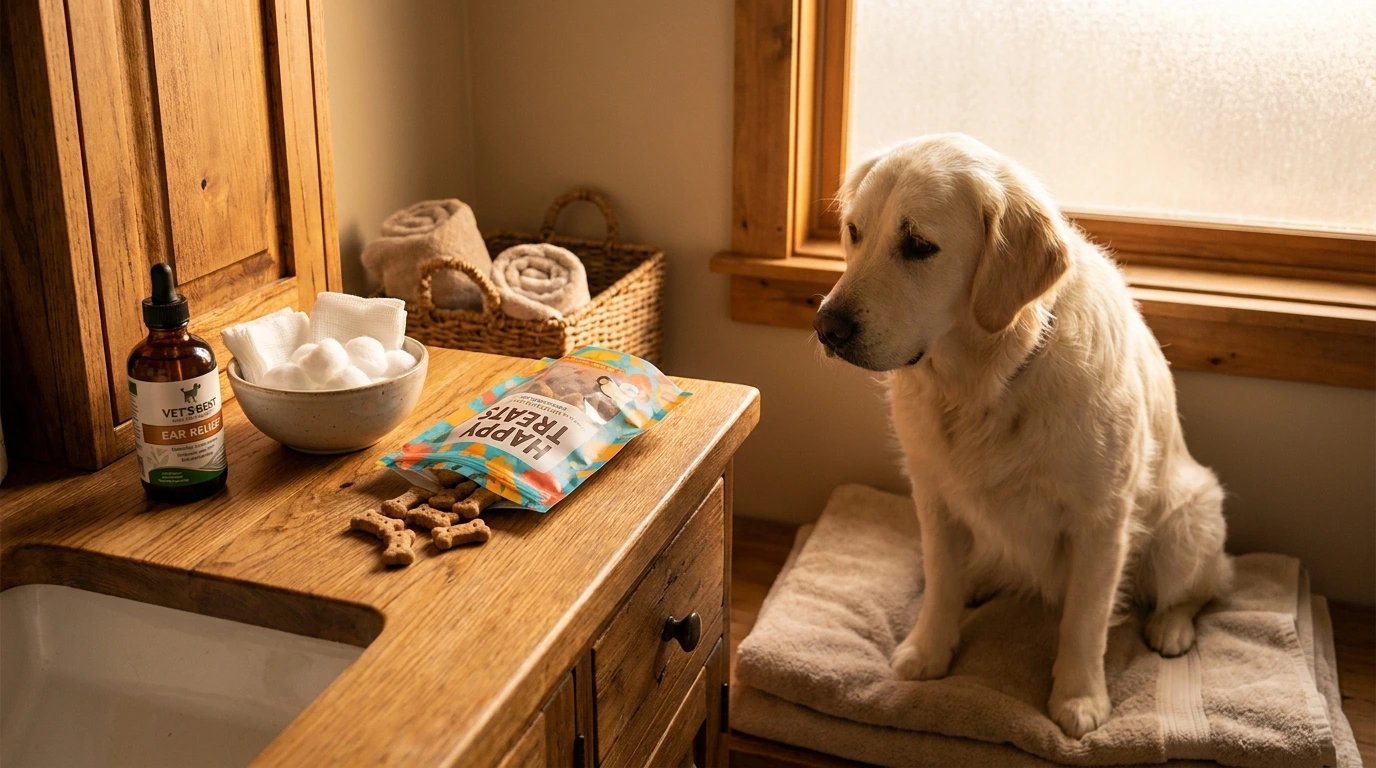
Before you start cleaning your pet’s ears, it is essential to have the right tools on hand. This will ensure the process is efficient and safe. Here are the key supplies you will need:
Essential Cleaning Supplies
Veterinarian-recommended ear cleaner: Always choose a product specifically designed for pets, as human products can be harmful. Cotton balls or gauze pads: These will be used to wipe out debris and excess cleaner from the ear. Treats: Having treats on hand will help reward your pet for their cooperation during the process. Towel: This can help contain any mess and provide comfort to your pet.
Step-by-Step Ear Cleaning Process
Cleaning your pet’s ears at home doesn’t have to be a daunting task. By following these simple steps, you can make the process smooth for both you and your pet.
Step 1: Prepare Your Pet
Start by creating a calm environment. Ensure your pet is comfortable, and consider having someone assist you to hold the pet if they are anxious. Gently pet them and speak soothingly to ease any tension.
Step 2: Inspect the Ears
Before applying any cleaner, take a moment to inspect your pet’s ears. Look for any signs of redness, swelling, or excessive wax. If you notice any abnormality, consult your veterinarian before proceeding.
Step 3: Apply the Ear Cleaner
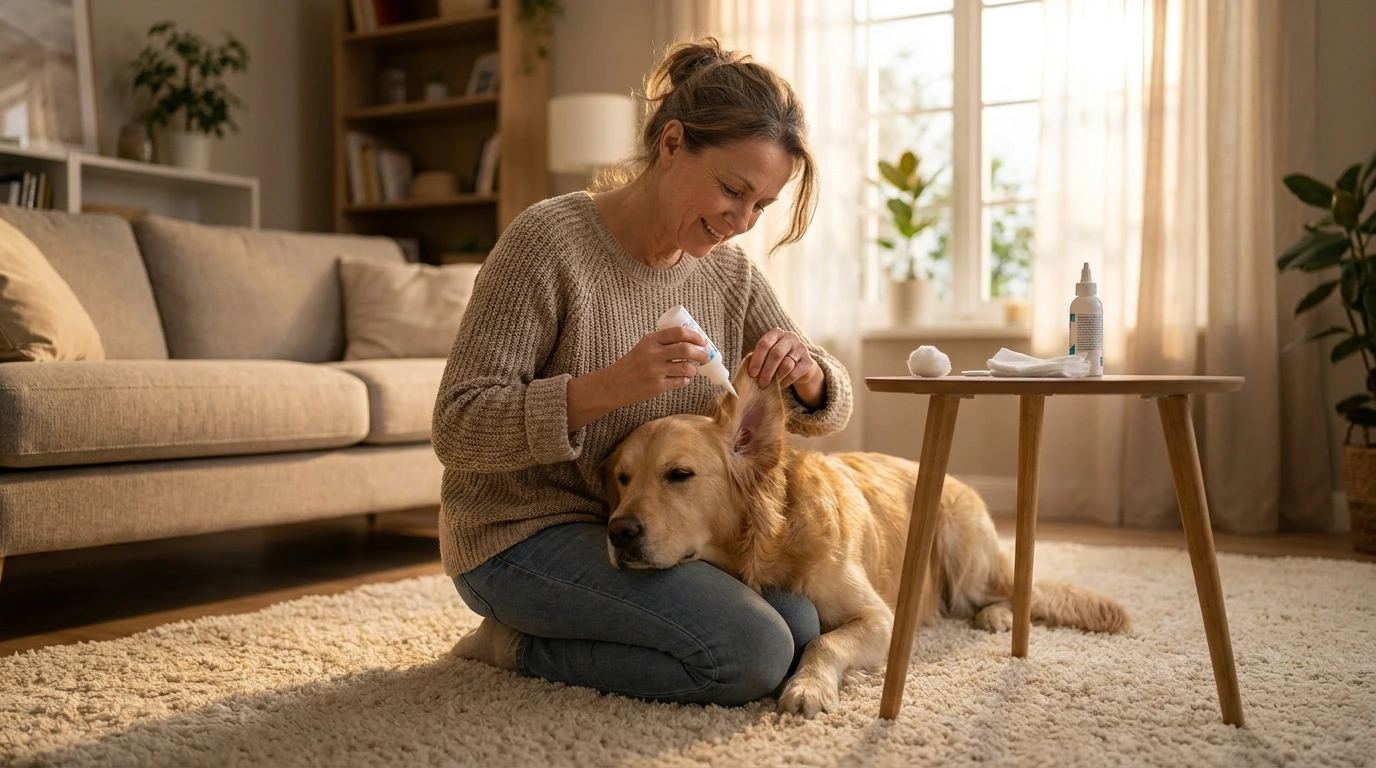
Following the instructions on the product, apply the ear cleaner into the ear canal. Be careful not to insert the applicator too deeply, as this can cause pain or injury. Most products require you to hold the ear flap upright to allow the cleaner to flow down into the canal effectively.
Step 4: Massage the Ear
Gently massage the base of the ear for about 30 seconds. This helps to break down wax and debris. You may hear a squishing sound, which is normal and indicates the cleaner is working.
Step 5: Wipe Away Debris
Using a cotton ball or gauze pad, carefully wipe out the ear canal. Avoid using cotton swabs, as they can push debris further into the ear. Continue wiping until no more dirt or wax is visible.
Step 6: Reward Your Pet
After cleaning, reward your pet with a treat and plenty of praise. This positive reinforcement makes future ear cleanings easier for both of you.
Frequency of Ear Cleaning
The frequency of ear cleaning can depend on your pet’s breed, activity level, and overall health. Generally, it is advisable to clean your pet’s ears every 2 to 4 weeks. However, pets that are prone to ear infections may require more frequent cleanings. Always consult with your veterinarian for personalized recommendations based on your pet’s needs.
Signs Your Pet Needs Immediate Attention
If you observe any of the following signs, it may indicate a more serious problem, and you should seek veterinary assistance promptly:
Unpleasant odor from the ears Excessive scratching or rubbing of the ears Discharge that is yellow, brown, or bloody Swelling or redness in the ear canal
FAQs
Can I use human ear cleaning products on my pet?
No, you should never use human ear cleaning products on pets. These products can contain ingredients that are harmful to animals. Always opt for ear cleaners specifically designed for pets.
How can I tell if my pet’s ears are dirty?
Signs of dirty ears may include a foul odor, visible wax buildup, or excessive scratching at the ears. If you notice these signs, it’s time for a cleaning.
What should I do if my pet resists ear cleaning?
If your pet is resistant, try to make the experience positive. Use treats, speak softly, and take breaks if needed. If they continue to resist, consult your veterinarian for advice.
Is it safe to clean my pet’s ears at home?
Yes, it is safe to clean your pet’s ears at home as long as you follow the proper steps and use veterinarian-recommended products. If you have concerns, always consult with a professional first.
Conclusion
Regular ear cleaning is an integral part of pet care that can significantly contribute to your pet’s health and comfort. By understanding the process, gathering the right supplies, and following the proper steps, you can ensure your pet’s ears stay clean and healthy. Remember to consult with your veterinarian if you notice any unusual signs or if you’re unsure about your cleaning routine. With consistent care, you can help prevent ear problems and keep your furry friend happy.