
Establishing a dog bathing routine at home is essential for maintaining your pet’s hygiene and overall health. Regular baths not only keep your dog looking clean and fresh but also prevent skin issues and reduce allergens in your living environment. In this article, we will guide you through an effective dog bathing routine, covering everything from preparation to post-bath care, ensuring a smooth and enjoyable experience for both you and your furry friend.
Preparing for the Bath
Before you begin bathing your dog, proper preparation is crucial to ensure a stress-free experience. Gathering the right supplies and creating an appropriate bathing environment can make all the difference.
Gather Necessary Supplies
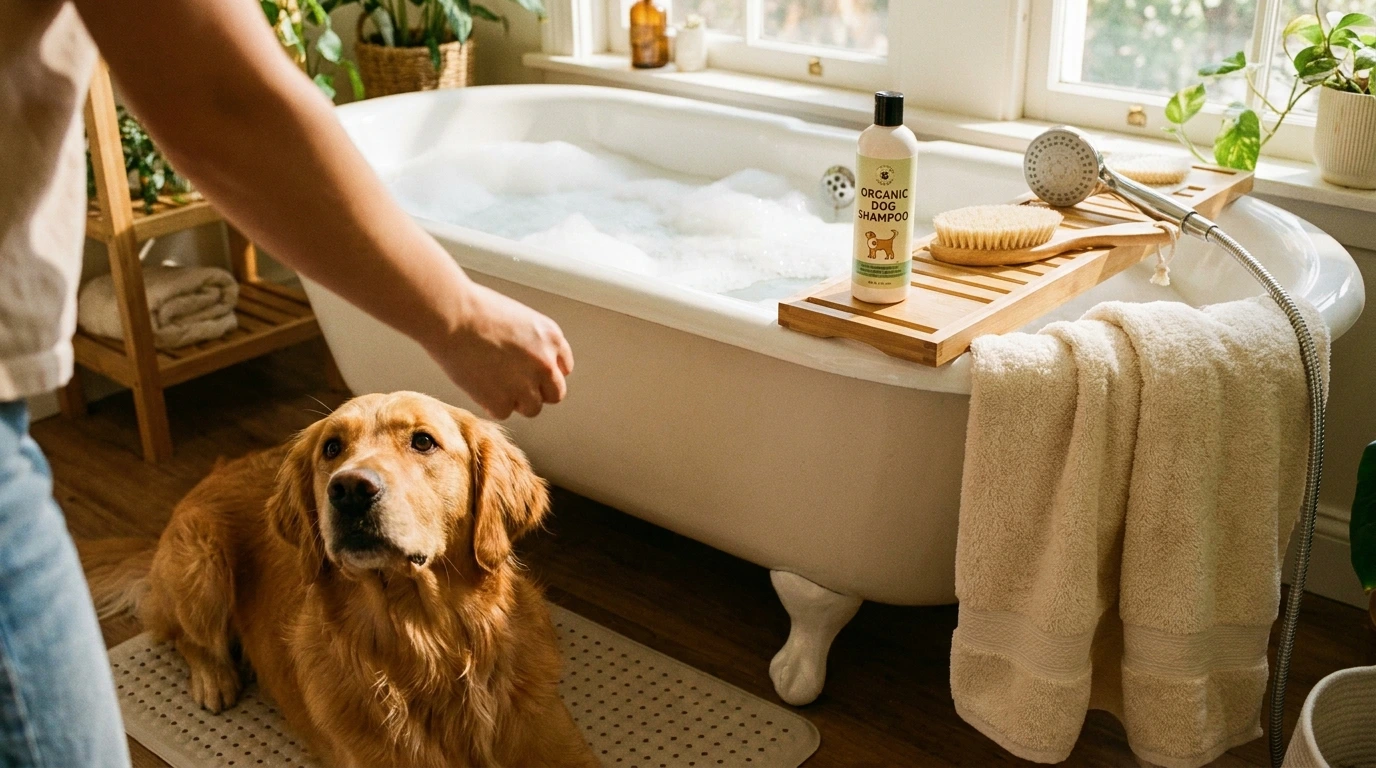
Having the right tools on hand will streamline the bathing process. Essential supplies include dog shampoo, a brush, towels, and a non-slip mat. Dog-specific shampoos are important as human products can irritate your dog’s skin. Consider having a detachable showerhead or a cup for rinsing, as well as treats for positive reinforcement.
Choose the Right Location
Select a comfortable bathing location, such as a bathtub, shower, or outdoor space. Ensure the area is safe and free from distractions. If you’re bathing your dog outside, warm, sunny weather is ideal, but if you choose indoors, ensure the bathroom is warm enough to keep your dog comfortable.
Bathing Techniques
Bathing your dog requires technique to ensure safety and comfort. Following a systematic approach will not only make the process easier but will also reduce anxiety for your pet.
Brushing Before the Bath
Before applying water, brush your dog to remove loose fur and tangles. This is especially important for long-haired breeds, as it can prevent matting. Brushing also helps to distribute natural oils throughout the coat, promoting a healthy shine.
Water Temperature and Application
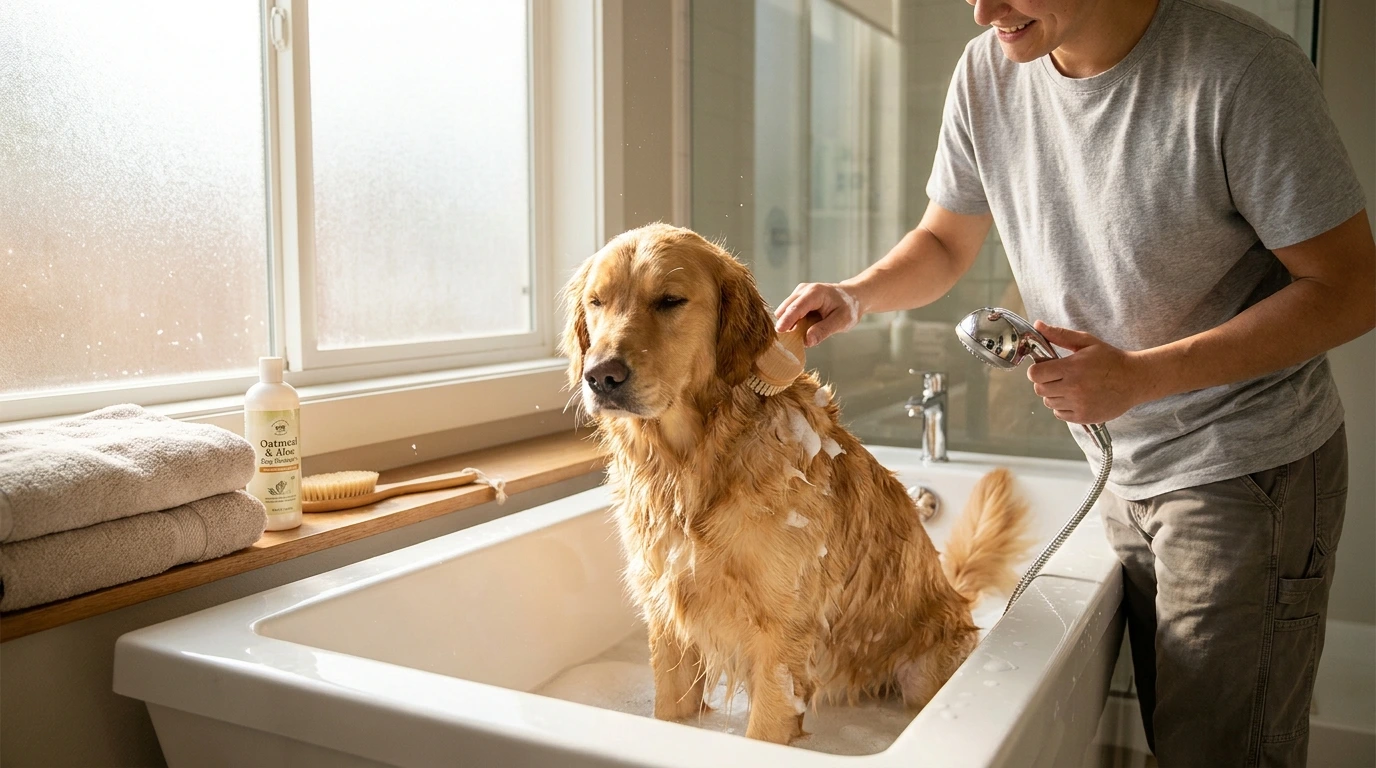
When you’re ready to bathe your dog, ensure the water temperature is lukewarm. Test the water with your wrist to avoid scalding your pet. Gently wet your dog’s coat, starting from the neck and working your way down. Avoid spraying water directly on the head and ears to prevent discomfort.
Shampooing and Rinsing
Apply a small amount of dog shampoo, working it into a lather from the neck down. Be cautious around your dog’s eyes and ears. Rinse thoroughly to remove all shampoo remnants, as leftover product can irritate the skin. Repeat shampooing if necessary, especially for dogs with strong odors or heavy dirt.
Drying Techniques
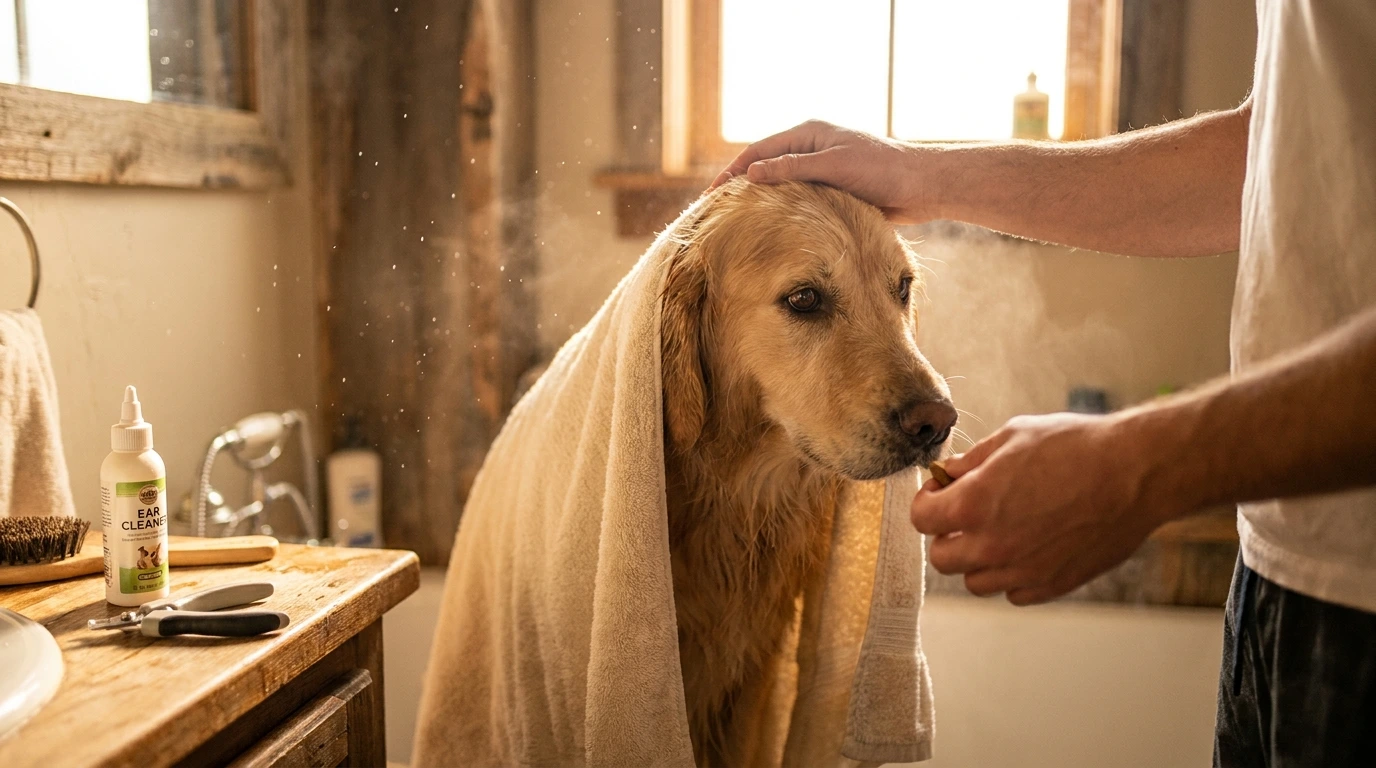
After rinsing, gently towel dry your dog to remove excess water. If your dog is comfortable with it, you can use a hairdryer on a low setting, keeping it at a safe distance. Always monitor your dog for signs of stress during this process. If your dog is fearful of the dryer, stick to towel drying and allow them to air dry in a warm environment.
Post-Bath Care
Post-bath care is an important aspect of your dog’s bathing routine. This not only includes drying but also ensuring your pet is comfortable and well-groomed.
Checking Ears and Nails
After bathing, take the opportunity to check your dog’s ears for wax buildup or dirt. Use a dog-specific ear cleaner if necessary. Also, inspect their nails and trim them if they are too long. Regular nail trimming can prevent discomfort and potential injuries.
Rewarding Your Dog
Always reward your dog after a bath with treats or praise. This positive reinforcement helps them associate bath time with a pleasant experience. Gradually, your dog may begin to look forward to bath time rather than dread it.
How Often Should You Bathe Your Dog?
The frequency of bathing your dog depends on several factors, including breed, coat type, and lifestyle. Generally, dogs should be bathed every 4 to 6 weeks, but some breeds may require more frequent baths, while others may need them less often.
Signs Your Dog Needs a Bath
Look for signs that your dog may need a bath, such as an unpleasant odor, excessive scratching, or visible dirt on their coat. If your dog rolls in something smelly or gets particularly muddy, it’s time for a bath regardless of the schedule.
FAQs
Can I use human shampoo on my dog?
No, it is not advisable to use human shampoo on dogs. Human shampoos can disrupt the natural pH balance of your dog’s skin, leading to dryness and irritation. Always use a shampoo specifically formulated for dogs.
What if my dog is afraid of baths?
If your dog is afraid of baths, start by getting them used to the bathing area. Use treats and praise to create a positive association. Gradually introduce water without immediately bathing them. Patience and positive reinforcement are key in overcoming their fear.
Is it necessary to bathe my dog in winter?
Yes, it is still necessary to bathe your dog in winter, especially if they get dirty. However, ensure the bathing area is warm and dry to prevent them from becoming too cold after the bath. Use a towel to dry them thoroughly and keep them indoors until they are completely dry.
Conclusion
Establishing a consistent dog bathing routine at home is vital for your pet’s hygiene and well-being. By preparing adequately, using proper techniques, and providing post-bath care, you can create a positive experience for your dog. Regular baths not only enhance your dog’s appearance but also contribute to their overall health. Remember to adjust the frequency of baths based on your dog’s specific needs, and always prioritize their comfort throughout the process. With the right approach, bath time can become a stress-free and enjoyable activity for both you and your furry companion.