
Grooming small dogs at home can be a rewarding experience for both you and your furry friend. Not only does regular grooming keep your pet looking their best, but it also promotes good health and strengthens the bond between you. In this article, we’ll explore practical tips and techniques to effectively groom small dogs, ensuring they remain clean, comfortable, and happy.
Understanding Your Dog’s Grooming Needs
Before you begin grooming your small dog, it’s essential to understand their specific needs. Different breeds have varying coat types, which can influence the grooming products and techniques you choose.
Coat Types and Grooming Requirements
Small dogs can have a range of coat types, including long, short, curly, and wiry. For example, breeds like the Shih Tzu and Maltese have long hair that requires regular brushing to prevent matting. In contrast, breeds like the Chihuahua or Dachshund have shorter coats that may only require occasional brushing. Understanding your dog’s breed and coat type will help you determine the appropriate grooming schedule and tools.
The Importance of Regular Grooming
Regular grooming is crucial for the health of your dog. It helps to remove dirt, debris, and loose hair, reducing the risk of skin infections. Additionally, grooming provides an opportunity to check for parasites like fleas and ticks. Regularly brushing your dog can also help to distribute natural oils, promoting a shiny and healthy coat.
Essential Grooming Tools for Small Dogs
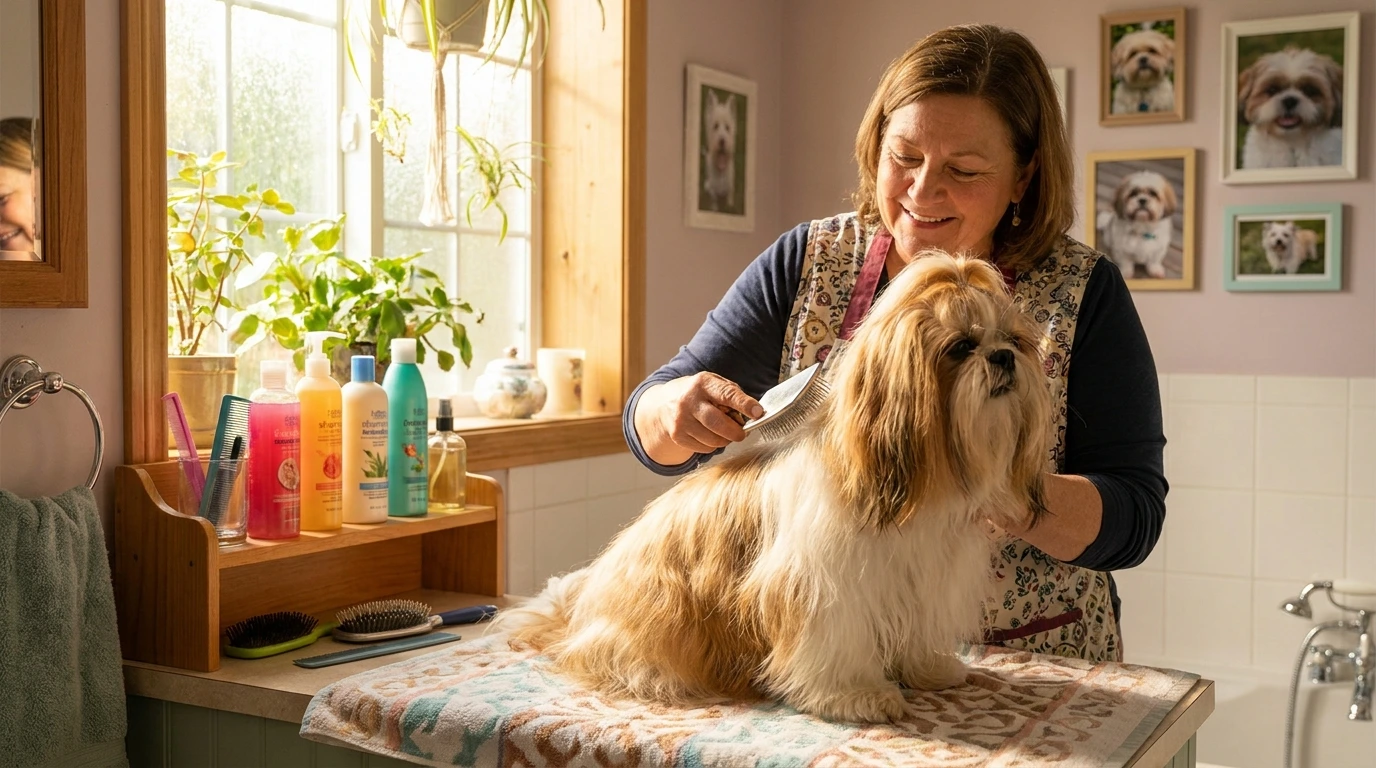
Having the right tools on hand can make grooming your small dog much easier and more effective. Here are some essential grooming tools you should consider:
Brushes and Combs
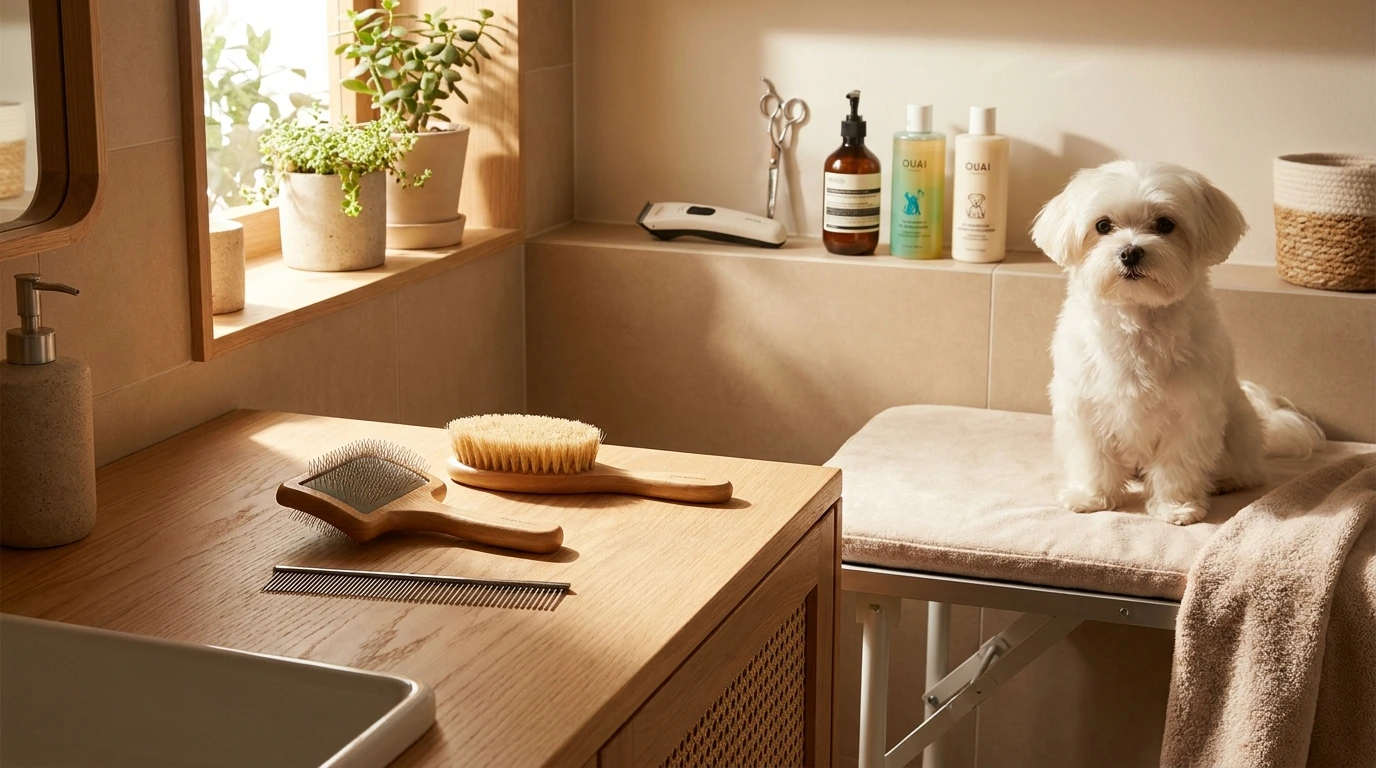
Invest in a good-quality brush that suits your dog’s coat type. For long-haired dogs, a slicker brush is often ideal, while short-haired breeds may benefit from a bristle brush. A comb can also be useful for detangling knots and checking for parasites.
Clippers and Scissors
If your dog requires a trim, a pair of dog clippers or scissors designed for grooming will be necessary. Look for clippers that are quiet and have adjustable blade lengths to accommodate different grooming needs. Always use scissors with rounded tips to ensure safety while trimming around sensitive areas.
Shampoos and Conditioners
Select a dog-specific shampoo and conditioner that suits your dog’s skin type. Avoid human products, as they can cause irritation. If your dog has sensitive skin or allergies, consider hypoallergenic formulas. Regular baths with the right products will keep their coat clean and healthy.
Step-by-Step Grooming Process
Grooming your small dog can be broken down into several manageable steps. Following this process can ensure that your pet remains calm and comfortable throughout the grooming session.
Brushing
Start by brushing your dog’s coat thoroughly to remove any tangles or loose hair. Work in sections, starting from the head and moving towards the tail. Be gentle and patient, especially if your dog becomes anxious. Use treats and praise to create a positive association with grooming.
Bathing
Once the brushing is complete, it’s time for a bath. Ensure the water is warm but not hot, and wet your dog gradually to avoid startling them. Apply the dog shampoo and lather well, taking care to avoid the eyes and ears. Rinse thoroughly to remove all shampoo residue and follow up with a conditioner if necessary.
Drying
After the bath, gently towel dry your dog to remove excess moisture. For dogs with longer hair, a pet-safe blow dryer on a low setting can be used, keeping it at a safe distance to prevent overheating. Make sure your dog is comfortable with the noise before using a blow dryer.
Nail Trimming
Regular nail trimming is an essential part of grooming. Use a specialized dog nail clipper to trim the tips of your dog’s nails, being careful not to cut too close to the quick, which can cause bleeding. If you’re unsure, consider having a professional groomer demonstrate the process before attempting it at home.
Ear Cleaning and Teeth Brushing
Check your dog’s ears for dirt or wax build-up and clean them gently with a damp cotton ball or a vet-recommended ear cleaner. Regular dental care is also important; brush your dog’s teeth using toothpaste formulated for dogs to help maintain oral health.
Creating a Comfortable Grooming Environment
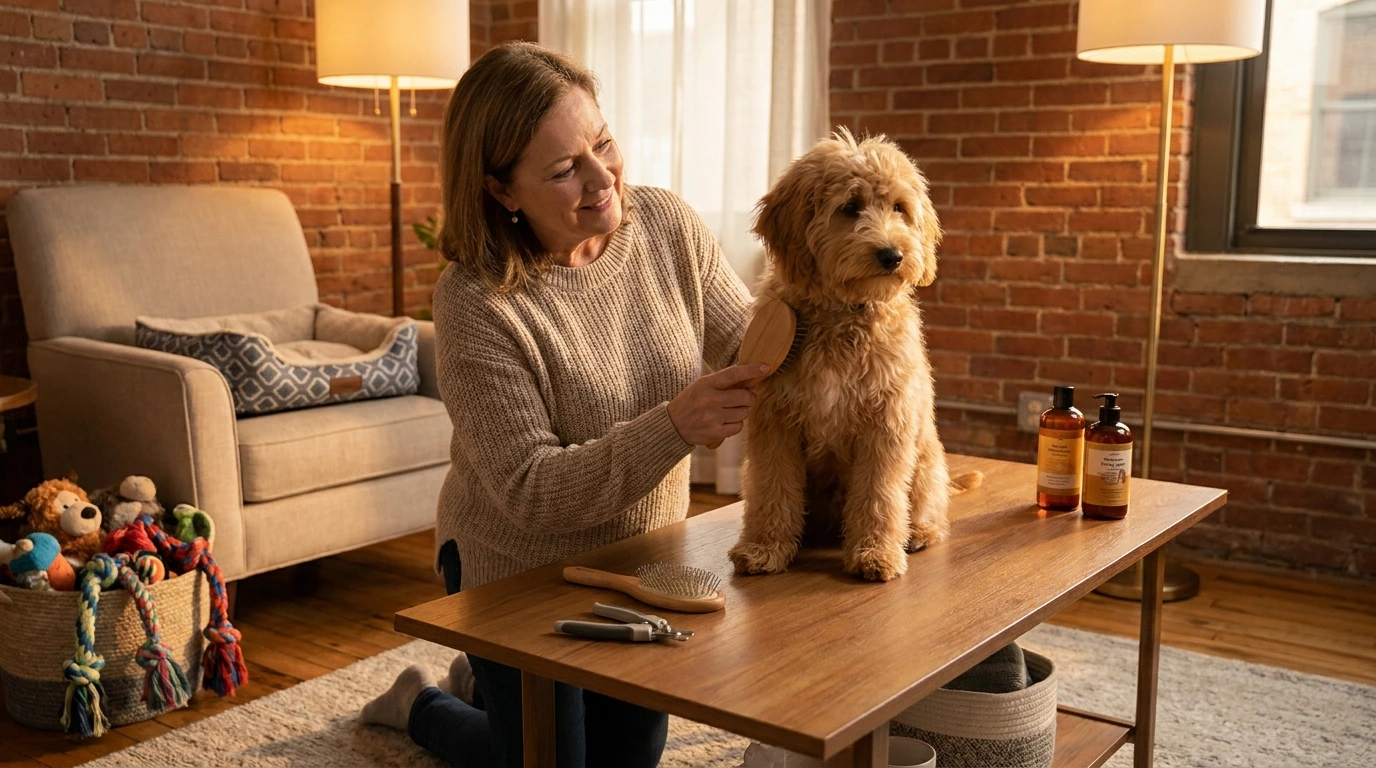
Creating a calm and comfortable space for grooming can significantly improve your dog’s experience. Here are some tips to make grooming time enjoyable:
Choosing the Right Location
Select a quiet area free from distractions where your dog feels safe. A non-slip surface can help prevent accidents, and using a grooming table or mat can provide a designated grooming space. Ensure your dog is familiar with the area to reduce anxiety.
Using Positive Reinforcement
Incorporate treats, praise, and toys into the grooming process. Offering positive reinforcement can help your dog associate grooming with enjoyable experiences, making future sessions more manageable. Take breaks if your dog shows signs of stress, and return to grooming when they are calm.
FAQs
How often should I groom my small dog?
The frequency of grooming depends on your dog’s breed and coat type. Long-haired dogs may require grooming every few days, while short-haired breeds might only need grooming once a week. Regular brushing will help keep your dog comfortable and reduce shedding.
Can I use human shampoo on my dog?
No, it is not advisable to use human shampoo on dogs, as it can disrupt their skin’s pH balance and cause irritation. Always use products specifically designed for dogs to ensure their safety and comfort.
What should I do if my dog hates grooming?
If your dog dislikes grooming, start slowly by introducing them to the tools and the grooming area. Use treats and praise to create positive associations. Gradually increase the duration of grooming sessions, and consider consulting a professional groomer for tips.
Is it necessary to take my dog to a professional groomer?
While many owners successfully groom their dogs at home, some breeds may require specialized grooming that is best performed by professionals. If you’re unsure about your grooming abilities or your dog’s specific needs, seeking professional help is a good option.
Conclusion
Grooming small dogs at home can be a fulfilling task that enhances your pet’s health and well-being. By understanding your dog’s grooming requirements, using the right tools, and following a structured grooming routine, you can keep your furry friend looking and feeling their best. With patience, positive reinforcement, and a comfortable environment, both you and your dog can enjoy the grooming experience together. Regular grooming not only keeps your dog clean but also strengthens the bond between you, making it a valuable part of your pet care routine.