
Keeping your pet well-groomed is essential for their health and well-being. A regular grooming routine not only enhances your pet’s appearance but also helps prevent health issues. Whether you are a seasoned pet owner or a first-time caregiver, having the right grooming supplies is crucial. This comprehensive checklist will ensure you have all the necessary tools to keep your furry friend looking and feeling their best.
Essential Grooming Tools
The foundation of any effective grooming routine lies in having the right tools. Here are the essential items you need to have on hand.
Brushes and Combs
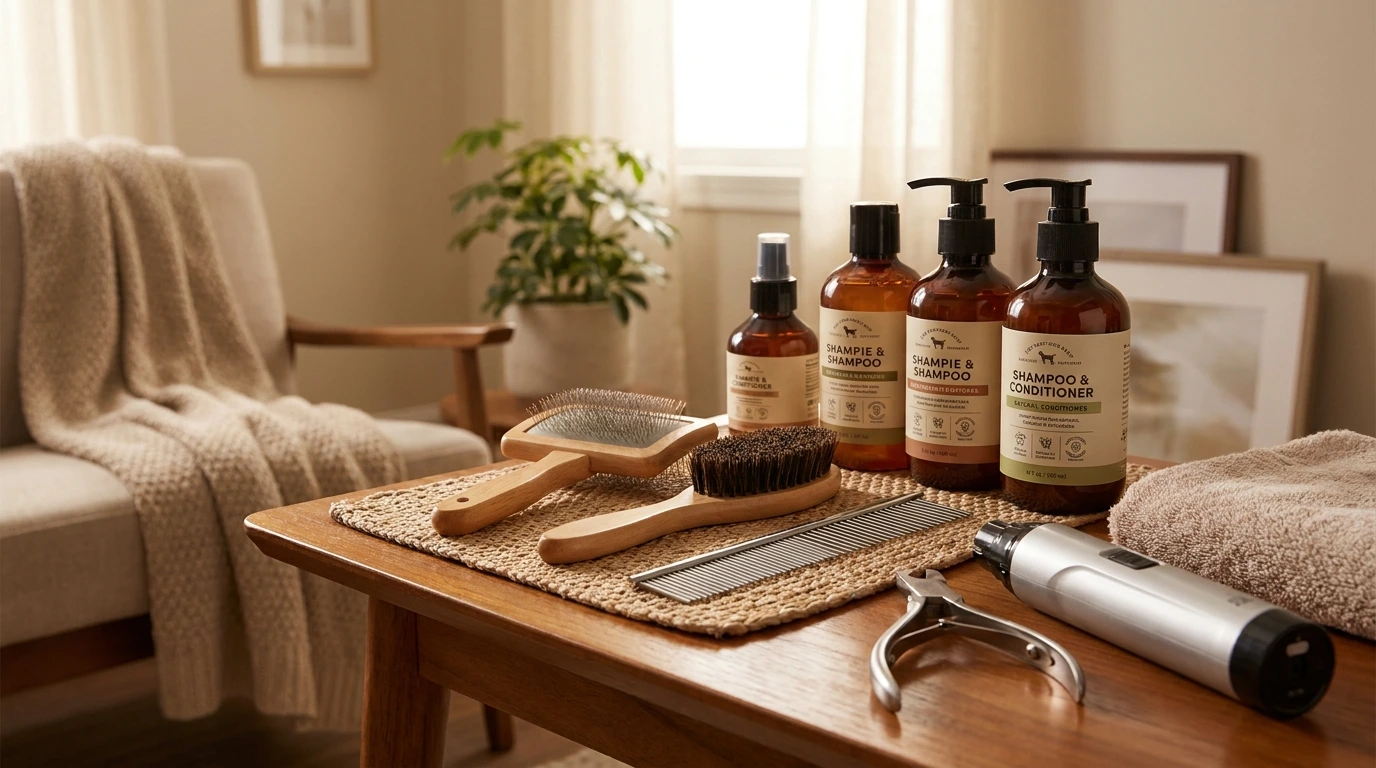
Different types of coats require specific brushes and combs. For example, a slicker brush is perfect for removing mats and tangles in long-haired breeds, while a bristle brush works well for short-haired dogs. Additionally, a metal comb is useful for fine-tuning and getting rid of stubborn knots. Regular brushing not only keeps your pet’s coat healthy but also helps in reducing shedding.
Shampoo and Conditioner
Selecting the right shampoo and conditioner is vital for your pet’s skin and coat health. Look for products specifically formulated for pets, as human shampoos can irritate their skin. If your pet has sensitive skin, consider hypoallergenic or oatmeal-based shampoos. Regular bathing helps eliminate dirt and odors, keeping your pet fresh.
Nail Clippers and Grinders
Maintaining your pet’s nails is an important part of grooming. Nail clippers come in various styles, including scissor-type and guillotine-type clippers. For pets that are anxious about nail trimming, a nail grinder can be a quieter and less intimidating option. Keeping nails trimmed prevents discomfort and potential injuries to both pets and their owners.
Additional Grooming Supplies
In addition to the fundamental tools, there are several other supplies that can enhance your grooming routine.
Ear and Eye Care Products
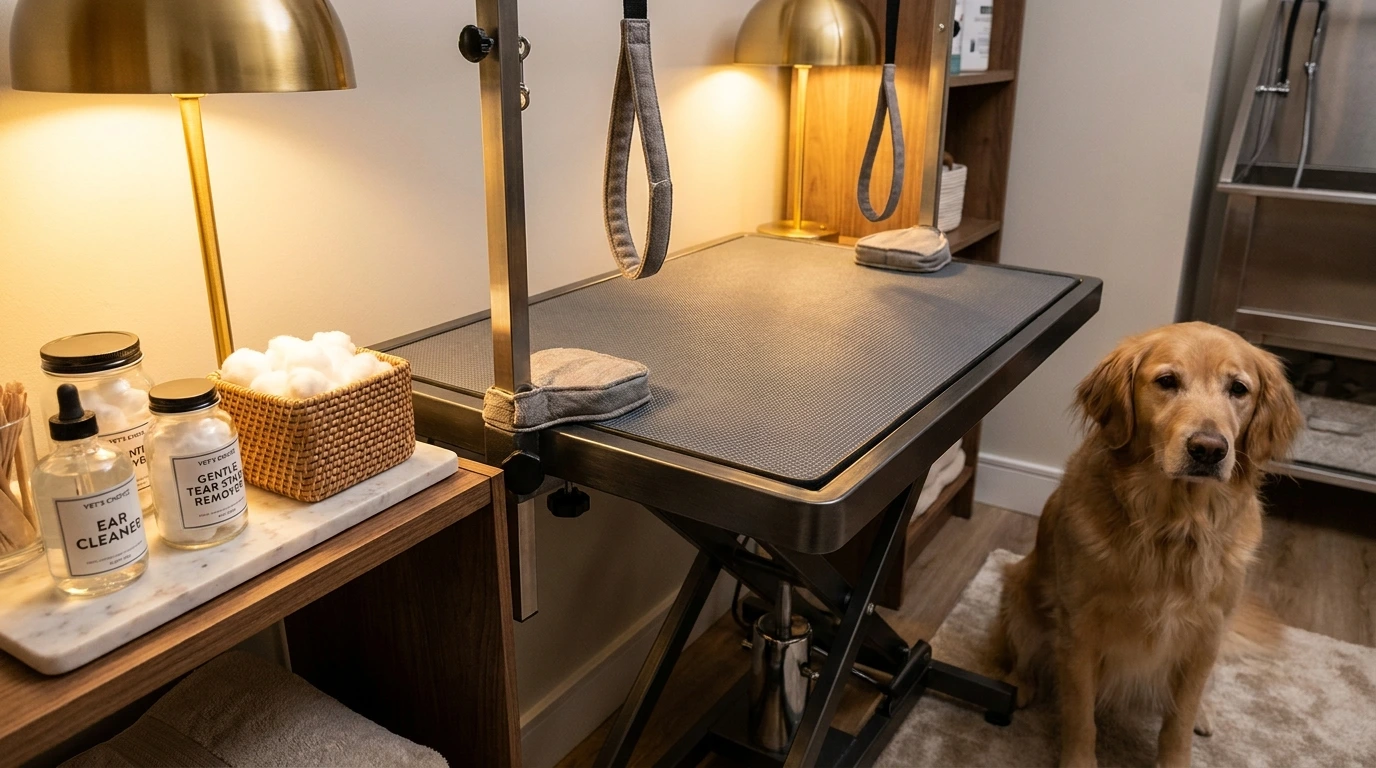
Regular ear cleaning is essential to prevent infections, especially in breeds with floppy ears. Use a vet-recommended ear cleaner and soft cotton balls for cleaning. For eye care, tear stain removers can help reduce discoloration, particularly in breeds prone to staining. Keeping these areas clean contributes to your pet’s overall health.
Grooming Table and Restraints
A grooming table provides a stable surface for your pet during grooming sessions. Some tables come with adjustable heights and non-slip surfaces for safety. Consider using restraints or a grooming noose to keep your pet secure while grooming, especially for larger or more active animals.
Flea and Tick Treatments
Preventing fleas and ticks is crucial for your pet’s health. Regular grooming allows you to check your pet for any signs of infestations. Incorporating flea and tick treatments, such as topical solutions or collars, into your grooming routine can help keep these pests at bay. Consult your veterinarian for recommendations suited for your pet.
Specialized Grooming Supplies for Specific Breeds
Some pets may require specialized grooming supplies based on their breed. Understanding these needs is key to effective grooming.
Tools for Long-Haired Breeds
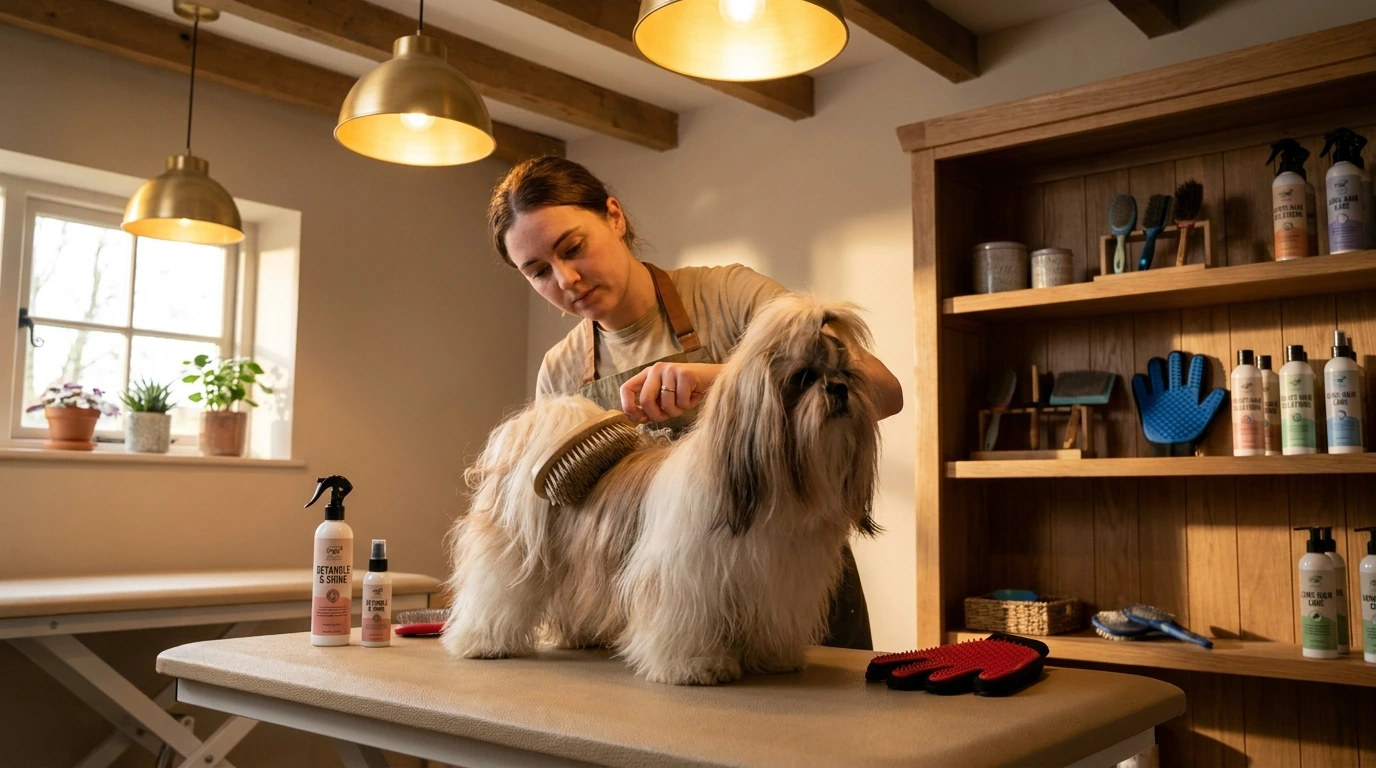
Long-haired breeds, such as Shih Tzus and Collies, require more frequent grooming. In addition to basic brushes, you may want to invest in detangling sprays or tools specifically designed to handle mats. Regular grooming not only maintains their coat but also promotes skin health by increasing circulation.
Supplies for Short-Haired Breeds
Short-haired breeds, like Beagles and Boxers, typically require less grooming. A rubber grooming mitt can be effective for removing loose hair and dirt. Bathing can be less frequent, but a good quality brush is still essential for maintaining coat health and reducing shedding.
Storing Your Grooming Supplies
Keeping your grooming supplies organized is essential for efficiency and accessibility.
Grooming Caddy or Storage Box
Investing in a grooming caddy or a dedicated storage box can help keep your supplies in one place. Consider labeling compartments for easy access to specific items, such as brushes, shampoos, and nail clippers. This organization saves time and ensures you are always prepared for grooming sessions.
Cleaning Your Grooming Tools
Regular cleaning of your grooming tools is vital to prevent the spread of bacteria and maintain their effectiveness. After each grooming session, wipe down brushes and combs, and disinfect clippers according to the manufacturer’s instructions. Proper maintenance extends the life of your tools and keeps your pet healthy.
FAQs
How often should I groom my pet?
The frequency of grooming depends on your pet’s breed, coat type, and lifestyle. Long-haired pets typically require grooming several times a week, while short-haired breeds may need less frequent attention.
Can I use human shampoo on my pet?
It is not recommended to use human shampoo on pets, as it can disrupt their skin’s natural pH balance. Always opt for pet-specific grooming products.
What should I do if my pet resists grooming?
Gradually introducing your pet to grooming can help. Start with short sessions and use positive reinforcement, such as treats, to create a more positive association with grooming.
How can I tell if my pet needs a bath?
If your pet starts to develop an odor, has visible dirt on their coat, or has itchy skin, it may be time for a bath. Regular grooming can help you assess these signs more easily.
Conclusion
Having the right grooming supplies is essential for maintaining your pet’s health and appearance. From brushes and shampoos to specialized tools for different breeds, each item plays a vital role in the grooming process. By following this checklist, you can ensure a smooth grooming routine that keeps your furry friend happy and healthy. Regular grooming not only enhances your pet’s coat but also strengthens the bond between you and your pet, making it a rewarding experience for both parties.