
De-matting pet fur can be a challenging task for pet owners, especially for those with long-haired breeds. Mats can form due to various factors such as shedding, dirt, and lack of regular grooming. Addressing mats promptly is crucial for your pet’s comfort and health. This guide provides practical tips and techniques to effectively de-mat your pet’s fur, ensuring a smoother grooming process and a happier pet.
Understanding Matting in Pet Fur
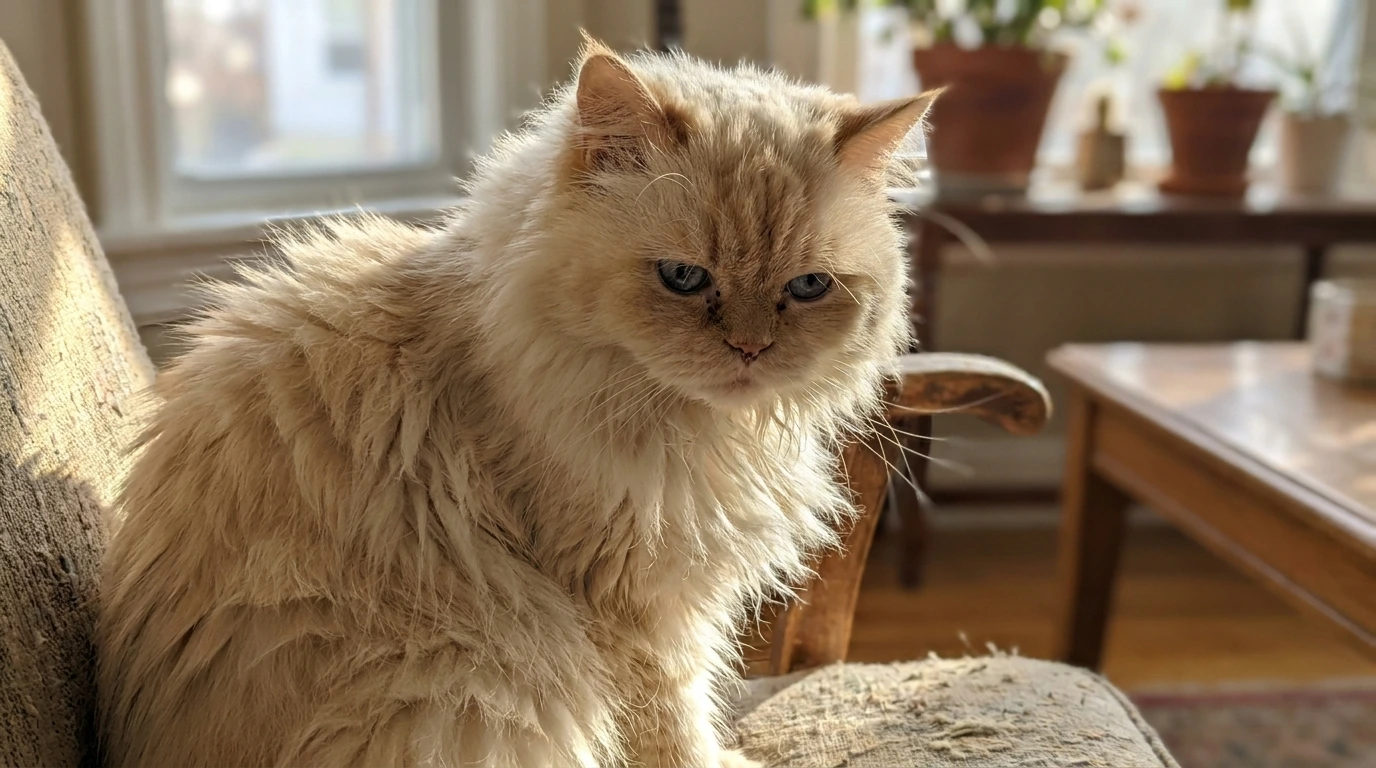
Matting occurs when loose fur tangles and knots together, leading to clumps that can tighten against the skin. This issue is more prevalent in long-haired breeds like Persian cats, Yorkshire Terriers, and Shih Tzus. Understanding the causes of matting can help in devising an effective grooming routine.
Common Causes of Matting
Several factors contribute to matting in pet fur. Shedding, where dead hair is not removed, can lead to tangles. Additionally, dirt, moisture, and even skin conditions may exacerbate the problem. Pets that are less active or spend a lot of time outdoors may also develop mats more frequently due to the accumulation of debris in their fur.
Identifying the Severity of Mats
Before attempting to de-mat, assess the severity of the mats. Small, loose mats can often be removed easily, while tight, large mats may require more care. Check for mats close to the skin, as these can irritate your pet and potentially lead to skin infections. If the matting is extensive, consulting a professional groomer may be the best option.
Tools and Supplies for De-Matting
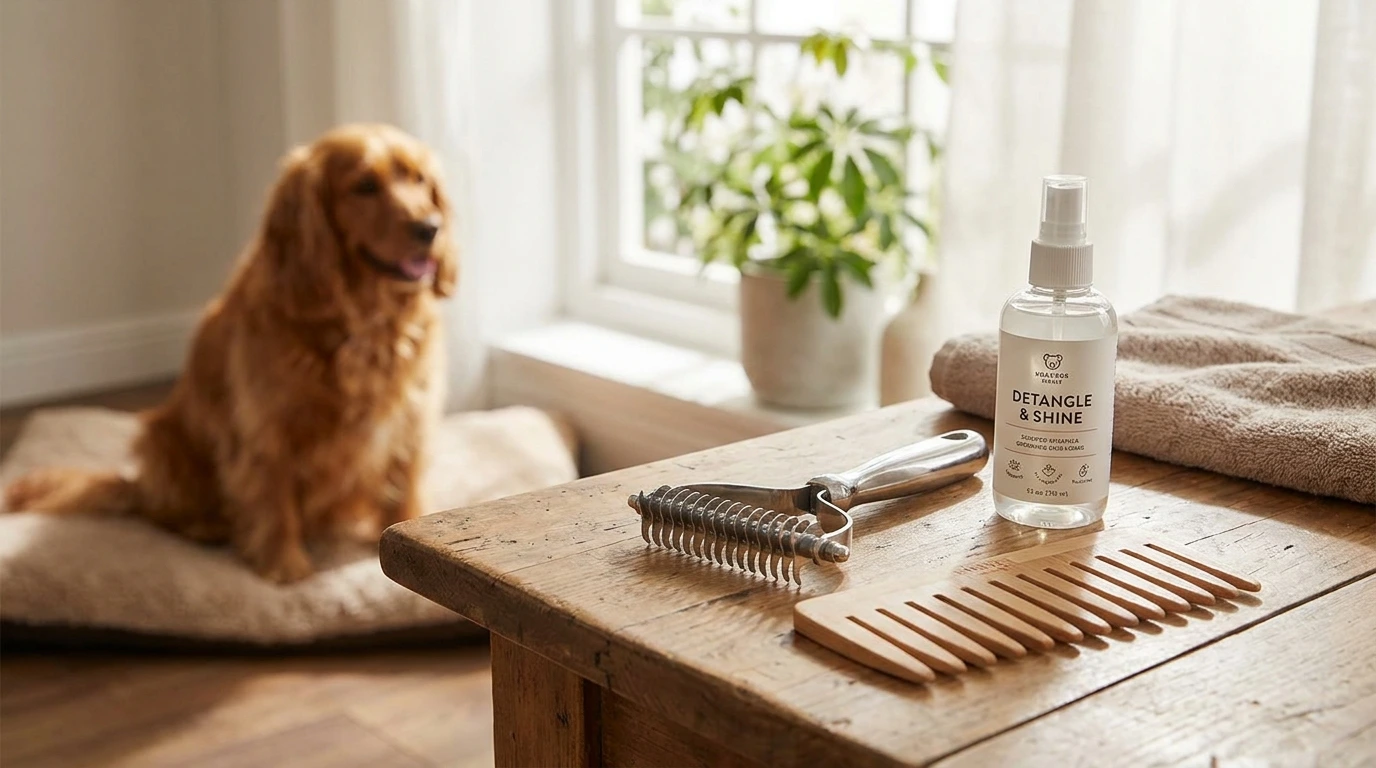
Having the right tools is essential for effective de-matting. Invest in high-quality grooming tools that are designed for your pet’s specific fur type. The following tools can help you tackle mats efficiently.
De-Matting Rake
A de-matting rake has sharp teeth that can cut through mats without pulling on the fur. This tool is particularly useful for large mats and can help separate tangled hair gently. Choose a rake with a comfortable grip for ease of use.
Wide-Toothed Comb
A wide-toothed comb is ideal for gently detangling fur. It can be used to work through smaller mats and is a great follow-up tool after using a de-matting rake. This comb helps to smooth out the fur and remove any remaining loose hair.
De-Matting Spray or Conditioner
Using a de-matting spray or a conditioner specifically designed for pets can make the process easier. These products provide slip, allowing tools to glide through the fur more smoothly, which helps in reducing the stress on your pet during grooming.
Step-by-Step Guide to De-Matting Your Pet’s Fur
Now that you have the right tools, follow these steps to de-mat your pet’s fur effectively. Patience is key throughout this process, as rushing can lead to discomfort for your pet.
Step 1: Prepare Your Pet
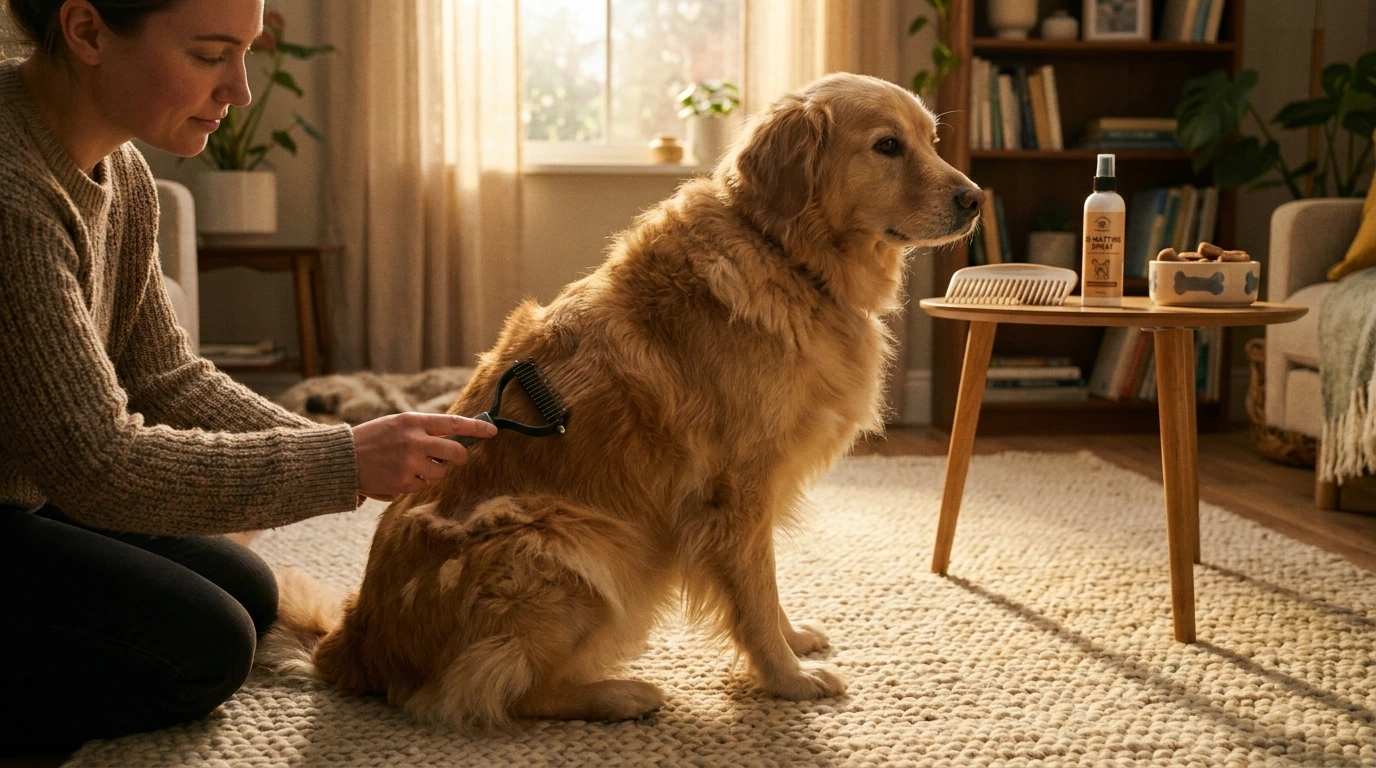
Start by ensuring your pet is calm and comfortable. You may want to groom them after a walk or play session when they are more relaxed. It can also help to have treats on hand to reward your pet for their cooperation during grooming.
Step 2: Assess and Section the Fur
Identify areas with mats and section the fur into manageable parts. Use clips to hold back the un-matted fur, allowing you to focus on one area at a time. This method reduces overwhelm for both you and your pet.
Step 3: Begin De-Matting Gently
Start with the de-matting rake, working from the outer edge of the mat towards the base. Avoid pulling directly on the mat; instead, use a gentle motion to break it apart. Once the mat is loosened, switch to the wide-toothed comb to smooth the fur.
Step 4: Use De-Matting Spray
If you encounter particularly stubborn mats, apply a de-matting spray to the area. Allow it to sit for a few minutes before attempting to de-mat again. The spray will help soften the fur, making it easier to work through.
Step 5: Clear Aftercare
After de-matting, it’s essential to clean up any loose fur and debris. A thorough brushing will prevent future matting and keep your pet’s coat healthy. Regular grooming is key to maintaining a mat-free coat.
Preventative Measures to Avoid Matting
Preventing mats is easier than dealing with them after they form. Establishing a regular grooming routine can significantly reduce the likelihood of matting in your pet’s fur.
Regular Grooming Schedule
Set a regular grooming schedule based on your pet’s fur type. Long-haired pets may require grooming every few days, while short-haired breeds may need attention less frequently. Consistency helps keep their coat healthy and manageable.
Bathing and Conditioning
Regular baths with pet-safe shampoos followed by conditioning can help keep your pet’s fur clean and less prone to matting. Always ensure that you thoroughly rinse out any products to avoid residue that may lead to tangles.
FAQs
How often should I groom my pet?
The frequency of grooming depends on your pet’s breed and coat type. Long-haired breeds may require grooming every few days, while short-haired breeds might need it weekly.
Can I use human de-matting products on my pet?
It is not advisable to use human de-matting products on pets, as they can contain ingredients harmful to animals. Always use products specifically formulated for pets.
What should I do if my pet resists grooming?
If your pet resists grooming, try to make the experience more positive with treats, praise, and breaks. Consider consulting a professional groomer if your pet remains anxious.
Conclusion
De-matting your pet’s fur requires patience, the right tools, and a gentle approach. By understanding the causes of matting and implementing regular grooming practices, you can keep your pet comfortable and healthy. Regular attention to your pet’s coat will minimize matting and enhance their overall well-being, ensuring a happy and healthy companion.