
When it comes to maintaining your dog’s health and comfort, nail care is often overlooked. Many pet owners face the dilemma of choosing between nail grinding and clipping. Both methods have their pros and cons, and understanding them can help you make an informed decision for your furry friend. This article delves into the differences, advantages, and disadvantages of dog nail grinding versus clipping, providing you with practical insights to ensure your dog’s nails are kept at a healthy length.
Understanding Dog Nail Clipping
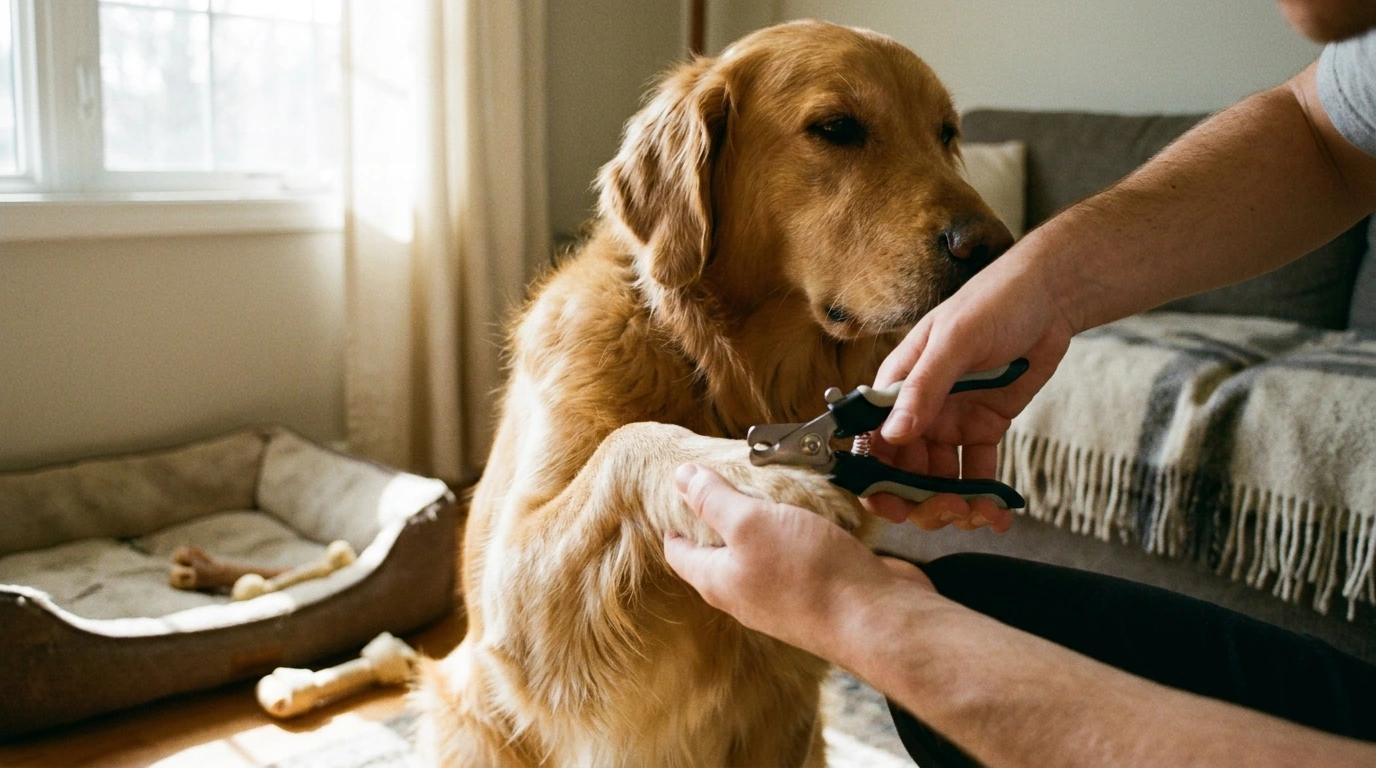
Nail clipping is the traditional method of keeping a dog’s nails neat and manageable. It involves using specialized clippers designed for pet nails, which can vary in size depending on the breed and size of the dog.
Benefits of Nail Clipping
Nail clipping is straightforward and can be done quickly. It’s often the preferred method for many pet owners due to its availability and ease of use. Clipping can be effective if done correctly, allowing for a clean cut that prevents splitting or tearing of the nail. Additionally, clippers are typically less expensive than grinders and require no power source.
Drawbacks of Nail Clipping
However, nail clipping does come with its challenges. If the nails are cut too short, it can lead to pain and bleeding. This is especially true if the quick, the sensitive part of the nail that contains blood vessels, is accidentally clipped. Moreover, some dogs may be fearful of the clippers, making the process stressful for both the pet and the owner.
Exploring Dog Nail Grinding
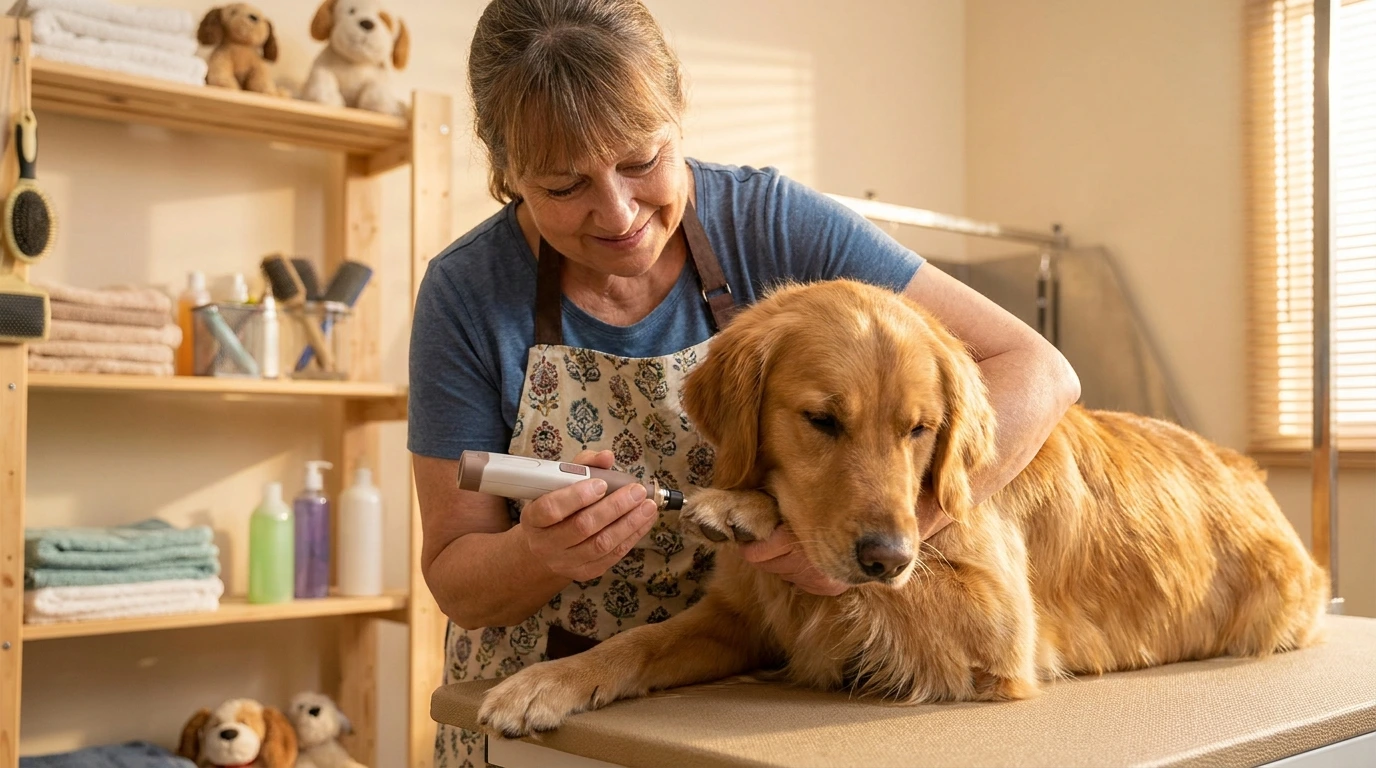
Nail grinding is a more modern approach, involving a rotary tool that sands down the nails. This method has gained popularity among groomers and pet owners alike for its effectiveness and precision.
Advantages of Nail Grinding
One of the main advantages of nail grinding is that it allows for a smoother finish compared to clipping. This method reduces the risk of splitting and provides a more comfortable nail length for the dog. Grinding can also be a safer option for dogs with dark nails, as it’s harder to see the quick. Pet owners often find that their dogs are less anxious during the grinding process, especially if they gradually acclimate them to the sound of the tool.
Disadvantages of Nail Grinding
Despite its benefits, nail grinding has its downsides. The process can take longer than clipping, which may not be ideal for dogs that are restless or anxious. Additionally, nail grinders can be more expensive than clippers and typically require a power source, either through batteries or an electrical outlet. It’s also vital to ensure the grinder is used correctly to prevent overheating, which can cause discomfort to the dog.
Comparing Effectiveness and Safety
Both nail clipping and grinding can be effective when done correctly. The choice often comes down to personal preference and the comfort level of both the dog and the owner. Safety is paramount in either method; dog owners should be aware of the quick and avoid cutting into it. A well-lit environment can help in identifying the quick during clipping. For grinding, ensuring the tool is appropriate for the size of the dog’s nails minimizes the risk of overheating.
Which Method is Right for Your Dog?
The right method depends on various factors, including your dog’s temperament, nail structure, and your personal comfort level with each technique. For example, if your dog has a history of nail anxiety, grinding may be a better option. Conversely, if you have a large dog with thick nails, clipping might be more efficient. Consulting with a professional groomer or veterinarian can also provide tailored advice based on your dog’s specific needs.
Grooming Frequency and Best Practices
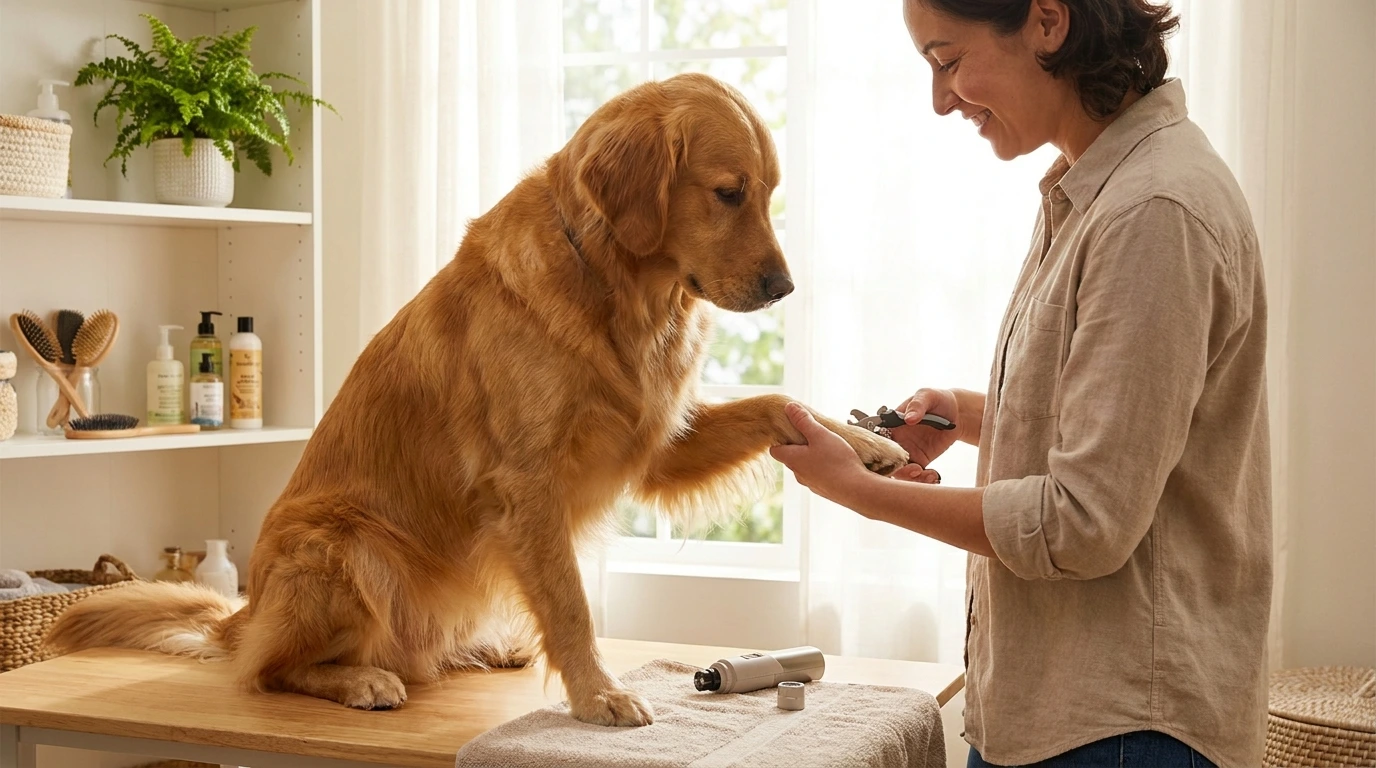
Regardless of the method chosen, regular nail maintenance is crucial. Most dogs require nail care every 3 to 4 weeks, but this can vary based on their activity level and the surfaces they walk on. Dogs that spend a lot of time on hard surfaces may naturally wear down their nails, reducing the frequency of grooming needed.
Tips for Successful Nail Care
To make the grooming process smoother, consider the following tips: start slowly by introducing your dog to the clippers or grinder gradually, providing treats and praise throughout the process. Ensure that your tools are sharp and in good condition to avoid discomfort. If you’re unsure or anxious about the process, seeking the help of a professional groomer can ensure your dog receives proper care.
FAQs
How often should I grind or clip my dog’s nails?
Most dogs need their nails clipped or ground every 3 to 4 weeks, but this can vary based on activity levels and the surfaces they walk on.
Is nail grinding less stressful for dogs?
Many dogs find nail grinding to be less stressful than clipping, especially if they are gradually introduced to the sound and sensation of the grinder.
Can I use human nail clippers on my dog?
It’s not recommended to use human nail clippers on dogs, as they are not designed for the different thickness and structure of dog nails. Using dog-specific clippers is safer and more effective.
What if I cut the quick?
If you accidentally cut the quick, apply a styptic powder to stop the bleeding and soothe the area. If the bleeding does not stop, contact your veterinarian for advice.
Conclusion
In conclusion, both dog nail grinding and clipping have their unique benefits and challenges. Understanding these methods can help you make an informed decision that prioritizes your dog’s comfort and safety. Whether you choose to grind or clip, regular nail care is essential for your dog’s well-being, helping to prevent pain and mobility issues. With patience and practice, you can ensure that your furry friend has healthy, well-maintained nails.