
Establishing a brushing schedule for your cat is essential for maintaining their coat health and preventing potential health issues. Regular grooming not only reduces shedding but also minimizes hairballs and keeps your feline friend looking their best. In this article, we will explore effective cat brushing schedule tips, tailored for various coat types and lifestyles, to help you create a routine that works for both you and your cat.
Understanding Your Cat’s Coat Type
Before establishing a brushing schedule, it’s important to understand the type of coat your cat has. Cats can have short, medium, or long fur, and each type requires a different grooming approach.
Short-Haired Cats
Short-haired cats generally require less frequent brushing compared to their long-haired counterparts. A weekly brushing session is usually sufficient. This helps remove loose hair and reduces the amount of fur shed throughout your home. Consider using a rubber grooming mitt or a fine-toothed comb to effectively capture loose hairs.
Medium-Haired Cats
Medium-haired cats benefit from more regular grooming, ideally two to three times a week. This prevents tangles and mats from forming in their fur. Use a slicker brush or a wide-toothed comb to detangle their coat while also distributing natural oils for a healthy shine.
Long-Haired Cats
Long-haired cats require the most grooming attention. A brushing schedule of at least three to four times a week is advisable, with some owners opting for daily sessions. Use a metal comb to gently work through mats and a slicker brush to keep their coat smooth and free of debris. Be patient and gentle, as long-haired cats can be sensitive during grooming.
Creating a Brushing Routine
Establishing a routine is key to making brushing a positive experience for your cat. Here are some tips to help you create an effective brushing schedule.
Choose the Right Time
Select a time when your cat is calm and relaxed, such as after a meal or during a quiet evening. Avoid times when your cat is likely to be active or playful, as this may lead to resistance during brushing. Consistency in timing can help your cat anticipate and accept grooming as part of their daily routine.
Make It a Positive Experience
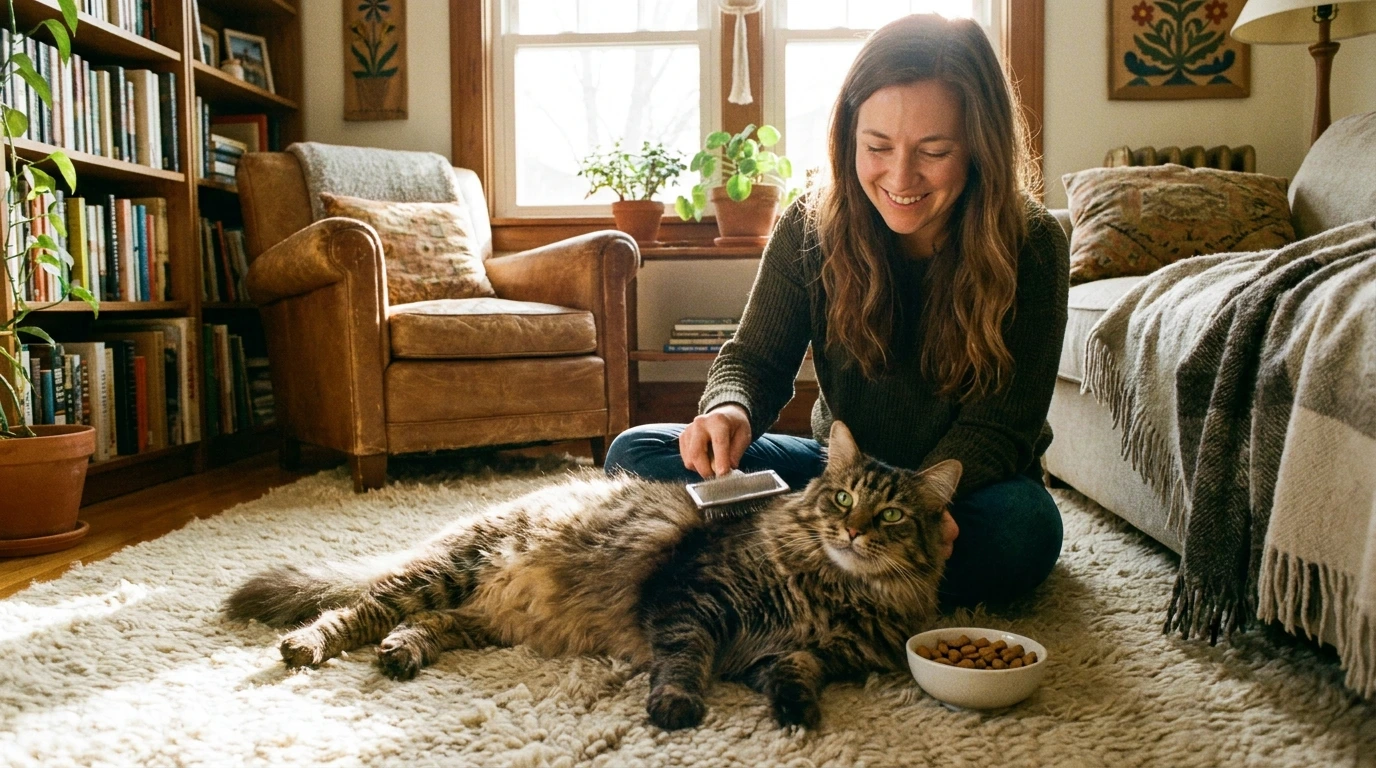
To help your cat associate brushing with positive experiences, consider using treats or praise during and after grooming sessions. If your cat seems anxious, start with short sessions and gradually increase the duration as they become more comfortable. This approach encourages cooperation and reduces stress.
Monitor Your Cat’s Coat Condition
Pay attention to the condition of your cat’s coat as you brush. If you notice mats or tangles, address them promptly to prevent discomfort. Regular checking can also help you identify any skin issues or parasites, allowing for early intervention. Keeping a close eye on your cat’s coat helps maintain their overall health.
Seasonal Considerations
Seasonal changes can impact your cat’s grooming needs. During shedding seasons, such as spring and fall, you may need to adjust your brushing schedule to accommodate increased fur loss.
Increased Brushing in Shedding Seasons
During shedding seasons, consider increasing your brushing frequency to daily or every other day, especially for long-haired cats. This helps manage loose fur and prevents it from accumulating in your home. A de-shedding tool may also be effective during these times to help remove excess fur.
Adapting to Climate Changes
In hotter climates, cats may shed more frequently to regulate their temperature. Similarly, in colder climates, they may develop a thicker coat. Monitor your cat’s grooming needs based on the weather and adjust your schedule accordingly. This will help keep them comfortable and reduce the likelihood of mats forming.

Special Considerations for Older or Ill Cats
Older cats or those with certain health issues may have different grooming needs. Their ability to groom themselves may be compromised, making regular brushing even more critical.
Gentle Grooming Techniques
For older or ill cats, use gentle grooming techniques to avoid causing discomfort. Opt for soft brushes designed for sensitive skin. Engage in short grooming sessions to maintain their comfort. Always monitor your cat’s response and adjust your approach as needed.
Consulting a Veterinarian
If your cat has specific health issues or is hesitant to be groomed, consult your veterinarian for advice tailored to your cat’s condition. They can provide insights on the best grooming practices and may recommend professional grooming services if necessary.
FAQs
How often should I brush my cat?
The frequency of brushing depends on your cat’s coat type. Short-haired cats typically need weekly brushing, while medium-haired cats benefit from two to three times a week, and long-haired cats require brushing three to four times a week or more.
What tools should I use for grooming?
Depending on your cat’s coat type, you may need different tools. A rubber grooming mitt works well for short-haired cats, while slicker brushes and wide-toothed combs are ideal for medium-haired and long-haired cats. Always choose tools that suit your cat’s specific grooming needs.
How can I reduce shedding?
Regular brushing is the most effective way to reduce shedding. Additionally, maintaining a healthy diet, ensuring hydration, and providing regular vet check-ups can all contribute to a healthier coat and reduced fur loss.
What should I do if my cat hates being brushed?
If your cat is resistant to brushing, start with short sessions and gradually increase the time as they become more comfortable. Use treats and praise to create positive associations, and consider consulting a professional groomer if the issue persists.
Conclusion
Creating an effective cat brushing schedule is vital for maintaining your cat’s coat health and overall well-being. By understanding your cat’s coat type, establishing a consistent routine, and adapting to seasonal changes, you can ensure a positive grooming experience that benefits both you and your feline friend. With patience and dedication, brushing can become a bonding activity that enhances your relationship with your cat while keeping them looking and feeling their best.