
Keeping your pet’s bed clean is essential for their health and comfort. Not only does a clean bed prevent odors and pests, but it also ensures a safe and hygienic environment for your furry friend. This article will guide you through the steps to properly clean pet beds, offering practical tips and methods to maintain a fresh sleeping space for your pet.
Understanding the Importance of Cleaning Pet Beds
Cleaning your pet’s bed regularly is vital for several reasons. Firstly, it helps eliminate bacteria and allergens that can accumulate over time. Secondly, a clean bed enhances your pet’s overall comfort, allowing them to rest better. Lastly, maintaining a clean environment can prevent pests like fleas and ticks from taking up residence.
Health Benefits for Your Pet
A dirty pet bed can harbor harmful bacteria and parasites that may lead to health issues. Regular cleaning can reduce the risk of skin infections, allergies, and other health problems. By ensuring a clean sleeping area, you support your pet’s overall well-being.
Prolonging the Life of the Bed
Regular maintenance not only keeps the bed clean but also extends its lifespan. Dirt, oils, and moisture can degrade the materials over time. By cleaning the bed properly, you can preserve its structure and comfort, saving you money in the long run.
Gathering the Right Supplies
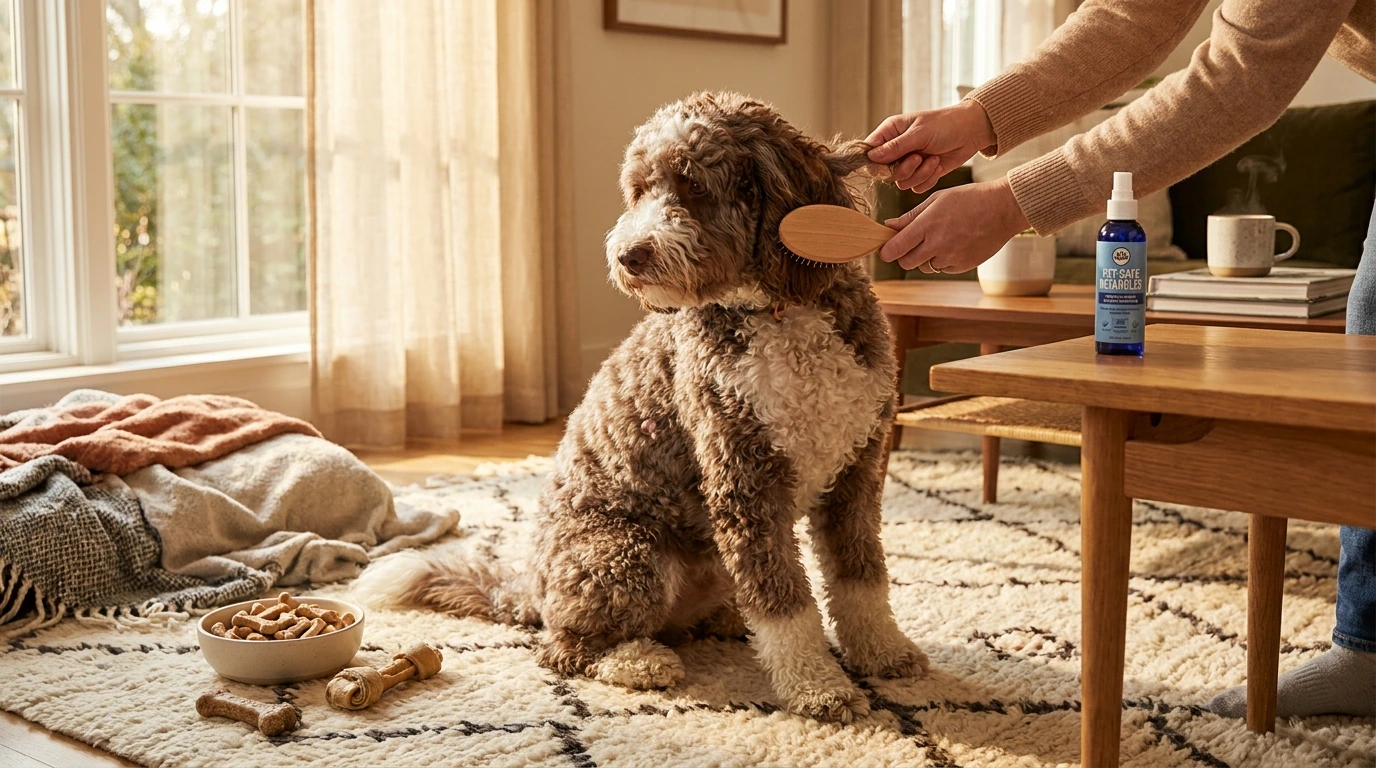
Before you start cleaning, gather all necessary supplies. Having the right tools will make the process more efficient and effective. Here’s a list of items you may need:
Detergents and Cleaning Solutions
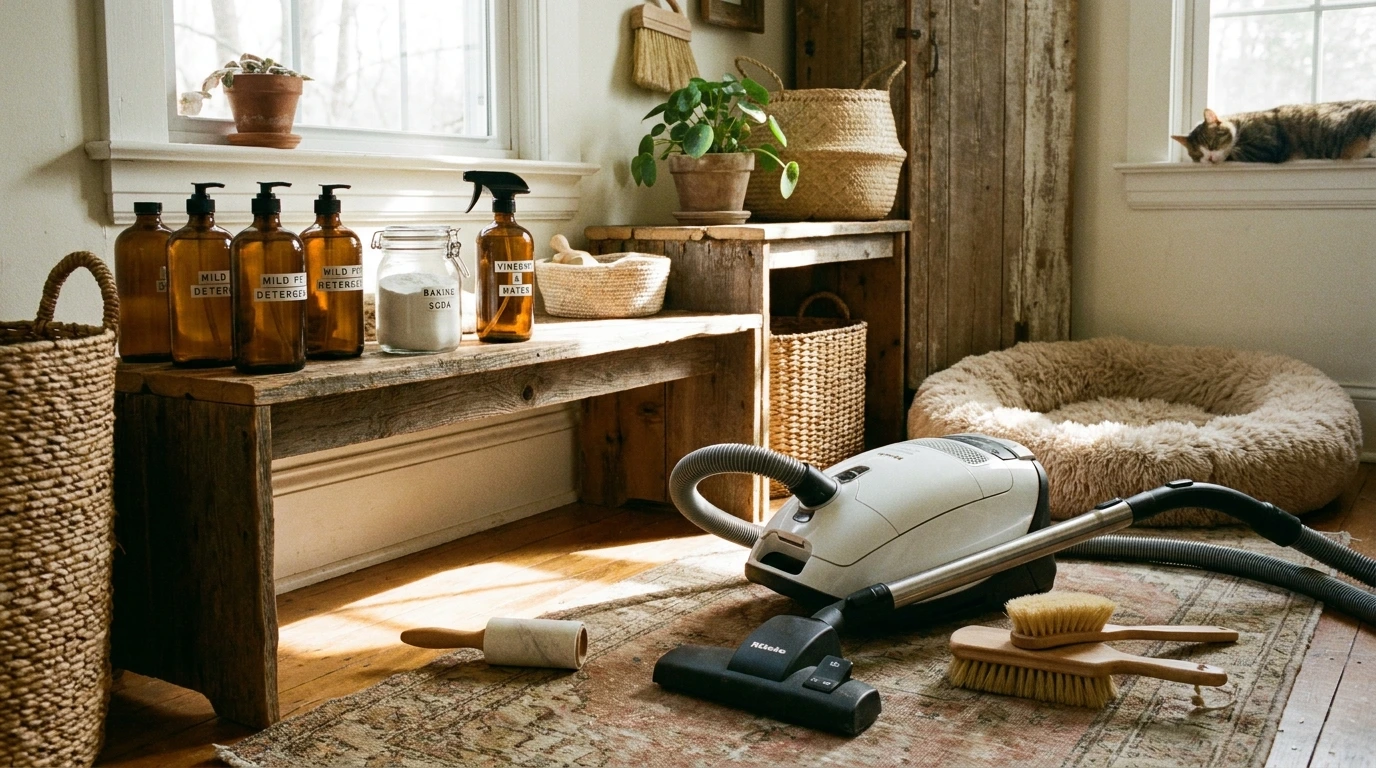
Use a mild detergent that is safe for pets. Ensure it is free from harsh chemicals and fragrances that could irritate your pet’s skin. For tough stains, consider natural cleaners like vinegar or baking soda, which are effective and pet-friendly.
Tools for Cleaning
Depending on the type of pet bed, you may need different cleaning tools. A vacuum cleaner with a pet hair attachment, a lint roller, and soft brushes can help remove hair and debris efficiently. For washing, have a washing machine available, and consider using a dryer for faster drying times.
Step-by-Step Guide to Cleaning Pet Beds
Cleaning a pet bed can be straightforward if you follow a systematic approach. Here’s a step-by-step guide to help you through the process.
Step 1: Remove Loose Debris
Start by removing any loose debris, such as hair, dirt, and food crumbs. Use a vacuum cleaner to thoroughly clean the surface of the bed. Pay attention to seams and crevices where dirt may accumulate. A lint roller can also be useful for picking up pet hair.
Step 2: Check Care Instructions
Before washing, always check the manufacturer’s care instructions. Some beds are machine washable, while others may require hand washing. Knowing the right method will help you avoid damaging the bed.
Step 3: Wash the Bed
If the bed is machine washable, place it in the washing machine with a mild detergent. Use a gentle cycle and cold water to prevent shrinking or damage. For non-washable beds, spot clean using a cloth dampened with a pet-safe cleaning solution.
Step 4: Dry the Bed
After washing, drying is crucial. If the bed is machine washable, use a dryer on a low heat setting. Make sure it is completely dry to prevent mold and mildew. For non-washable beds, air drying in a well-ventilated area is recommended.
Step 5: Regular Maintenance
To keep your pet’s bed in top condition, establish a regular cleaning schedule. Aim to wash the bed at least once a month, and perform spot cleaning as needed. Regularly vacuuming can also help maintain cleanliness between washes.
Choosing the Right Type of Pet Bed
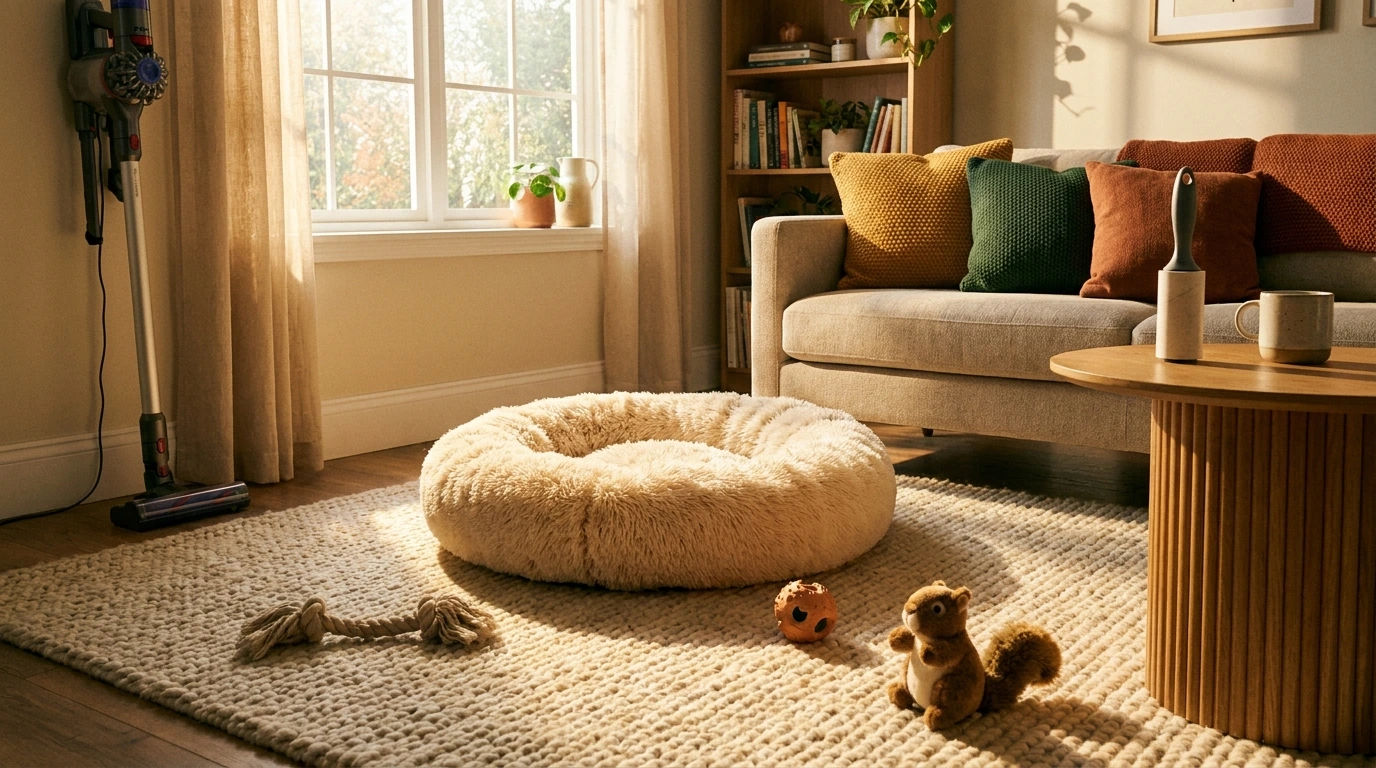
When selecting a pet bed, consider factors such as material, size, and washability. Some materials are easier to clean than others, and choosing a bed that is machine washable can simplify maintenance. Additionally, consider your pet’s sleeping habits and preferences to find the most suitable option.
Types of Pet Beds
Pet beds come in various styles, including orthopedic, sofa-style, and crate mats. Each type offers different benefits. For instance, orthopedic beds provide support for older pets, while crate mats are easy to clean and portable.
Material Considerations
Look for beds made from durable, washable materials. Fabrics such as cotton and polyester are often machine washable, while memory foam can provide comfort but may require more careful cleaning. Ensure the bed is also non-toxic and safe for your pet.
FAQs
How often should I clean my pet’s bed?
It is recommended to clean your pet’s bed at least once a month. However, if your pet is prone to accidents or has allergies, more frequent cleaning may be necessary.
Can I use bleach to clean my pet’s bed?
It is best to avoid using bleach, as it can be harmful to pets. Instead, opt for pet-safe detergents and natural cleaning solutions to ensure safety.
What if my pet bed has a strong odor?
If the bed has a persistent odor, try adding baking soda to the washing machine or sprinkling it on the bed before vacuuming. Baking soda helps neutralize odors effectively.
Are there specific cleaning tips for different types of pet beds?
Yes, different materials may require unique cleaning methods. Always refer to the care instructions provided by the manufacturer to determine the best cleaning approach for your specific pet bed.
Conclusion
Cleaning your pet’s bed is a crucial part of pet care that contributes to their health and comfort. By following the steps outlined in this article and maintaining a regular cleaning schedule, you can ensure that your pet has a clean and inviting place to rest. Choosing the right bed and cleaning supplies will not only keep your pet happy but also prolong the life of their bedding. Prioritizing cleanliness in your pet’s sleeping area is an essential practice for any pet owner.