
Maintaining your pet’s dental health is crucial for their overall well-being. Just like humans, pets can suffer from dental diseases, which can lead to serious health issues if left untreated. This article will guide you through effective at-home dental care practices that can help keep your furry friend’s teeth and gums healthy. From brushing techniques to dietary considerations, we will cover everything you need to know about pet dental care at home.
Understanding the Importance of Pet Dental Care
Dental care is often overlooked by pet owners, yet it plays a significant role in ensuring a long and healthy life for your pet. Poor dental hygiene can lead to periodontal disease, which affects the gums and bone structure supporting the teeth. This condition can cause pain, tooth loss, and other systemic health issues.
Common Dental Issues in Pets
Several dental problems can occur in pets, including tartar buildup, gingivitis, and tooth decay. Tartar buildup can lead to gum inflammation, while untreated gingivitis can progress to more severe periodontal disease. Additionally, pets can experience tooth fractures or abscesses, particularly if they chew on hard objects.
Effective At-Home Dental Care Practices
Implementing a consistent dental care routine at home can significantly improve your pet’s oral hygiene. Here are several practices to consider.
Brushing Your Pet’s Teeth
Brushing your pet’s teeth is the most effective way to prevent dental disease. Use a toothbrush designed specifically for pets, as well as pet-safe toothpaste. Introduce the brushing process gradually, allowing your pet to get used to the feel of the toothbrush and the taste of the toothpaste. Aim to brush your pet’s teeth daily, or at least several times a week.
Dental Chews and Toys
Incorporating dental chews and toys into your pet’s routine can help reduce plaque and tartar buildup. Look for products that are specifically designed to promote dental health. These chews often have a texture that aids in cleaning teeth as your pet gnaws on them. Be sure to supervise your pet while they chew to prevent choking.
Regular Dental Check-ups
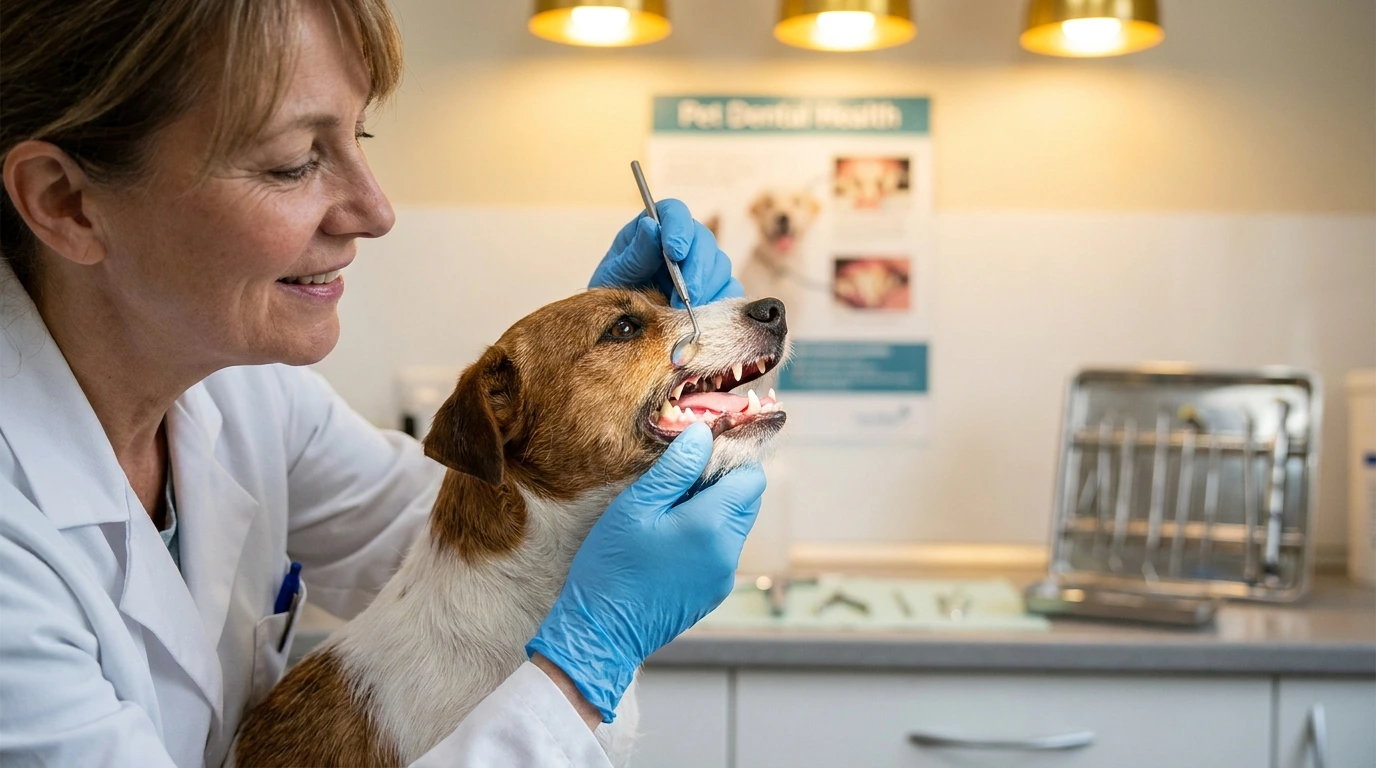
While at-home care is essential, it should not replace regular veterinary dental check-ups. A professional cleaning can remove tartar and plaque that brushing alone may not eliminate. Your veterinarian can also identify potential dental issues early and recommend appropriate treatments or preventive measures.

Feeding and Nutrition for Healthy Teeth
The right diet plays a significant role in maintaining your pet’s dental health. Some commercial pet foods are formulated to promote dental health, helping to reduce plaque and tartar buildup.
Choosing the Right Pet Food
Look for pet foods that have been approved by the Veterinary Oral Health Council (VOHC). These foods have been shown to reduce plaque and tartar accumulation. Additionally, consider incorporating raw vegetables, such as carrots, which can help clean teeth while providing essential nutrients.
Hydration and Its Role in Dental Health
Ensuring your pet stays hydrated is vital for their overall health, including dental health. Fresh water helps wash away food particles and bacteria that can contribute to dental problems. Consider providing a pet water fountain, as many pets prefer drinking running water, which can encourage them to stay hydrated.

Recognizing Signs of Dental Problems
Being vigilant about your pet’s dental health is crucial. Recognizing signs of dental issues early can lead to better outcomes.
Signs of Dental Issues
Watch for signs such as bad breath, difficulty eating, swollen or bleeding gums, and excessive drooling. If you notice any of these symptoms, consult your veterinarian promptly to address potential dental health concerns.
Maintaining Routine Checks
Make it a habit to regularly check your pet’s teeth and gums. Look for discoloration, tartar buildup, or any unusual changes. This proactive approach can help you catch problems before they escalate.
FAQs
How often should I brush my pet’s teeth?
Ideally, you should brush your pet’s teeth daily. However, brushing at least two to three times a week can still provide significant benefits.
Can I use human toothpaste on my pet?
No, you should never use human toothpaste on pets, as it contains ingredients that can be toxic to them. Always use toothpaste formulated specifically for pets.
Are dental chews safe for all pets?
While many dental chews are safe, it’s essential to choose products that are appropriate for your pet’s size and chewing habits. Always supervise your pet while they are using dental chews to avoid choking hazards.
What are the signs that my pet needs a dental cleaning?
Signs that your pet may need a dental cleaning include persistent bad breath, difficulty chewing, swollen gums, or visible tartar buildup. If you notice any of these symptoms, consult your veterinarian for an evaluation.
Conclusion
Caring for your pet’s dental health at home is vital for their overall health and happiness. By adopting a consistent dental care routine that includes brushing, providing dental chews, and ensuring a nutritious diet, you can help prevent serious dental issues. Regular veterinary check-ups will further ensure that your pet maintains optimal dental health. With these practices, you can contribute significantly to your pet’s longevity and quality of life.