
When your pet is scratching and biting at their skin, it can be distressing for both them and you. Itchy skin in pets can arise from various causes, including allergies, parasites, and skin infections. Proper grooming is essential in managing and alleviating these issues, ensuring your furry friend stays comfortable and healthy. This article explores effective grooming practices for pets with itchy skin, focusing on techniques, products, and tips to help soothe their discomfort.
Understanding Itchy Skin in Pets
Itchy skin, or pruritus, can be a sign of underlying health issues in pets. Identifying the root cause is crucial for effective treatment. Common causes of itchy skin in pets include allergies, fleas, ticks, dry skin, and infections.
Common Causes of Itchy Skin
Allergies are often the primary culprit behind itchy skin. Pets can be allergic to various substances, such as pollen, dust mites, or certain food ingredients. Fleas and ticks are also notorious for causing severe itching. Additionally, dry skin, especially in winter, can lead to discomfort. Lastly, skin infections, whether bacterial or fungal, may also result in itching, requiring veterinary attention.
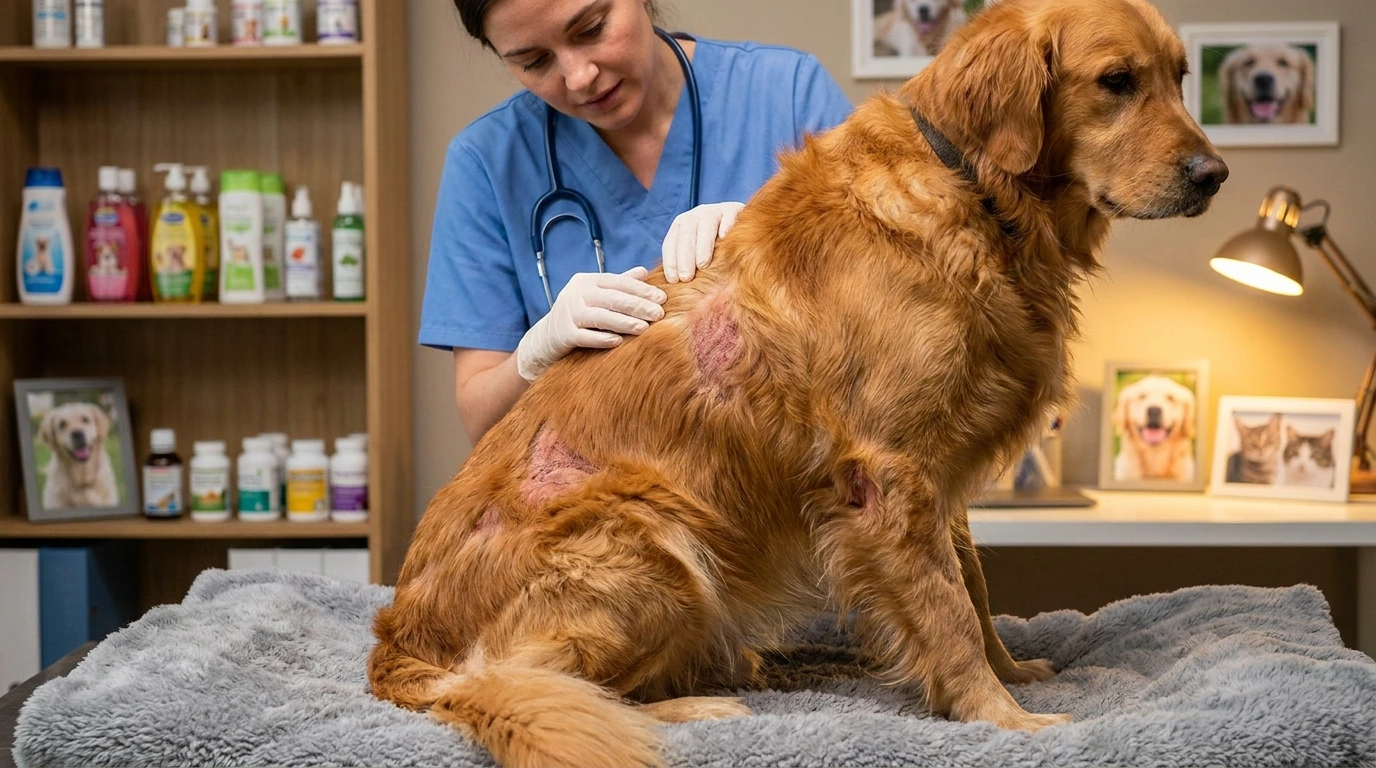
Grooming Techniques to Alleviate Itchy Skin
Grooming plays a vital role in managing itchy skin. Regular grooming helps remove allergens, dead fur, and debris that can irritate your pet’s skin. Here are some effective grooming techniques.
Brushing Your Pet
Brushing your pet regularly can help reduce itching by removing loose fur and dander. Use a brush suited for your pet’s coat type. For example, slicker brushes are effective for long-haired pets, while bristle brushes work well for short-haired breeds. Regular brushing not only keeps the coat healthy but also promotes better circulation, which can improve skin health.
Bathing with the Right Products
Bathing your pet with a mild, hypoallergenic shampoo can soothe itchy skin. Look for shampoos that contain ingredients like oatmeal, aloe vera, or chamomile, which are known for their soothing properties. It’s essential not to bathe your pet too frequently, as over-bathing can strip natural oils from the skin, leading to further irritation. Typically, bathing once every four to six weeks is recommended for most pets.
Using Conditioners and Moisturizers
After bathing, applying a conditioner or moisturizer specifically designed for pets can help lock in moisture and soothe dry skin. Products containing fatty acids or natural oils can be particularly beneficial. Always ensure that any product used is pet-safe and free from harmful chemicals.

Regular Veterinary Check-ups
While grooming can alleviate symptoms, regular veterinary check-ups are crucial for diagnosing underlying issues. If your pet’s itchy skin persists despite grooming, a visit to the vet is essential.
Identifying Allergies
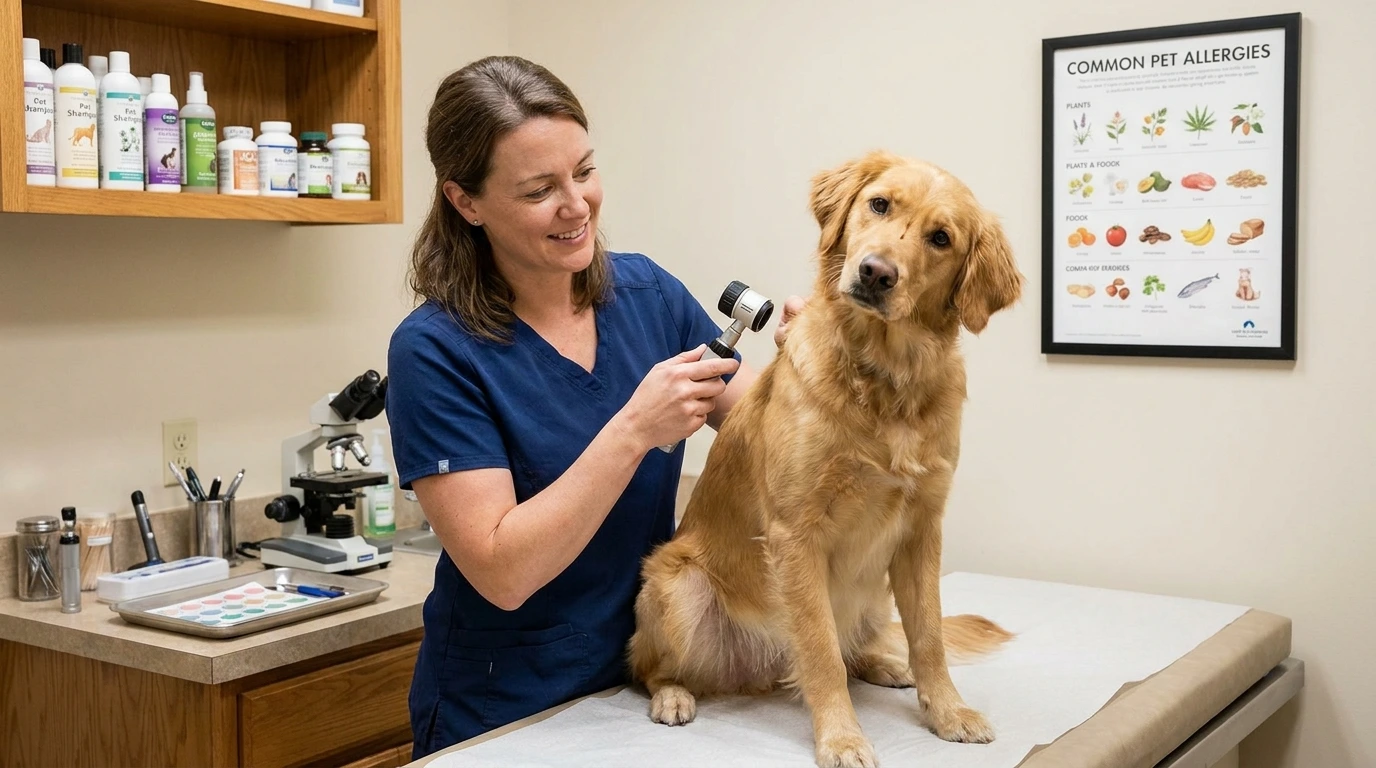
Veterinarians can perform allergy tests to determine specific allergens affecting your pet. Once identified, you can work on an elimination diet or consider allergy medications. This approach can help minimize symptoms and improve your pet’s quality of life.
Medication and Treatments
In some cases, your veterinarian may prescribe medications such as antihistamines, corticosteroids, or topical treatments to alleviate itching. These medications can provide quick relief but should be used under veterinary supervision to avoid potential side effects.
Maintaining a Healthy Environment
A clean living environment is essential for managing your pet’s skin health. Regularly washing your pet’s bedding and vacuuming your home can help reduce allergens and irritants.
Diet and Nutrition
Nutrition plays a significant role in skin health. Ensure your pet is on a balanced diet rich in essential fatty acids, which can help maintain skin moisture. Consult with your vet about dietary options that can support skin health, such as omega-3 and omega-6 fatty acids.
Flea and Tick Prevention
Implementing a regular flea and tick prevention program is crucial. Use veterinarian-recommended treatments to keep these parasites at bay, as they can be a leading cause of itchy skin. Regular check-ups will help ensure your prevention methods are effective.
FAQs
How often should I groom my pet with itchy skin?
Grooming frequency depends on your pet’s coat type and condition, but generally, brushing several times a week and bathing every four to six weeks is advisable.
Can I use human shampoos on my pet?
No, human shampoos can be too harsh for pets and may exacerbate skin issues. Always use products specifically designed for pets.
What should I do if my pet’s itching persists?
If your pet continues to scratch despite grooming, consult your veterinarian to rule out underlying medical conditions.
Are there natural remedies for itchy skin?
Some pet owners find relief using natural remedies such as oatmeal baths or apple cider vinegar diluted with water. However, consult your vet before trying any new treatments.
Conclusion
Managing itchy skin in pets requires a combination of effective grooming techniques, regular veterinary care, and maintaining a healthy environment. By understanding the causes of itching and implementing proper grooming practices, pet owners can significantly improve their furry friends’ comfort. Regular check-ups with a veterinarian ensure that any underlying issues are addressed promptly. With the right approach, you can help your pet lead a happier, itch-free life.