
Cat hairballs are a common issue that many cat owners face, often resulting in frustration and concern about their pet’s health. Understanding how grooming plays a vital role in controlling hairballs is essential for maintaining your cat’s well-being. By implementing effective grooming techniques and strategies, you can minimize hairballs and ensure a happier, healthier life for your feline friend. This article delves into various grooming practices, product recommendations, and additional tips to help you manage this common challenge.
Understanding Hairballs in Cats
Hairballs, or trichobezoars, occur when cats ingest hair while grooming themselves. Since they cannot digest hair, it accumulates in the stomach and forms a compact mass, which can lead to discomfort, vomiting, and digestive issues. While hairballs are a normal occurrence in cats, excessive hairball production can indicate underlying health problems or grooming issues.
The Causes of Hairballs
Several factors contribute to hairball formation in cats. The most common causes include:
Grooming Habits: Cats are meticulous groomers. Long-haired breeds are particularly prone to hairballs due to their more extensive fur. Seasonal Shedding: Cats shed their fur in response to changes in temperature, which can lead to increased hair ingestion. Health Issues: Conditions like allergies, skin problems, or gastrointestinal disorders can lead to excessive grooming, resulting in more hairballs.
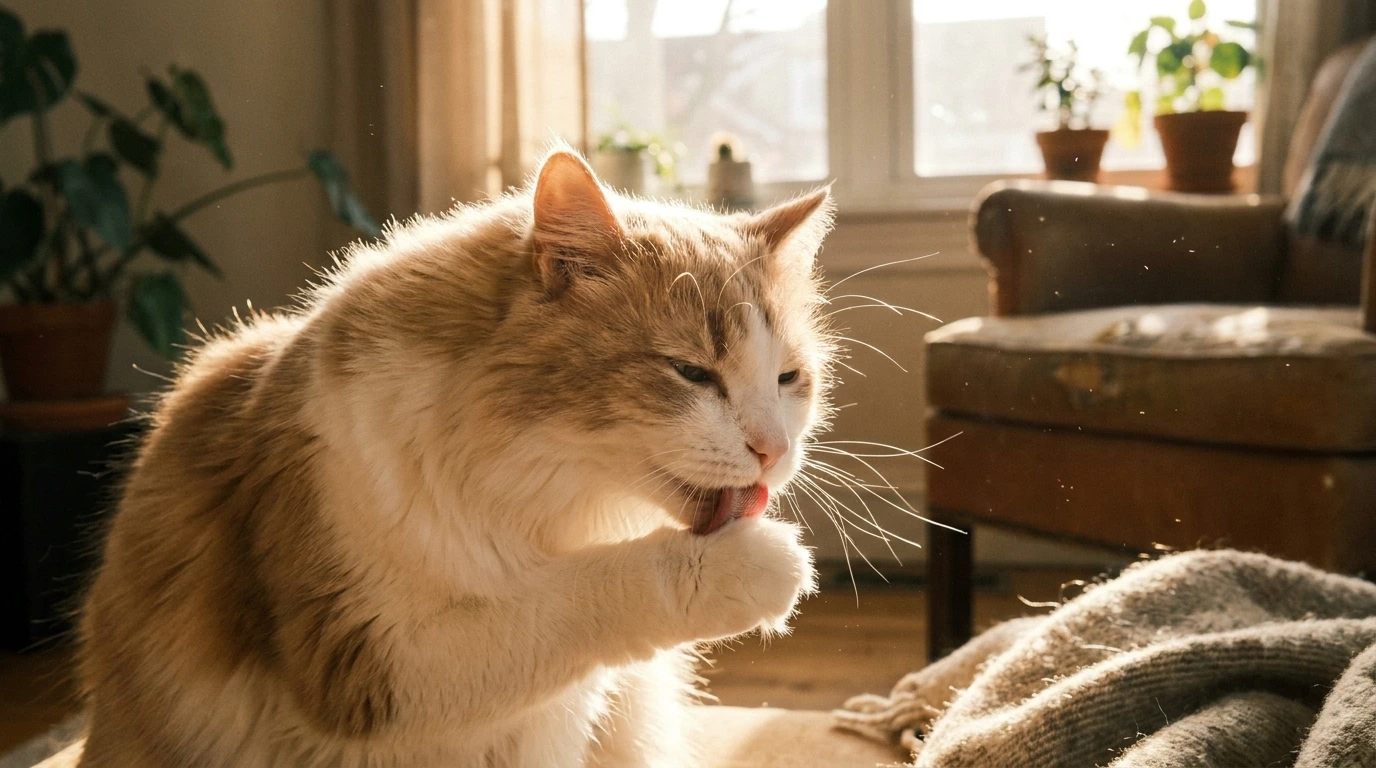
Effective Grooming Techniques
Regular grooming is one of the most effective ways to control hairballs in cats. It helps reduce loose fur and minimizes the amount your cat ingests during grooming. Here are several grooming techniques to consider:
Brushing Your Cat
Brushing your cat regularly is essential for removing loose hair and preventing mats. Long-haired cats typically require daily brushing, while short-haired cats may benefit from weekly grooming sessions. Choose a brush that is appropriate for your cat’s fur type, such as a slicker brush for long-haired breeds or a rubber grooming mitt for short-haired cats.
Bathing Your Cat
While many cats dislike water, occasional baths can help reduce excess hair and dander. Use a cat-safe shampoo designed to minimize shedding. Ensure you rinse thoroughly to avoid skin irritation. Bathing should be done sparingly, as excessive bathing can strip essential oils from your cat’s skin and coat.

Grooming Tools and Products
Investing in the right grooming tools can make a significant difference in managing your cat’s hairballs. Here are some recommended tools and products:
Deshedding Tools
Deshedding tools, such as the Furminator, are designed to reach beneath the top coat to remove loose hairs and undercoat fur. These tools can significantly reduce shedding and hairballs when used regularly.
Hairball Control Products
There are various hairball control products available, including treats, gels, and specialized cat foods. These products often contain ingredients like fiber to help facilitate hair passage through the digestive system. Consult your veterinarian before introducing new products to ensure they are suitable for your cat.

Creating a Comfortable Grooming Environment
Creating a positive grooming experience for your cat is essential for successful hairball control. Here are some tips to achieve this:
Choose the Right Location
Designate a quiet and comfortable space for grooming, away from distractions and loud noises. This can help your cat feel more at ease during the process.
Use Positive Reinforcement
Encourage your cat during grooming sessions by using treats and praise. Positive reinforcement can make grooming a more enjoyable experience and reduce stress or anxiety.
Dietary Considerations
Besides grooming, your cat’s diet plays a crucial role in hairball management. A balanced diet that includes high-quality proteins and fiber can support healthy digestion and reduce the likelihood of hairballs.
Fiber-Rich Foods
Foods with added fiber can help move hair through your cat’s digestive tract. Look for cat foods specifically formulated for hairball control, which typically contain ingredients like beet pulp or psyllium to aid in digestion.
Hydration and Its Importance
Ensure your cat has access to fresh water at all times, as proper hydration supports overall digestive health. Wet cat food can also contribute to hydration while providing essential nutrients.
Regular Veterinary Check-Ups
Regular veterinary visits are essential for monitoring your cat’s health and addressing any underlying issues that could contribute to excessive grooming or hairball formation. Your veterinarian can provide tailored advice on grooming practices and dietary recommendations.
FAQs
How often should I groom my cat?
The frequency of grooming depends on your cat’s coat type. Long-haired cats generally require daily brushing, while short-haired cats may need grooming once a week.
What are the signs of excessive hairballs?
Signs of excessive hairballs include frequent vomiting, gagging, loss of appetite, or lethargy. If you notice these symptoms, consult your veterinarian.
Can hairballs be prevented entirely?
While it may not be possible to prevent hairballs entirely, regular grooming, a balanced diet, and proper hydration can significantly reduce their occurrence.
Are hairball control products safe for all cats?
Most hairball control products are safe, but it’s essential to consult your veterinarian before introducing any new products to ensure they are appropriate for your cat’s specific needs.
Conclusion
Managing hairballs in cats requires a combination of effective grooming techniques, dietary considerations, and regular veterinary care. By incorporating proper grooming habits and utilizing appropriate products, you can minimize hairballs and promote your cat’s overall health and happiness. Remember, a well-groomed cat is not only more comfortable but also less likely to experience the discomfort associated with hairballs.