
Establishing a consistent dog brushing routine is essential for maintaining your pet’s overall health and well-being. Regular brushing not only keeps your dog’s coat looking shiny and clean, but it also helps to prevent matting, reduce shedding, and promote skin health. This comprehensive dog brushing routine checklist will provide you with practical steps and tips to ensure your furry friend gets the best care possible. Follow these guidelines to build a brushing habit that benefits both you and your dog.
Understanding the Importance of Dog Brushing
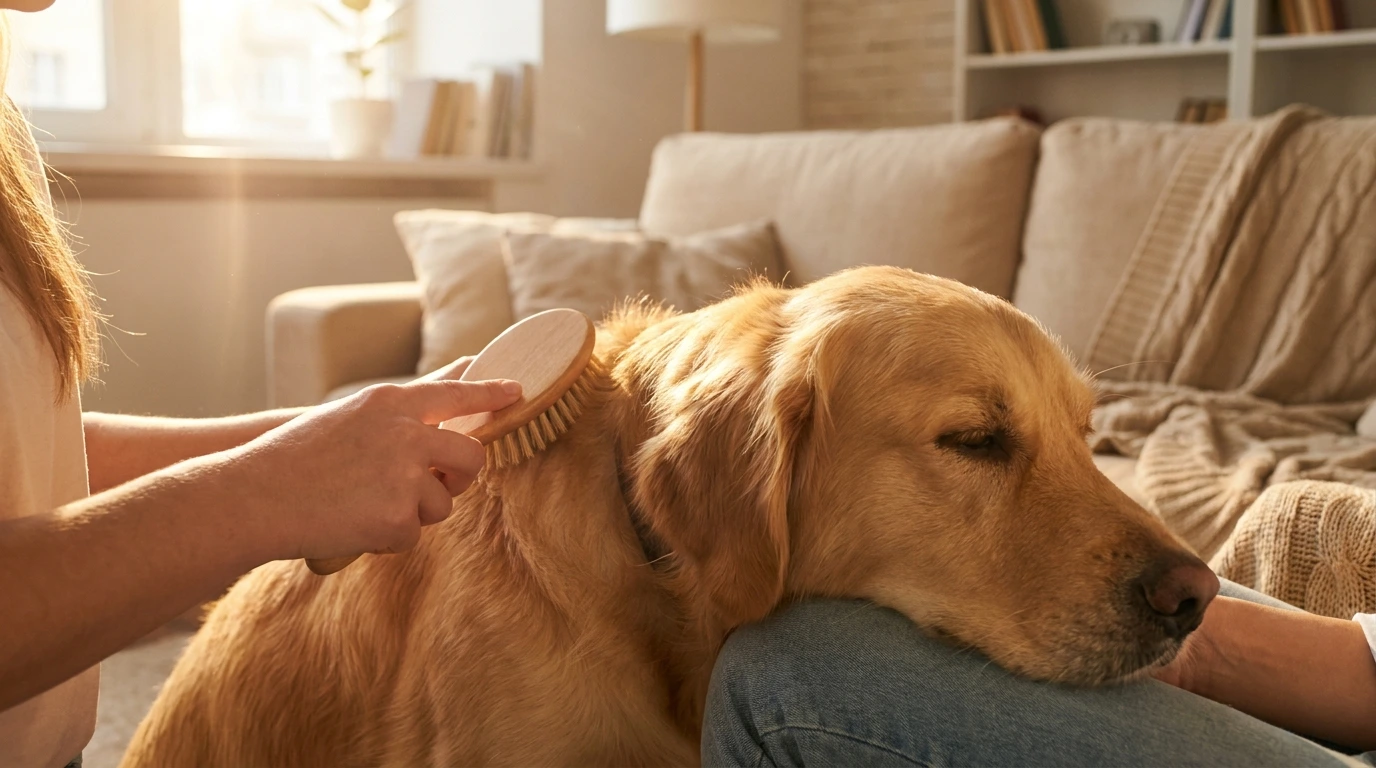
Brushing your dog regularly is more than just a grooming activity; it plays a vital role in their health. It helps to remove loose fur, dirt, and debris while distributing natural oils throughout the coat, which promotes a healthy sheen. Furthermore, brushing can be a bonding experience between you and your pet, creating a sense of comfort and trust.
Benefits of Regular Brushing
Regular brushing offers numerous benefits, including:
Prevention of Matting: Long-haired breeds are particularly prone to tangles and mats, which can lead to discomfort and skin infections. Reduced Shedding: Consistent brushing helps to manage shedding, keeping your home cleaner and reducing allergens in the environment. Skin Health: Brushing stimulates the skin and promotes blood circulation, leading to healthier skin and coat. Early Detection of Health Issues: Regular grooming sessions allow you to spot lumps, bumps, or skin irritations early.
Creating a Dog Brushing Routine
Establishing a regular brushing routine requires a thoughtful approach. Here’s a step-by-step checklist to help you get started.
1. Choose the Right Tools
Selecting the appropriate brush for your dog’s coat type is crucial. Different breeds require different grooming tools:
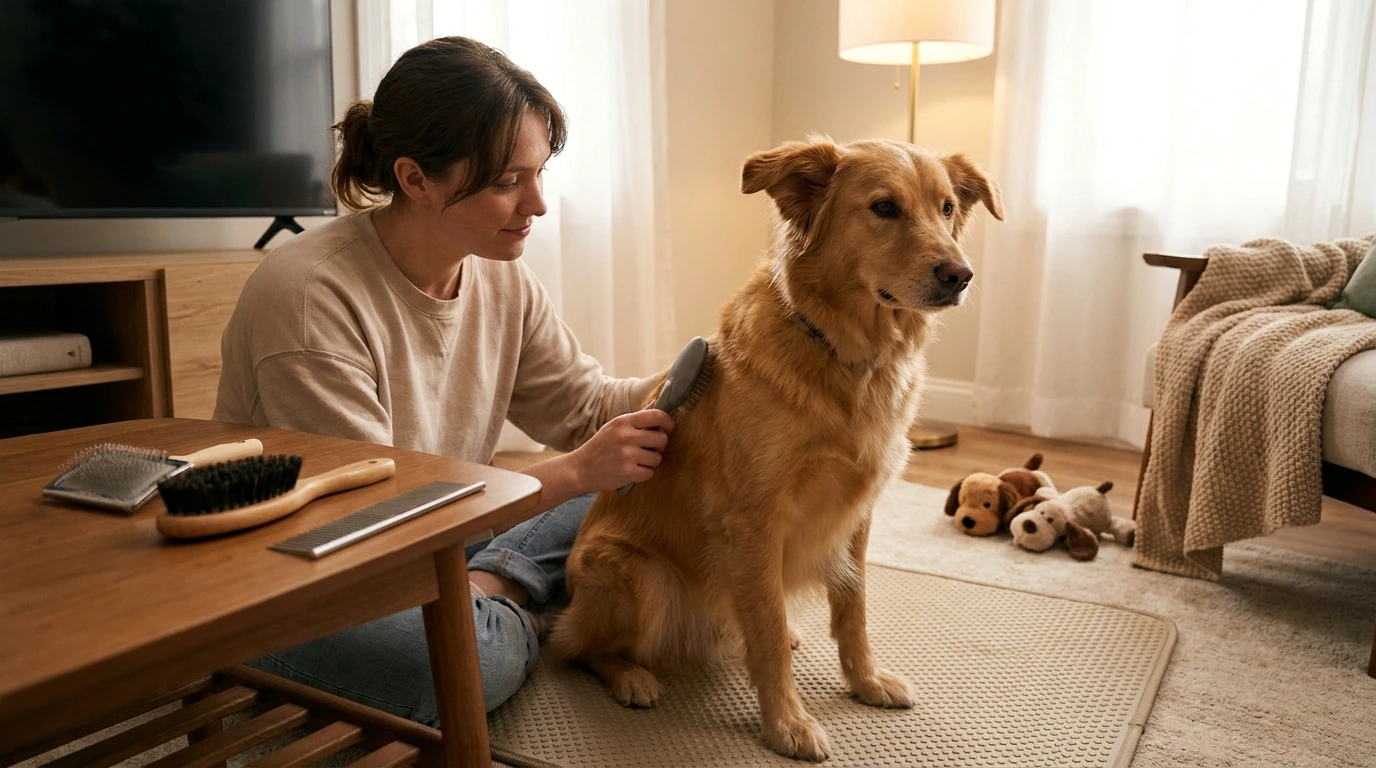
Slicker Brush: Ideal for removing mats and tangles in long-haired breeds. Bristle Brush: Best for short-haired dogs to remove loose fur and dirt. Undercoat Rake: Useful for double-coated breeds to remove loose undercoat fur. Comb: Perfect for detangling and smoothing the coat.
2. Determine the Frequency
The frequency of brushing depends on your dog’s coat type:
Short-haired Breeds: Brush once a week. Medium-haired Breeds: Brush every few days. Long-haired Breeds: Brush daily to prevent mats.
During shedding seasons, you may need to increase the frequency to manage loose fur effectively.
3. Establish a Comfortable Environment
Choose a quiet, comfortable space for brushing your dog. This should be a spot where your dog feels safe and relaxed, free from distractions. You may want to use a grooming table or a non-slip mat to keep your dog stable during brushing.
4. Introduce the Brush Gradually
If your dog is new to brushing, introduce the brush slowly. Let them sniff it and become familiar with it before you start grooming. You can reward them with treats to create positive associations with the brushing process.
5. Brush in Sections
When you start brushing, divide your dog’s coat into sections. Begin from the head and work your way down the body in small sections. This method ensures that you cover the entire coat without missing any spots. Always brush in the direction of hair growth to avoid discomfort.
6. Be Gentle and Patient
Brush gently, especially in sensitive areas such as the belly, ears, and around the face. If you encounter a mat, use your fingers to gently work it out or use a detangling spray. Patience is key; if your dog becomes anxious or uncomfortable, take a break and try again later.
7. Clean the Tools
After brushing, ensure you clean your grooming tools thoroughly. Remove hair from the brush and wash it regularly to prevent the buildup of dirt and bacteria.
Additional Grooming Tips
To complement your brushing routine, consider the following grooming tips:
1. Bathe Your Dog Regularly
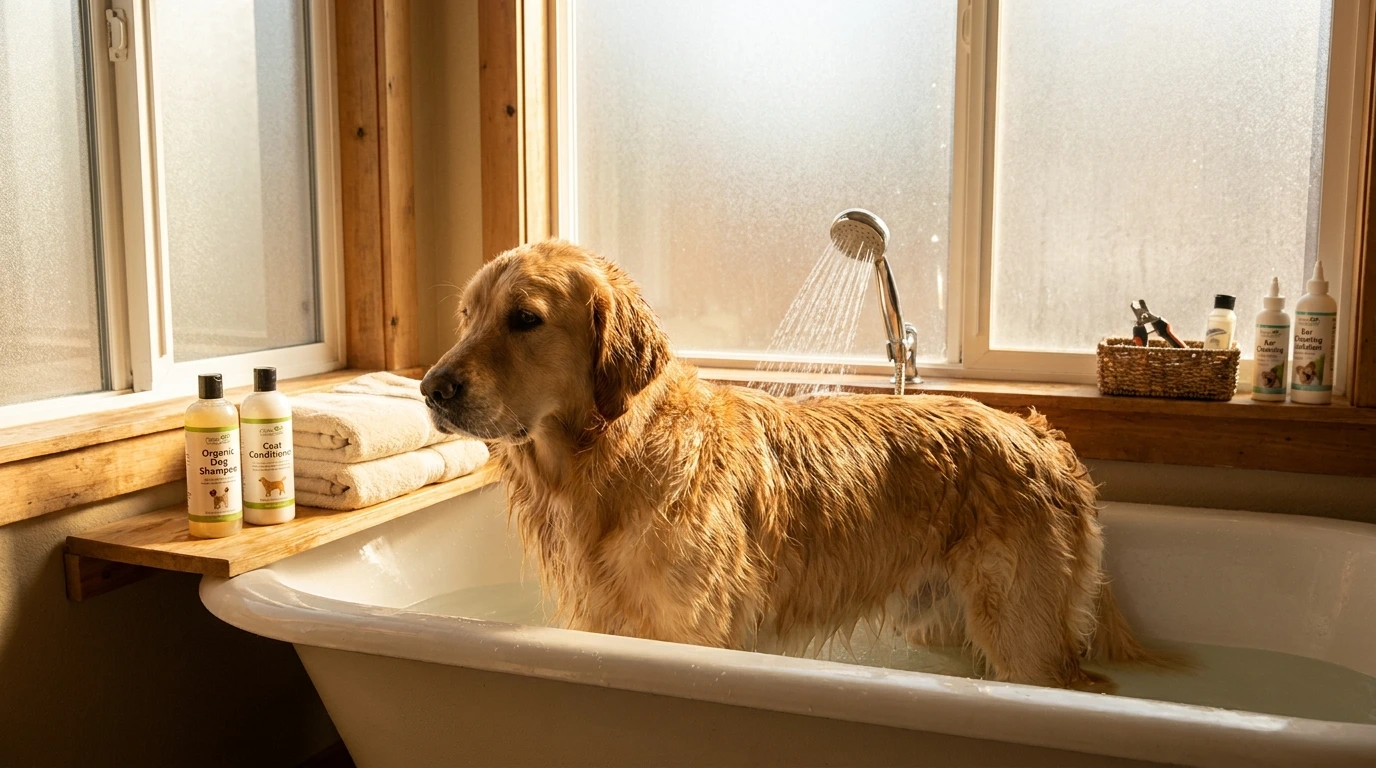
Regular baths help manage dirt and odors. Use a dog-specific shampoo and make sure to rinse thoroughly to avoid skin irritation. The frequency of baths depends on your dog’s activity level and coat type.
2. Trim Nails and Clean Ears
Nail trimming and ear cleaning are essential parts of grooming. Check your dog’s nails weekly and trim as needed. Clean their ears regularly to prevent wax buildup and infections.
3. Watch for Skin Issues
During brushing, take the opportunity to check for any skin issues like redness, bumps, or parasites. If you notice anything unusual, consult your veterinarian for advice.
FAQs
How often should I brush my dog?
The frequency of brushing depends on your dog’s coat type. Short-haired dogs typically require weekly brushing, while long-haired breeds should be brushed daily to prevent mats and tangles.
What should I do if my dog doesn’t like being brushed?
Start by introducing the brush gradually and rewarding your dog with treats. Make the experience positive and short at first, then gradually increase the duration as your dog becomes more comfortable.
Can I use human hair brushes on my dog?
It is not advisable to use human hair brushes on dogs. Dog grooming tools are specifically designed for their coat types and can prevent skin irritation or damage.
What if my dog has mats?
If your dog has mats, gently work them out with your fingers or use a detangling spray. For severe mats, it may be best to consult a professional groomer to avoid hurting your dog.
Conclusion
Establishing a dog brushing routine is a vital aspect of pet care that contributes to your dog’s overall health and happiness. By following the checklist and tips provided, you can create a positive grooming experience that strengthens your bond with your furry friend. Remember, consistency and patience are key, and with time, your dog will come to enjoy the process. Regular brushing not only enhances your dog’s appearance but also plays a crucial role in their well-being. Create a routine that works for you and your dog, ensuring they stay healthy and happy for years to come.