
Establishing a pet grooming schedule at home is essential for maintaining your furry friend’s health, comfort, and appearance. Regular grooming not only keeps your pet looking good but also helps to prevent health issues such as matting, skin infections, and parasites. In this article, we will explore how to create a grooming schedule tailored to your pet’s needs, breakdown essential grooming tasks, and provide tips for successful at-home grooming.
Understanding Your Pet’s Grooming Needs
Every pet is unique, and their grooming requirements vary based on factors such as breed, coat type, and age. Understanding these needs is the first step in establishing an effective grooming schedule.
Coat Type and Length
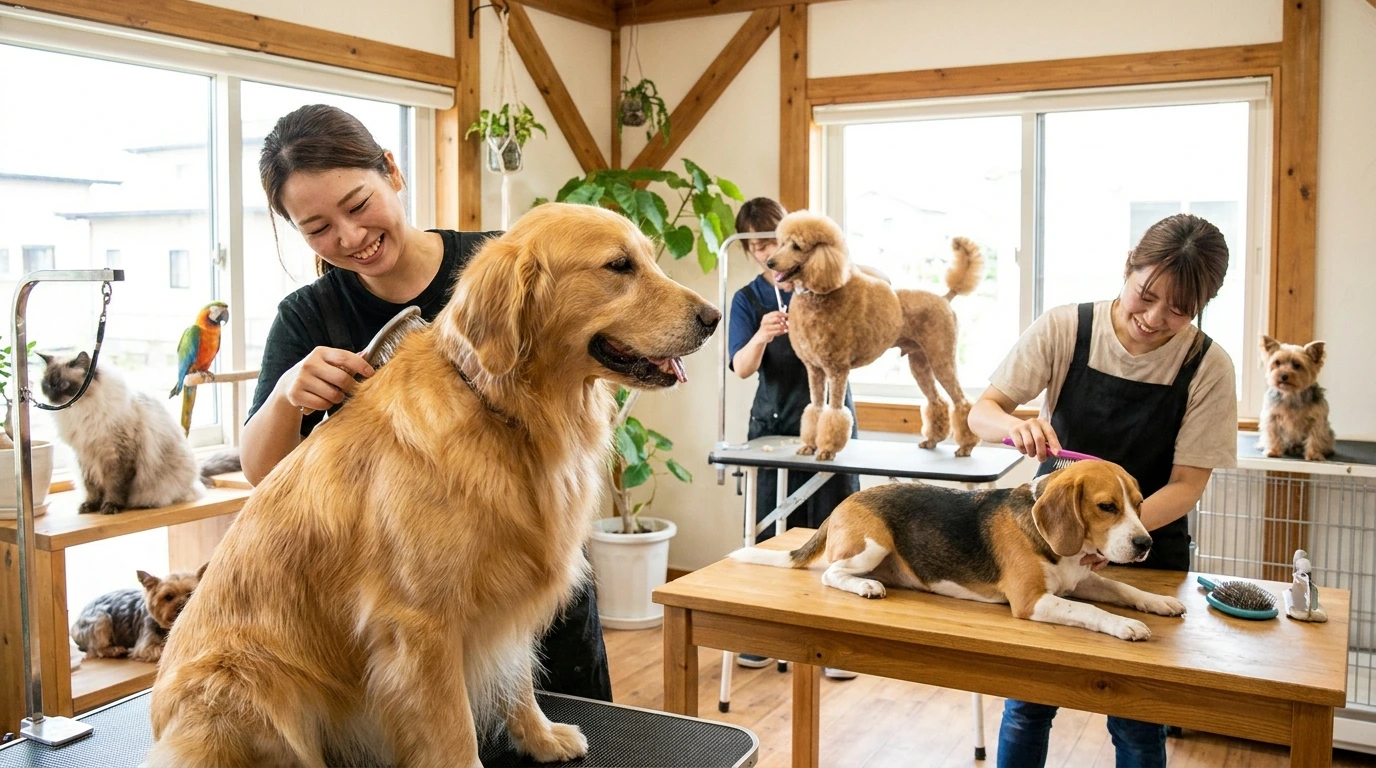
Different breeds have varying coat types, such as short, medium, long, or curly. For example, short-haired breeds like Beagles may require less frequent grooming compared to long-haired breeds like Golden Retrievers, which need regular brushing to prevent tangles and mats. Curly-coated breeds such as Poodles benefit from regular trims to maintain their coat’s shape and health.
Age and Health Considerations
As pets age, their grooming needs may change. Older pets may require more frequent grooming sessions due to decreased mobility or changes in their coat texture. Additionally, pets with health issues or skin conditions may need specialized grooming to avoid irritation or discomfort.
Creating a Grooming Schedule
A well-structured grooming schedule is crucial for keeping your pet looking and feeling their best. Here’s how to develop one tailored to your pet’s needs.
Daily Grooming Tasks
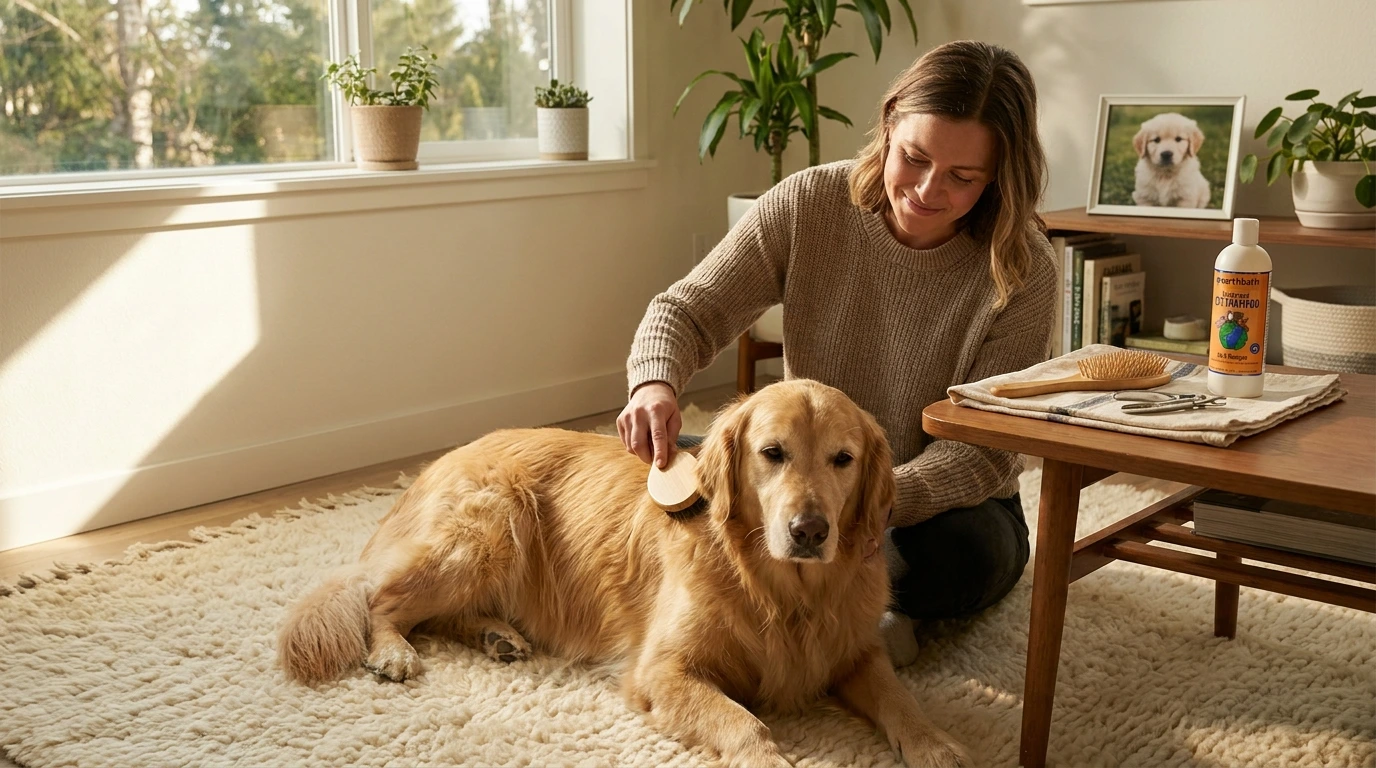
Daily grooming tasks can be simple and quick. Brushing your pet’s coat helps remove loose fur and prevents matting. For example, a quick five-minute brush can suffice for short-haired breeds, while long-haired pets may require a more thorough brushing. Additionally, a daily check for ticks and fleas is essential, especially if your pet spends time outdoors.
Weekly Grooming Tasks
Weekly grooming tasks might include bathing and nail trimming. Most pets benefit from a bath every 4-6 weeks, but some may require more frequent washing based on their activity levels and coat types. Nail trimming should also be done weekly or bi-weekly to prevent overgrowth and discomfort. Using a proper nail clipper can make this task easier.
Monthly Grooming Tasks
On a monthly basis, you should consider scheduling a more in-depth grooming session. This may include a full bath, brushing, nail trimming, and cleaning of the ears and teeth. Regular dental care is vital for your pet’s overall health, so be sure to incorporate teeth brushing into your schedule. If you are unsure how to do this safely, consult your veterinarian for guidance.
Tools and Products for Effective Grooming
Having the right tools can make grooming a more efficient and enjoyable experience for both you and your pet. Here are some essential grooming tools and products to keep in your grooming kit.
Brushing Tools
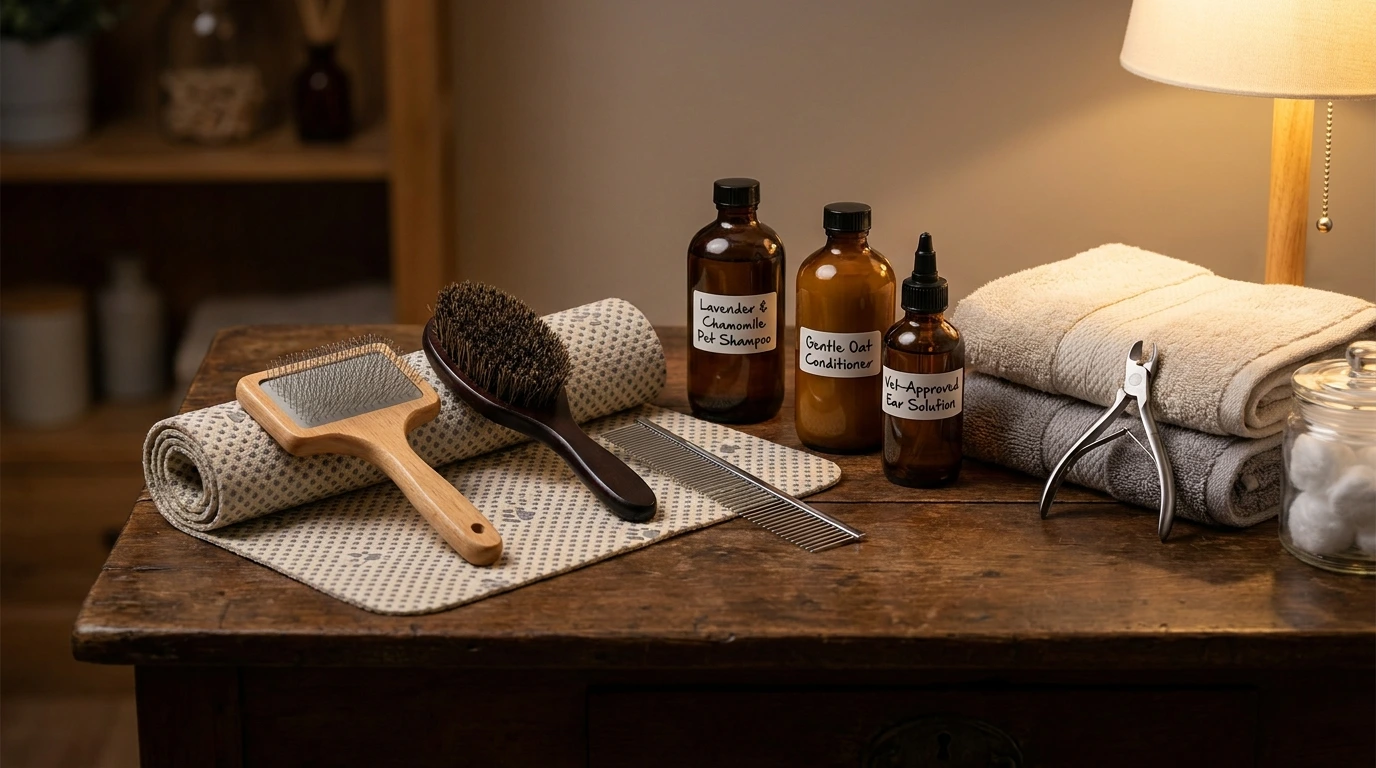
Brushes come in various types, each designed for specific coat types. Slicker brushes are ideal for long-haired pets, while bristle brushes work well for short-haired breeds. For pets with curly coats, a comb can help detangle knots without damaging the hair.
Bathing Supplies
Choose a pet-friendly shampoo that matches your pet’s skin and coat type. Avoid human shampoos, as they can be too harsh for pets. Additionally, gather towels and a non-slip mat for bath time to ensure your pet feels secure.
Nail Trimming and Ear Cleaning Supplies
Invest in high-quality nail clippers or a grinder designed for pets. For ear cleaning, use a vet-approved solution and cotton balls to gently clean the ears without causing irritation. Regular ear cleaning helps prevent infections and keeps your pet comfortable.
Tips for a Positive Grooming Experience
Creating a positive grooming environment will help your pet associate grooming with a pleasant experience. Here are some tips to make grooming easier.
Start Early and Be Patient
If you have a young pet, introduce grooming gradually. Start with short sessions and gradually increase the duration as your pet becomes more comfortable. Be patient, especially with anxious pets, and offer treats and praise to reinforce positive behavior.
Choose a Calm Environment
Grooming should take place in a quiet, comfortable area of your home where your pet feels secure. Minimize distractions and keep grooming sessions relaxed to help your pet remain calm.
FAQs
How often should I groom my pet?
The frequency of grooming depends on your pet’s breed, coat type, and individual needs. Generally, short-haired pets may require grooming once a week, while long-haired pets might need daily attention.
Can I bathe my pet too often?
Yes, over-bathing can strip your pet’s coat of natural oils, leading to dry skin and irritation. It’s best to bathe your pet every 4-6 weeks or as recommended by your veterinarian.
What if my pet doesn’t like being groomed?
If your pet shows signs of anxiety during grooming, try to make the experience more positive by using treats, calm voices, and short sessions. Consult a professional groomer for tips or consider behavioral training if necessary.
Conclusion
Establishing a pet grooming schedule at home is essential for your pet’s health and well-being. By understanding your pet’s grooming needs, creating a structured schedule, and using the right tools, you can ensure a pleasant grooming experience. Regular grooming not only enhances your pet’s appearance but also strengthens the bond between you and your furry companion. With patience and consistency, you can create a routine that keeps your pet happy and healthy.