
Drying your pet after a bath or a rainy day can be a challenge, but doing it safely is essential for their comfort and health. Proper drying techniques not only keep your pet warm but also prevent skin issues and discomfort. In this article, we will explore various methods to effectively and safely dry your pet, ensuring they feel cozy and happy after their wash.
Understanding the Importance of Drying Your Pet
Drying your pet thoroughly is crucial for several reasons. First, wet fur can trap moisture against the skin, leading to skin irritations and infections. Additionally, some pets may feel cold and uncomfortable if not dried properly, especially in cooler weather. Understanding your pet’s specific needs can help you choose the right drying method.
Recognizing Your Pet’s Needs
Each pet is unique, and their drying needs can vary by breed, coat type, and size. For instance, long-haired breeds may take longer to dry than short-haired ones. It’s essential to assess your pet’s specific fur type and comfort level. Some pets may prefer a gentle towel rub, while others might be more tolerant of a dryer. Knowing your pet’s preferences will make the drying process smoother.
Effective Drying Techniques
There are several methods to dry your pet after a bath or a wet outing. Each method has its advantages and is suitable for different situations. Here are some of the most effective techniques:
Towel Drying
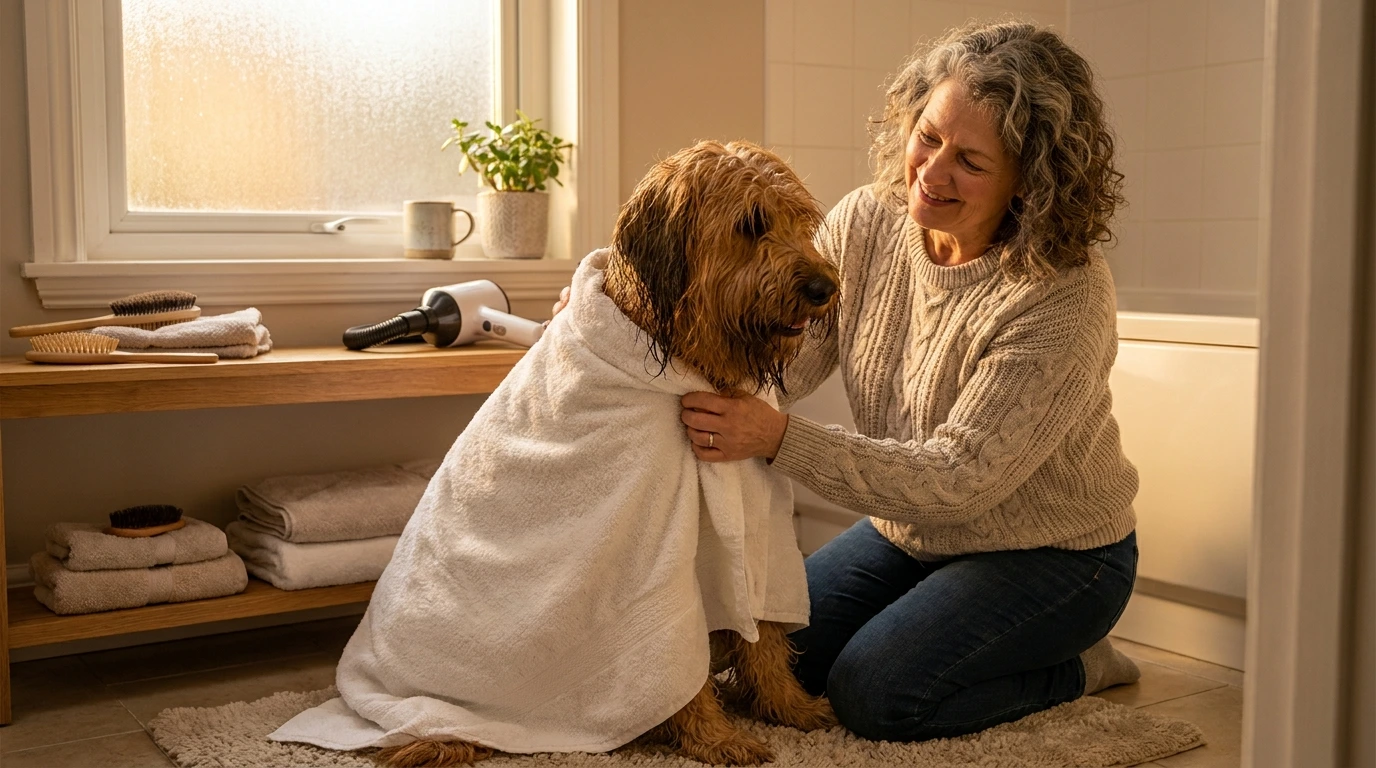
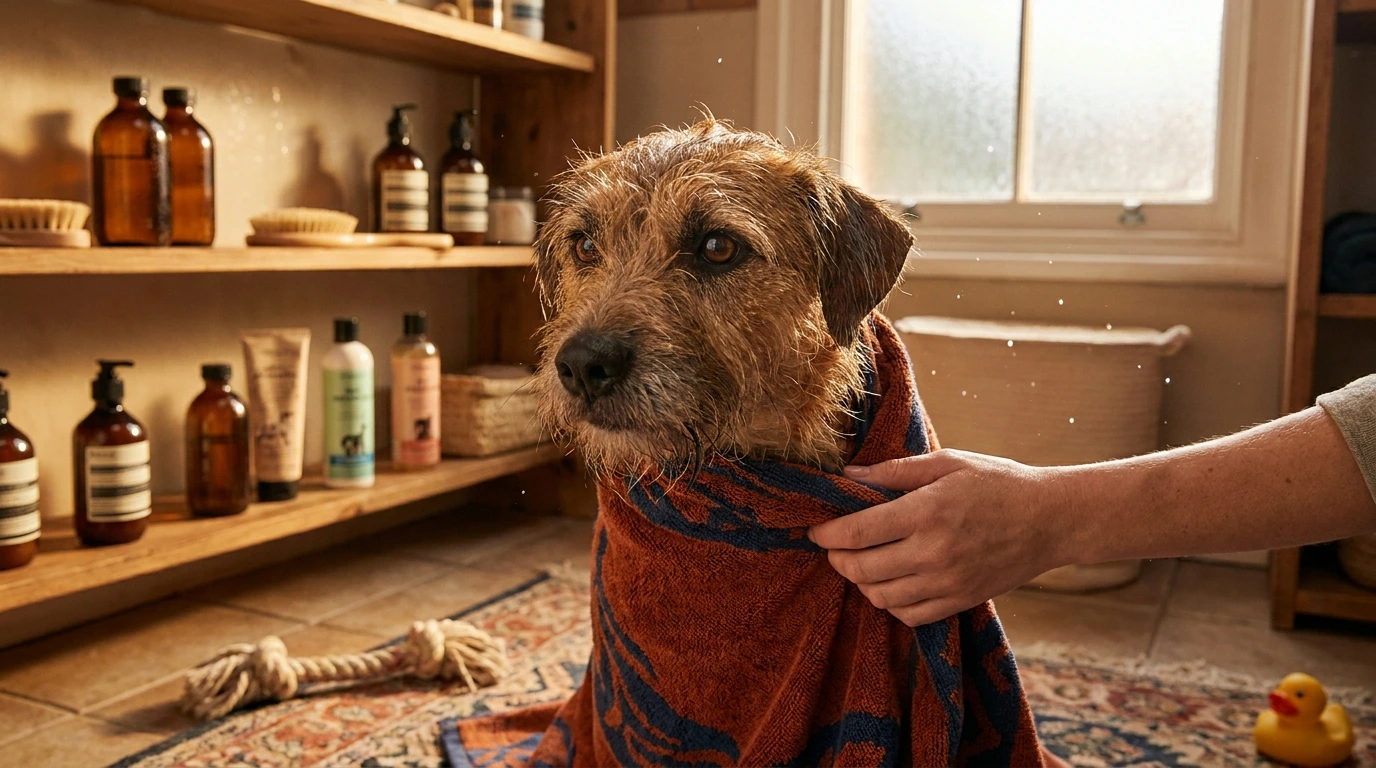
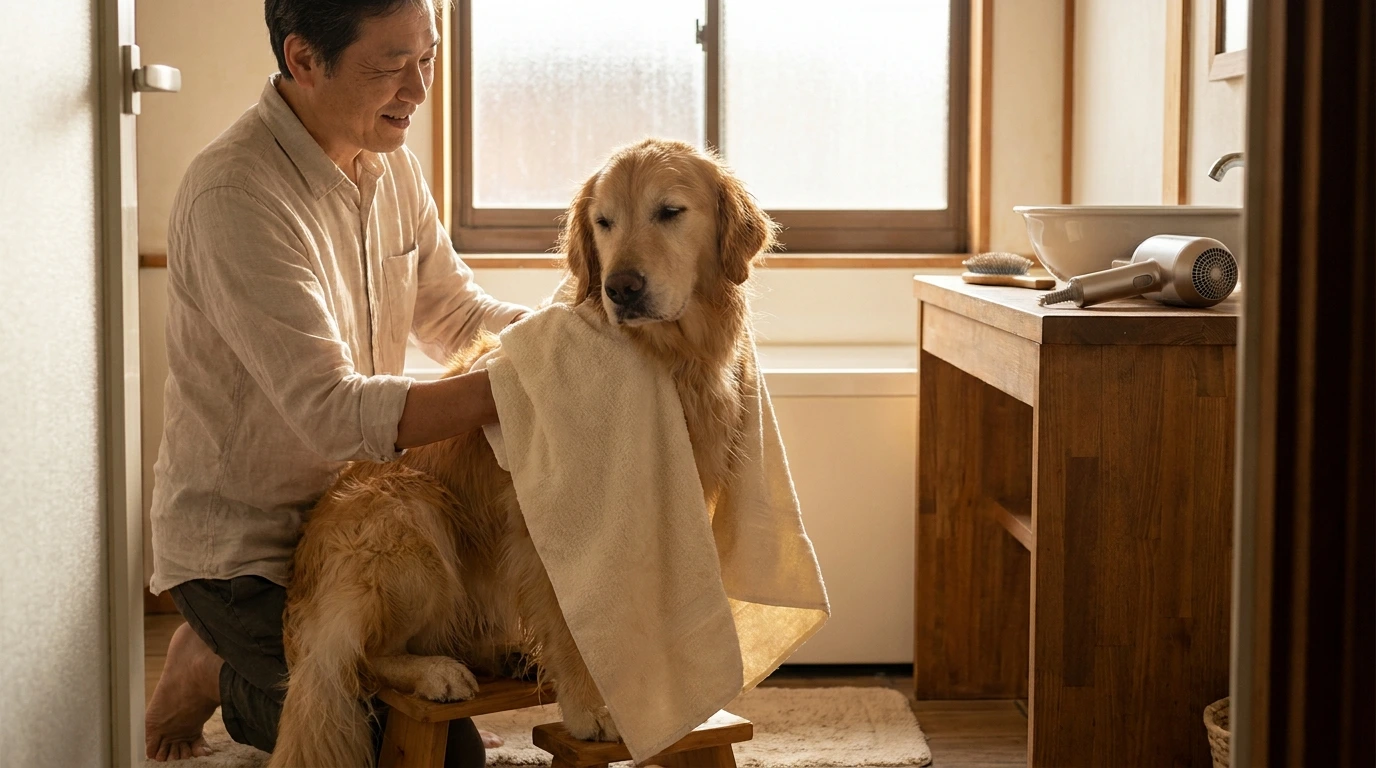
Towel drying is one of the simplest and safest methods for drying your pet. Use a soft, absorbent towel to gently rub your pet’s fur. Start from the head and work your way down to the tail, ensuring you cover all areas. This method is particularly effective for small to medium-sized pets and is suitable for pets that may be anxious about loud noises.
Air Drying
Air drying is a natural method that requires minimal effort. After towel drying, you can allow your pet to air dry in a warm, draft-free area. Ensure that the environment is comfortable and free of cold air. This method works well for pets that are not overly anxious and can be left alone for a short period. However, make sure to supervise them to avoid any accidents.
Using a Pet Dryer
If your pet is comfortable with noise, using a pet-specific dryer can be an efficient way to dry them quickly. These dryers are designed to be quieter and less intimidating than regular hair dryers. When using a pet dryer, keep the nozzle at a distance to prevent overheating and adjust the speed according to your pet’s comfort level. Always start with a low setting to gauge your pet’s reaction.
Safety Tips for Drying Your Pet
While drying your pet, safety should always be your top priority. Here are some essential tips to ensure the process is safe and comfortable:
Check the Temperature
When using any drying method, particularly a pet dryer, always check the temperature. Pets can easily overheat, so it’s crucial to keep the drying device at a safe distance and use a lower heat setting. If your pet shows signs of discomfort, such as panting or restlessness, stop immediately and allow them to cool down.
Be Gentle
Regardless of the method you choose, be gentle with your pet. Rough handling can cause stress and anxiety. Use soft movements to avoid pulling on their fur or causing discomfort. If your pet is particularly anxious, consider speaking softly to reassure them during the process.
Be Mindful of Sensitive Areas
Pay attention to sensitive areas such as the ears, paws, and belly. These areas often require extra care when drying. Use a soft towel or your hands to gently pat these areas dry, ensuring you do not cause any irritation or discomfort. For pets with long hair, be cautious when using a dryer near these sensitive spots.
FAQs
How often should I dry my pet after a bath?
It is best to dry your pet thoroughly after every bath. Regular drying helps prevent skin issues and keeps your pet comfortable. If your pet gets wet from rain or swimming, ensure they are dried promptly to avoid chills or skin infections.
Can I use a regular hair dryer on my pet?
While you can use a regular hair dryer, it’s advisable to use a pet-specific dryer. Regular dryers can be too loud and may overheat your pet’s skin. If using a regular hair dryer, keep it on a low setting and maintain a safe distance from your pet’s fur.
What should I do if my pet is afraid of the dryer?
If your pet is fearful of the dryer, try towel drying first and gradually introduce the dryer by allowing them to become familiar with its sound. Always use positive reinforcement, such as treats and praise, to create a positive association. If they remain anxious, stick to towel drying or air drying methods.
Is it necessary to dry my pet if they have short hair?
While short-haired pets may dry faster, it is still important to ensure they are dry after a bath or getting wet. Moisture can still cause skin irritation and discomfort. A quick towel drying will help keep them comfortable and healthy.
Conclusion
Drying your pet safely is an essential part of pet care that contributes to their overall well-being. Whether you choose towel drying, air drying, or using a pet dryer, always prioritize your pet’s comfort and safety. By understanding your pet’s needs and following best practices, you can ensure a positive and effective drying experience. With proper care and attention, your pet will remain healthy, happy, and cozy after every bath or wet adventure.