
Keeping your pet’s fur shiny and healthy is not just about aesthetics; it reflects their overall health and well-being. A shiny coat is often a sign of a well-nourished and properly cared-for pet. In this article, we will explore various methods to maintain and enhance the shine of your pet’s fur, including dietary tips, grooming techniques, and environmental factors that play a crucial role in fur health.
Understanding the Importance of a Shiny Coat
A shiny coat is a visible indicator of your pet’s health. It can signify that your pet is well-hydrated, receiving proper nutrition, and is free from underlying health issues. Regular grooming and a balanced diet are essential in maintaining that shine. Understanding these fundamentals can help pet owners take proactive steps to ensure their furry companions look and feel their best.
The Role of Nutrition
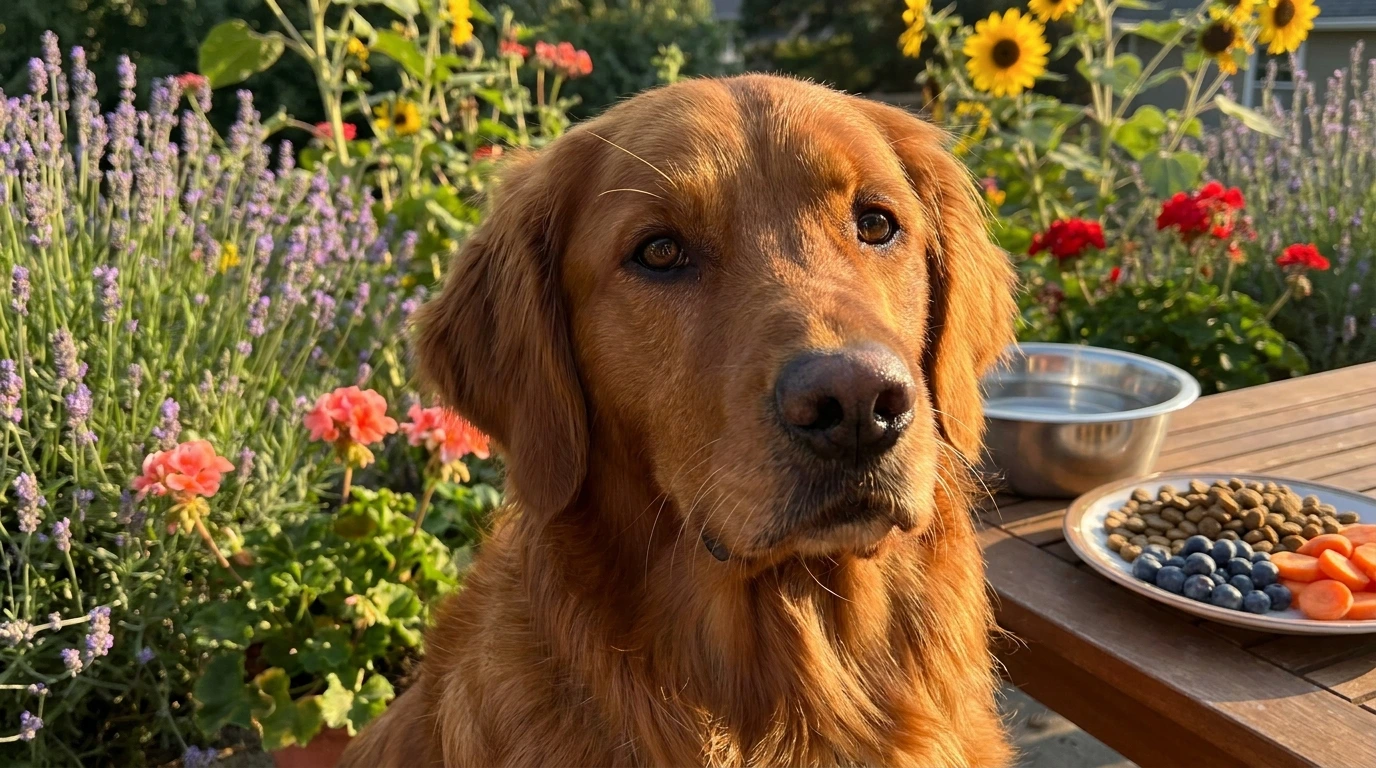
Nutrition is the cornerstone of maintaining a shiny coat. A well-balanced diet rich in essential fatty acids, vitamins, and minerals is crucial. Omega-3 and Omega-6 fatty acids, found in fish oil and flaxseed oil, are particularly beneficial for skin and coat health. Incorporating high-quality proteins and fruits and vegetables can also contribute to a glossy coat.
Hydration Matters
Staying hydrated is essential for every living being, including pets. Dehydration can lead to dry skin and dull fur. Ensure your pet has constant access to fresh, clean water. If your pet is reluctant to drink, consider adding water to their food or providing wet food options to help increase their fluid intake.
Grooming Techniques for a Shiny Coat
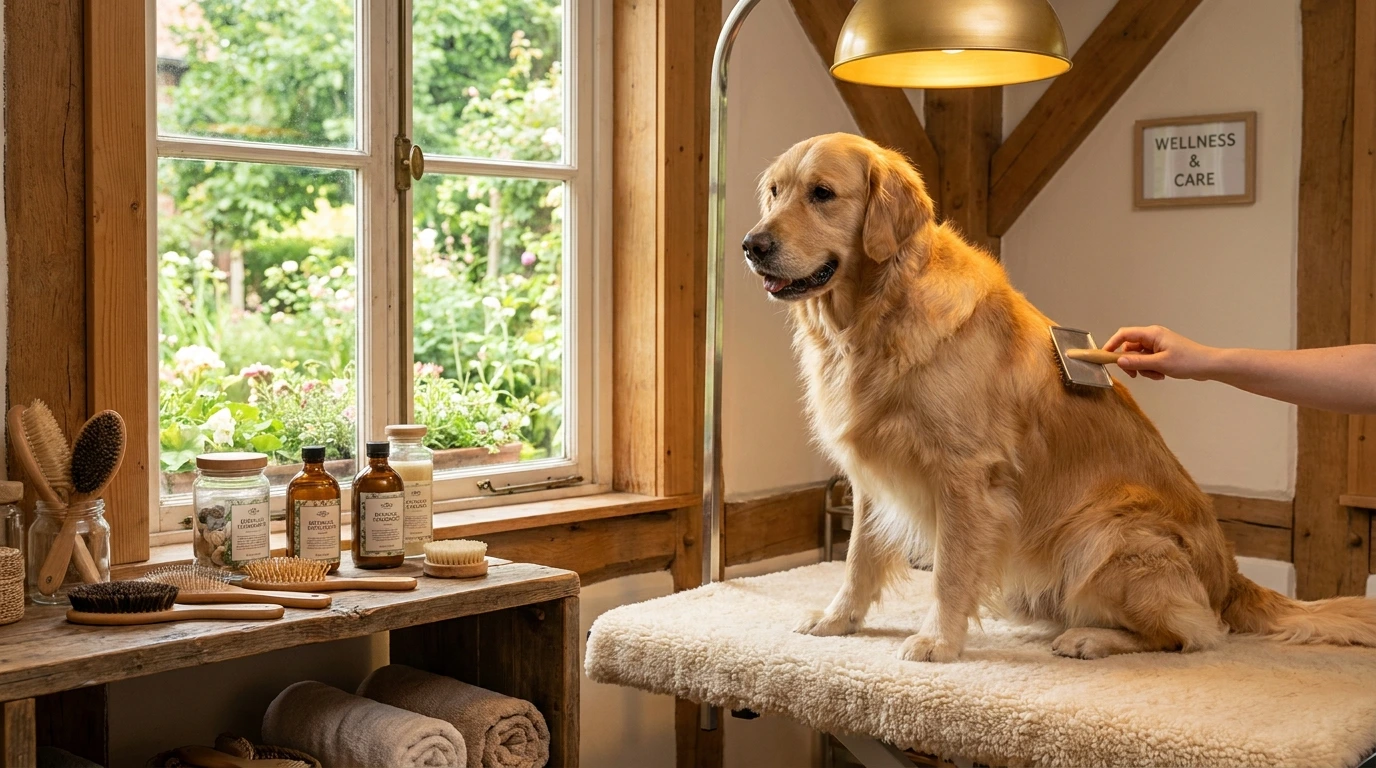
Regular grooming is vital for maintaining your pet’s fur. It not only helps remove dirt and loose hair but also distributes natural oils throughout the coat, enhancing its shine. The grooming frequency and technique may vary depending on your pet’s breed and coat type.
Brushing Regularly
Brushing your pet’s coat regularly helps remove dead hair and debris. For dogs and cats with long fur, brushing should occur daily, while short-haired breeds may require brushing a few times a week. Choose the right brush based on your pet’s coat type; slicker brushes work well for long hair, while bristle brushes suit short hair.
While bathing is essential, too much can strip the natural oils from your pet’s coat. Generally, bathing every 4 to 6 weeks is sufficient, but this can vary based on your pet’s lifestyle and skin condition. Use a mild, pet-specific shampoo that can help maintain the natural oils and avoid harsh chemicals that can cause dryness. Environmental Factors Affecting Coat Shine The environment in which your pet lives can significantly impact their coat’s health. Factors like humidity, temperature, and exposure to certain elements can affect the shine and overall condition of your pet’s fur. Climate Considerations
In humid conditions, pets may have a naturally shinier coat due to increased moisture in the air, while dry climates can lead to dry skin and dull fur. If you live in a dry area, consider using a humidifier in your home to help maintain skin moisture and coat quality.
Preventing Allergies and Irritants
Allergens and irritants in your pet’s environment can lead to skin issues, which in turn affect coat shine. Regularly cleaning your pet’s living space and using hypoallergenic products can help minimize exposure to these irritants. Additionally, consult your veterinarian if you suspect allergies are affecting your pet’s coat condition.
Supplements for Enhanced Coat Health
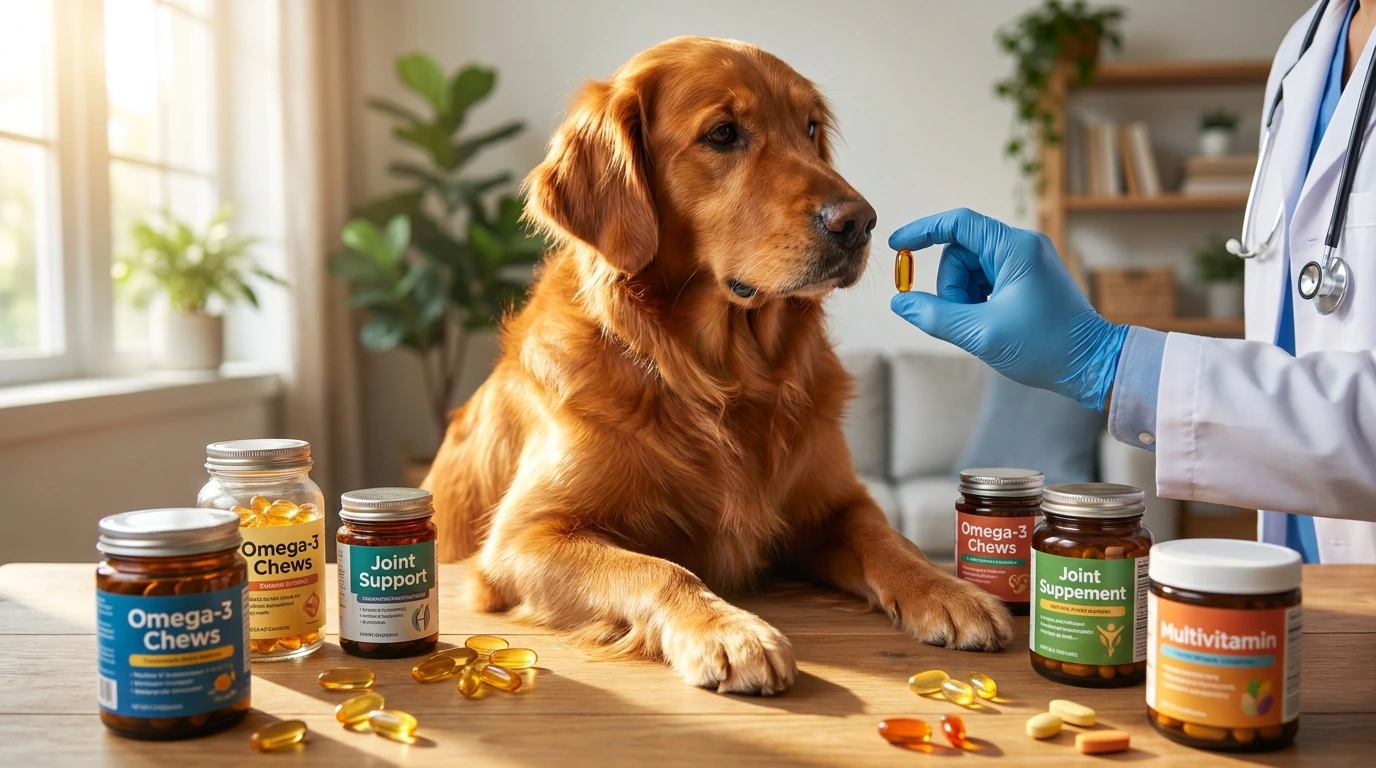
In some cases, adding supplements to your pet’s diet can improve coat health. Fish oil capsules or specific dietary supplements designed for skin and coat health can provide essential nutrients that may be lacking in your pet’s diet.
Consulting Your Veterinarian
Before introducing any new supplements, it is advisable to consult your veterinarian. They can recommend the most suitable products based on your pet’s specific needs and health status.
FAQs
How often should I groom my pet to maintain a shiny coat?
The frequency of grooming depends on your pet’s coat type. Long-haired pets may require daily grooming, while short-haired breeds usually need brushing a few times a week.
Can diet alone improve my pet’s coat condition?
While diet plays a crucial role in coat health, it should be complemented by proper grooming and care. A well-rounded approach ensures the best results for maintaining a shiny coat.
Is it necessary to use special shampoos for bathing my pet?
Yes, using pet-specific shampoos is essential as they are formulated to maintain the natural oils in your pet’s coat and avoid skin irritation. Avoid human shampoos as they can be too harsh.
What are the signs of a healthy coat?
A healthy coat is shiny, smooth, and free from excessive shedding or bald spots. The skin underneath should be clean and free from redness or irritation.
Conclusion
Maintaining a shiny coat for your pet requires a holistic approach that includes proper nutrition, regular grooming, and attention to environmental factors. By combining these elements, you can help ensure your furry friend not only looks great but also feels their best. Taking these proactive steps benefits your pet’s appearance and contributes to their overall health and happiness.