
As our feline friends age, they require special care and attention, especially when it comes to grooming. Senior cats may face various challenges that can affect their grooming routine, such as reduced mobility, changes in coat condition, and health issues. Understanding how to effectively groom a senior cat not only helps maintain their physical appearance but also contributes to their overall well-being. This article provides essential grooming tips tailored specifically for senior cats, ensuring they remain healthy and comfortable in their golden years.
Understanding the Grooming Needs of Senior Cats
Senior cats often experience changes in their grooming needs due to age-related factors. These changes can include decreased activity levels, arthritis, and changes in their skin and coat. Recognizing these factors is crucial for providing appropriate grooming care.
Physical Changes in Senior Cats
As cats age, their physical abilities may decline. For instance, senior cats may have joint stiffness or pain, making it difficult for them to groom themselves effectively. Additionally, their skin can become drier, leading to a dull or matted coat. Observing these changes helps caregivers determine the level of grooming assistance required.
Behavioral Changes and Grooming
Older cats may also exhibit behavioral changes that affect grooming. They might become less tolerant of handling due to discomfort or stress. Understanding your cat’s mood and preferences can help create a more positive grooming experience. Regular, gentle grooming sessions can help build trust and comfort.
Essential Grooming Tips for Senior Cats
To ensure your senior cat remains comfortable and well-groomed, consider the following tips tailored to their unique needs.
Regular Brushing
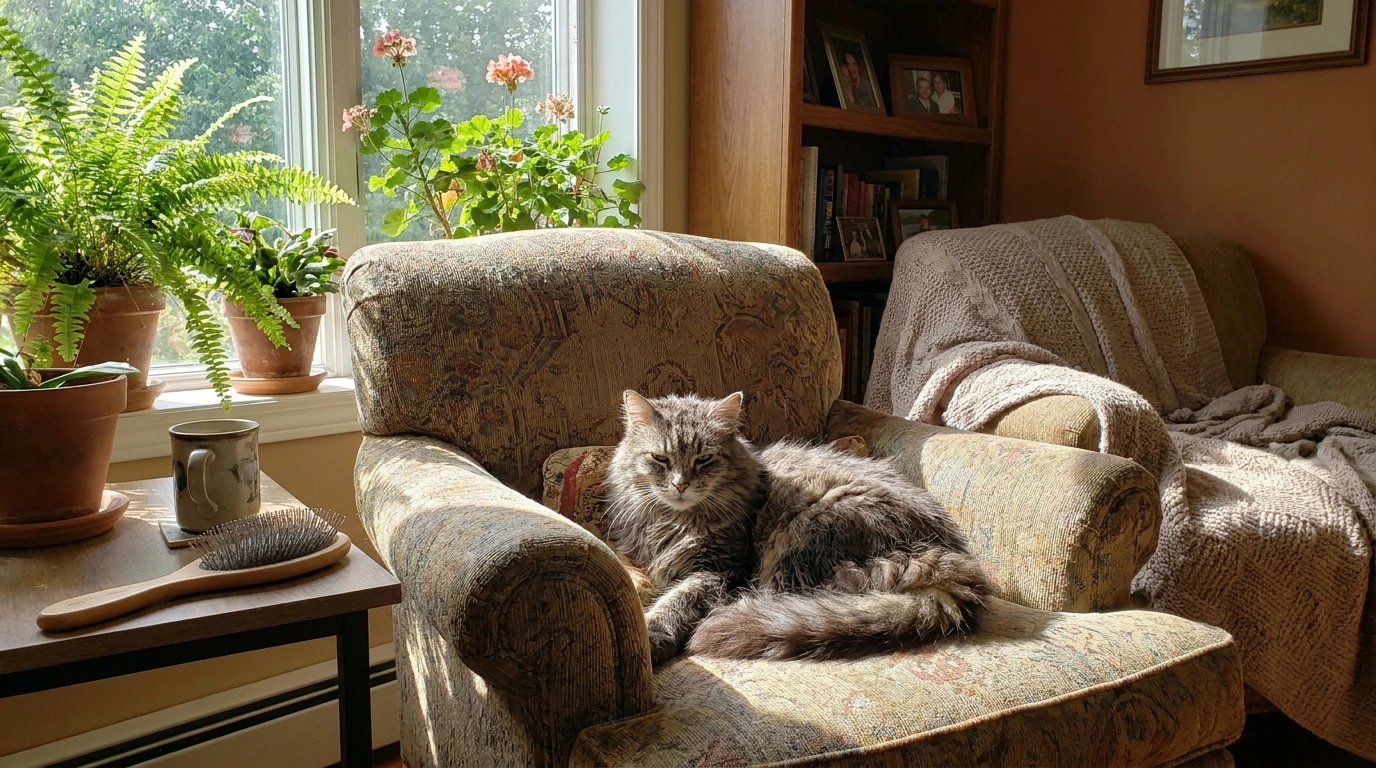
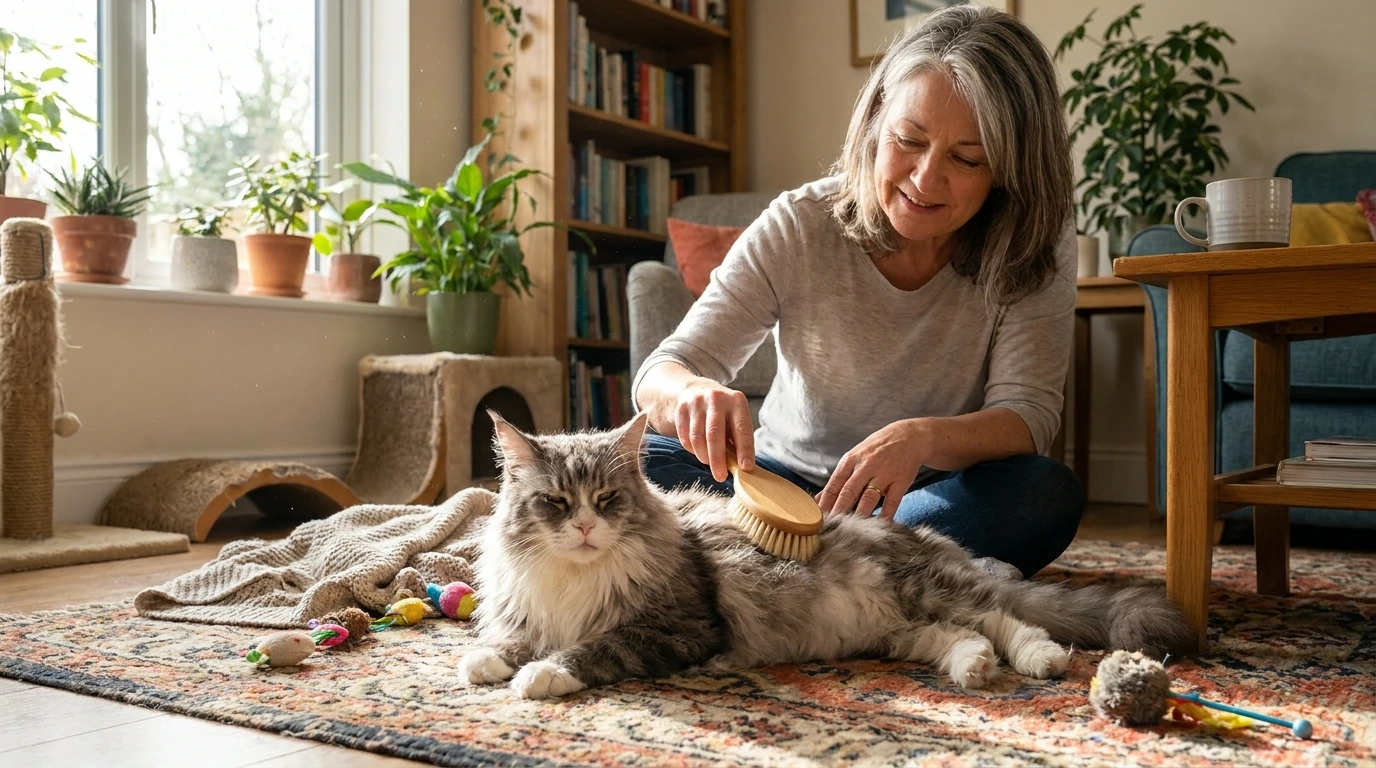
Frequent brushing is vital for senior cats, especially those with long or thick fur. Brushing helps remove loose hair, dirt, and debris while preventing matting. Use a soft-bristle brush or a comb designed for sensitive skin. Aim for short sessions several times a week to avoid overwhelming your cat.
Bathing Considerations
While most cats are adept at grooming themselves, senior cats may need occasional baths if their coat becomes particularly dirty or greasy. Use a gentle, cat-safe shampoo and warm water. Ensure the environment is warm to prevent your cat from getting cold. Dry them thoroughly afterward with a soft towel, and avoid using a blow dryer, which can be frightening for some cats.
Nail Trimming Techniques
Regular nail trimming is essential to prevent overgrowth and discomfort. Senior cats may become less active, leading to less natural wear on their claws. Use a pair of cat nail clippers and trim only the sharp tips of the claws, avoiding the quick. If you’re unsure, consult your veterinarian for guidance or assistance.
Ear and Eye Care
Senior cats are more susceptible to ear and eye issues. Regularly check your cat’s ears for wax buildup or signs of infection, such as redness or odor. Clean them gently with a vet-recommended solution. For eyes, look for excessive tearing or discharge, which may indicate underlying health issues. Consult your veterinarian if you notice any concerning symptoms.
Dental Hygiene
Dental health is often overlooked in senior cats, yet it plays a crucial role in their overall well-being. Regular dental cleanings from a veterinarian are essential, but you can also help at home. Offer dental treats and use cat-safe toothpaste with a toothbrush designed for cats to maintain their oral hygiene.
Creating a Comfortable Grooming Environment
The environment plays a significant role in how your senior cat responds to grooming. A calm, quiet space can help reduce stress and anxiety. Here are some tips for creating a comfortable grooming area.
Choose the Right Location
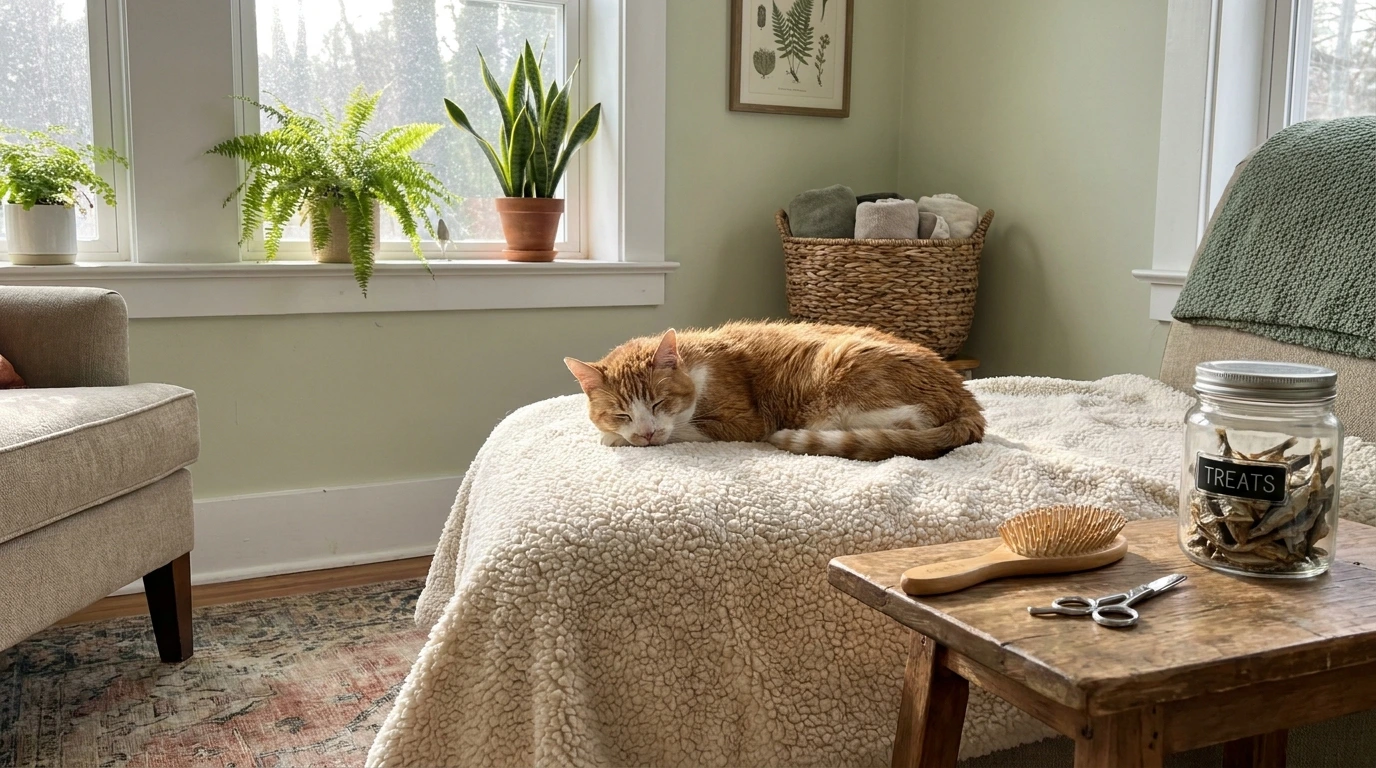
Find a quiet, well-lit area in your home where your cat feels safe. Avoid loud noises or distractions that may make your cat anxious. A comfortable surface, such as a soft blanket, can help them relax during grooming sessions.
Use Positive Reinforcement
Encouraging good behavior during grooming can be achieved through positive reinforcement. Offer treats, praise, or gentle petting to reward your cat for cooperating. This approach can help create a more enjoyable experience for both you and your senior cat.
FAQs
How often should I groom my senior cat?
Frequency depends on your cat’s coat type and condition. Long-haired cats may require grooming several times a week, while short-haired cats may only need it once a week. Monitor their coat and adjust accordingly.
What if my senior cat resists grooming?
It’s common for some cats to resist grooming. Start with short sessions and gradually increase the time as your cat becomes more comfortable. Always use gentle techniques and consider using treats as incentives.
Are there specific grooming tools for senior cats?
Using soft-bristle brushes, wide-toothed combs, and specialized nail clippers can make grooming easier and more comfortable for senior cats. Look for tools designed with sensitivity in mind.
When should I consult a veterinarian about my cat’s grooming needs?
If you notice significant changes in your cat’s coat, skin condition, or if they are showing signs of pain or discomfort during grooming, it’s essential to consult your veterinarian. They can provide additional guidance and check for underlying health issues.
Conclusion
Grooming senior cats requires a thoughtful approach that accommodates their unique physical and behavioral changes. By understanding their needs and implementing gentle grooming techniques, you can help maintain their health and well-being. Regular grooming not only improves their appearance but also strengthens the bond between you and your feline companion. With patience and care, grooming can become a positive experience for both you and your senior cat.