
Brushing your dog is not just a grooming task; it is an essential part of maintaining their health and well-being. Understanding how to brush your dog effectively can make a significant difference in their coat’s appearance and comfort. This guide will walk you through the steps to brush your dog like a professional groomer, ensuring that you and your furry friend enjoy the grooming process together.
Understanding Your Dog’s Coat Type
Before diving into the brushing process, knowing your dog’s coat type is crucial. Dog coats can be classified into several categories: short-haired, long-haired, curly, and wiry. Each type requires different brushing techniques and tools.
Short-Haired Dogs
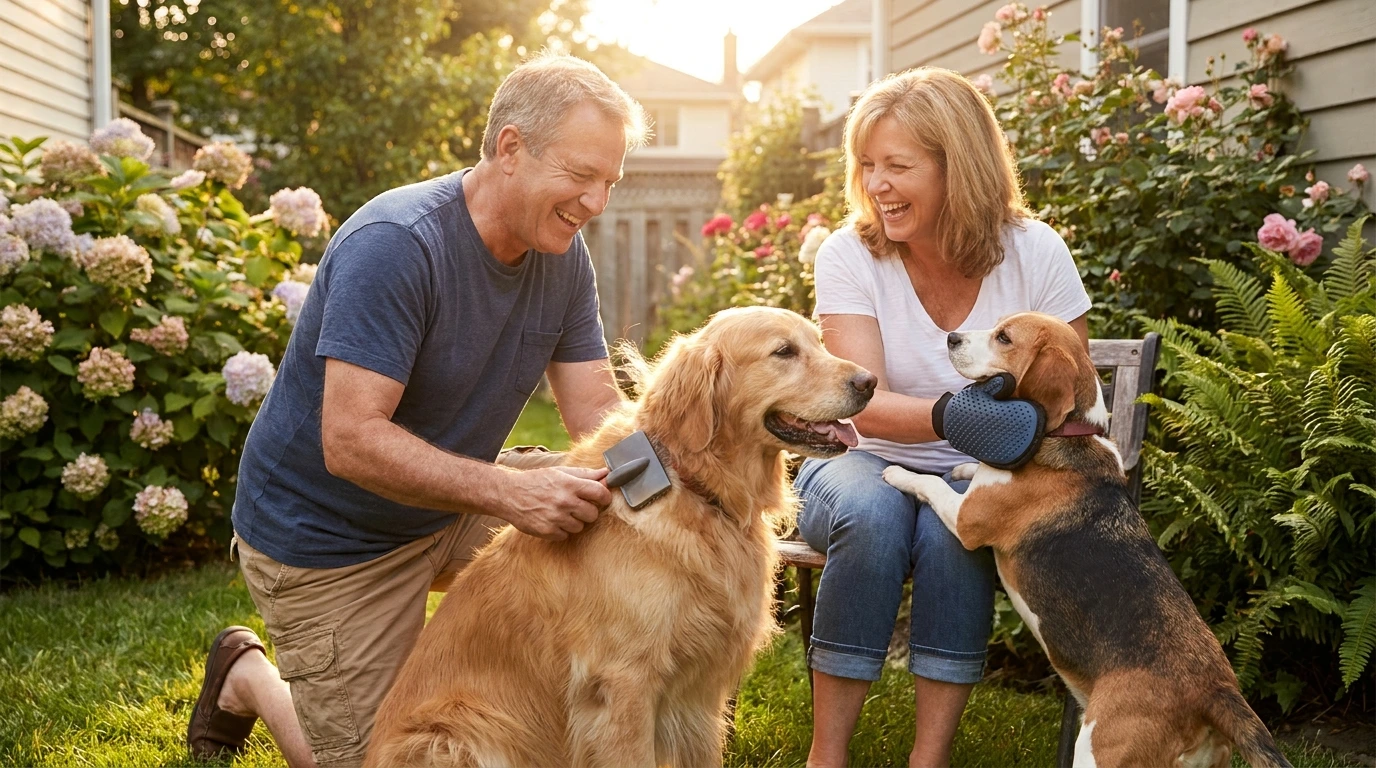
For short-haired breeds like Beagles and Boxers, brushing is relatively straightforward. A rubber grooming mitt or a soft bristle brush is usually sufficient. Brushing these dogs helps remove loose hair and dander, promoting a healthier coat.
Long-Haired Dogs
Long-haired breeds such as Golden Retrievers and Shih Tzus require more attention. A slicker brush and a wide-toothed comb are essential tools. The slicker brush helps remove tangles and debris, while the comb can help to smooth out the coat afterward.
Curly and Wiry Coats
Dogs with curly coats, like Poodles, and wiry coats, like Airedales, need specific care to prevent matting. A pin brush followed by a wide-toothed comb is effective. Regular brushing helps maintain their unique texture and prevents painful tangles.
Gathering the Right Tools
Having the right grooming tools is essential for effective brushing. Here are some must-have items to consider for your dog grooming kit.
Brushes and Combs
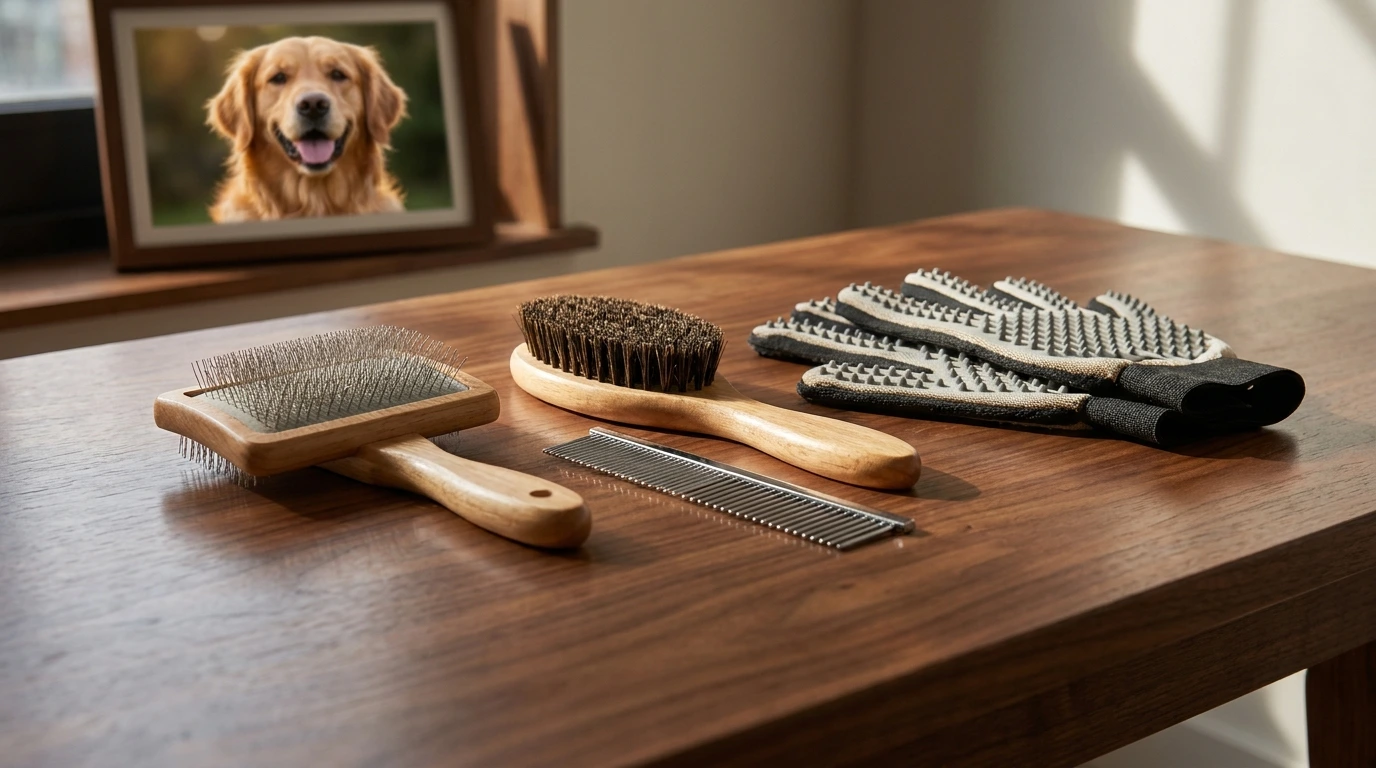
Invest in a variety of brushes tailored to your dog’s coat type. For instance, slicker brushes work well for long-haired dogs, while bristle brushes are better for short-haired breeds. Additionally, a comb is necessary for detangling and smoothing the coat.
Grooming Gloves
Grooming gloves are a handy tool for removing loose hair while petting your dog. They can be especially useful for short-haired breeds, allowing you to bond while reducing shedding.
De-shedding Tools
If your dog sheds significantly, consider a de-shedding tool like the Furminator. This tool effectively removes loose undercoat hair without damaging the top coat, making it a favorite among groomers.
Preparing Your Dog for Grooming
Preparation is key to a successful grooming session. Ensuring your dog is comfortable can greatly affect the experience.
Creating a Calm Environment
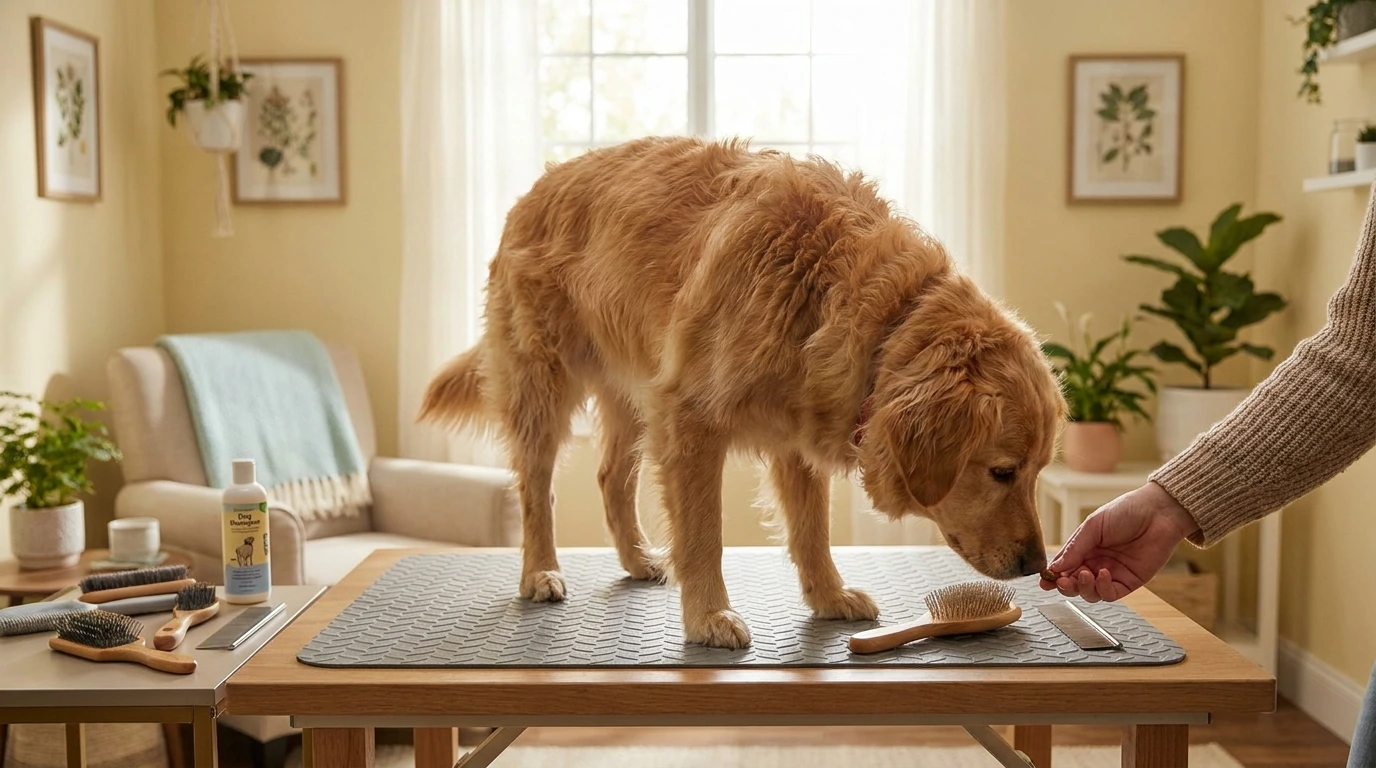
Choose a quiet area free from distractions. This helps your dog feel more at ease. You can also use a non-slip mat to prevent slipping while grooming.
Getting Your Dog Used to the Process
Introduce your dog to the grooming tools gradually. Allow them to sniff the brushes and combs before starting. Use treats and praise to create positive associations with the grooming process.
The Brushing Technique
Now that you have the right tools and your dog is ready, it’s time to brush! Following a systematic approach ensures you cover all areas effectively.
Starting from the Head
Begin brushing at the head and work your way down the body. Use gentle strokes and be cautious around sensitive areas like the ears and face. Always brush in the direction of hair growth to avoid discomfort.
Paying Attention to Problem Areas
Focus on problem areas prone to tangles, such as behind the ears, under the legs, and around the tail. Use a comb to gently detangle any knots before brushing these regions thoroughly.
Finishing Touches
Once you have brushed your dog’s entire body, give a final comb-through to ensure everything is smooth and neat. This step also helps distribute natural oils throughout the coat, enhancing its shine and health.
Maintaining Your Dog’s Coat Between Grooming Sessions
Regular maintenance at home can keep your dog’s coat looking great between professional grooming sessions. Here are some helpful tips.
Regular Brushing Schedule
Establish a regular brushing schedule based on your dog’s coat type. Short-haired dogs may only need brushing once a week, while long-haired breeds may require daily attention. Consistency helps prevent matting and keeps shedding in check.
Bathing and Conditioning
Regular baths are also essential for maintaining a healthy coat. Use a quality dog shampoo and conditioner to keep the skin and coat clean and moisturized. Be sure to thoroughly rinse to prevent skin irritation.
FAQs
How often should I brush my dog?
The frequency of brushing depends on your dog’s coat type. Short-haired dogs typically require less frequent brushing, while long-haired breeds may need daily grooming to prevent tangles.
What should I do if my dog has mats?
If your dog has mats, gently work on them with your fingers first. If they are too tight, use a dematting tool or scissors, but be cautious not to cut the skin. If you’re unsure, consult a professional groomer.
Can I brush my dog wet or should it be dry?
It’s generally best to brush your dog when their coat is dry. Wet hair can become tangled more easily, making brushing more difficult and uncomfortable for your dog.
What if my dog doesn’t like being brushed?
If your dog resists brushing, take the process slow and use positive reinforcement. Offer treats and praise to create a more pleasant experience. A gradual introduction to grooming can help them become more comfortable over time.
Conclusion
Brushing your dog like a groomer is a rewarding experience that promotes health and strengthens your bond. By understanding your dog’s coat type, using the right tools, and employing proper techniques, you can ensure that your pet stays comfortable and their coat remains beautiful. Regular grooming not only enhances your dog’s appearance but also contributes to their overall well-being. Embrace grooming as a time to connect with your furry friend, and both of you will appreciate the benefits it brings.