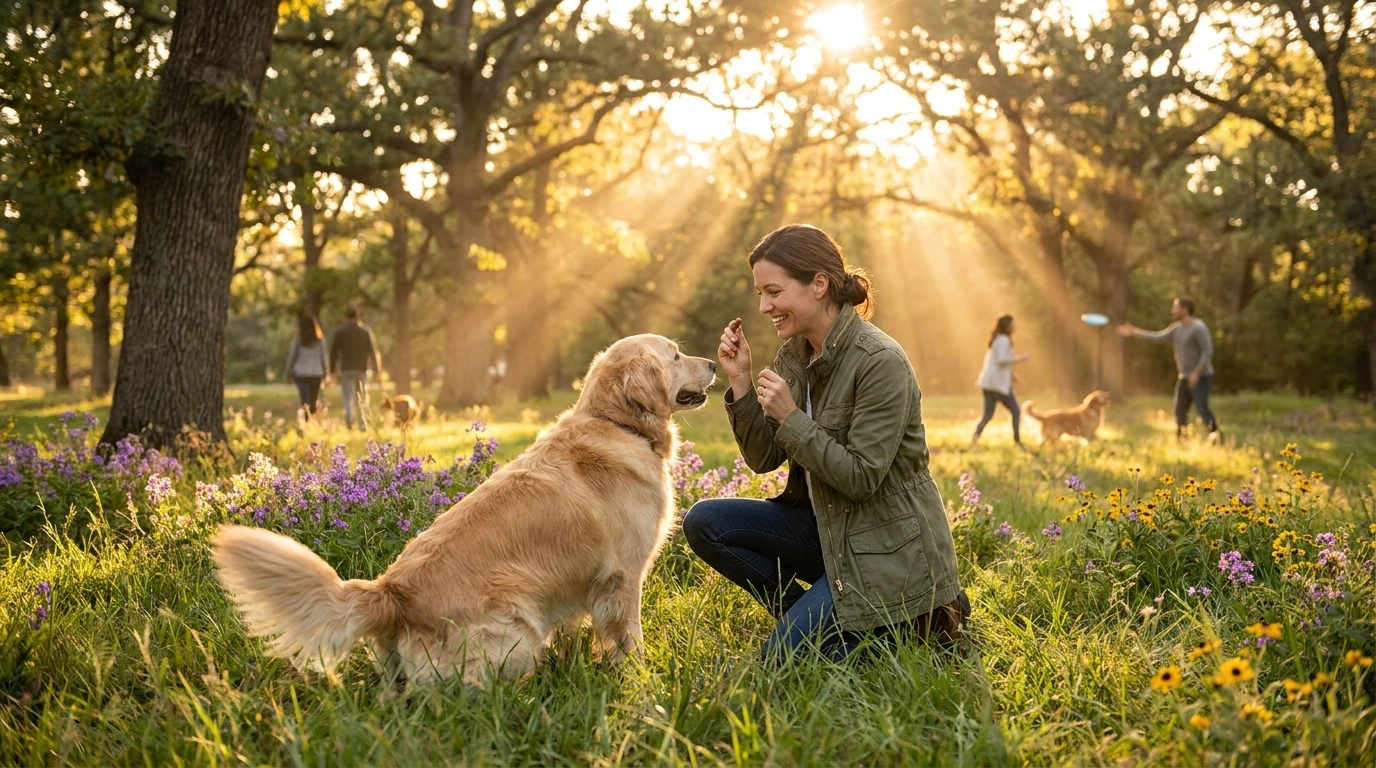
Teaching your dog basic commands is an essential part of responsible pet ownership and helps establish a strong bond between you and your furry friend. Training not only enhances your dog’s behavior but also ensures their safety and improves their overall quality of life. This guide will provide you with effective techniques to teach your dog essential commands, fostering a well-mannered pet.
Why Teach Basic Commands?
Basic commands are the foundation of good dog behavior. They promote safety, improve communication, and enhance your dog’s mental stimulation. Commands like “sit,” “stay,” and “come” can prevent dangerous situations and help your dog navigate complex environments.
Promotes Safety
Teaching your dog commands can be a lifesaver. For instance, the “come” command can prevent your dog from running into traffic or getting lost. When a dog understands basic commands, they are less likely to engage in risky behaviors, which can benefit both the pet and the owner.
Enhances Communication
Training establishes a clear line of communication between you and your dog. When your dog learns to respond to commands, they become more in tune with your expectations, leading to a more harmonious relationship. This mutual understanding can help reduce frustration for both parties.
Mental Stimulation
Dogs are intelligent animals that thrive on mental challenges. Teaching commands provides them with the mental stimulation they require to stay engaged and happy. Regular training sessions can prevent boredom, which often leads to destructive behaviors.
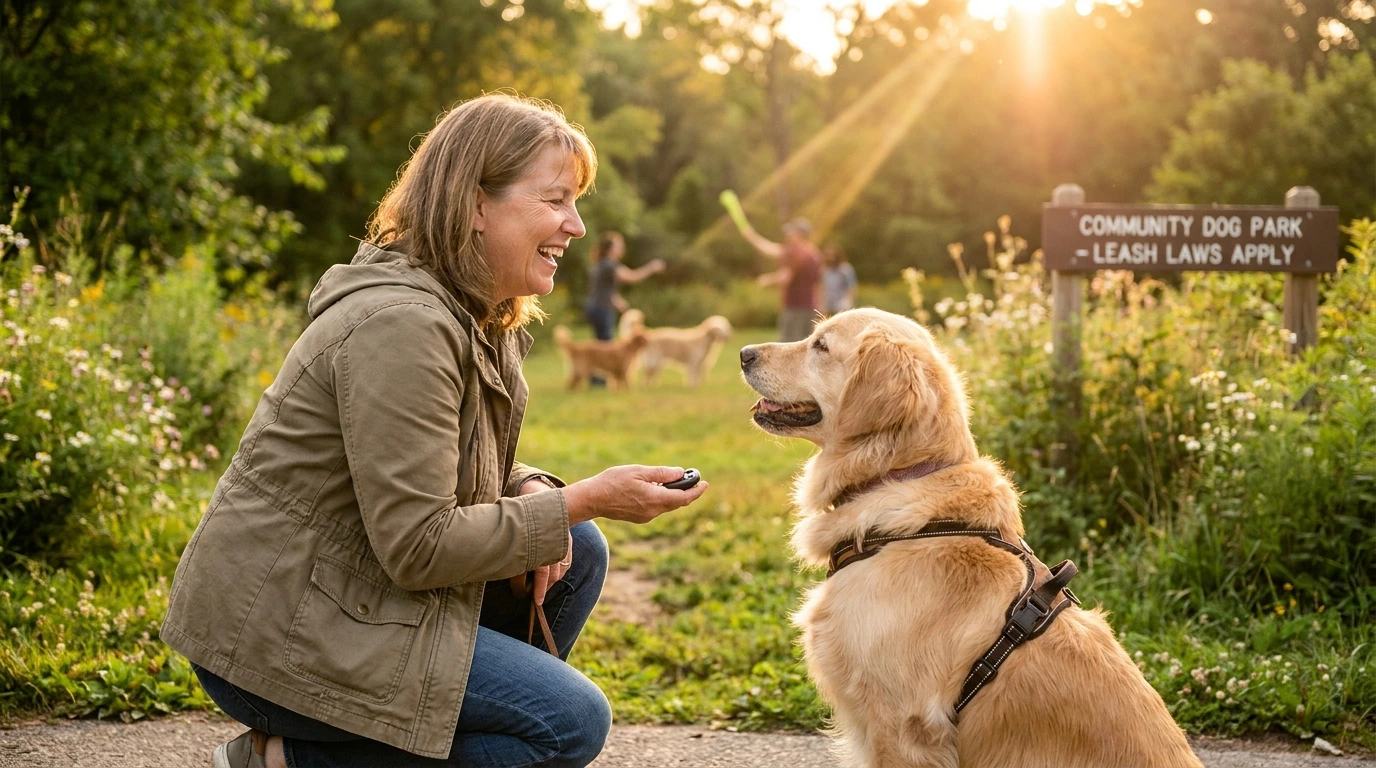
Essential Commands to Teach Your Dog
While there are many commands you can teach your dog, starting with a few essential ones will lay a strong foundation for further training. Here are some of the most important commands every dog should know.
1. Sit
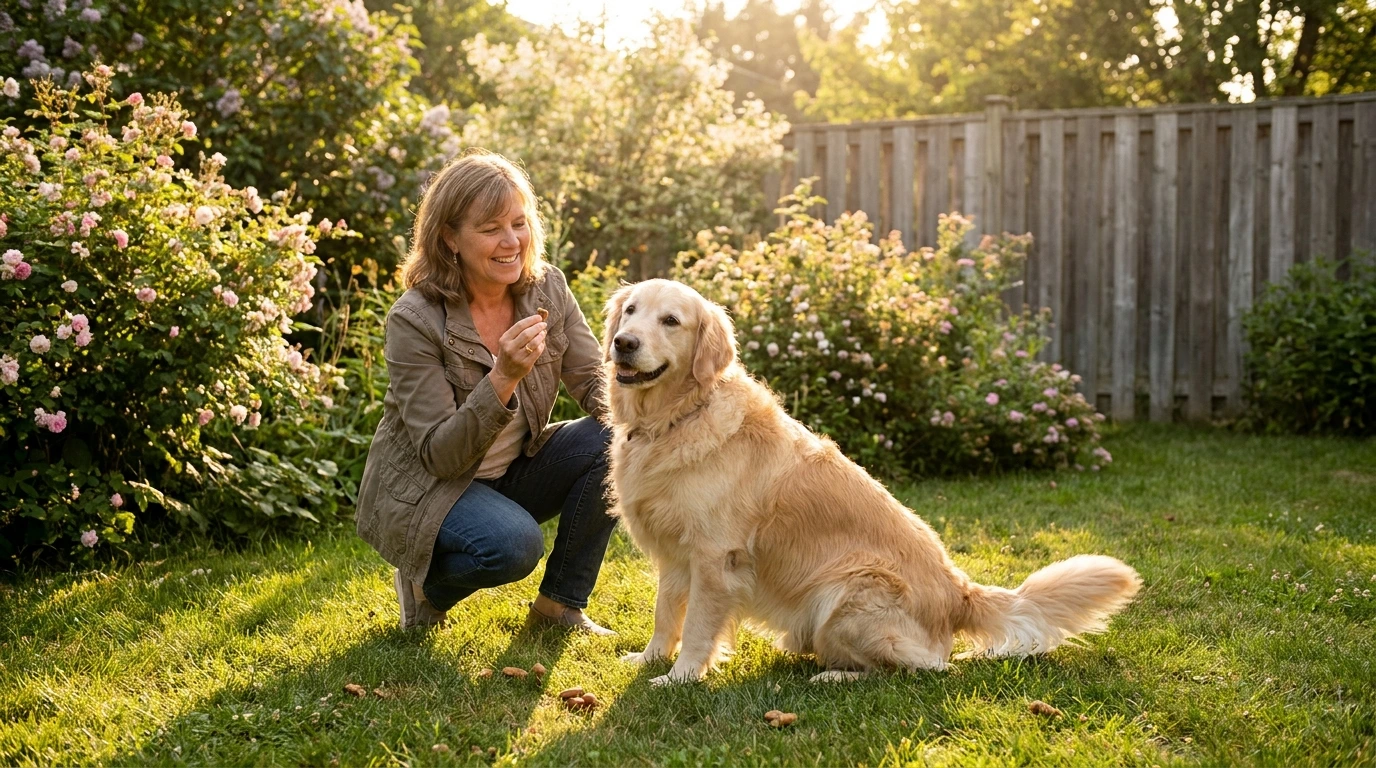
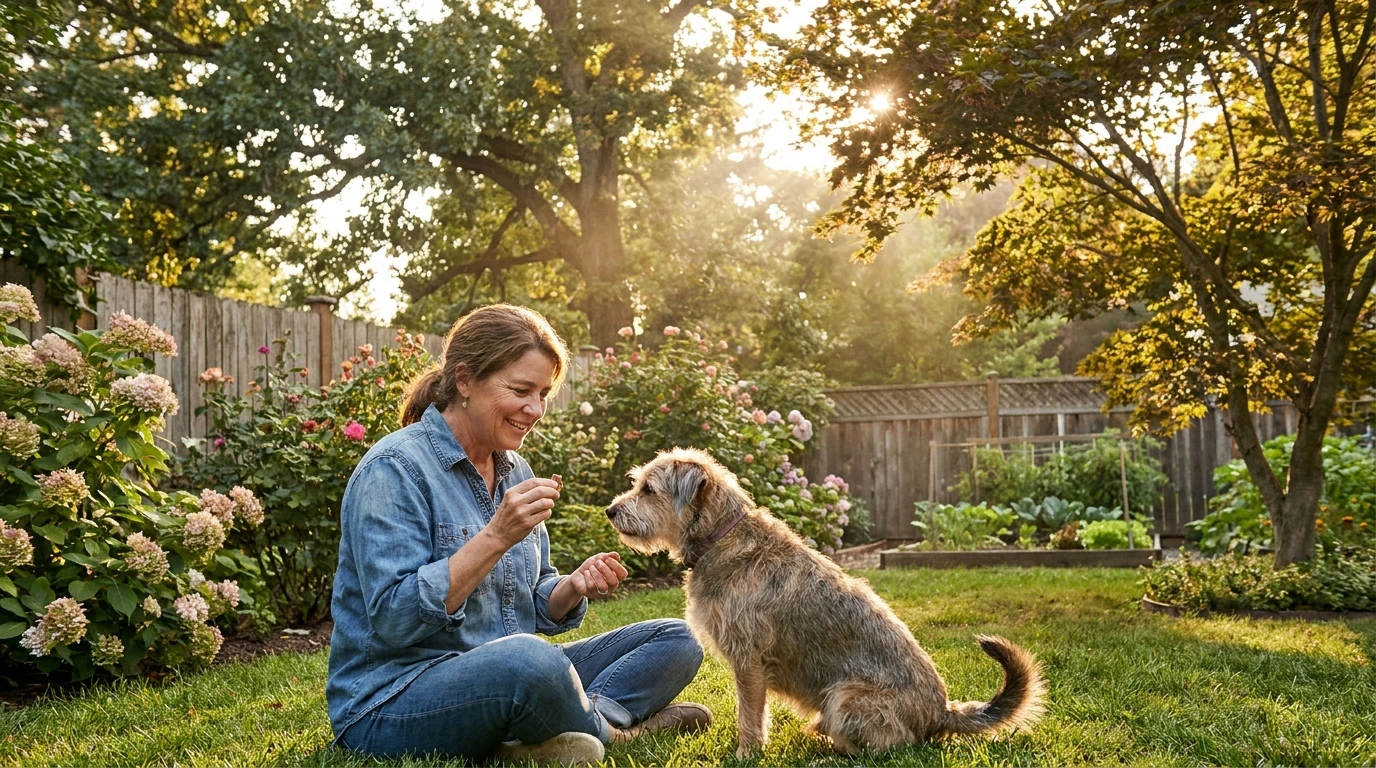
The “sit” command is one of the easiest commands to teach. It serves as a great starting point for training. To teach your dog to sit, hold a treat close to their nose, then move your hand upward. As their head follows the treat, their bottom will naturally lower. Once they are in a sitting position, say “sit,” and reward them with the treat and praise.
2. Stay
The “stay” command helps keep your dog in place until you give them further instructions. Start with your dog in a sitting position. Open your palm in front of you and say “stay.” Take a step back. If your dog stays put, return to them, reward, and praise. Gradually increase the distance and duration of the stay to build their confidence.
3. Come
The “come” command is vital for your dog’s safety. Begin by putting your dog on a leash, and call their name followed by “come” in an upbeat tone. When they approach, reward them with praise and treats. Practice this in a safe, enclosed area before using it in more distracting environments.
4. Down
Teaching your dog to lie down can help them calm down and settle in various situations. Start with your dog in a standing position. Hold a treat in your hand, and bring it down to the ground between their paws. As they follow the treat, say “down” and reward them when they lie down. Be patient, as this command may take some time to master.
5. Leave It
The “leave it” command can prevent your dog from picking up harmful objects or engaging with unwanted distractions. Start with a treat in your hand, close your fist, and let your dog sniff it. When they stop trying to get the treat, say “leave it,” and reward them with a different treat from your other hand. This teaches them to focus on your commands instead of distractions.
Training Techniques for Success
Using effective training techniques can make the process smoother and more enjoyable for both you and your dog. Here are some strategies to ensure successful training sessions.
Consistency is Key
Consistency is crucial in dog training. Use the same commands and signals every time, so your dog can easily understand what you expect from them. Consistent training helps reinforce their learning and builds their confidence.
Short, Engaging Sessions
Keep training sessions short and engaging, ideally lasting 5 to 10 minutes. Dogs have short attention spans, so frequent, fun sessions will keep them motivated and eager to learn. End each session on a positive note, even if it’s just one successful command.
Positive Reinforcement
Positive reinforcement is one of the most effective training methods. Always reward your dog with treats, praise, or playtime when they successfully perform a command. This encourages them to repeat the behavior in the future. Avoid using negative reinforcement, as it can damage the trust between you and your dog.
FAQs
How long does it take to teach a dog basic commands?
The time it takes to teach a dog basic commands varies based on the dog’s age, breed, and temperament. With consistent practice and positive reinforcement, many dogs can learn basic commands within a few weeks.
What should I do if my dog doesn’t respond to commands?
If your dog isn’t responding, it may be due to distractions, lack of understanding, or insufficient motivation. Try a quieter environment, ensure you are using positive reinforcement, and check if you are using clear commands. Patience and consistency are essential.
Can I teach an older dog new commands?
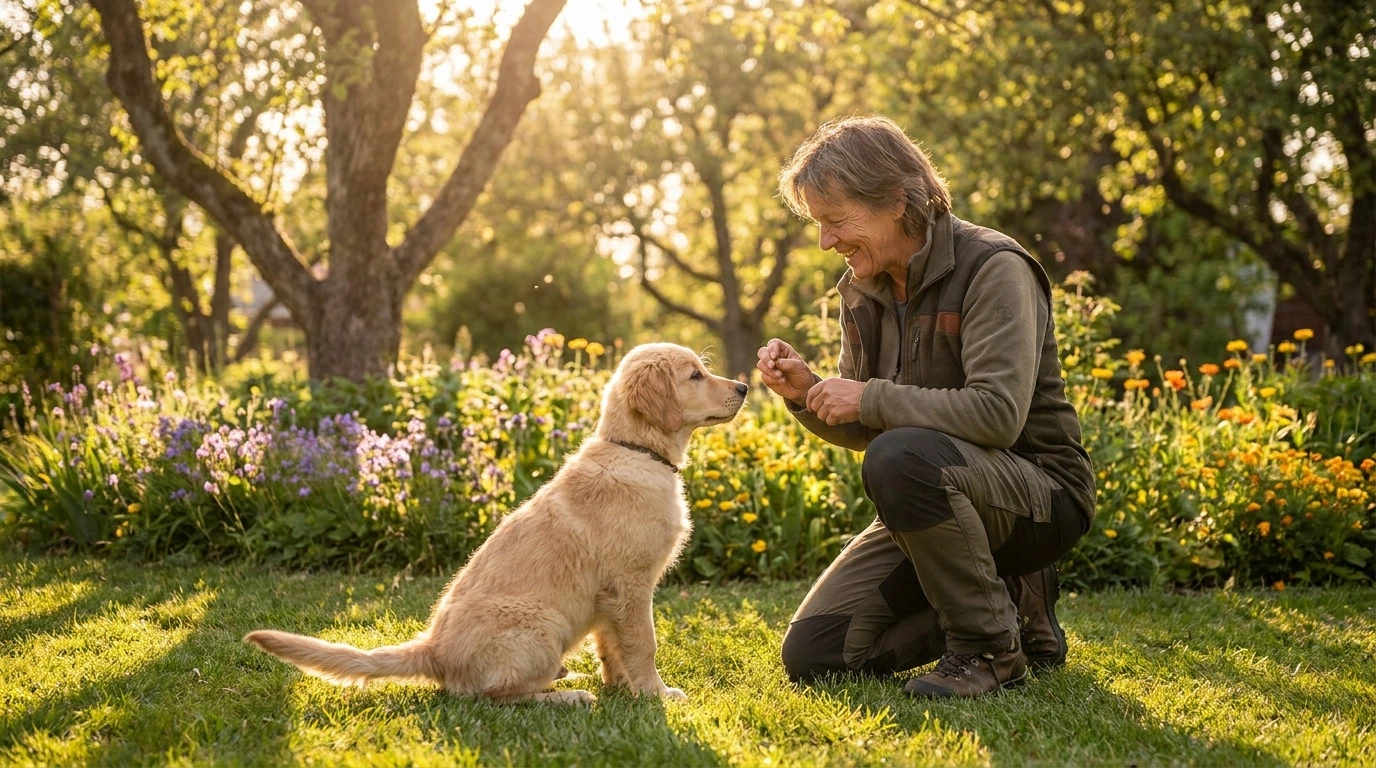
Yes, older dogs can learn new commands. While it may take a bit longer than with puppies, adult dogs are often more focused and may already have some training experience. Be patient and use positive reinforcement to encourage them.
Conclusion
Teaching your dog basic commands is a rewarding experience that enhances your relationship and ensures your pet’s safety. By focusing on essential commands and using effective training techniques, you can foster a well-behaved and happy dog. Remember, consistency, patience, and positive reinforcement are vital for successful training. With dedication, you will enjoy a more harmonious life with your canine companion.