Crate training for puppies is an essential aspect of responsible pet ownership, offering a safe space for your new furry friend while also facilitating house training and reducing anxiety. When done correctly, crate training can be a positive experience for both you and your puppy. This article will delve into the importance of crate training, methods to implement it effectively, and tips to ensure your puppy thrives in their new environment.
Understanding the Benefits of Crate Training
Crate training provides numerous benefits for both puppies and their owners. It serves as a reliable method for house training and can help reduce destructive behavior. A crate can also be a comforting space for your puppy, mimicking the den-like environment they would seek in the wild.
House Training Made Easier
Using a crate can significantly simplify the house training process. Puppies naturally avoid soiling their sleeping area, which encourages them to hold it until they are let outside. By establishing a routine around crate time, you can help your puppy learn when and where it is appropriate to relieve themselves.
Safety and Security
A crate offers a safe haven for your puppy, protecting them from potential dangers when you cannot supervise. It prevents them from chewing on harmful items, getting into the trash, or escaping outside. This security can help alleviate anxiety and create a sense of comfort for your puppy, especially during stressful situations like thunderstorms or fireworks.
Choosing the Right Crate
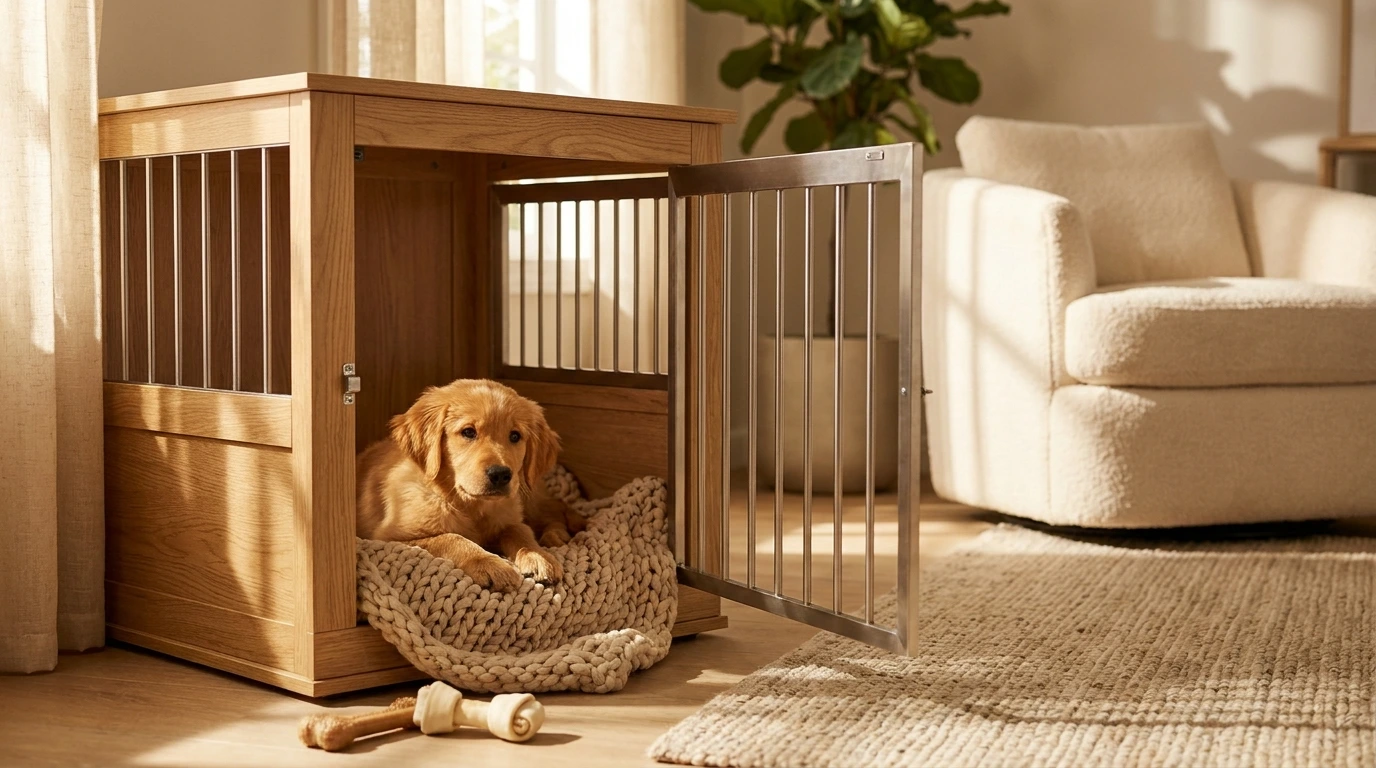
Selecting the correct crate is crucial for successful crate training. There are various types of crates available, including plastic, metal, and fabric options. Each type has its benefits, and the choice often depends on your puppy’s size, temperament, and your personal preferences.
Size Matters
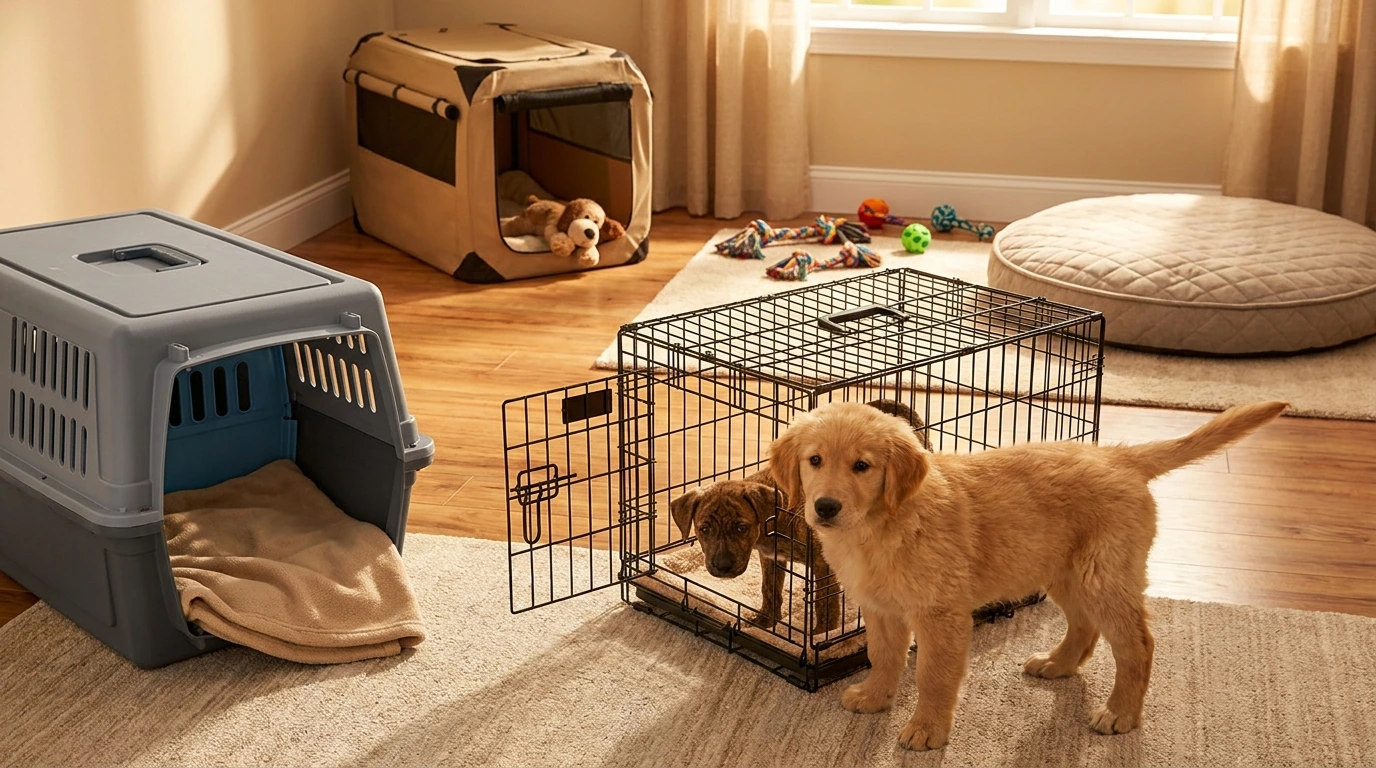
The crate should be appropriately sized for your puppy. A crate that is too large can lead to confusion during house training, as the puppy may choose to relieve themselves in one corner while sleeping in another. Ideally, the crate should allow enough room for your puppy to stand, turn around, and lie down comfortably. If you expect your puppy to grow, consider a crate with a divider to adjust the space as they grow.
Material Considerations
Crates come in various materials, each with its pros and cons. Metal wire crates are durable and provide good ventilation, while plastic crates offer a more enclosed environment that can be comforting. Fabric crates are lightweight and portable, but may not be suitable for all dogs, particularly those who are prone to chewing. Assess your puppy’s behavior when choosing the appropriate crate material.
Steps for Successful Crate Training
Effective crate training requires patience and consistency. Following a structured approach will yield the best results. Here are the steps to successfully crate train your puppy.
Introducing the Crate
Begin by introducing your puppy to the crate gradually. Leave the door open and place treats, toys, or their favorite blanket inside to encourage exploration. Allow your puppy to enter and exit the crate freely at first, fostering a positive association.
Short Stints in the Crate
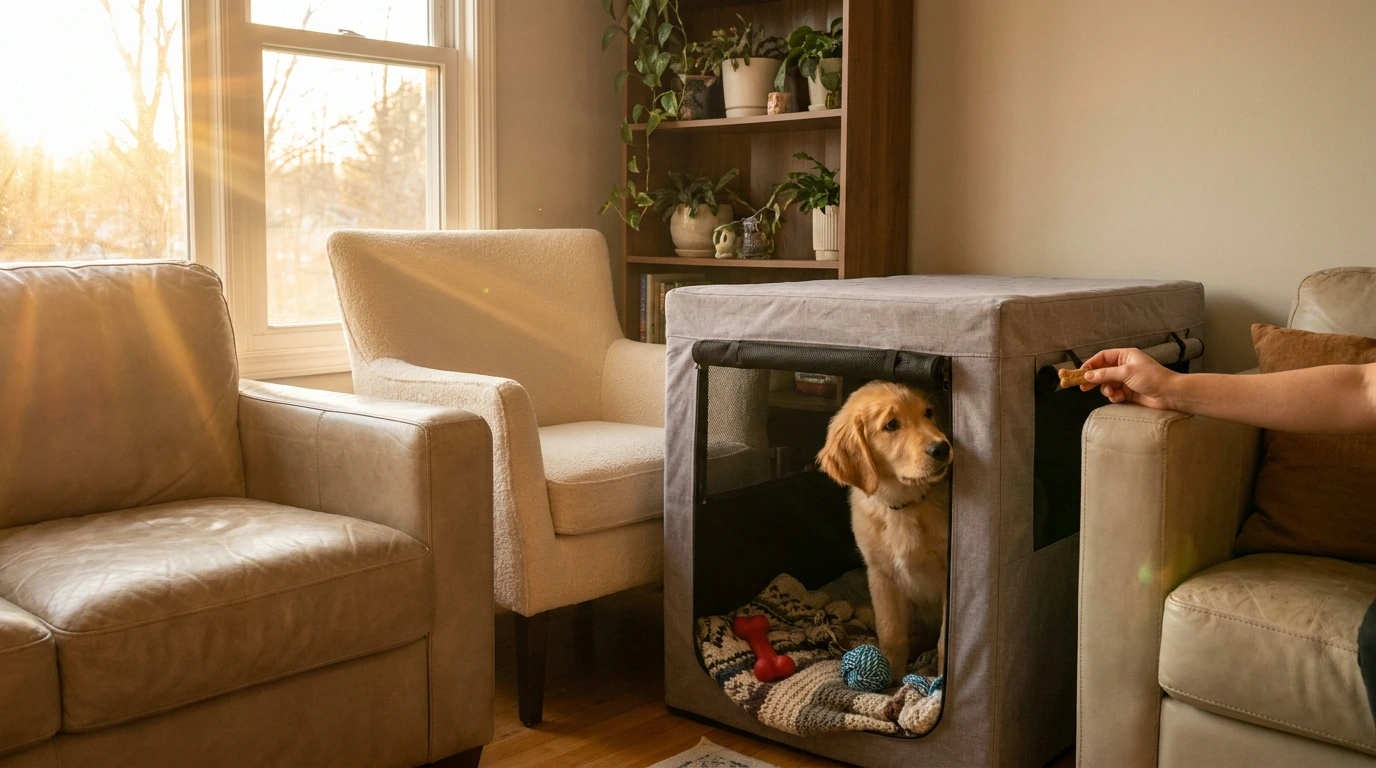
Once your puppy is comfortable entering the crate, start closing the door for short periods while you are nearby. Gradually increase the time they spend inside, ensuring to reward them with treats or praise when they remain calm. This helps them associate the crate with positive experiences.
Establishing a Routine
Consistency is key in crate training. Establish a routine that includes regular feeding times, potty breaks, and crate time. Puppies thrive on routine, which helps them understand when it is time to go outside and when it is time to relax in their crate.
Common Challenges and Solutions
While crate training can be beneficial, it may come with challenges. Understanding these potential issues and how to address them is vital for a smoother training process.
Excessive Barking or Whining
It’s common for puppies to bark or whine when they are first introduced to a crate. If this happens, avoid letting them out immediately, as this reinforces the behavior. Instead, wait until they are quiet for a few moments before opening the crate door. This teaches them that calm behavior is rewarded.
Reluctance to Enter the Crate
If your puppy is hesitant to enter the crate, consider revisiting the introduction phase. Use high-value treats or toys to entice them inside. Make the crate a fun space by feeding them their meals there or incorporating playtime. Never force your puppy into the crate, as this can create negative associations.
FAQs
How long can I leave my puppy in a crate?
The general rule is to limit crate time to one hour for every month of age, up to approximately eight hours for adult dogs. Puppies require regular potty breaks, so ensure to take them out frequently.
Is it okay for my puppy to sleep in a crate at night?
Yes, it is perfectly fine for your puppy to sleep in their crate at night. Make sure they are comfortable and have had a chance to relieve themselves before bedtime. This can help them feel secure while sleeping.
What if my puppy has an accident in the crate?
Accidents can happen, especially during the early stages of training. Clean the crate thoroughly to eliminate odors and avoid punishment, as this can create fear associated with the crate. Instead, return to your routine and monitor their potty needs more closely.
Conclusion
Crate training for puppies is a valuable skill that fosters a safe and secure environment for your pet while also aiding in house training. By understanding the benefits, choosing the right crate, and following a structured training approach, you can create a positive experience for both you and your puppy. Remember to be patient and consistent throughout the process. With time, your puppy will come to see their crate as a comforting space, making it an integral part of your household.