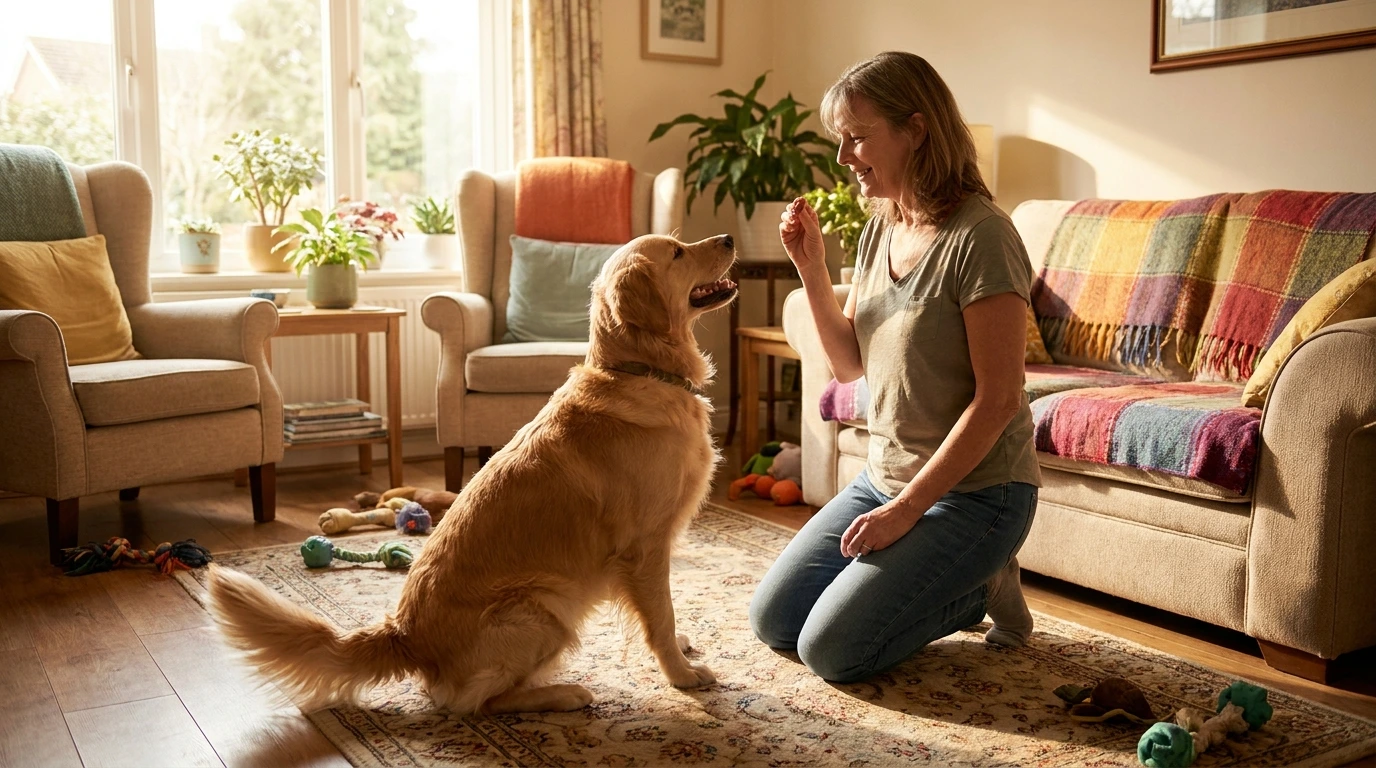
Training your pet can be a rewarding experience that strengthens the bond between you and your furry friend. Positive reinforcement is a powerful method that encourages good behavior through rewards, making the training process enjoyable and effective for both pets and owners. This article delves into the principles of positive reinforcement, practical techniques, and useful tips to help you train your pet successfully.
Understanding Positive Reinforcement
Positive reinforcement is a behavioral training technique that focuses on rewarding desired behaviors instead of punishing unwanted ones. This approach is grounded in the belief that animals, including pets, are more likely to repeat behaviors that lead to positive outcomes. By associating good behavior with rewards, you can effectively teach your pet commands, tricks, and appropriate behaviors.
The Science Behind Positive Reinforcement
The efficacy of positive reinforcement is rooted in psychological principles. When a behavior is followed by a rewarding stimulus, the likelihood of that behavior being repeated increases. This method taps into the natural instincts of pets, who thrive on praise and rewards. Over time, pets learn to associate specific actions with positive outcomes, reinforcing their willingness to comply with training.
Benefits of Positive Reinforcement Training
Using positive reinforcement has several advantages. First, it creates a positive learning environment, reducing stress and anxiety for your pet. Second, it enhances the bond between you and your pet, as they learn to trust you and view training sessions as enjoyable. Additionally, this method can lead to quicker learning and retention of commands, as pets are more motivated to engage in the process.
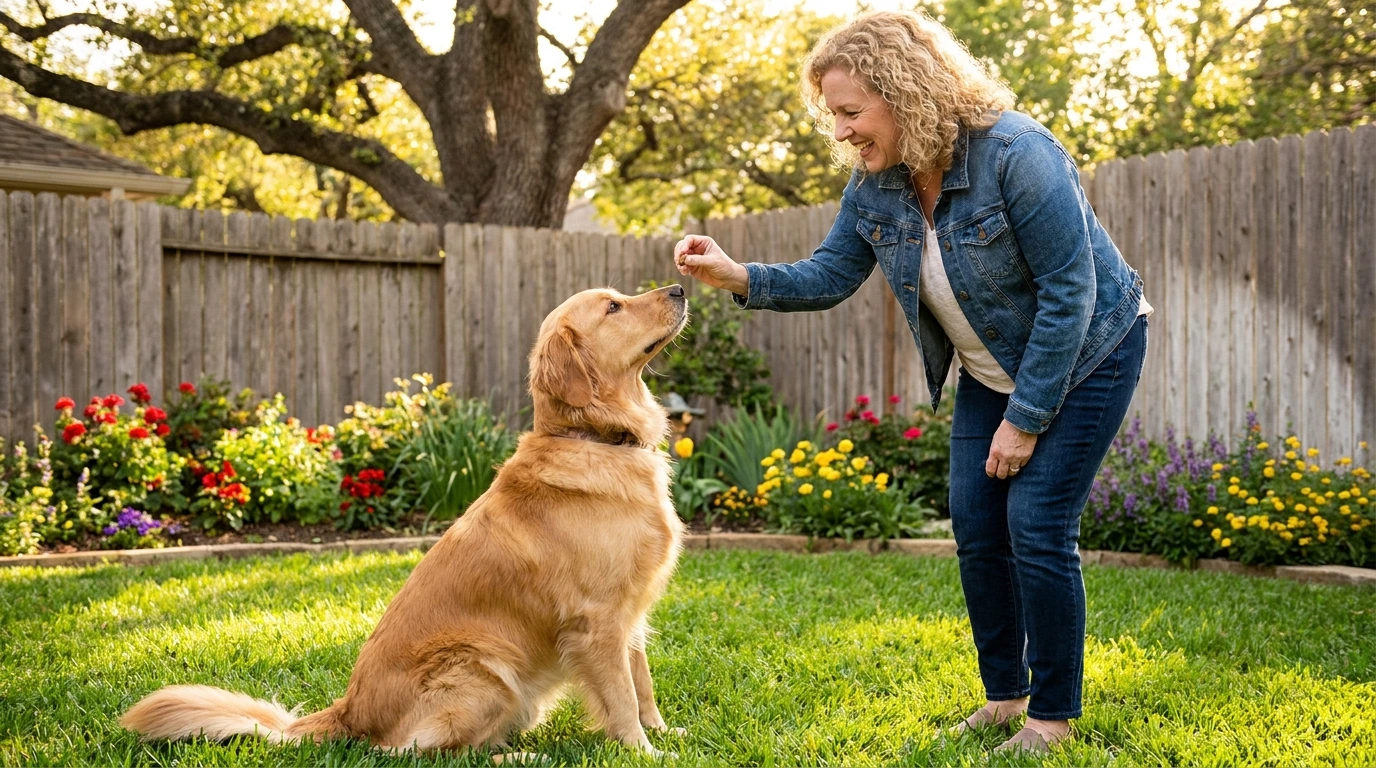
How to Implement Positive Reinforcement Training
Implementing positive reinforcement in your training routine requires a few key steps. By following these guidelines, you can ensure that your training sessions are effective and enjoyable for your pet.
Establish Clear Commands
Before you begin training, it’s essential to establish clear and consistent commands. Use simple, one- or two-word cues such as “sit,” “stay,” or “come.” Make sure everyone in your household uses the same commands to avoid confusing your pet. Consistency is key to reinforcing the desired behavior.
Choose the Right Rewards
Choosing the right rewards is crucial for effective training. Rewards can be treats, toys, or verbal praise. For many pets, treats are the most motivating, but be cautious not to overfeed during training sessions. Opt for small, healthy treats that your pet enjoys. Over time, you can gradually reduce the frequency of treats and rely more on praise as your pet becomes more adept at following commands.
Timing is Everything
Timing your rewards is essential for reinforcing the correct behavior. Deliver the reward immediately after your pet performs the desired action. This helps them make the connection between the behavior and the reward. If you wait too long, your pet may not understand what behavior is being reinforced, leading to confusion.

Creating a Positive Training Environment
A positive training environment plays a significant role in the success of positive reinforcement. Making training sessions fun and engaging helps keep your pet motivated and focused.
Keep Sessions Short and Fun
Short, frequent training sessions are more effective than long, drawn-out ones. Aim for 5 to 10 minutes per session, especially for younger pets or those new to training. End each session on a positive note, regardless of progress. This keeps your pet eager for the next training opportunity.
Minimize Distractions
To enhance your pet’s focus during training, minimize distractions in the environment. Choose a quiet space where your pet can concentrate on you and the tasks at hand. As your pet becomes more proficient, you can gradually introduce distractions to help them learn to focus in various situations.

Common Challenges in Positive Reinforcement Training
Lack of Motivation
If your pet seems disinterested in training, evaluate your choice of rewards. Ensure that the rewards are enticing and appropriate for your pet’s preferences. Additionally, consider the timing of your training sessions; training when your pet is too tired or too energetic can lead to lack of interest.
Inconsistency in Training
Inconsistency can lead to confusion for your pet. Make sure that everyone involved in the training uses the same commands and rewards. Establish a routine and stick to it to reinforce learning effectively. If you must change commands or rewards, do so gradually to avoid overwhelming your pet.
FAQs
What types of rewards can I use for positive reinforcement?
You can use a variety of rewards, including treats, toys, praise, and affection. Choose what motivates your pet the most, and vary the rewards to keep training exciting.
How long does it take to train my pet using positive reinforcement?
The time it takes to train your pet varies based on the individual animal, the complexity of the command, and the consistency of training. Most pets can learn basic commands within a few weeks with regular practice.
Can I use positive reinforcement for behavioral issues?
Yes, positive reinforcement can be effective in addressing behavioral issues. Focus on rewarding positive behaviors and redirecting undesirable ones. Patience and consistency are key in these situations.
Conclusion
Training your pet using positive reinforcement is an effective and humane method that can lead to lasting behavioral changes while strengthening your bond. By establishing clear commands, choosing appropriate rewards, and maintaining a positive training environment, you can create a successful training experience. With patience and consistency, you will see progress and enjoy a well-behaved pet. Remember, training is an ongoing process that can be both fun and fulfilling for both you and your furry companion.