
Teaching your dog to stay is an essential command that not only enhances obedience but also ensures safety in various situations. Whether you’re enjoying a leisurely walk, hosting guests, or navigating busy environments, a reliable “stay” command can keep your furry friend secure and well-mannered. In this article, we will explore effective techniques and tips for teaching your dog to stay, helping you build a stronger bond and enhance your pet’s behavior.
Understanding the Importance of the “Stay” Command
The “stay” command is crucial for any dog owner. It serves as a foundational command that promotes good behavior and can prevent accidents. Teaching your dog to stay can be particularly useful in situations where you need your dog to remain calm and stationary, such as during vet visits or when guests arrive at your home.
Safety and Control
One of the primary reasons to teach your dog to stay is safety. A well-trained dog that understands the “stay” command can prevent dangerous situations, such as running into the street or approaching an aggressive animal. This command empowers you to control your dog in various environments, ensuring both your pet’s safety and the safety of others.
Building Trust and Communication
Training your dog to stay also fosters trust and communication between you and your pet. As you work together to learn the command, your dog begins to understand your expectations and cues. This mutual understanding strengthens your bond and helps your dog feel more secure in its environment.

Steps to Teach Your Dog to Stay
Teaching your dog to stay requires patience, consistency, and positive reinforcement. Here are step-by-step instructions to effectively teach this command.
Step 1: Prepare for Training
Before you begin training, choose a quiet space with minimal distractions. Gather treats that your dog enjoys, as these will serve as rewards during training sessions. Make sure your dog is calm and focused, as this will facilitate learning.
Step 2: Start with Basic Commands
Before introducing the “stay” command, ensure your dog is familiar with basic commands like “sit” or “down.” These commands provide a solid foundation for teaching “stay.” For example, have your dog sit, then reward them for being calm and attentive.
Step 3: Introduce the “Stay” Command
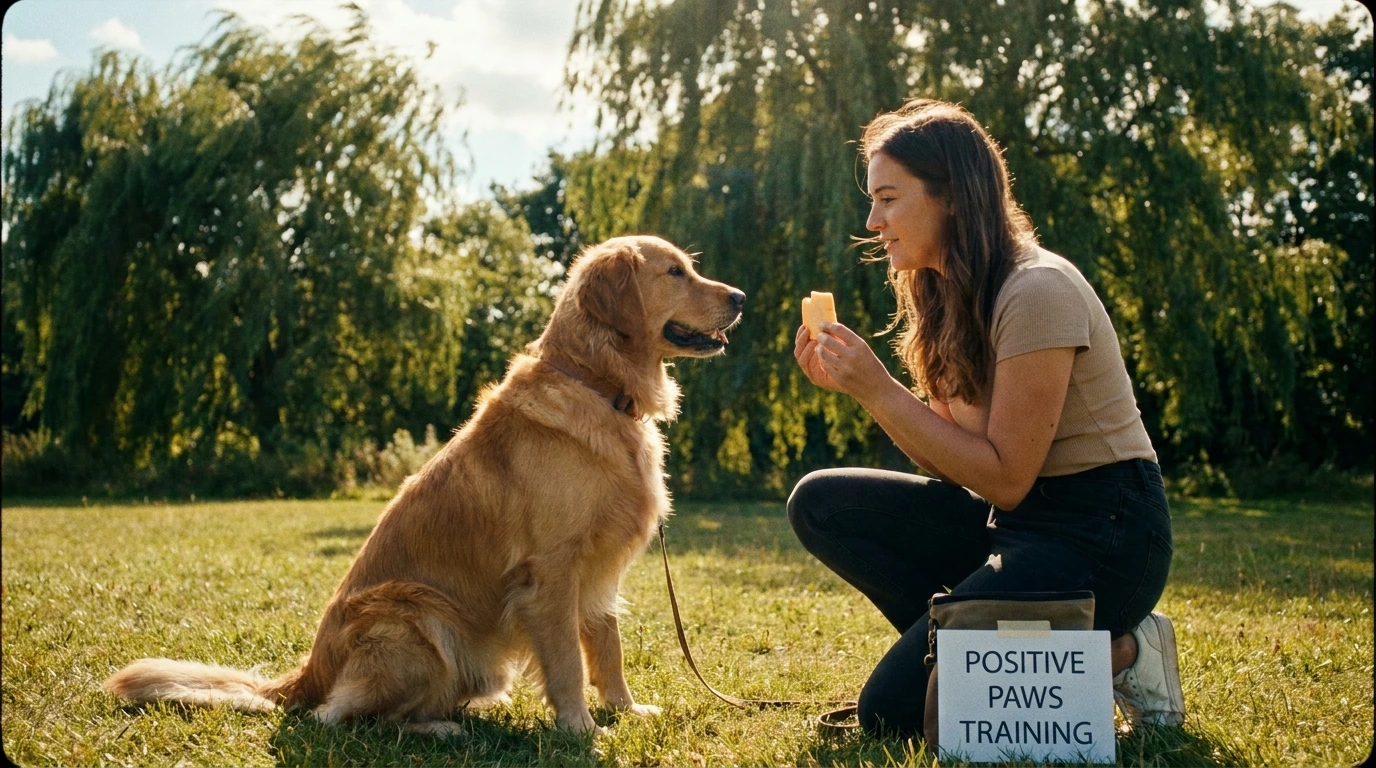
Once your dog is seated, hold your hand out in front of you, palm facing the dog, and say “stay” in a clear, firm voice. Take a small step back while keeping eye contact with your dog. If your dog remains in position, immediately reward them with a treat and praise.
Step 4: Increase Distance and Duration
Gradually increase the distance between you and your dog while giving the “stay” command. Start with just a few steps and reward your dog for staying in place. As your dog becomes more accustomed to the command, increase the time they must remain in position before receiving a reward. This gradual approach helps reinforce the behavior without overwhelming your dog.
Step 5: Add Distractions
Once your dog is comfortable with the command at a distance, introduce distractions. This could be another person walking by or a toy. Teach your dog to maintain their position despite these distractions. If they break the stay, calmly return them to their original position and repeat the command.
Step 6: Practice Regularly
Consistency is key when teaching your dog to stay. Practice the command in various settings and situations. This not only reinforces the behavior but also helps your dog learn to stay regardless of their environment. Make training sessions short and fun to keep your dog engaged.

Common Challenges and Solutions
While teaching your dog to stay, you may encounter some challenges. Here are a few common problems and how to address them.
Problem: Dog Breaks the Stay Command
If your dog frequently breaks the stay command, it may be due to a lack of understanding or motivation. Ensure that you are using high-value treats and that your dog fully comprehends what “stay” means. Go back to shorter distances and durations until they can consistently succeed.
Problem: Distracted by Environment
Dogs can easily become distracted by their surroundings. To combat this, practice in low-distraction environments initially and gradually introduce more distractions. Reward your dog for focusing on you, even in challenging situations.
Problem: Impatience During Training
Training can sometimes test your patience. If you feel frustrated, take a break and return to training later. Short, positive training sessions are more effective than long, stressful ones. Always end on a positive note to keep your dog eager to learn.
FAQs
How long does it take to teach a dog to stay?
The time it takes to teach a dog to stay varies based on the individual dog’s temperament and previous training experience. Some dogs may learn quickly within a few sessions, while others may take several weeks. Consistent practice is key to success.
Can I use a leash while teaching my dog to stay?
Yes, using a leash can be helpful, especially for dogs that tend to break their stay. A leash allows you to guide your dog back to the correct position if they move. Just be sure to use gentle corrections and avoid pulling.
What should I do if my dog refuses to stay?
If your dog refuses to stay, reassess the training environment and ensure there are minimal distractions. You may need to simplify the task, such as reducing the distance or duration. Always use positive reinforcement to encourage your dog.
Conclusion
Teaching your dog to stay is an invaluable skill that enhances both safety and obedience. By following the structured steps outlined in this article and addressing common challenges, you can successfully train your dog to master this essential command. Regular practice, patience, and positive reinforcement will lead to a well-behaved pet that you can trust in various situations. Embrace the training process as an opportunity to strengthen your bond and enjoy the journey together.