
Training your pet doesn’t have to be a time-consuming endeavor. In fact, dedicating just 10 minutes a day can yield significant results in your pet’s behavior and obedience. This approach not only strengthens the bond between you and your pet but also enhances their quality of life by instilling good habits. In this article, we will explore effective techniques to train your pet in just 10 minutes a day, making it a manageable and enjoyable experience for both of you.
The Importance of Daily Training
Daily training sessions are crucial for any pet owner. They provide structure and mental stimulation, which can prevent behavioral issues. Regular training helps pets learn commands, improves their socialization skills, and makes them happier overall.
Building a Routine
Establishing a consistent training routine is essential. Choose a specific time each day when you can focus solely on training your pet. This could be in the morning before work, during lunch breaks, or in the evening. Consistency helps your pet understand that training is a priority, making them more receptive to learning.
Effective Training Techniques
When training your pet, it’s important to use techniques that are both effective and enjoyable. Here are some methods that can be easily incorporated into your daily routine.
Positive Reinforcement
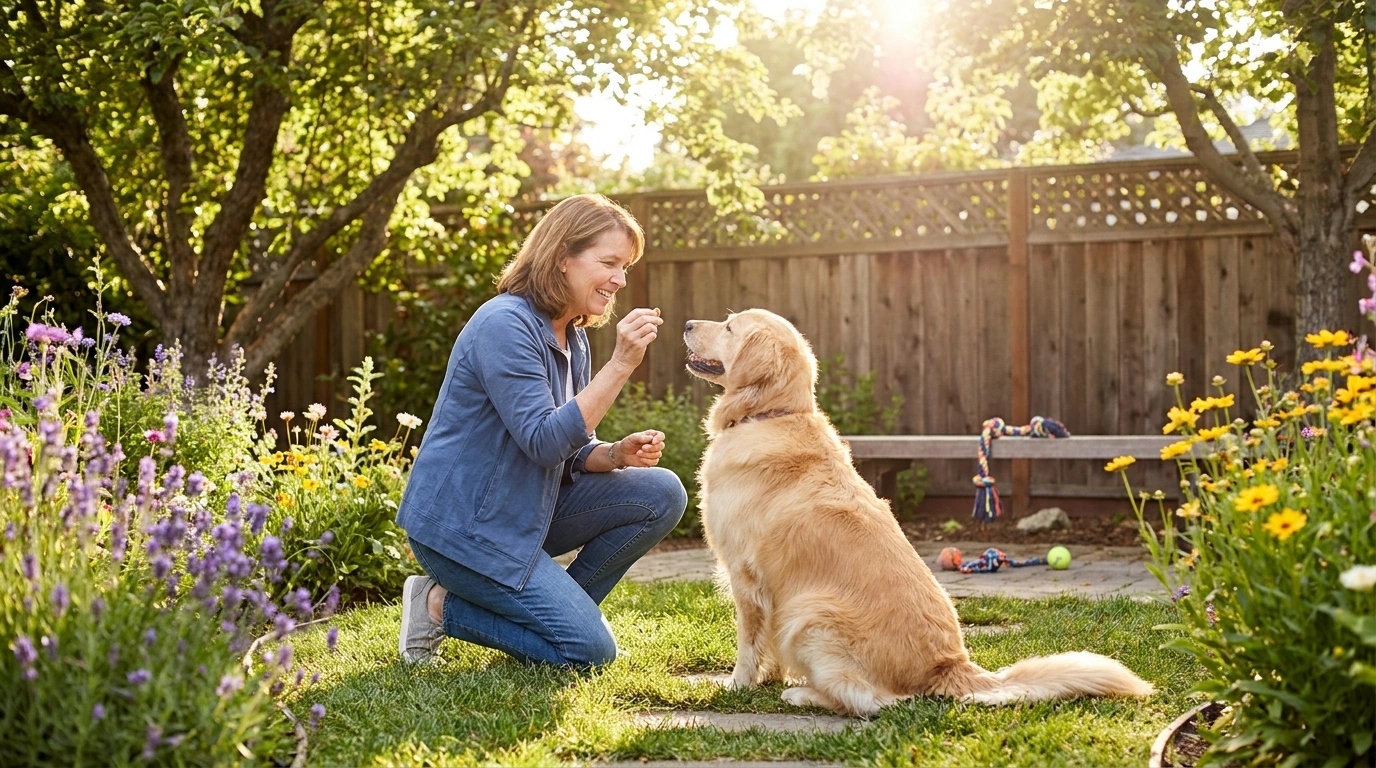
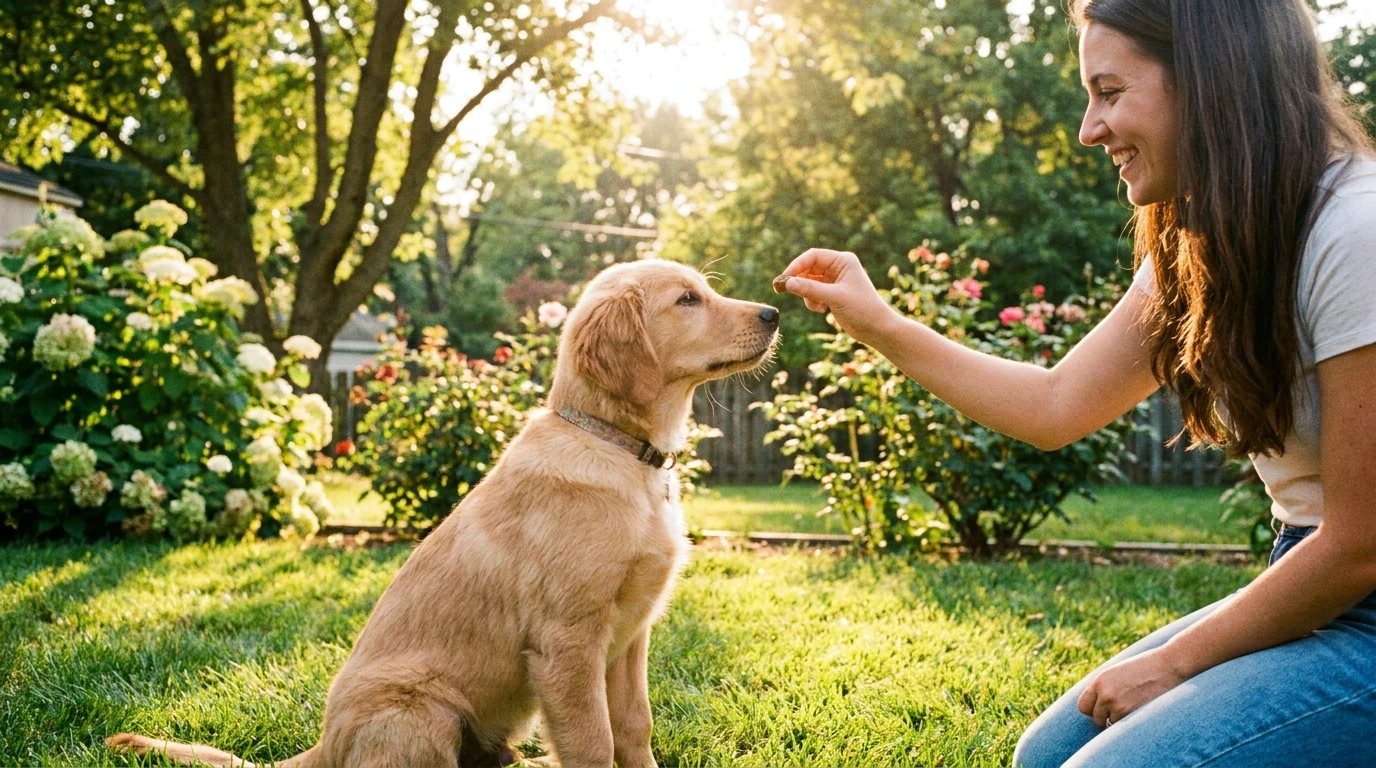
Positive reinforcement involves rewarding your pet for desired behaviors. This can be in the form of treats, praise, or playtime. For example, when your dog sits on command, immediately reward them with a small treat and lots of praise. This reinforces the behavior and increases the likelihood of it being repeated.
Short Sessions with Focused Goals
Keep training sessions short and focused. Aim for one or two commands per session, spending around 5 minutes on each. For instance, if you’re teaching your dog to stay, spend a few minutes practicing the command before moving on to another behavior, such as sitting. This prevents overstimulation and helps your pet retain information better.
Incorporating Play
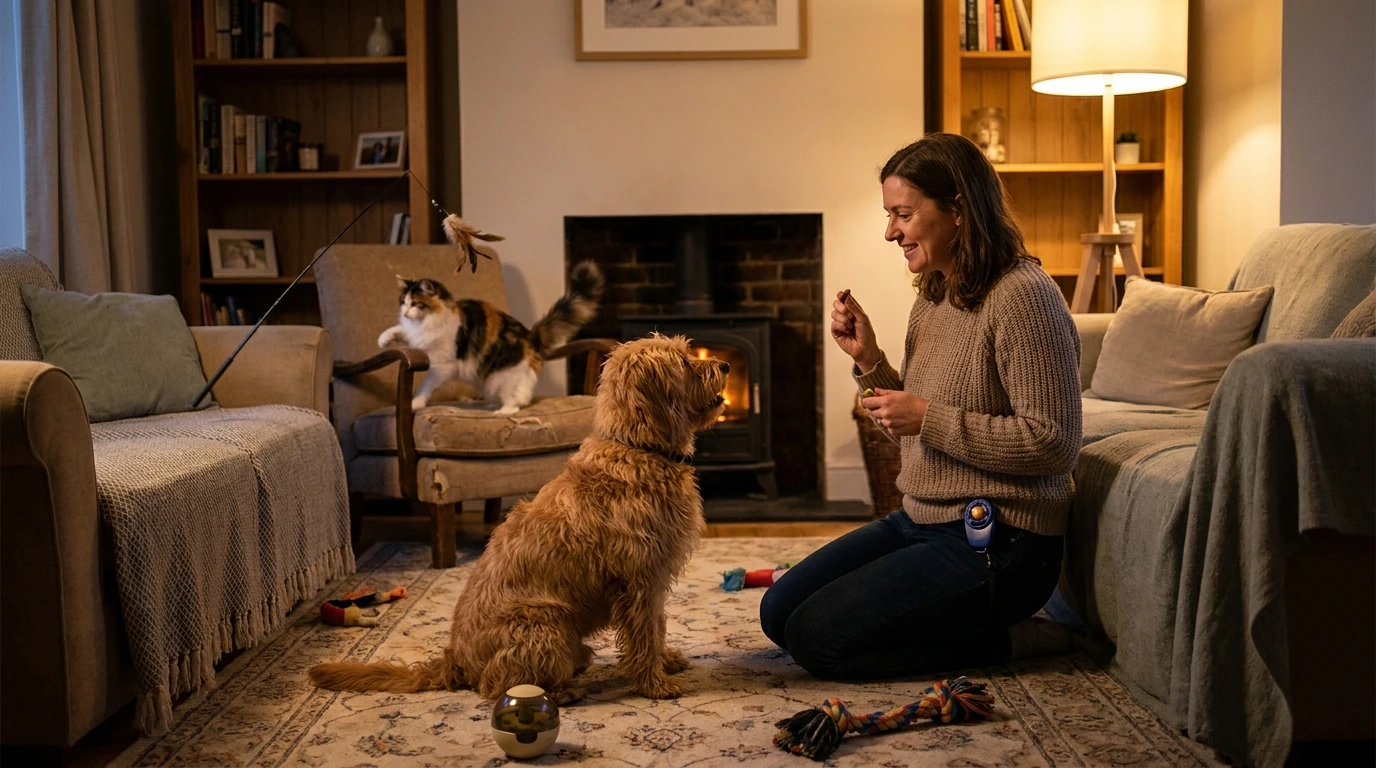
Integrating play into training can make the process more engaging for your pet. For example, if you’re training your cat to come when called, use a favorite toy to entice them. This not only makes training fun but also encourages your pet to associate learning with positive experiences.
Common Commands to Teach Your Pet
Focusing on a few basic commands can provide a solid foundation for your pet’s training. Here are some essential commands to consider.
Teaching “Sit”
Teaching your pet to sit is one of the easiest commands and can be done in a few short sessions. Start by holding a treat above your pet’s nose and slowly move it back over their head. As they follow the treat, they will naturally sit. Once they do, say “sit,” give them the treat, and praise them. Repeat this several times until they reliably sit on command.
Training “Stay”
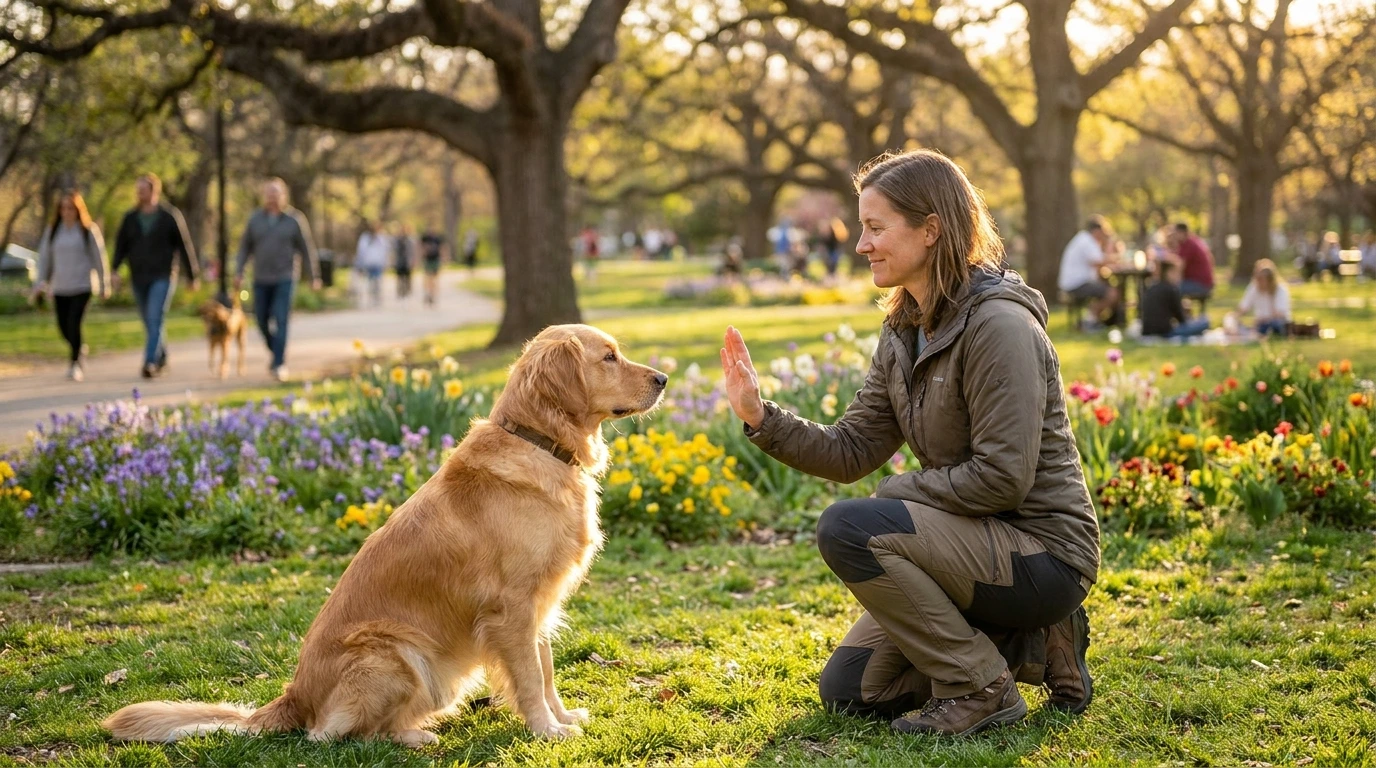
The “stay” command is vital for your pet’s safety. After teaching “sit,” have your pet sit, then hold your hand out in front of you, palm facing them, and say “stay.” Take a few steps back. If your pet stays in place, return and reward them. Gradually increase the distance over time, ensuring they understand the command.
Introducing “Come”
The “come” command can be life-saving. Start indoors, calling your pet’s name followed by “come.” Use an excited tone and reward them when they approach you. Gradually practice this in more distracting environments to reinforce the behavior. Always reward them for coming to you, no matter how long it takes.
Maintaining Consistency and Patience
Consistency and patience are key elements in training your pet. It’s important to practice commands regularly and remain calm, even if your pet seems to struggle. Celebrate small victories and remember that each pet learns at their own pace.
Using Hand Signals
In addition to verbal commands, consider using hand signals. Many pets respond well to visual cues. For example, you can use a raised hand for “stop” or a flat hand for “stay.” This can be particularly useful in noisy environments where your voice may not carry as well.
Training in Different Environments
To ensure your pet understands commands in various situations, practice in different environments. Start in a quiet room, then gradually move to busier areas like parks or streets. This helps your pet learn to focus on you despite distractions, reinforcing their training.
FAQs
How long does it take to train my pet using this method?
The time it takes to train your pet varies based on individual factors such as their age, breed, and prior training. However, with consistent 10-minute sessions, you can expect to see noticeable improvements within weeks.
What if my pet does not respond to training?
If your pet is not responding, it may be due to distractions or a lack of motivation. Ensure the training environment is calm and consider using higher-value treats that your pet loves. Be patient and adjust your approach as needed.
Can I train multiple pets at once?
While it is possible to train multiple pets simultaneously, it may be more effective to train them individually to avoid confusion. Start with one pet and once they master a command, introduce the second pet to the same training session.
Conclusion
Training your pet in just 10 minutes a day is not only achievable but also highly beneficial for their behavior and your relationship. By using positive reinforcement, maintaining consistency, and integrating play into your sessions, you can create a fun and effective training routine. Remember, the key to successful training lies in patience and persistence. With dedication, you will see your pet flourish, making the time spent together truly rewarding.