
Dog recall training is essential for any dog owner who wants to ensure their pet’s safety and enhance their relationship. A reliable recall command allows your dog to return to you promptly, regardless of distractions. This article explores effective techniques for dog recall training, providing practical tips and examples to help you achieve a strong recall with your furry friend.
Understanding Dog Recall
Recall is the ability of a dog to return to its owner when called. It is one of the most crucial commands a dog can learn, as it can potentially save their life in dangerous situations. A strong recall builds trust between you and your dog while allowing them to explore their environment safely.
The Importance of Recall Training
Teaching your dog to come when called is vital for several reasons. It enhances their safety, especially in open spaces where they might encounter hazards. Recall training also offers peace of mind for owners, knowing they can call their dog back if needed. Furthermore, it allows for enjoyable off-leash opportunities, letting dogs experience freedom without compromising their safety.
Common Challenges in Recall Training
Many dogs struggle with recall due to distractions, lack of motivation, or previous negative experiences associated with coming when called. Understanding these challenges is the first step in developing effective training strategies. Distractions may include other animals, interesting smells, or their own curiosity. To overcome these hurdles, focus on creating a positive recall experience.
Techniques for Effective Dog Recall Training
There are various techniques to train your dog for reliable recall. Each method can be tailored to fit your dog’s personality and learning style. Here are some effective techniques to consider.
The Positive Reinforcement Approach
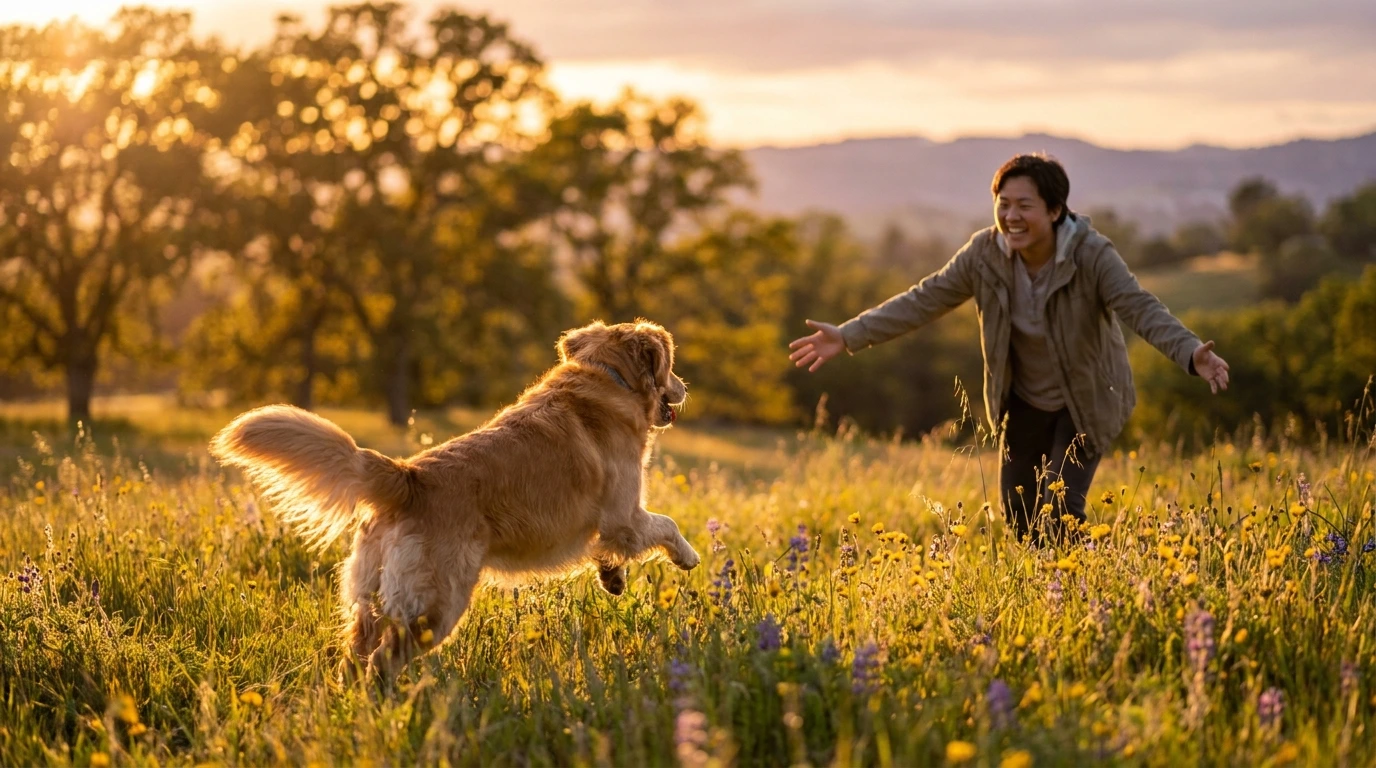
Positive reinforcement is one of the most effective training methods. It involves rewarding your dog with treats, praise, or playtime when they successfully return to you. Start by practicing the recall command in a low-distraction environment, gradually increasing the difficulty as your dog improves. For example, use a high-value treat that your dog loves, and call them to you. When they come, reward them immediately. This creates a positive association with the recall command, making your dog more likely to respond in the future.
Using a Long Line for Safety
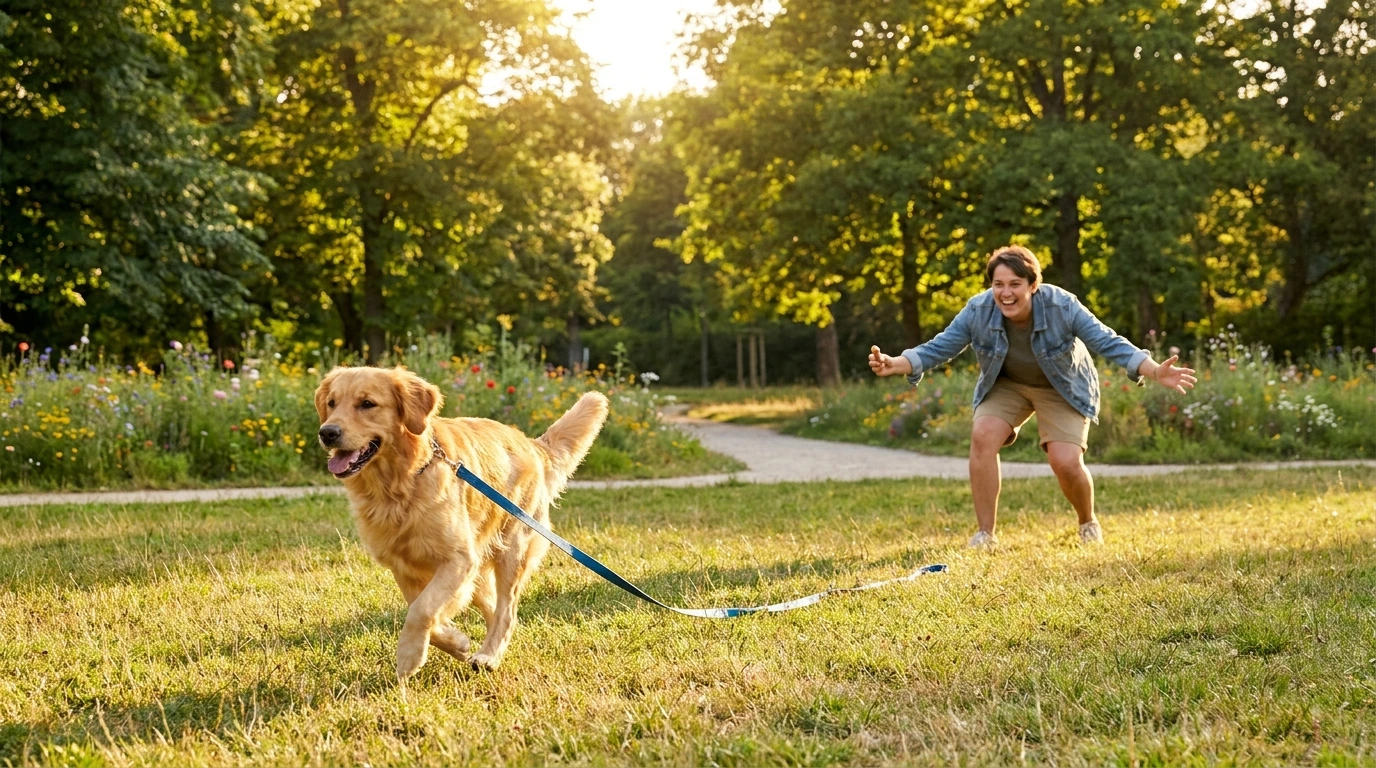
A long line is an excellent tool for recall training, especially in open areas. This allows your dog to explore while still being under your control. Attach a long leash (15-30 feet) to your dog’s collar and allow them some freedom. Call them back, and if they don’t respond, gently reel them in while encouraging them to come. Reward them as soon as they reach you. This technique helps reinforce the recall command in a safe manner, allowing for gradual increases in distance and distractions.
Engaging in Fun Recall Games
Incorporating games into your training can make recall more enjoyable for your dog. One popular game is the “hide and seek” recall. Start by having someone hold your dog while you hide. Once you’re hidden, call your dog. When they find you, reward them with praise and treats. This game not only reinforces the recall command but also fosters a sense of excitement and adventure.
Tips for Successful Recall Training
To optimize your recall training, consider the following tips. These strategies can help ensure that you and your dog have a successful and enjoyable learning experience.
Be Consistent with Commands
Consistency is key in dog training. Choose a specific command, such as “come” or “here,” and use it every time you call your dog. Avoid using the command in situations where you cannot enforce it, as this can confuse your dog and weaken their understanding of the command.
Practice in Varied Environments
To ensure your dog learns to recall in any situation, practice in different environments. Start in a quiet area and gradually introduce more distractions, such as parks or busy streets. This exposure helps your dog learn to focus on you, regardless of their surroundings.
Keep Training Sessions Short and Fun
Dogs have short attention spans, so keeping training sessions brief and engaging is essential. Aim for sessions of 5-10 minutes, filled with positive reinforcement and fun. This approach will help maintain your dog’s interest and enthusiasm for training.
FAQs
How long does it take to train a dog for recall?
The time it takes to train a dog for recall varies based on the dog’s age, breed, and previous training experiences. Generally, consistent training over several weeks is necessary to achieve reliable results. Patience and persistence are crucial.
What should I do if my dog ignores the recall command?
If your dog ignores the recall command, avoid punishing them. Instead, go back to the basics and practice in a low-distraction environment. Use high-value rewards and gradually increase distractions as they improve. It’s important to make coming to you a rewarding experience.
Can I train an older dog for recall?
Yes, older dogs can learn recall. While it may take longer compared to younger dogs, older dogs often have a better understanding of commands. Use positive reinforcement and be patient throughout the training process.
Is it necessary to use treats for recall training?
Treats are not mandatory for recall training, but they are effective motivators. You can use toys, praise, or playtime as rewards instead. The key is to find what motivates your dog and use it to reinforce the recall command.
Conclusion
Training your dog for recall is a vital aspect of pet ownership that enhances safety and strengthens the bond between you and your dog. By employing positive reinforcement, using tools like long lines, and making training enjoyable, you can effectively teach your dog to come when called. Remember to be consistent, patient, and adaptable in your approach. With dedication and practice, your dog will develop a reliable recall, allowing for safe exploration and a happier, more fulfilling life together.