
Training your pet with treats is not only an effective method to teach them new commands and behaviors but also a way to strengthen your bond. By using food rewards, you can encourage positive actions and achieve better results in your training sessions. This article will explore various techniques, tips, and strategies to effectively use treats during pet training, ensuring your furry friend learns in a fun and engaging way.
Understanding the Basics of Treat-Based Training
Before diving into specific training techniques, it is crucial to understand the foundational principles of using treats in training. Treat-based training relies on the concept of positive reinforcement, where desirable behavior is rewarded to increase the likelihood of it being repeated.
The Science Behind Positive Reinforcement
Positive reinforcement works on the principle that behaviors followed by rewards are more likely to be repeated. When your pet receives a treat for a desired action, they associate that action with a positive outcome. This method is effective because it encourages a willingness to learn, making training a more enjoyable experience for both you and your pet.
Selecting the Right Treats
Choosing the right treats is essential for effective training. Opt for small, soft treats that are easy for your pet to chew. They should also be flavorful and appealing to your pet’s palate. Consider your pet’s dietary restrictions and choose healthy options to avoid overfeeding. You can also use a mix of store-bought and homemade treats to keep things interesting.
Effective Techniques for Training with Treats
Utilizing treats during training sessions requires a strategic approach. Here are some effective techniques that can help you teach your pet commands and tricks successfully.
Start with Basic Commands
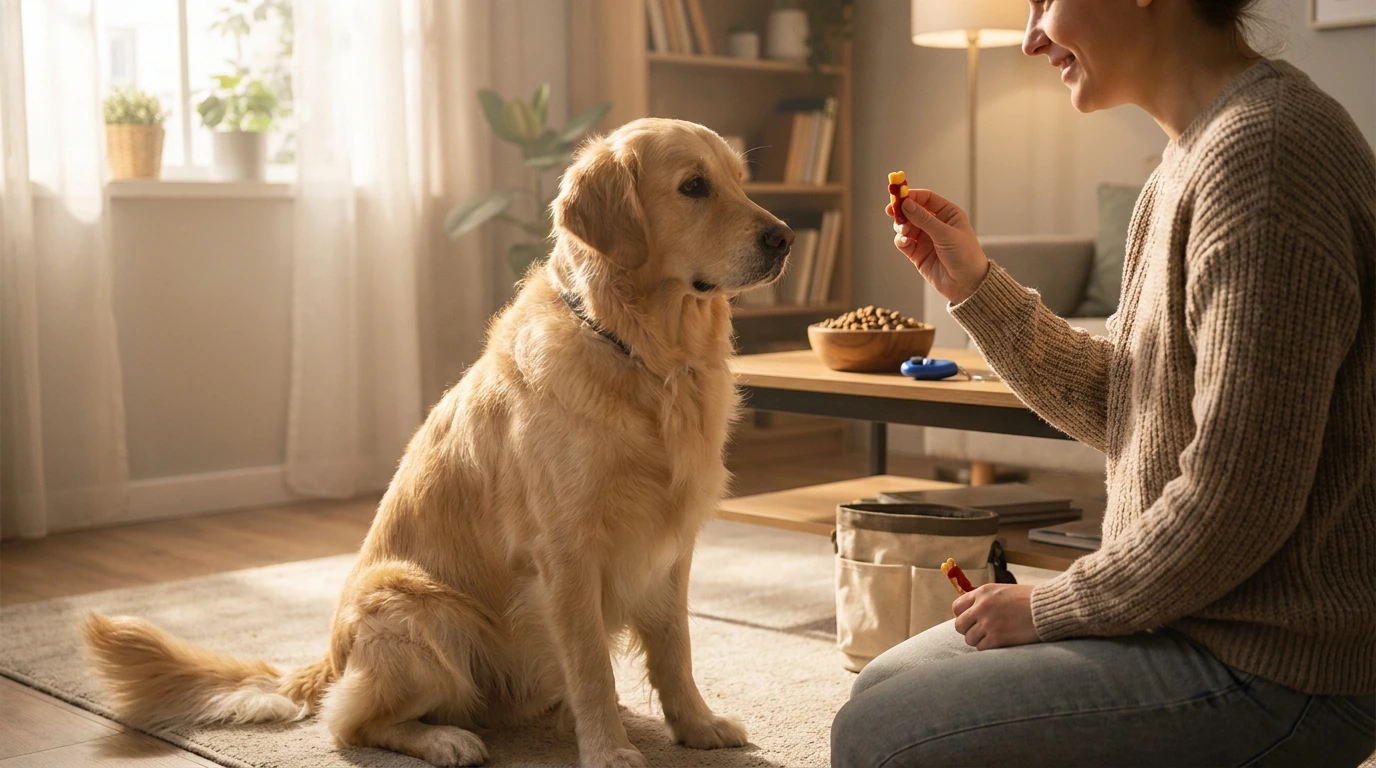
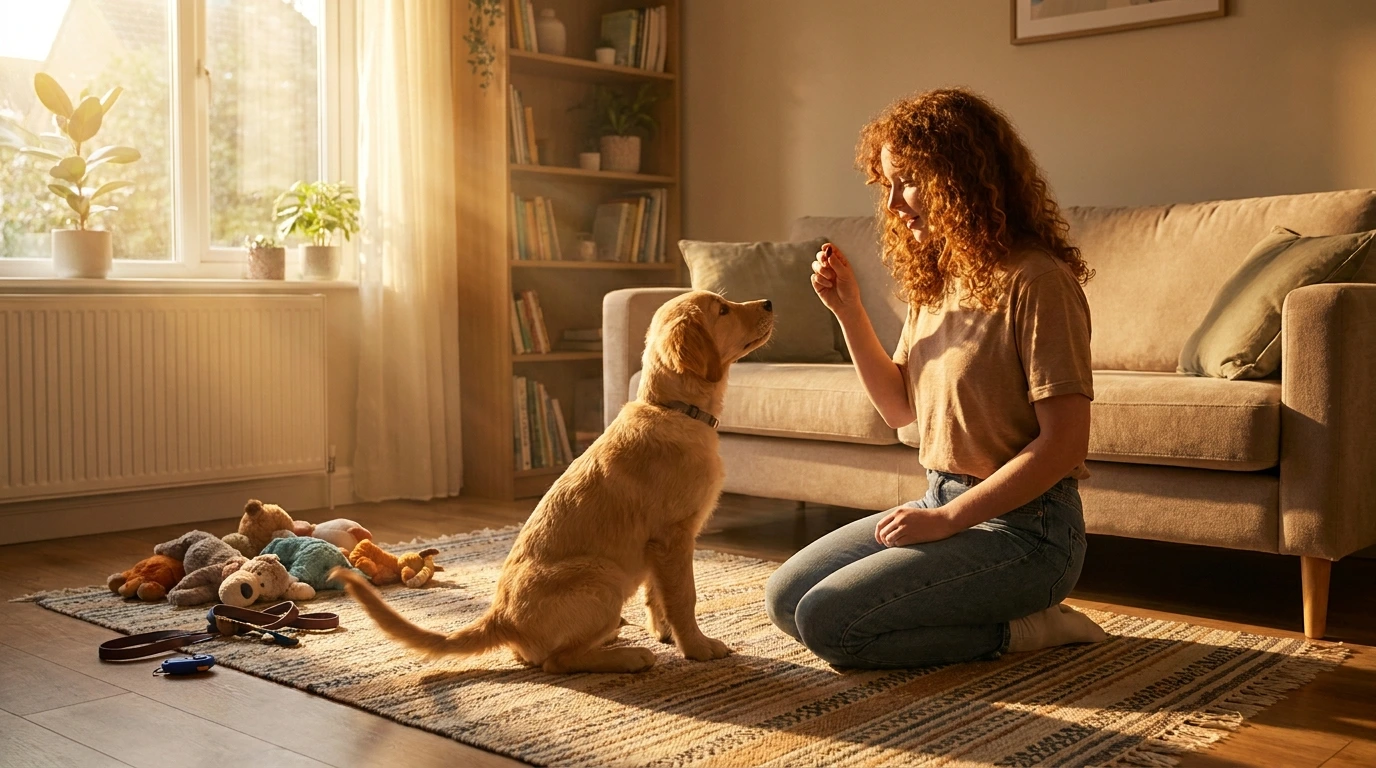
Begin training with simple commands such as “sit,” “stay,” and “come.” These foundational commands are essential for good behavior and safety. When your pet obeys a command, immediately reward them with a treat and praise. This reinforces their understanding of the command.
Use Clicker Training
Clicker training is a popular method that pairs a distinct sound with a reward. When your pet performs the desired behavior, you click the clicker and immediately give them a treat. This method helps your pet associate the sound with positive reinforcement, enhancing their learning process.
Consistency is Key
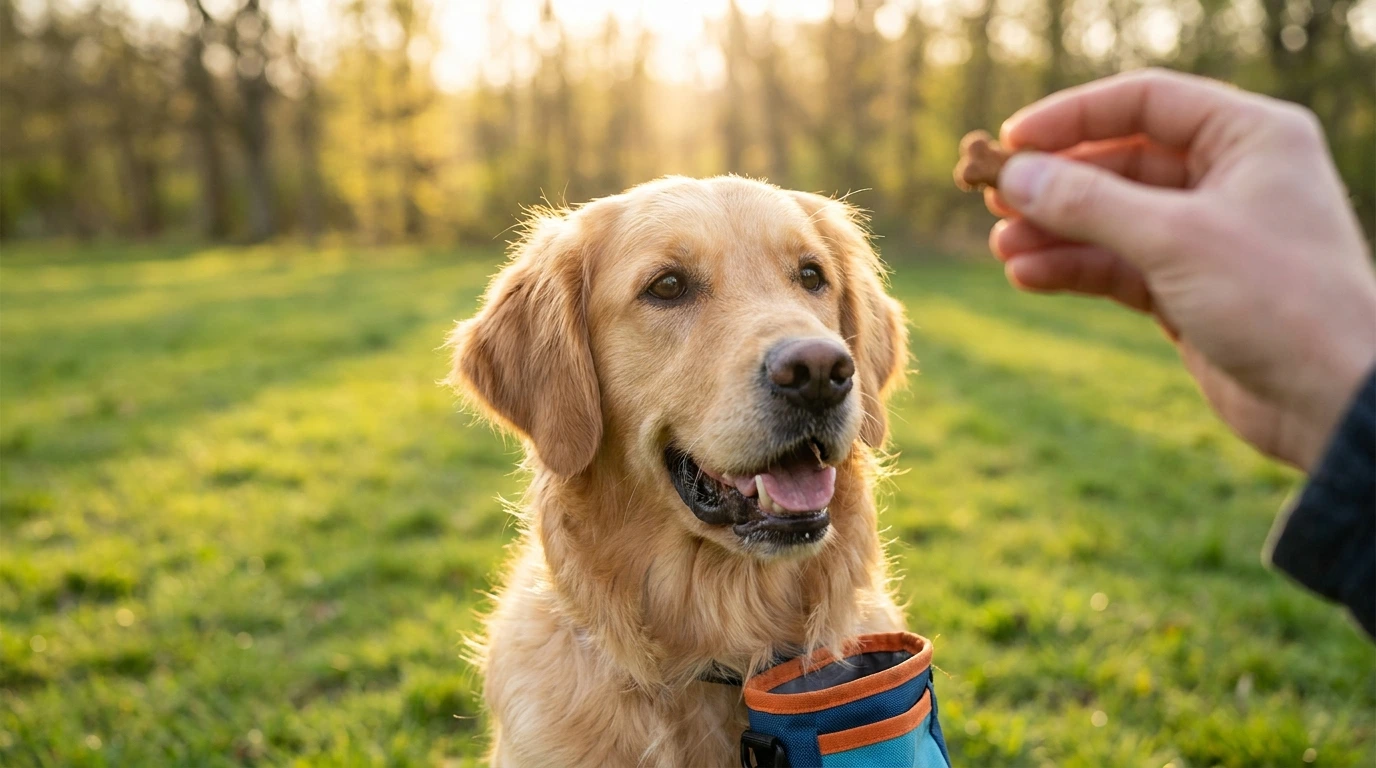
Being consistent with commands and rewards is crucial for effective training. Use the same word for each command and ensure that everyone in your household uses the same terms. This prevents confusion and helps your pet learn more effectively. Consistency also applies to the timing of rewards; always reward immediately after the desired behavior occurs.
Building a Training Routine
Establishing a routine can significantly enhance your pet’s training experience. Regular training sessions help reinforce learning and maintain your pet’s interest.
Setting a Schedule
Choose specific times of day for training sessions, keeping them short and engaging. Aim for 5 to 10-minute sessions, especially for young pets or those with shorter attention spans. Frequent, shorter sessions are often more effective than long, infrequent ones.
Incorporating Games and Play
Integrate play and games into your training routine to maintain your pet’s enthusiasm. Use treats as rewards during games like fetch or hide-and-seek. This makes training feel less like a chore and encourages your pet to engage actively.
Addressing Common Challenges
Training with treats may come with its own set of challenges. Understanding how to address these issues can help you achieve better results.
Overcoming Distractions
Pets can become easily distracted during training, especially in busy environments. Begin training in a quiet space with minimal distractions. As your pet becomes more proficient, gradually introduce them to more stimulating environments while maintaining their focus.
Dealing with Food Motivation
Not all pets are equally motivated by food. If your pet shows little interest in treats, explore other forms of rewards, such as toys or praise. Observe what motivates your pet and adjust your training methods accordingly.
Maintaining Good Behavior Beyond Training
Once your pet has mastered a command or behavior, it’s essential to maintain that good behavior. Reinforcing learned behaviors helps prevent regression.
Gradual Reduction of Treats
After your pet consistently obeys commands, gradually reduce the frequency of treats. You can start rewarding them intermittently, mixing in praise and affection as additional rewards. This encourages them to continue performing the behavior even without a treat.
Regular Refreshers
Continue to practice commands regularly to keep them fresh in your pet’s mind. Short refresher courses can help maintain their skills and ensure they remain responsive to commands.
FAQs
How often should I train my pet with treats?
Short, frequent training sessions of 5 to 10 minutes a couple of times a day are generally effective. This keeps your pet engaged without overwhelming them.
What if my pet is not motivated by treats?
If your pet shows little interest in treats, try using their favorite toys or verbal praise as rewards. Finding what motivates them is key to successful training.
Are there any risks to using treats for training?
Excessive treat rewards can lead to obesity and health issues. Ensure treats are small and account for them in your pet’s daily caloric intake. Balance is essential.
Can I train my pet without treats?
Yes, while treats are effective, you can use other forms of positive reinforcement, such as praise, playtime, or favorite toys, to encourage desired behaviors.
Conclusion
Training your pet with treats is an enjoyable and effective way to teach them new commands and strengthen your bond. By understanding the principles of positive reinforcement, using the right techniques, and maintaining consistency, you can create a successful training routine. Remember to adapt your methods based on your pet’s individual needs and motivations. With patience and practice, you can cultivate a well-behaved and happy companion.