
Training your cat to come when called is an invaluable skill that enhances your relationship and ensures their safety. Many pet owners believe that cats cannot be trained, but with patience and understanding, you can teach your feline friend to respond to your call. This guide will explore effective techniques, tips, and insights to help you successfully train your cat to come when called.
Understanding Cat Behavior
Before diving into training methods, it’s essential to understand why cats behave the way they do. Unlike dogs, cats are more independent and may not feel the same urgency to respond to a command. Their instincts play a significant role in how they perceive their environment and interact with their owners.
The Independent Nature of Cats
Cats are natural hunters and often prioritize their instincts over human commands. This independence means they may not come when called simply because they don’t see the necessity. Understanding this behavior is crucial as it sets realistic expectations during training.
Building a Bond with Your Cat
A strong bond with your cat can significantly improve their responsiveness. Spend quality time together, engage in play, and provide positive reinforcement. The trust you build will encourage your cat to respond to your calls out of affection rather than obligation.
Essential Training Techniques
Training your cat to come when called involves several techniques that focus on positive reinforcement. Using treats, toys, and verbal praise can effectively encourage your cat to respond to your commands.
Using Treats as Motivation
Food is often a powerful motivator for cats. Start by choosing a treat that your cat loves. Call your cat’s name followed by a command such as “come” while showing them the treat. When they approach, reward them immediately. This establishes a positive association with the command.
Incorporating Playtime
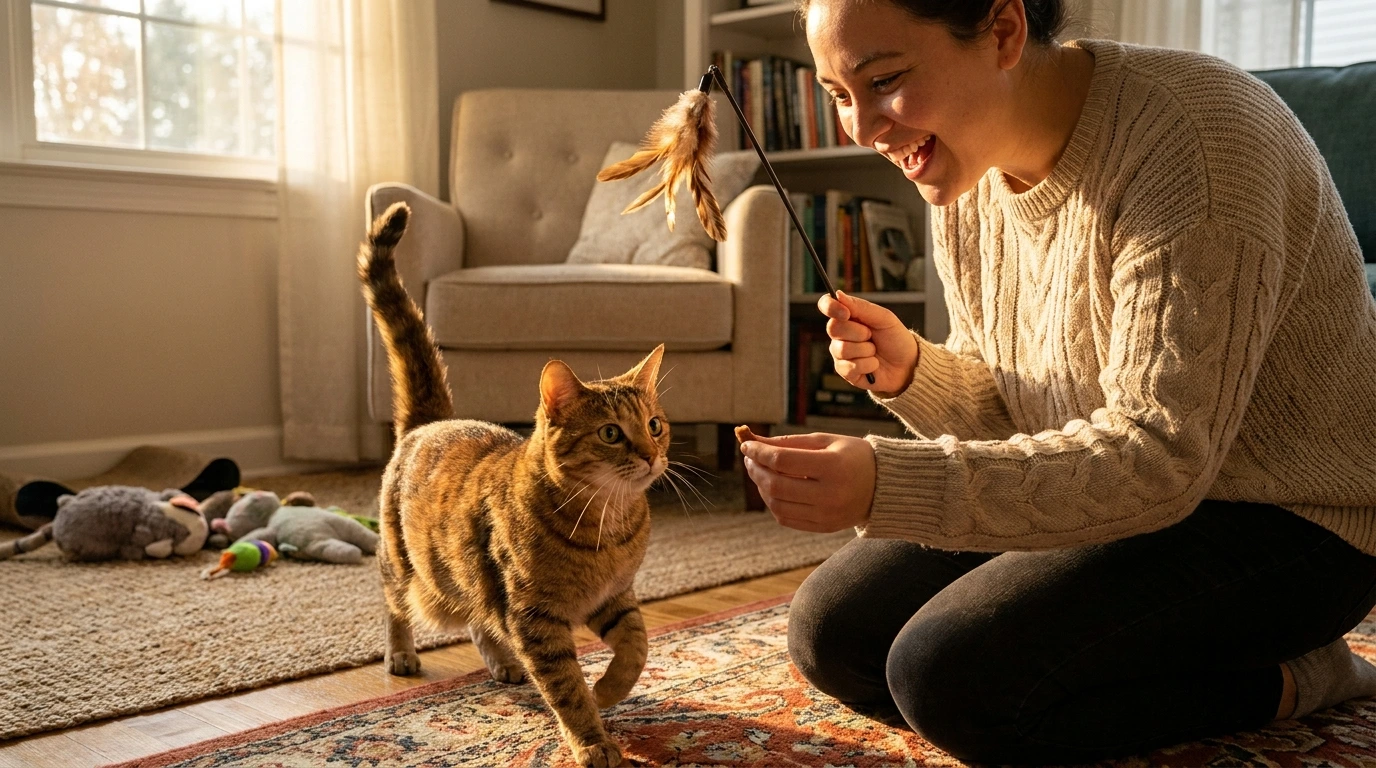
If your cat enjoys playing, use their favorite toy as a motivator. Call them while shaking the toy or making it move. When they come to you, engage them in play as a reward. This method helps reinforce the behavior while making it enjoyable for your cat.
Establishing a Routine
Consistency is key in training. Establish a routine where you call your cat at specific times, such as during feeding or play sessions. Repetition will help your cat associate the command with a specific outcome, making them more likely to respond over time.
Creating a Positive Environment
A positive training environment is crucial for success. Minimize distractions and ensure the space is comfortable for your cat. This will help them focus on you and the training process.
Choosing the Right Setting
Begin training in a quiet area of your home where your cat feels safe. Avoid noisy environments that may startle them. Once they are comfortable responding to your call in a calm setting, you can gradually introduce more distractions.
Using a Consistent Command
Choose a specific word or phrase for your command, such as “come” or “here.” Be consistent in using the same command each time. This consistency helps your cat learn and understand what you expect from them.

Monitoring Progress
Tracking your cat’s progress during training sessions can help you understand what works and what doesn’t. Patience is essential, as each cat learns at their own pace.
Celebrating Small Wins
Adjusting Techniques as Needed
If your cat isn’t responding as expected, consider adjusting your approach. Experiment with different treats, toys, or commands. Every cat is unique, and finding what motivates them can make a significant difference.
Common Challenges and Solutions
Training your cat is not always straightforward. You may encounter challenges that require patience and adaptability. Understanding these challenges can better prepare you for the training process.
Distractions and Lack of Interest
If your cat seems disinterested or distracted, try using higher-value treats or toys. Ensure the training session is short and engaging. Cats have shorter attention spans, so keeping sessions brief can help maintain their interest.
Fear or Anxiety
Some cats may feel anxious or fearful during training. If this is the case, take a step back and allow your cat to acclimate to the training environment. Use gentle, calm tones and avoid any harsh reprimands, as this can hinder their willingness to respond.
FAQs
Can all cats be trained to come when called?
Yes, while some cats may be more receptive than others, all cats can learn to come when called with the right techniques and patience.
How long does it take to train a cat?
The time it takes to train a cat varies based on the individual cat and the methods used. Some cats may respond in a few days, while others may take weeks or longer.
What if my cat ignores me?
If your cat ignores you, consider adjusting your training techniques. Ensure you are using high-value rewards and minimize distractions in the environment.
Is it necessary to use treats for training?
While treats can be highly effective, they are not the only way to motivate your cat. Playtime, affection, and verbal praise can also reinforce desired behaviors.
Conclusion
Training your cat to come when called is a rewarding process that strengthens your bond and enhances their safety. By understanding their behavior, employing effective training techniques, and creating a positive environment, you can successfully teach your cat this essential command. Remember to be patient and celebrate progress, no matter how small. With dedication and love, your cat can learn to respond to your call, making your interactions even more enjoyable.