
Dog crate training can be a game-changer for both you and your furry friend. It not only provides a safe and secure space for your dog but also helps in managing behavior and establishing a routine. If you’re considering crate training your dog, or are struggling with the process, this guide will simplify the steps to ensure a smooth transition for both you and your pet. Read on to discover effective strategies and tips that will make dog crate training not just easy but enjoyable.
Understanding the Benefits of Crate Training
Crate training offers numerous advantages for both dogs and their owners. It can play a significant role in your dog’s overall well-being and behavior management.
Creates a Safe Space
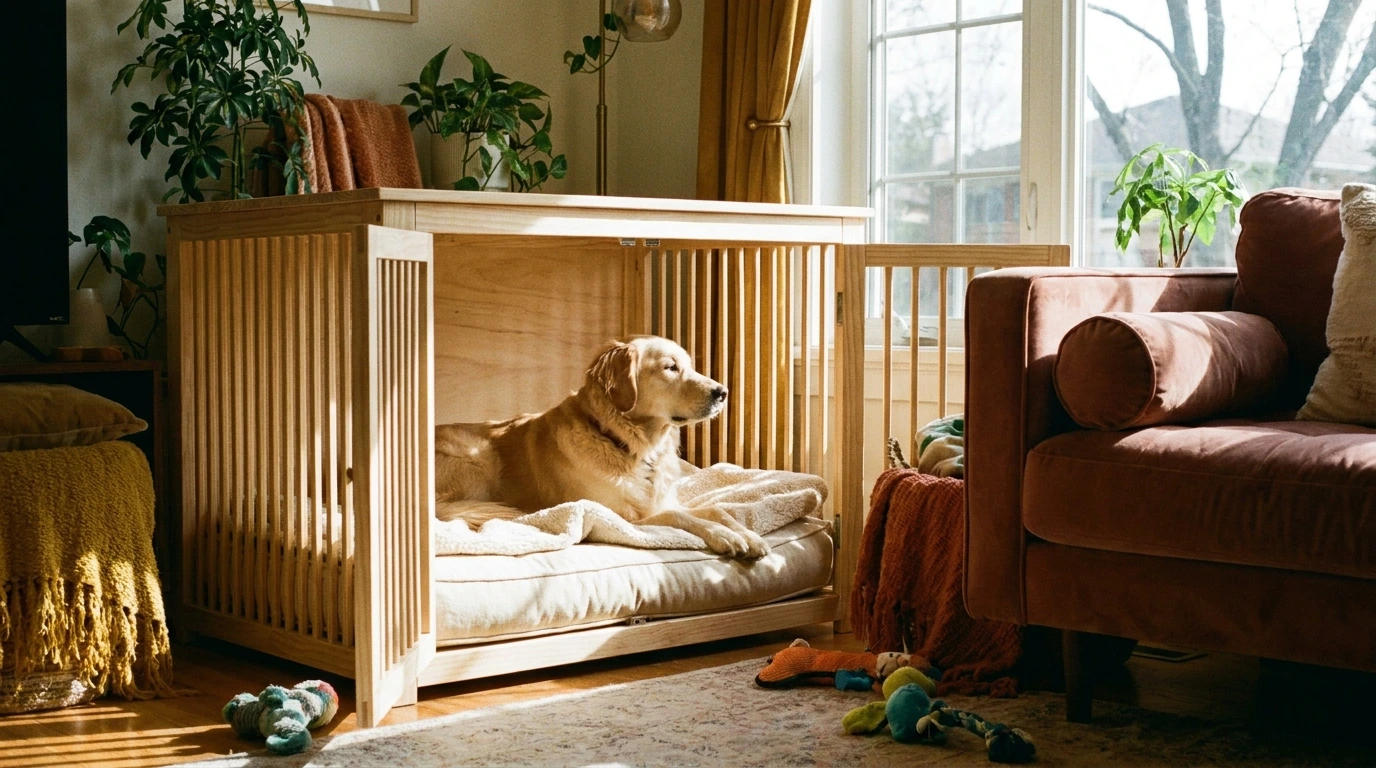
A crate serves as a secure environment where your dog can retreat when feeling overwhelmed. This den-like area provides comfort and a sense of safety, which is especially beneficial during stressful situations such as thunderstorms or visits from unfamiliar guests.
Aids in Housebreaking
Crate training is an effective tool for housebreaking puppies. Dogs naturally avoid soiling their sleeping area. By using a crate, you can encourage your dog to hold it until they are let outside, establishing a routine that reinforces good bathroom habits.
Prevents Destructive Behavior
When left unsupervised, dogs may engage in destructive behaviors, such as chewing furniture or getting into trash. A crate can help prevent these issues by providing a controlled environment when you cannot monitor your dog directly.
Choosing the Right Crate
Selecting the appropriate crate is crucial to successful training. Various types of crates are available, and choosing one that fits your dog’s needs will make the process easier.
Types of Crates
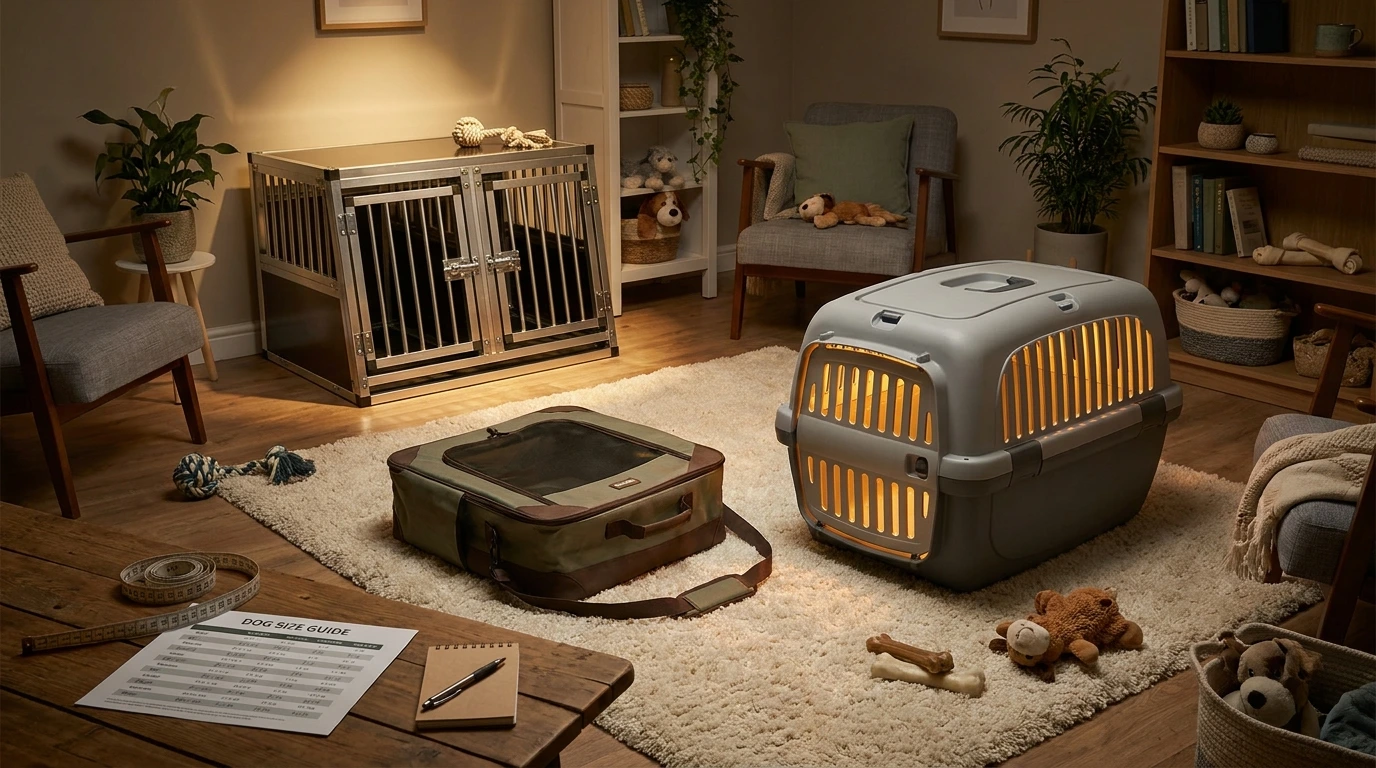
There are several types of dog crates, including plastic, metal, and soft-sided options. Plastic crates are great for travel and provide a den-like environment. Metal crates are durable and often adjustable, making them suitable for growing puppies. Soft-sided crates are lightweight and portable but may not be ideal for chewers or escape artists.
Size Matters
The crate should be large enough for your dog to stand, turn around, and lie down comfortably. A crate that is too big may encourage your dog to use one area as a bathroom, negating the training benefits. Consider measuring your dog and referring to size guidelines from the crate manufacturer.
Steps to Crate Train Your Dog
Crate training is a step-by-step process that requires patience and consistency. Following these guidelines will help ease your dog into the crate comfortably.
Introduce the Crate Gradually
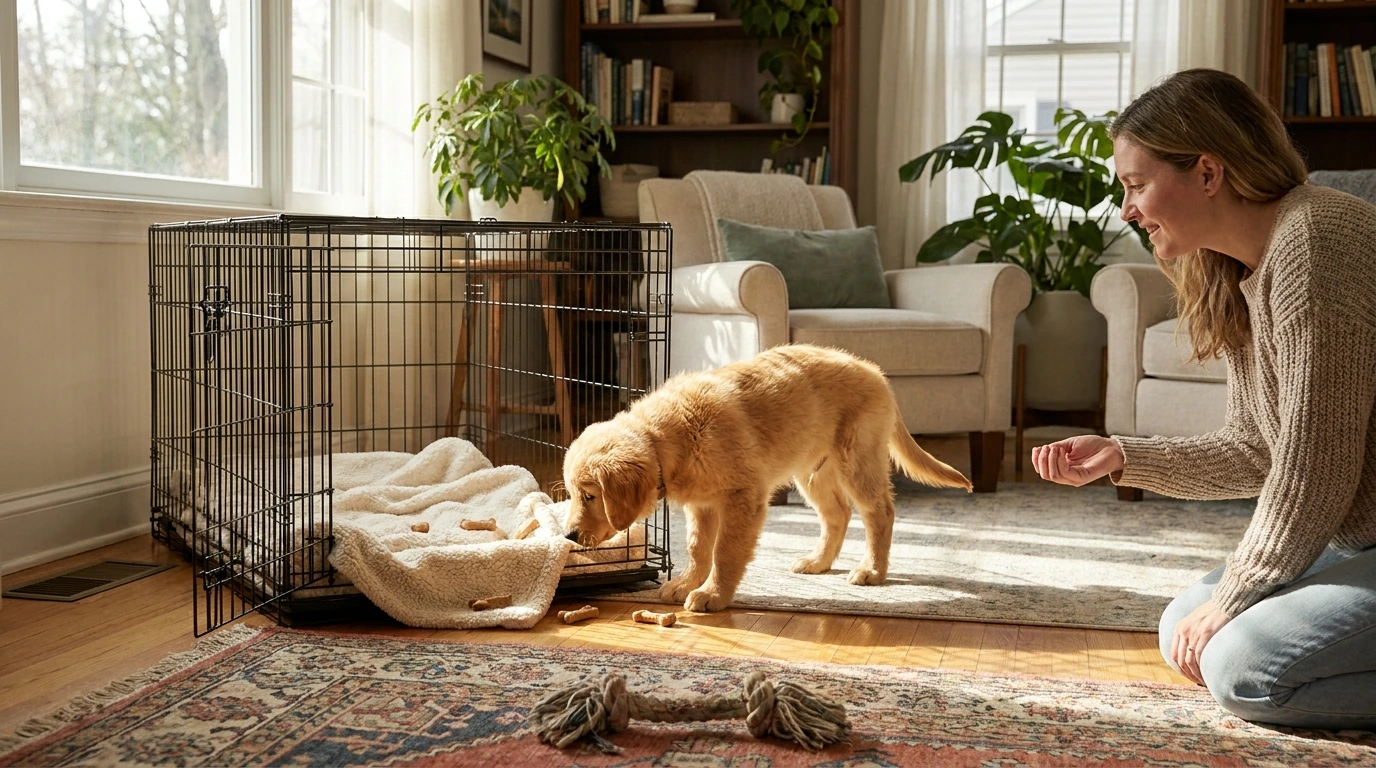
Start by allowing your dog to explore the crate at their own pace. Place it in a familiar area of your home and encourage your dog to enter by placing treats or their favorite toy inside. Make the crate a positive space before closing the door.
Short Stays to Start
Once your dog is comfortable entering the crate, begin closing the door for short periods while you are nearby. Gradually increase the duration as your dog becomes more relaxed. Always reward them with praise or treats when they remain calm inside the crate.
Establish a Routine
Integrate crate time into your daily routine. Use the crate during mealtimes, nap times, or when you need to leave the house. This consistency helps your dog understand that the crate is part of their daily life, reducing anxiety associated with being confined.
Common Challenges and How to Overcome Them
Every dog is unique, and you may encounter challenges during the crate training process. Understanding these issues can help you navigate them effectively.
Separation Anxiety
Some dogs may experience separation anxiety when first introduced to the crate. If your dog whines or barks, avoid letting them out immediately, as this can reinforce negative behavior. Instead, wait for a moment of quiet before opening the door, teaching them that calm behavior results in freedom.
Reluctance to Enter the Crate
If your dog seems hesitant to enter the crate, it may be due to fear or discomfort. Ensure the crate is a positive space by using treats, toys, and positive reinforcement. You may also try feeding your dog their meals inside the crate to create a positive association.
Accidents in the Crate
Accidents can happen, especially for young puppies. If your dog soils the crate, avoid punishment, as this can create fear around the crate. Instead, ensure they are taken outside frequently, especially after eating or drinking. Clean the crate thoroughly to eliminate odors that might encourage further accidents.
FAQs
How long can my dog stay in the crate?
The general rule is that puppies can hold their bladders for about one hour for every month of age. Adult dogs can typically stay in a crate for up to eight hours, but it is best to provide breaks for exercise and bathroom needs.
Should I cover the crate?
Covering the crate can create a den-like environment that many dogs find comforting. However, monitor your dog’s behavior to ensure they are not feeling trapped or anxious. A light blanket or a specially designed crate cover can work well.
What if my dog hates the crate?
It is essential to remain patient and avoid forcing your dog into the crate. Gradual exposure, positive reinforcement, and ensuring the crate is a comfortable space can help alleviate their dislike. Consider consulting a professional trainer if challenges persist.
Conclusion
Crate training can transform your dog’s behavior and enhance their sense of security. By understanding the benefits, selecting the right crate, and employing effective training strategies, you can create a positive experience for both you and your pet. Remember to be patient and consistent, as successful crate training takes time. With dedication, your dog will learn to love their crate, making it a valuable tool for their well-being and your peace of mind.