
Training your puppy at night can be a rewarding yet challenging experience. Many pet owners find that nighttime training offers a unique opportunity to bond with their new furry friend while establishing essential behaviors that will last a lifetime. Whether you’re working on potty training, basic commands, or socialization, nighttime can be an ideal time when distractions are minimal, and your puppy can focus better. This guide will provide practical tips and techniques to effectively train your puppy during the night.
Understanding Your Puppy’s Nighttime Behavior
Puppies, like human infants, often have different behaviors during the night. Understanding these behaviors is crucial for effective training. At night, puppies may feel more anxious or restless due to the change in their environment. This is when their instincts to explore and seek comfort kick in, making it important for you to create a conducive environment for training.
Recognizing Signs of Restlessness
Puppies may show signs of restlessness at night through whining, barking, or pacing. Recognizing these signals will help you address their needs promptly. For example, if your puppy is whining, it may indicate a need to go outside for a bathroom break or a desire for companionship. Observing these behaviors can guide your training approach.
Creating a Comfortable Sleep Environment
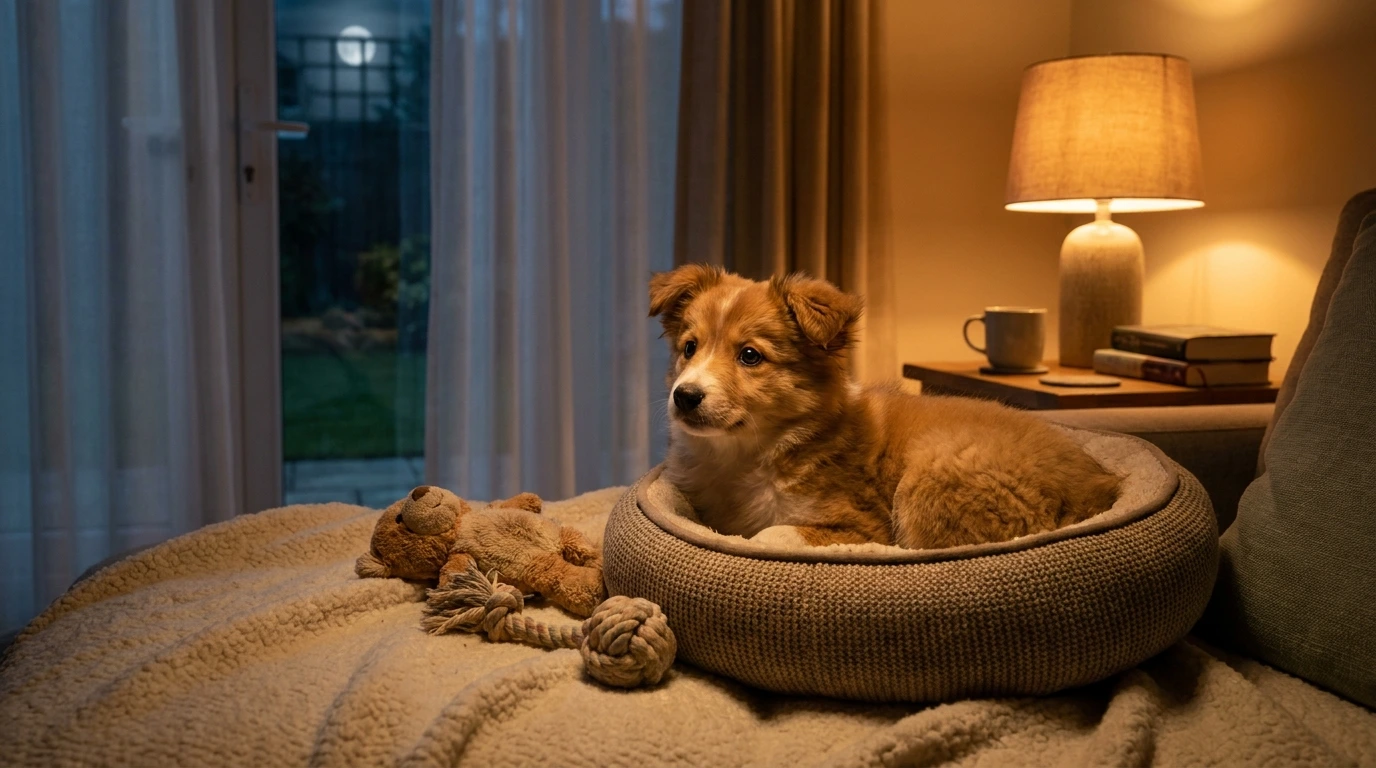
A comfortable sleep environment is essential for your puppy to feel secure at night. Consider using a cozy bed or crate in a quiet area of your home. Adding familiar items, such as a blanket or toy, can also help ease anxiety. The more secure your puppy feels, the more focused they will be during training sessions.
Effective Nighttime Training Techniques
Implementing the right training techniques during nighttime can significantly enhance your puppy’s learning experience. These techniques should be tailored to your puppy’s specific needs and personality. Below are some effective methods to consider.
Establishing a Consistent Routine
Consistency is key when training your puppy at night. Establishing a nightly routine that includes feeding, playtime, and bathroom breaks can create a sense of predictability for your puppy. For example, if you consistently take your puppy out for a bathroom break at the same time each night, they will learn to anticipate this and may begin to signal their need to go outside.
Positive Reinforcement Techniques
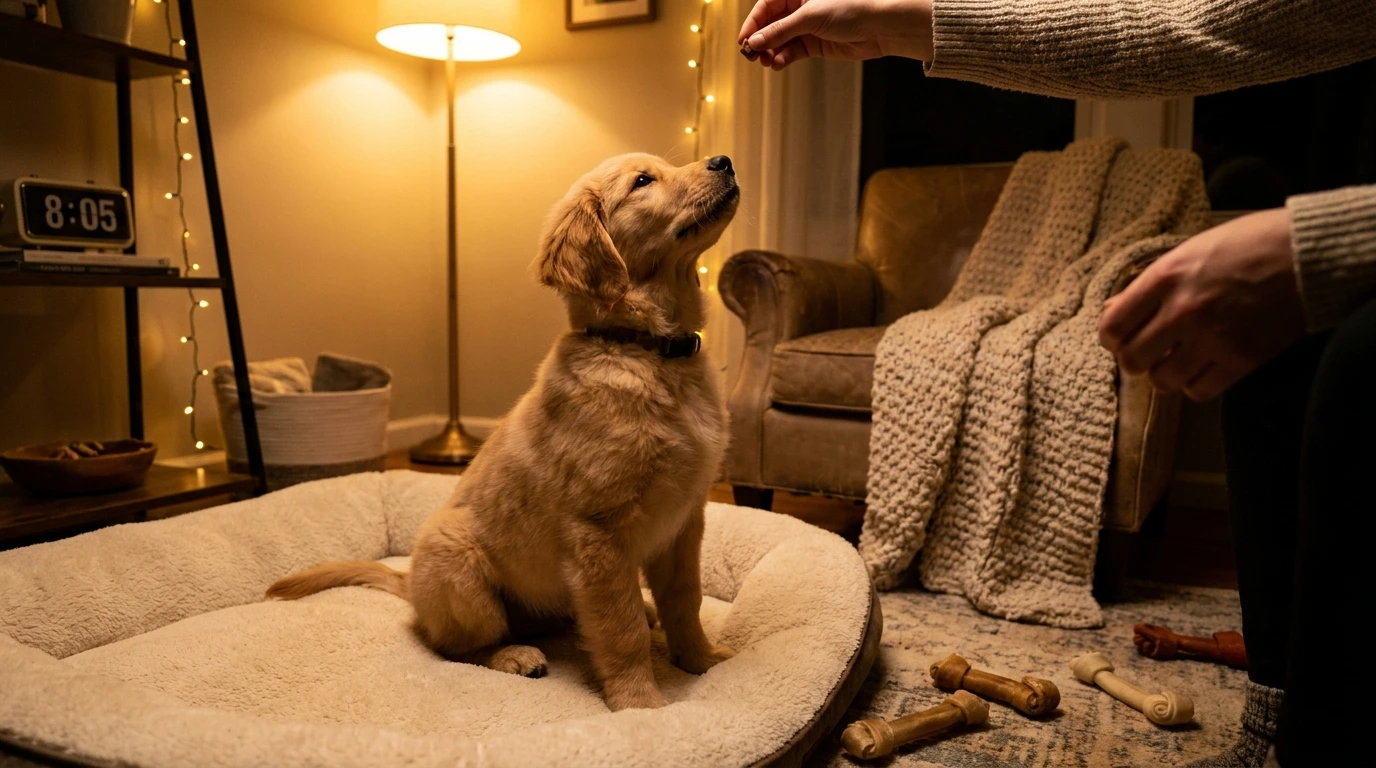
Positive reinforcement involves rewarding your puppy for desired behaviors. This could include treats, praise, or playtime. For instance, if your puppy sits quietly in their bed during training, reward them immediately. This reinforces the behavior you want to encourage and helps your puppy associate nighttime training with positive experiences.
Short Training Sessions
Keeping training sessions short and focused is particularly effective at night. Puppies have shorter attention spans, especially when they are tired. Aim for sessions of about 5 to 10 minutes. For example, you might practice basic commands like “sit” or “stay” during this time. After a brief session, allow your puppy to relax and unwind before bedtime.
Common Challenges and How to Overcome Them
Training your puppy at night can come with its own set of challenges. Identifying these obstacles and implementing strategies to overcome them can make the process smoother for both you and your puppy.
Dealing with Nighttime Whining
Nighttime whining is a common issue for new puppy owners. It’s important to determine whether the whining is due to discomfort, fear, or the need to go outside. If your puppy continues to whine after a bathroom break, consider giving them a comforting object or trying a gentle approach to help them settle down. Gradually increase the time between bathroom breaks to encourage them to hold it longer.
Managing Distractions
Limit distractions during nighttime training to help your puppy focus. This means turning off the TV, reducing noise from other rooms, and ensuring the training area is well-lit but not overly stimulating. A calm environment can help your puppy absorb training better and reduce anxiety.
Handling Accidents
Accidents may happen during nighttime training, especially in the early stages. It’s essential to handle these situations calmly. Clean up accidents thoroughly to remove odors that may encourage your puppy to go in the same spot again. If your puppy has an accident, avoid punishment; instead, redirect their behavior by taking them outside immediately after the incident.
FAQs
Is it better to train my puppy during the day or at night?
Training your puppy at night can be beneficial due to fewer distractions and a calmer environment. However, it ultimately depends on your schedule and your puppy’s energy levels. Both times can be effective if approached correctly.
How can I tell if my puppy is ready for nighttime training?
Your puppy should be able to stay dry for several hours during the night and should have a basic understanding of commands. If they are consistently signaling their needs during the day, they may be ready for nighttime training.
What should I do if my puppy won’t settle down at night?
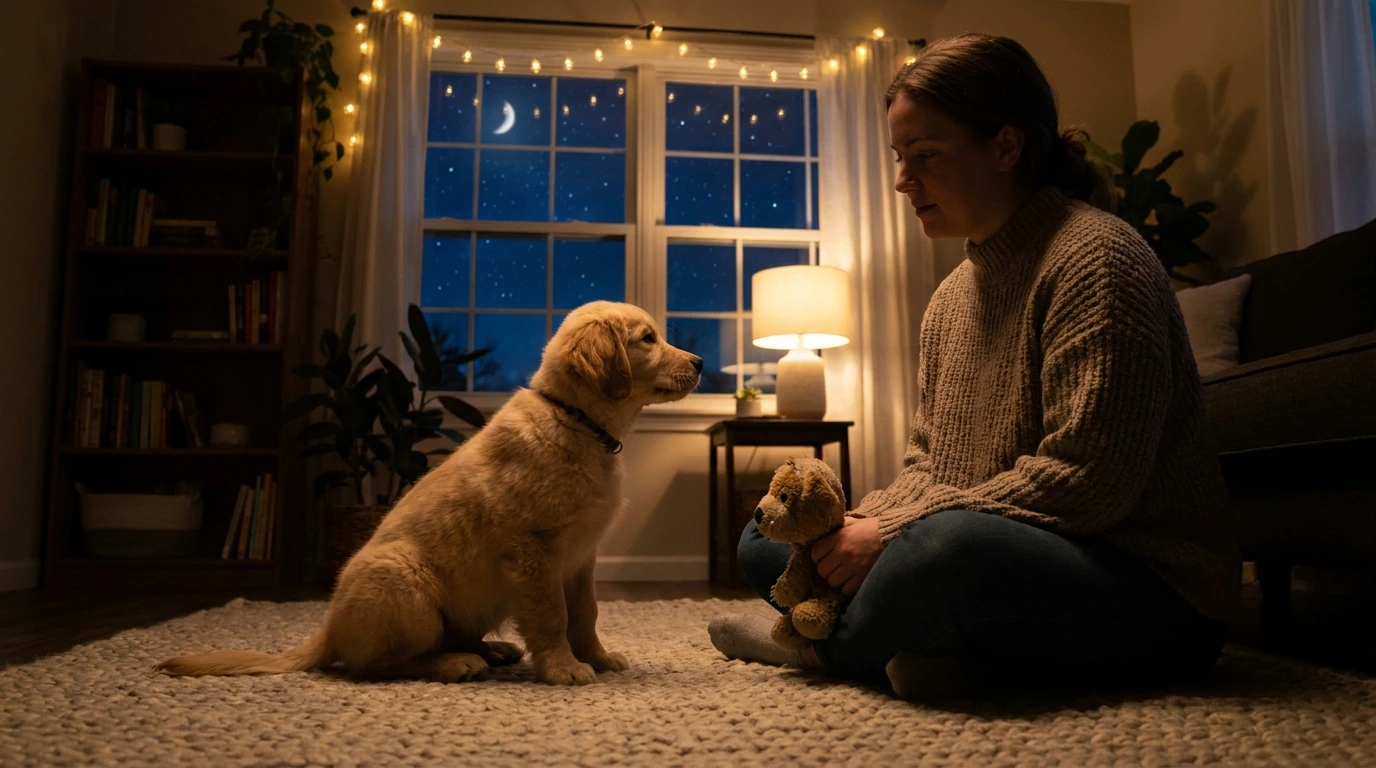
If your puppy won’t settle down, check for any discomfort, such as needing to go outside or being too hot or cold. Providing a comforting environment, such as a cozy bed or a familiar toy, can help them feel secure and settle down more easily.
Conclusion
Training your puppy at night presents a unique opportunity to build a strong foundation for good behavior and obedience. By understanding your puppy’s nighttime behaviors, implementing effective training techniques, and managing common challenges, you can make nighttime training a rewarding experience. Remember that patience and consistency are crucial to your puppy’s success. With time and effort, you will see positive results in your puppy’s training journey.