
Teaching your dog to heel on walks is not only essential for good behavior but also enhances the bonding experience between you and your furry friend. A well-trained dog that walks beside you can make outings more enjoyable and less stressful. This guide will provide you with effective techniques and tips to teach your dog to heel, ensuring a pleasant walking experience for both of you.
Understanding the Heel Command
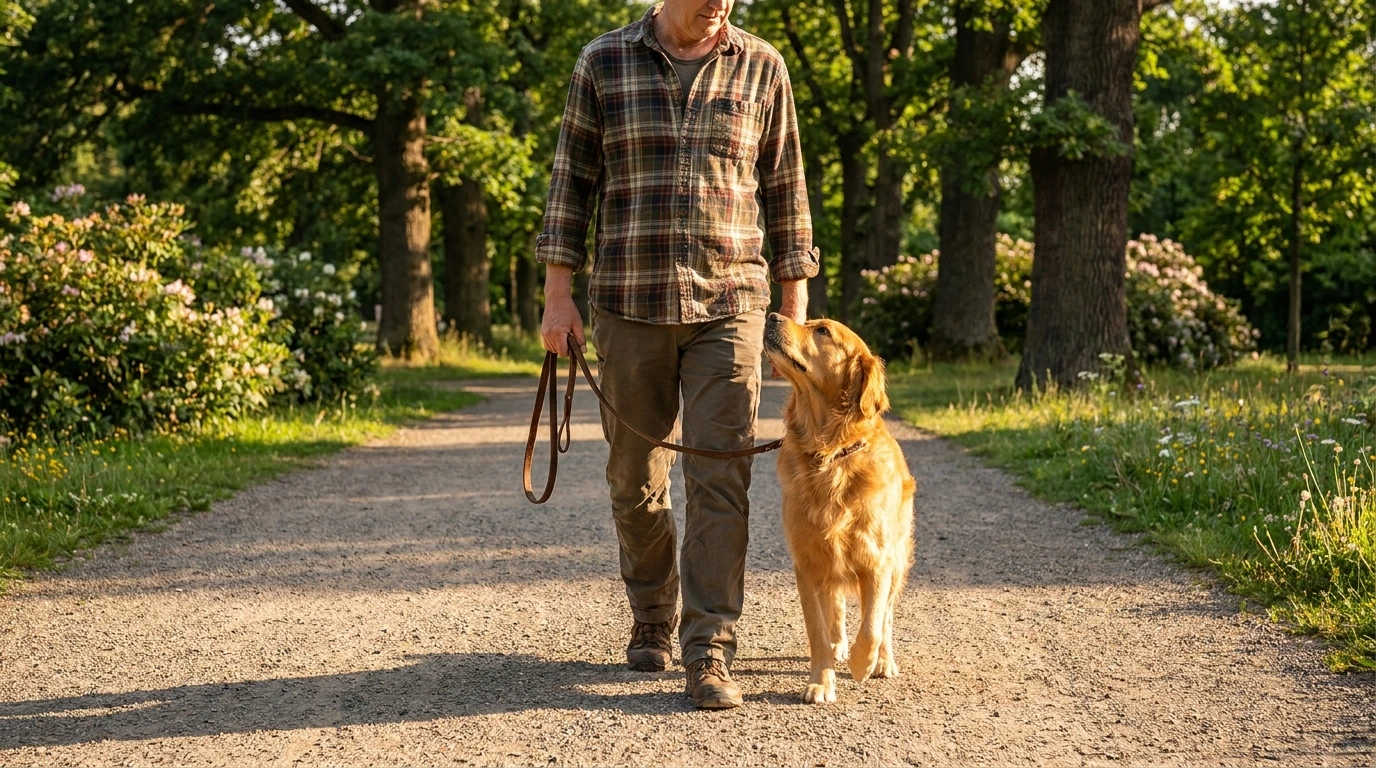
The heel command is about getting your dog to walk closely by your side, typically on your left, without pulling on the leash. This position allows you to maintain control during walks and keeps your dog safe from potential hazards.
Why Teaching Heel is Important
Teaching your dog to heel is vital for several reasons. First, it helps prevent accidents, as dogs can easily become distracted by their surroundings. Second, a well-behaved dog can enjoy social interactions with other dogs and people without causing disruptions. Lastly, it creates a structured environment that benefits both the dog and the owner.
Basic Commands to Know
Before teaching the heel command, ensure your dog understands basic commands like “sit,” “stay,” and “come.” These foundational commands will make the training process smoother. A well-rounded understanding of basic commands establishes a communication foundation that fosters trust and respect between you and your dog.
Step-by-Step Guide to Teaching Your Dog to Heel
Now that you understand the importance of the heel command, let’s explore a step-by-step method to teach this skill effectively.
Step 1: Choose the Right Equipment
Using the right equipment is crucial for successful training. A well-fitted collar or harness and a standard leash will provide control without causing discomfort to your dog. Avoid using retractable leashes during this training phase, as they can encourage pulling.
Step 2: Start Indoors or in a Controlled Environment
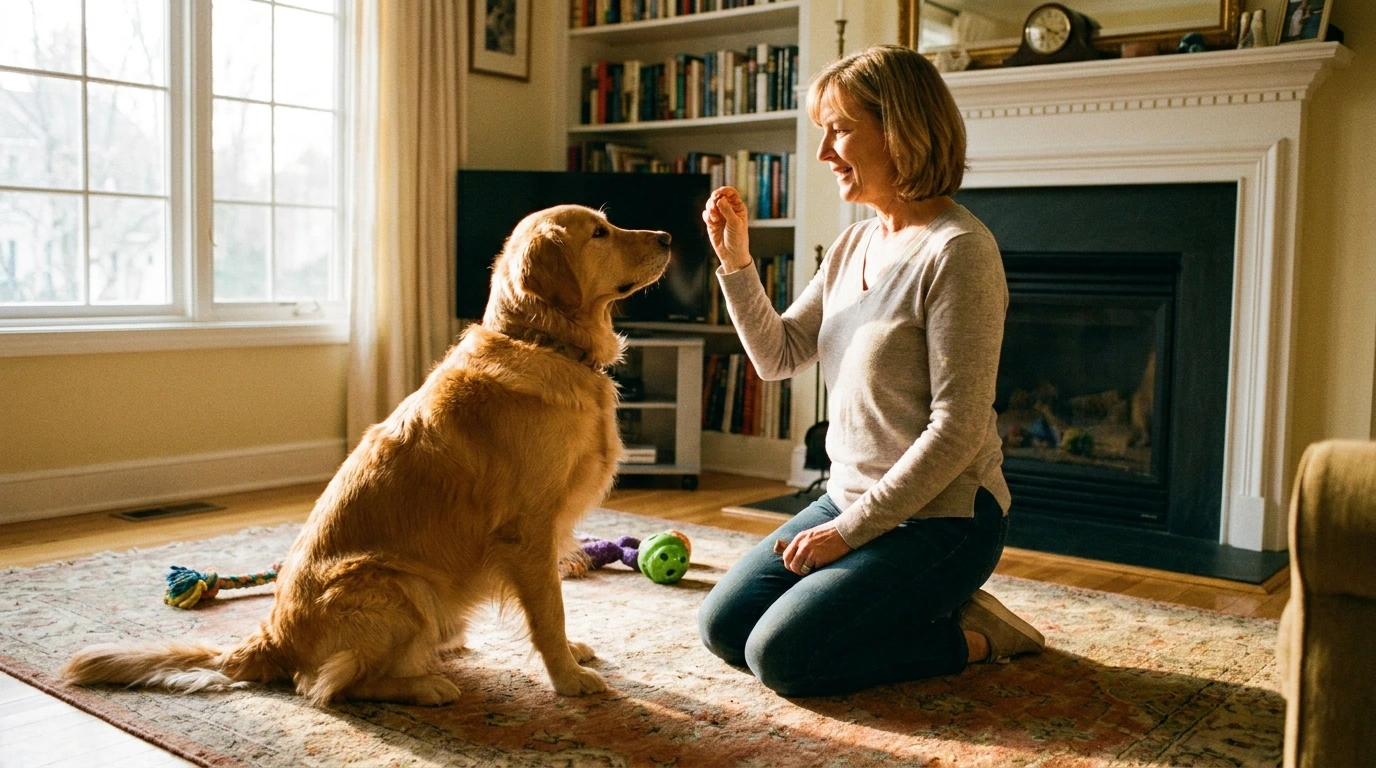
Begin your training in a quiet space free from distractions. This could be your living room or a fenced yard. Start with your dog on a leash, standing beside you on your left side. The goal here is to establish a calm environment to help your dog focus on learning.
Step 3: Use Treats and Positive Reinforcement
To encourage your dog to walk beside you, use treats as a reward. Hold a treat in your left hand and use it to guide your dog into the heel position. As your dog moves closer, say “heel” in a clear, upbeat tone. When your dog is in the correct position, reward them immediately. This positive reinforcement builds a strong association between the command and the desired behavior.
Step 4: Practice the Movement
Once your dog understands the position, begin to walk slowly. Encourage your dog to stay in the heel position by praising them continuously and offering treats at intervals. Start with short distances, gradually increasing as your dog becomes more comfortable and consistent in the heel position.
Step 5: Introduce Distractions Gradually
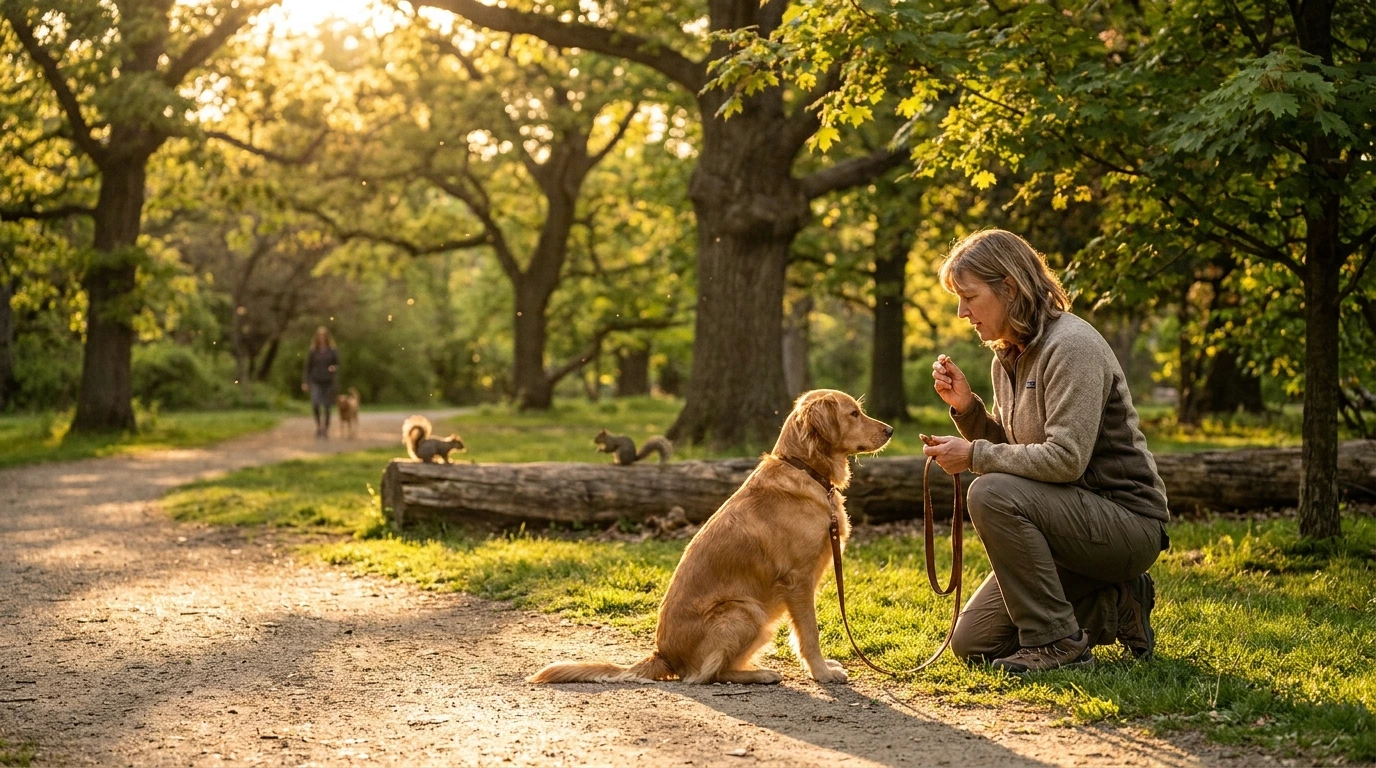
Once your dog can heel reliably in a quiet environment, it’s time to introduce distractions. Move to a busier area, like a park or a neighborhood street. Keep your expectations realistic; your dog may need time to adjust. Continue using treats and praise to reinforce the behavior amidst distractions. Patience is key at this stage.
Step 6: Reducing Treats Over Time
As your dog becomes proficient at heeling, start reducing the frequency of treats. Transition to intermittent rewards, so your dog remains motivated without expecting treats every time. This approach helps maintain their interest and enthusiasm for the command.
Common Challenges and Solutions
Training your dog to heel can come with challenges. Here are some common issues and how to address them effectively.
Pulling on the Leash
If your dog pulls on the leash while walking, stop walking immediately. Wait for them to return to your side before continuing. This method teaches your dog that pulling will not get them anywhere.
Distractions from Other Dogs or People
Dogs are naturally curious and may become distracted by other dogs or people. When this happens, gently redirect your dog’s attention back to you by using treats or calling their name. Consistent practice will help your dog learn to ignore distractions.
Inconsistency in Training
Consistency is crucial in dog training. Ensure that all family members use the same commands and techniques when training your dog. Mixed signals can confuse your dog and hinder progress.
FAQs
How long does it take to teach a dog to heel?
The time it takes to teach a dog to heel varies by dog and individual circumstances. Some dogs may learn within a few sessions, while others may require several weeks of consistent practice.
Can I teach an older dog to heel?
Yes, older dogs can learn to heel. While it may take more time and patience, older dogs can still grasp new commands and behaviors. Adjust your training methods to suit their pace and comfort level.
What if my dog refuses to heel?
If your dog refuses to heel, evaluate the training environment and methods. Ensure that you’re using positive reinforcement and are in a distraction-free zone. If problems persist, consider consulting a professional dog trainer for personalized assistance.
Conclusion
Teaching your dog to heel on walks is a valuable skill that enhances safety and enjoyment for both the dog and the owner. By following the structured steps outlined above, addressing common challenges, and maintaining consistency in training, you can foster a strong connection with your dog. Remember, patience and positive reinforcement are key to successful training. With time and dedication, your walks will become a delightful experience, showcasing the bond you share with your canine companion.