
Training your dog to stop pulling on the lead is essential for a more enjoyable walking experience. A well-trained dog not only makes walks more pleasant but also ensures the safety of both the dog and the owner. This article offers practical techniques and insights to help you teach your dog to walk calmly on a lead, making your outings more enjoyable and stress-free.
Understanding the Basics of Lead Pulling
Before diving into training methods, it’s crucial to understand why dogs pull on leads. Pulling can stem from excitement, curiosity, or simply the desire to get to a destination faster. Recognizing the underlying motivations will help in choosing the most effective training strategies.
The Instincts Behind Pulling
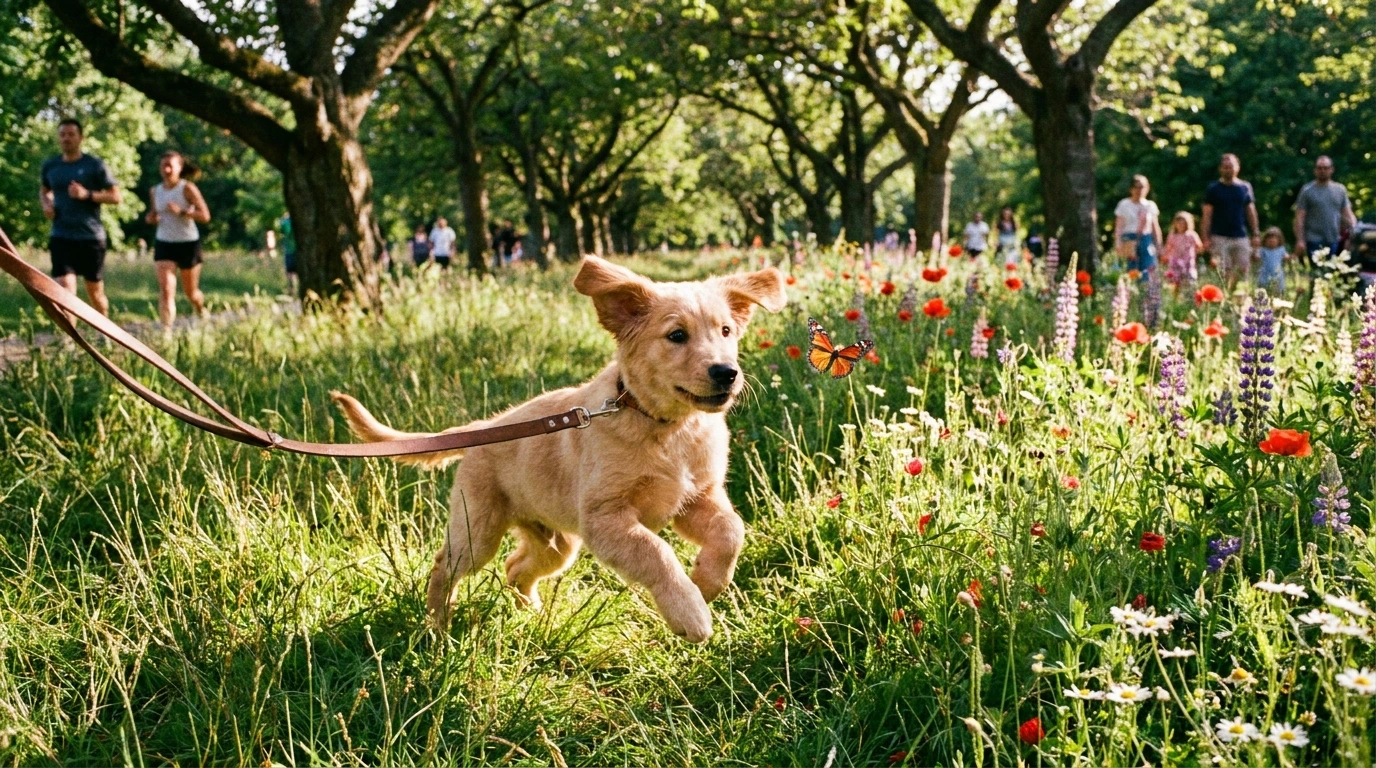
Dogs are naturally inclined to explore their environment. When on a lead, their instinct may push them to pull towards interesting scents, sights, or sounds. This behavior is often exacerbated in younger dogs who have boundless energy and curiosity. Understanding this instinct can guide your training approach.
Training Techniques to Stop Pulling
There are several effective techniques you can employ to train your dog to stop pulling on the lead. Consistency and patience are key, as this training may take time and practice.
Positive Reinforcement
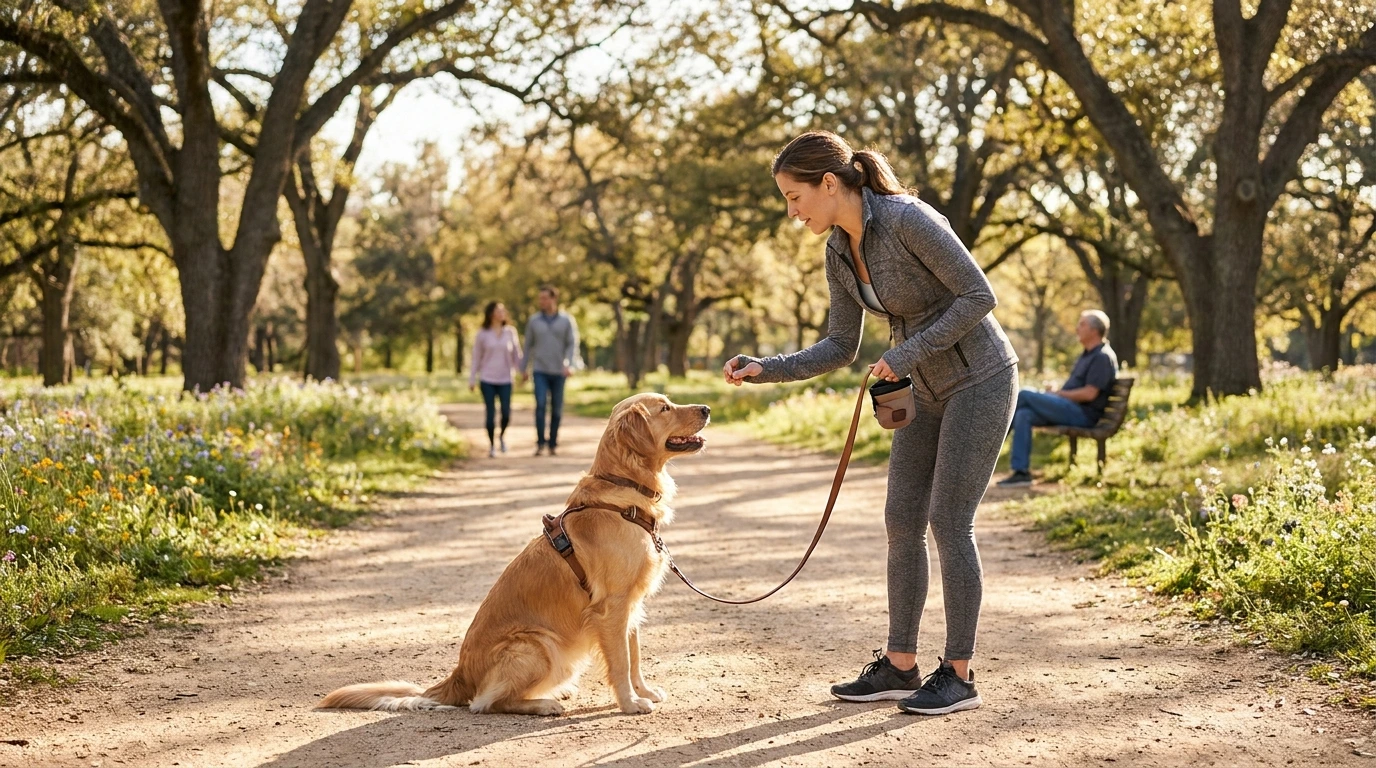
One of the most effective methods for training is positive reinforcement. Whenever your dog walks beside you without pulling, reward them with praise, treats, or both. This encourages them to repeat the behavior. Start by taking short walks in a distraction-free environment to help your dog understand what is expected.
Stop and Go Method
Another useful technique is the stop-and-go method. When your dog begins to pull, stop walking immediately. Wait until they return to your side or release the tension on the lead, then resume walking. This teaches your dog that pulling will not get them where they want to go, while walking calmly will.
Use of Proper Equipment
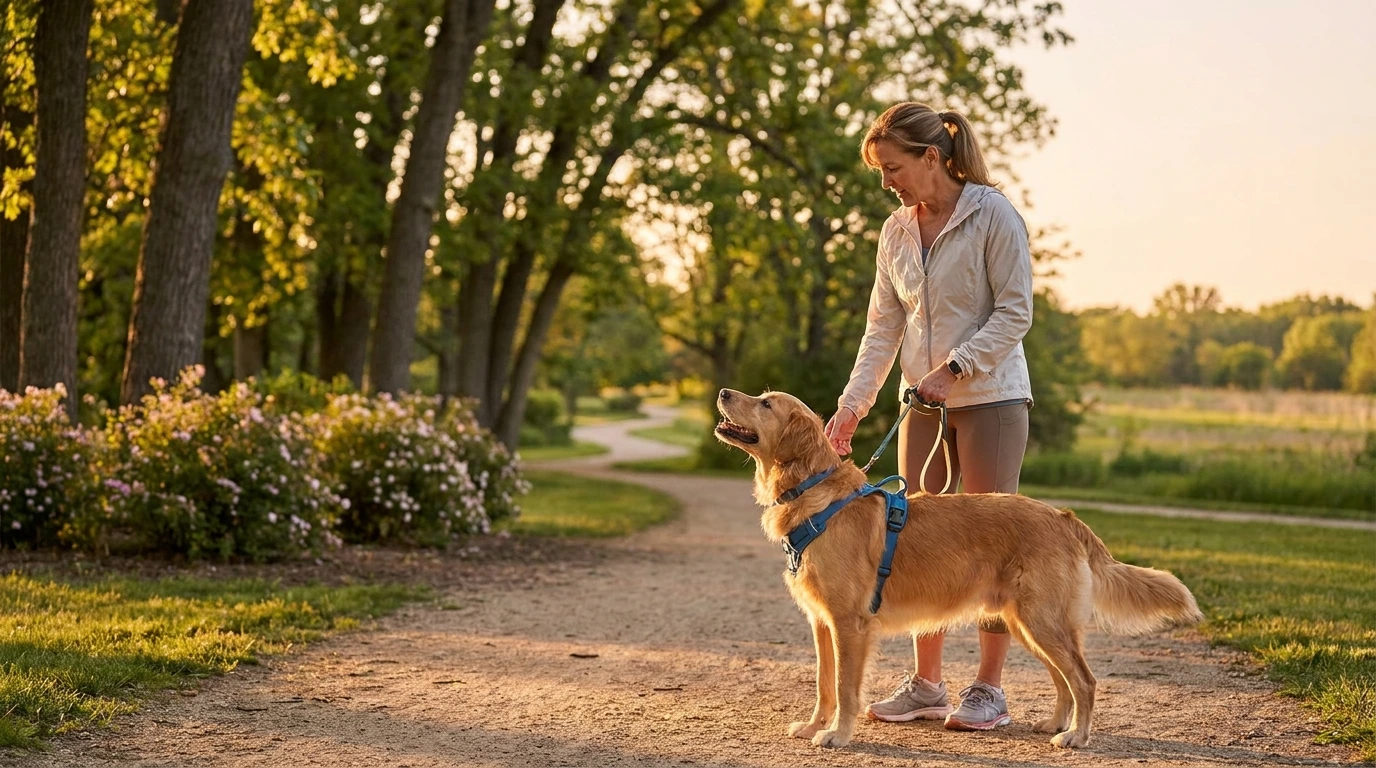
Investing in the right equipment, such as a no-pull harness or head halter, can significantly reduce pulling. These tools are designed to give you better control over your dog without causing discomfort. Ensure that the equipment fits properly and is comfortable for your dog.
Changing Directions
If your dog pulls, try changing directions suddenly. This will catch their attention and help them learn that they need to pay attention to you during walks. By often changing directions, your dog will start to associate walking with staying close to you.
Creating a Consistent Training Routine
Consistency is vital in training. Establish a routine that incorporates daily walks and training sessions. Start with short sessions, gradually increasing the duration as your dog becomes more accustomed to walking without pulling.
Incorporate Training into Daily Walks
Use daily walks as an opportunity to reinforce training. Set specific goals for each walk. For instance, aim for a certain distance without pulling or practice one of the techniques mentioned above. This helps create a structured environment where your dog learns what is expected of them.
Socialization and Distraction Training
Expose your dog to various environments, people, and other animals to improve their focus and responsiveness. Start in quiet areas and gradually introduce distractions. This will help your dog learn to remain calm and attentive to you, even in stimulating situations.
Common Challenges and Solutions
Training a dog to stop pulling on the lead can present various challenges. Identifying these challenges early can help you develop strategies to overcome them.
Dealing with Distractions
Dogs can be easily distracted by other animals or people. If your dog is particularly distracted, consider practicing in a quieter area. Gradually introduce distractions once your dog demonstrates good behavior in calm settings.
Addressing Fear or Anxiety
If your dog pulls due to fear or anxiety, it’s essential to approach training gently. Gradual exposure to the source of fear, combined with positive reinforcement, can help your dog feel more secure. Consulting a professional trainer or behaviorist may be beneficial in these cases.
FAQs
How long does it take to train a dog to stop pulling on the lead?
The time it takes to train a dog varies widely based on the dog’s age, temperament, and previous experiences. Generally, with consistent training, you can see significant improvements within a few weeks.
Can I use punishment to stop my dog from pulling?
It’s not recommended to use punishment as it can lead to fear and anxiety, which may worsen the pulling behavior. Positive reinforcement methods are more effective and promote a better bond between you and your dog.
What if my dog continues to pull despite training?
If your dog continues to pull despite your efforts, consider consulting a professional dog trainer. They can provide personalized guidance and support to address specific issues your dog may have.
Conclusion
Training your dog to stop pulling on the lead requires patience, consistency, and the right techniques. By understanding your dog’s instincts and using positive reinforcement, you can create a more enjoyable walking experience for both of you. Remember that every dog is unique, so tailor your approach to meet their individual needs. With time and dedication, you will enjoy peaceful and fulfilling walks together.