
Teaching your cat to high five is not only a fun trick but also a great way to strengthen your bond with your feline friend. This engaging activity stimulates your cat’s mind and offers a rewarding experience for both of you. With patience and the right approach, you can turn your cat into a high-five expert. In this article, we will delve into the steps, tips, and benefits of training your cat to perform this entertaining trick.
Understanding Your Cat’s Behavior
Before jumping into the training process, it is essential to understand how cats learn and behave. Unlike dogs, cats can be more independent and may not respond as reliably to commands. However, they can learn through positive reinforcement, making training possible with the right techniques.
The Importance of Positive Reinforcement
Positive reinforcement involves rewarding your cat for desired behaviors rather than punishing them for undesired ones. This method builds trust and encourages your cat to participate in training willingly. Use treats, praise, or petting as rewards to motivate your cat during the learning process.
Preparing for Training
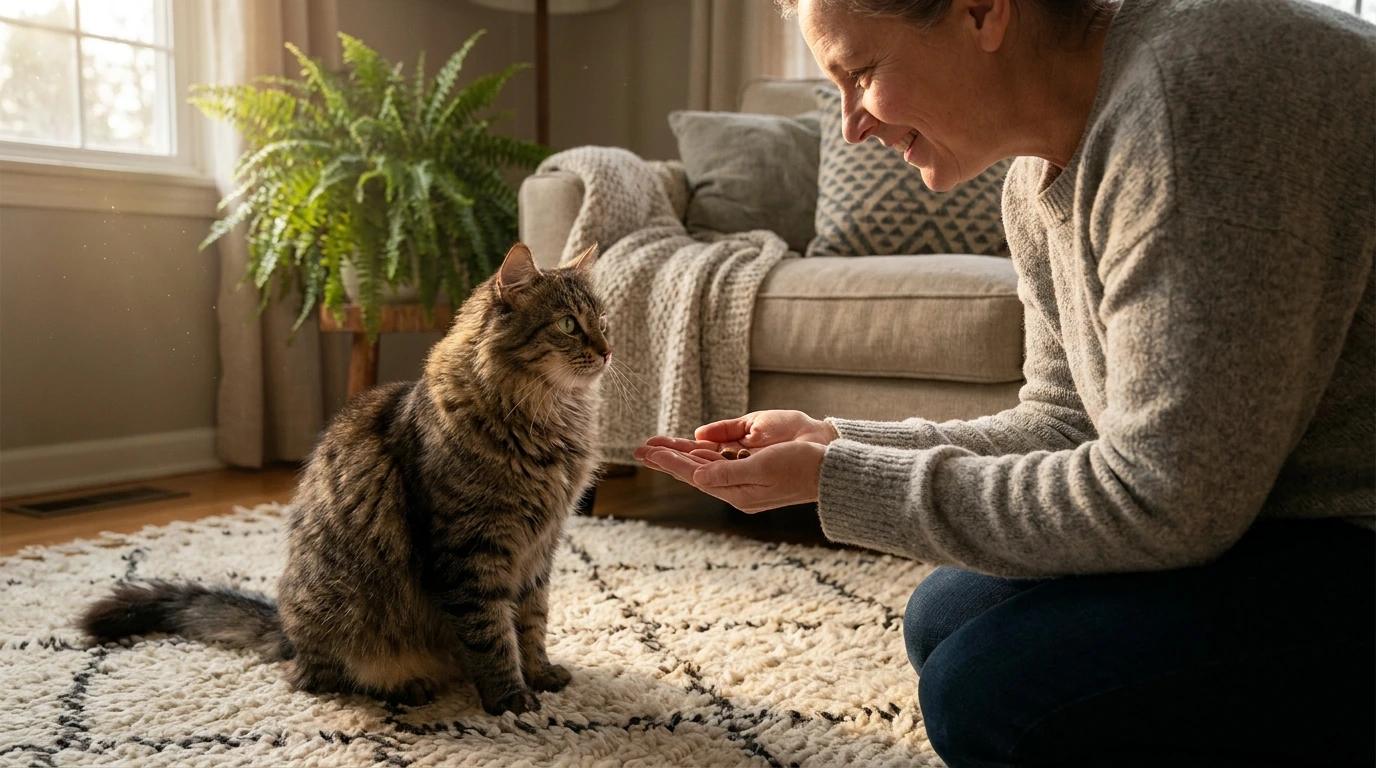
Successful training begins with preparation. Set up a comfortable environment that is free from distractions. Choose a quiet space where your cat feels secure, and gather the necessary supplies, including treats or toys that your cat enjoys. This will make the training sessions more enjoyable for both of you.
Choosing the Right Time
Select a time when your cat is most active and alert. Cats are often more receptive to training after a meal or play session when they have excess energy. Avoid training when your cat is sleepy or disinterested, as this can lead to frustration for both of you.

Steps to Train Your Cat to High Five
Now that you’re prepared, it’s time to begin training your cat to high five. Follow these step-by-step instructions to ensure a smooth learning process.
Step 1: Introduce the Concept
Start by getting your cat accustomed to the concept of raising a paw. Hold a treat in your hand and let your cat see and smell it. Keep your hand close to their paw but do not force them to interact yet. This step helps your cat understand that something rewarding is about to happen.
Step 2: Encourage Paw Movement
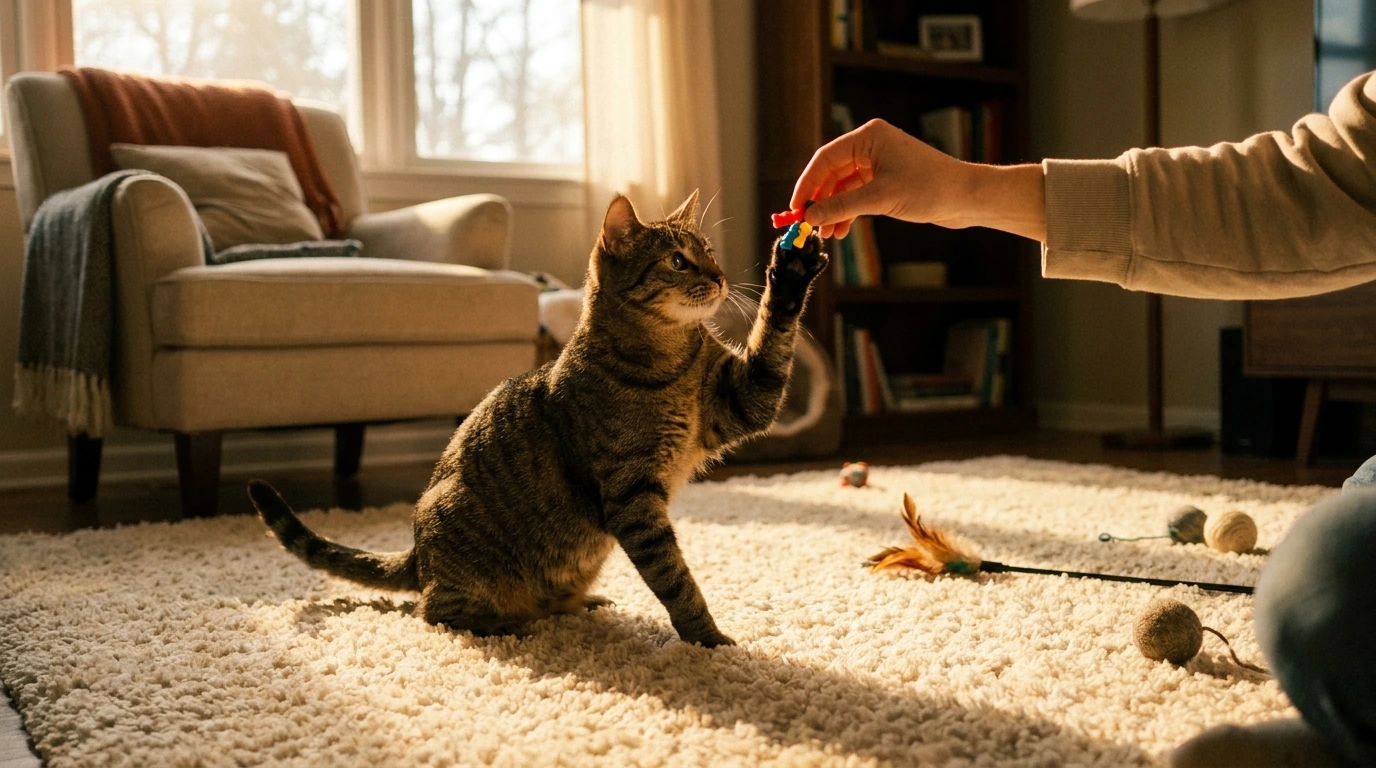
Once your cat is aware of the treat, gently tap their paw with your finger or encourage them to reach for the treat with their paw. When they make any movement towards the treat, praise them enthusiastically and offer the reward. This action reinforces the idea that using their paw leads to a positive outcome.
Step 3: Add a Cue Word
Once your cat begins to raise their paw consistently, introduce a verbal cue, such as “high five” or “paw.” Repeat the cue every time they reach for the treat. Consistency is key; the more they hear the cue with the action, the more they will associate the command with the behavior.
Step 4: Increase the Challenge
As your cat becomes more comfortable with the action, gradually raise your hand higher, allowing them to stretch their paw up to meet your hand. Continue to use the cue and reward them every time they successfully complete the action. This step is crucial for helping your cat understand that they need to give a high five rather than just pawing at your hand.
Step 5: Practice Regularly
Training sessions should be short and frequent. Aim for about five to ten minutes per session, two to three times a day. Regular practice reinforces the behavior and helps your cat to remember the trick. If your cat seems bored or frustrated, take a break and try again later.
Common Challenges and Solutions
Training a cat can come with its own set of challenges. Understanding these potential hurdles can help you address them effectively.
Distractions
Cats can easily become distracted by their surroundings. If your cat seems unfocused, try moving to a quieter area or removing potential distractions during training sessions. A calm environment encourages better concentration.
Lack of Interest
If your cat is uninterested in treats or the training itself, consider changing your approach. Experiment with different types of treats or toys to find what excites your cat. Additionally, ensure that training sessions are fun and engaging to maintain their interest.
Benefits of Training Your Cat
Training your cat to high five offers numerous benefits beyond just entertainment. Here are some key advantages:
Strengthening Your Bond
Engaging in training activities fosters a stronger bond between you and your cat. Spending quality time together builds trust and deepens your relationship.
Mental Stimulation
Training provides essential mental stimulation for your cat. Learning new tricks challenges their mind and keeps them engaged, reducing boredom and promoting overall well-being.
FAQs
Can all cats learn to high five?
Most cats can learn to high five, but some may take longer than others. Patience and consistency are vital during the training process.
What if my cat doesn’t respond to treats?
If your cat isn’t motivated by treats, try using playtime or petting as rewards. Finding what your cat enjoys most can help increase their engagement.
How long does it take to teach a cat to high five?
The time it takes varies by cat, but with regular practice, many cats can learn the trick within a few weeks. Keep sessions short and enjoyable for the best results.
Conclusion
Teaching your cat to high five is a rewarding and enjoyable experience that enhances your bond and provides mental stimulation. By understanding your cat’s behavior, preparing effectively, and following a structured training plan, you can successfully teach this fun trick. Remember that patience and consistency are key, and celebrate each small victory along the way. With dedication, your cat will be high-fiving in no time.