
Understanding and addressing aggressive behavior in dogs is a crucial aspect of responsible pet ownership. Many dog owners are faced with challenges related to aggression, which can stem from fear, territorial instincts, or poor socialization. This article delves into effective training methods to manage and reduce aggressive behavior, ensuring a safer environment for both the dog and those around them.
Understanding Aggressive Behavior in Dogs
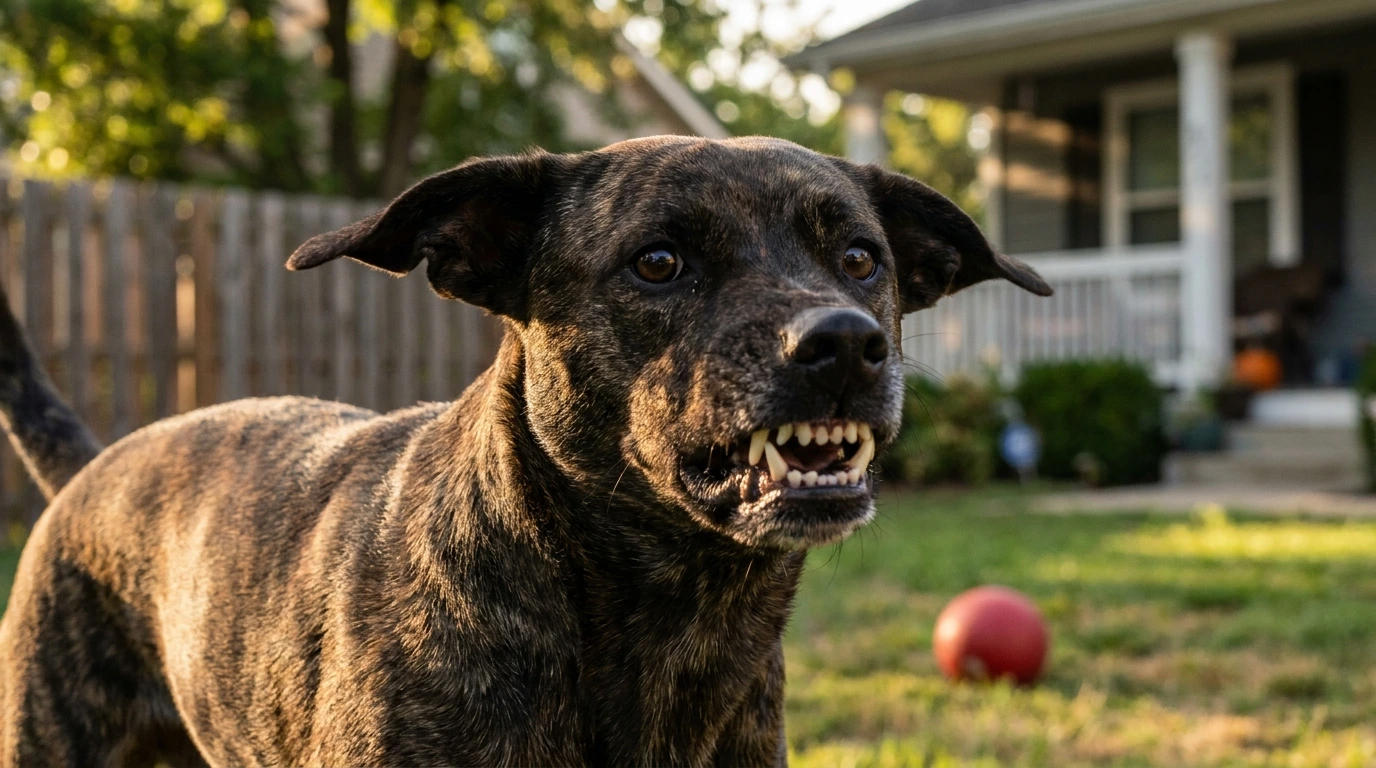
Aggression in dogs can manifest in various forms, including growling, snapping, or biting. It is essential to recognize the underlying causes of these behaviors to address them effectively.
Types of Aggression
There are several types of aggression, including fear-based aggression, territorial aggression, and social aggression. Fear-based aggression often occurs when a dog feels threatened and reacts defensively. Territorial aggression can arise when a dog perceives its home or owner as being threatened. Social aggression may occur when dogs feel the need to assert dominance over other animals or humans.
Common Triggers of Aggressive Behavior
Identifying triggers is crucial for effective training. Common triggers include unfamiliar people, other dogs, loud noises, or sudden movements. Understanding your dog’s specific triggers can help in devising a tailored training plan.
Effective Training Techniques
Training an aggressive dog requires patience, consistency, and the right techniques. Using positive reinforcement methods can significantly improve behavior over time.
Positive Reinforcement Training
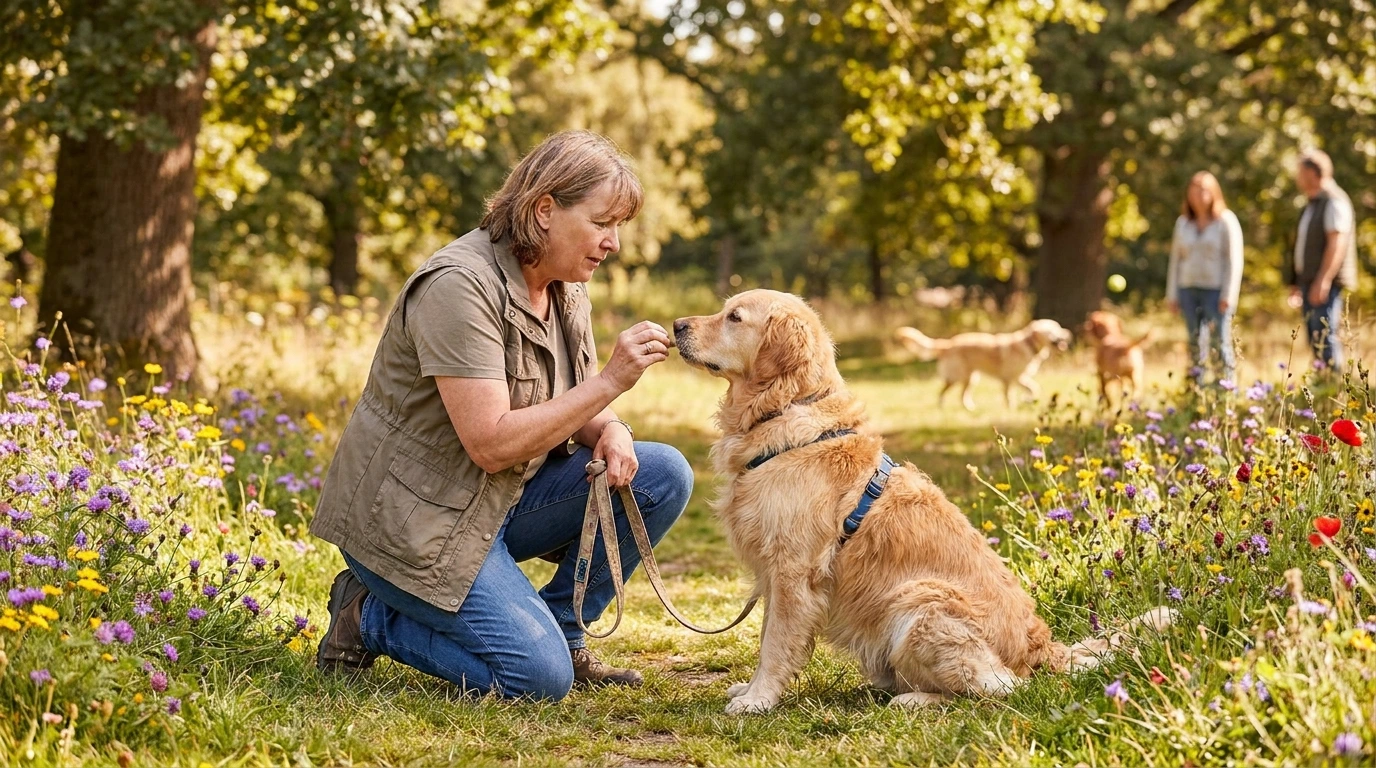
Positive reinforcement involves rewarding desired behaviors rather than punishing undesired ones. This technique can include treats, praise, or playtime when your dog displays calm behavior in situations that usually provoke aggression. For example, if a dog typically reacts aggressively to strangers, rewarding them with treats for remaining calm when someone approaches can help them associate the presence of strangers with positive outcomes.
Desensitization and Counter-Conditioning
Desensitization involves gradually exposing your dog to the triggers of their aggression at a distance where they feel safe. For example, if a dog is aggressive towards other dogs, start by observing other dogs from a distance where your dog remains calm. Counter-conditioning pairs the presence of the trigger with something positive, such as treats or toys, to change the emotional response. Over time, this can help reduce aggressive reactions.
Implementing Obedience Training
Basic obedience commands such as “sit,” “stay,” and “come” are essential for managing aggressive behavior. Teaching these commands not only establishes a communication channel between you and your dog but also helps in redirecting their focus during potentially aggressive situations. Regular practice of these commands can lead to a more obedient and responsive dog.
Building a Trusting Relationship
Establishing trust between you and your dog is vital for effective training. A strong bond can alleviate fear and anxiety, which often contribute to aggression.
Creating a Safe Environment
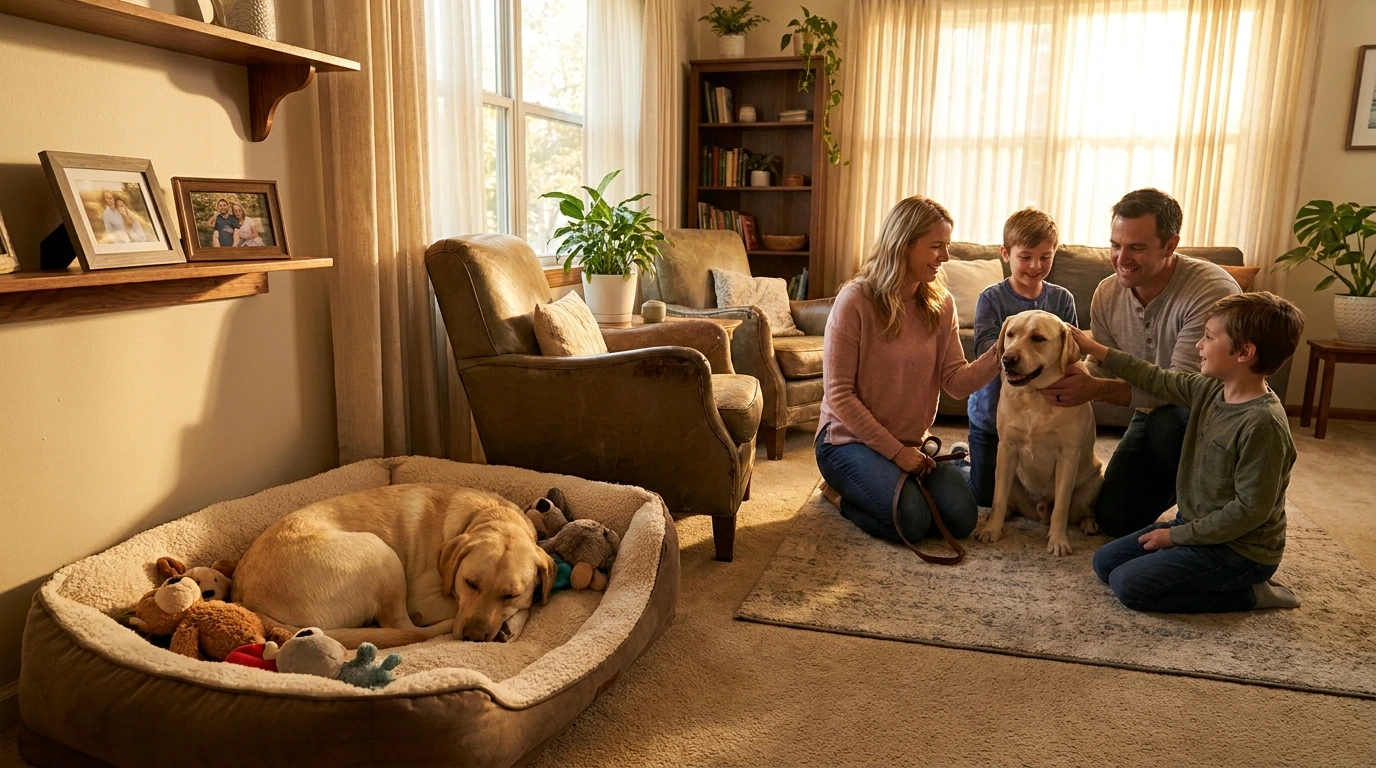
Ensure your home provides a safe environment for your dog. This includes having a designated space where they can retreat when feeling overwhelmed. This safe zone can help your dog feel secure and reduce anxiety, leading to a decrease in aggressive behavior.
Regular Socialization
Socializing your dog from a young age is crucial in preventing aggressive behavior. Introduce your dog to various people, animals, and environments gradually. Controlled socialization experiences can help your dog become more comfortable and less reactive in new situations.
Seeking Professional Help
In some cases, aggressive behavior may require the expertise of a professional dog trainer or behaviorist. Professionals can provide tailored guidance and strategies to address your dog’s specific needs.
Choosing the Right Trainer
When selecting a trainer, look for someone who uses positive reinforcement techniques. Ensure they have experience dealing with aggressive dogs and can provide references from previous clients. A good trainer will assess your dog’s behavior and create a customized training plan.
Utilizing Behavior Modification Programs
Some trainers offer behavior modification programs specifically designed for aggressive dogs. These programs typically combine training techniques with behavioral assessment to address the root causes of aggression effectively.
FAQs
What are the signs of aggression in dogs?
Signs of aggression can include growling, barking, snapping, showing teeth, or a stiff body posture. It’s important to recognize these signs early to address them effectively.
Can aggression in dogs be trained out?
Yes, with consistent training, socialization, and positive reinforcement, many dogs can learn to manage and reduce aggressive behaviors. However, the process requires time and patience.
When should I seek professional help for my aggressive dog?
If your dog displays severe aggressive behavior, such as biting or frequent growling, it’s advisable to seek professional help immediately. A qualified trainer can assess the situation and provide appropriate guidance.
Is it safe to train an aggressive dog at home?
Training an aggressive dog at home can be safe if you are knowledgeable about dog behavior and training techniques. However, for severe cases, professional guidance is recommended to ensure safety for you and your dog.
Conclusion
Addressing aggressive behavior in dogs is a multifaceted process that requires understanding, training, and patience. By utilizing positive reinforcement, creating a trusting environment, and seeking professional help when necessary, you can help your dog overcome aggressive tendencies. A well-trained dog not only contributes to a harmonious household but also promotes safety and well-being for everyone involved.