
Teaching your dog to play dead is not just a fun party trick; it’s an excellent way to bond with your pet while enhancing their obedience skills. This engaging command can also stimulate your dog’s mind and provide a great exercise for their body. In this article, we will explore step-by-step methods to teach your dog this entertaining trick, the benefits of doing so, and tips to ensure a successful learning experience.
Understanding the Basics of Training Your Dog
Before diving into the specifics of teaching your dog to play dead, it’s crucial to understand some foundational training principles. The key aspects of dog training include consistency, patience, and positive reinforcement. These principles will guide you in teaching your dog effectively.
Establishing a Training Environment
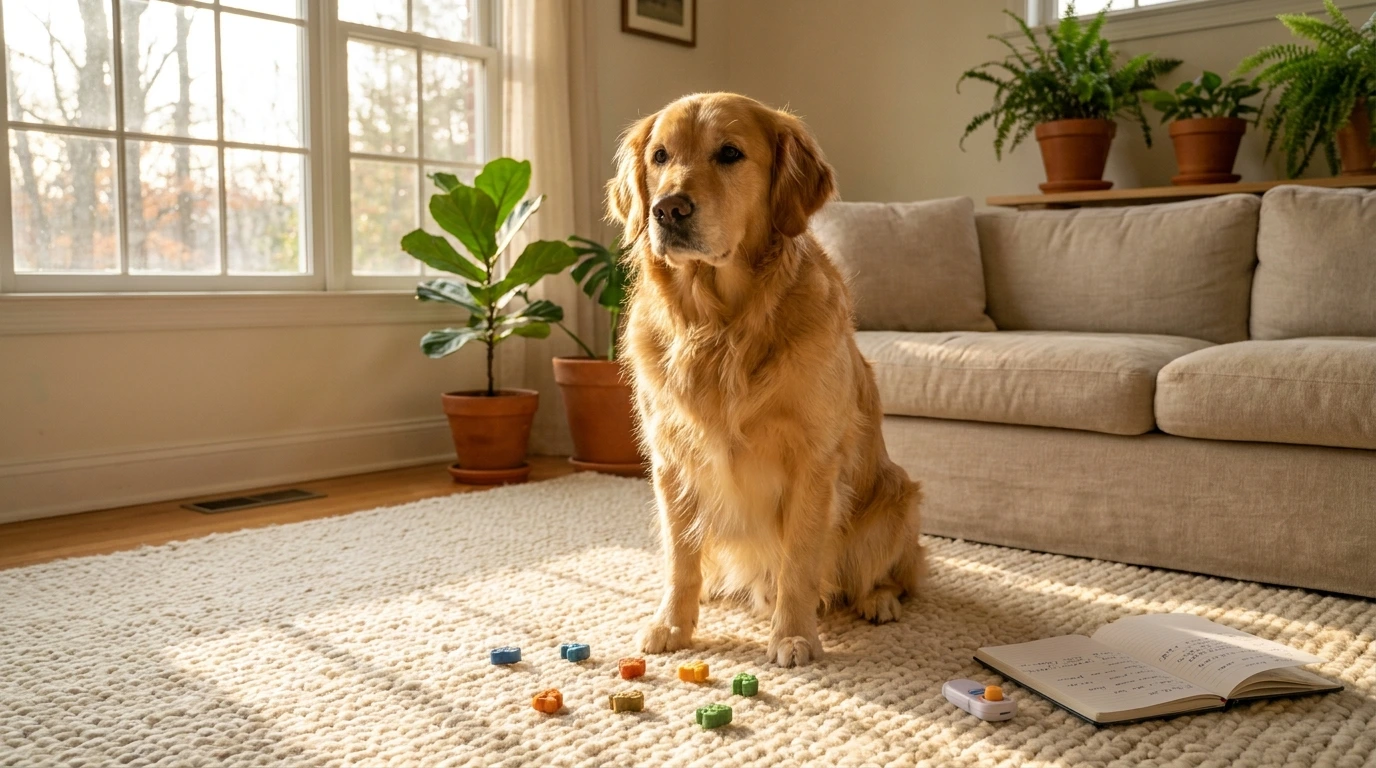
Choose a quiet and distraction-free area for training sessions. This environment helps your dog focus on the task at hand. Make sure to have treats ready as rewards for your dog to stay motivated and engaged during the learning process.
Timing and Duration of Training Sessions
Keep training sessions short but frequent. Ten to fifteen minutes per session, a few times a day, is usually ideal for maintaining your dog’s attention and enthusiasm. Dogs learn best through repetition, so regular practice is essential.
Step-by-Step Guide to Teach Your Dog to Play Dead
Now that you have a good understanding of the training environment and principles, let’s break down the process of teaching your dog to play dead into manageable steps.
Step 1: Get Your Dog’s Attention
Start by asking your dog to sit. Use their name and a clear command to capture their attention. If your dog is not already trained to sit, this might be a good time to work on that command first.
Step 2: Introduce the Command
Once your dog is sitting, show them the treat and move it slowly towards the ground, encouraging them to lie down. As they do this, say the command “play dead” or “bang” clearly and consistently. The verbal cue should be the same each time to avoid confusion.
Step 3: Encourage the Roll
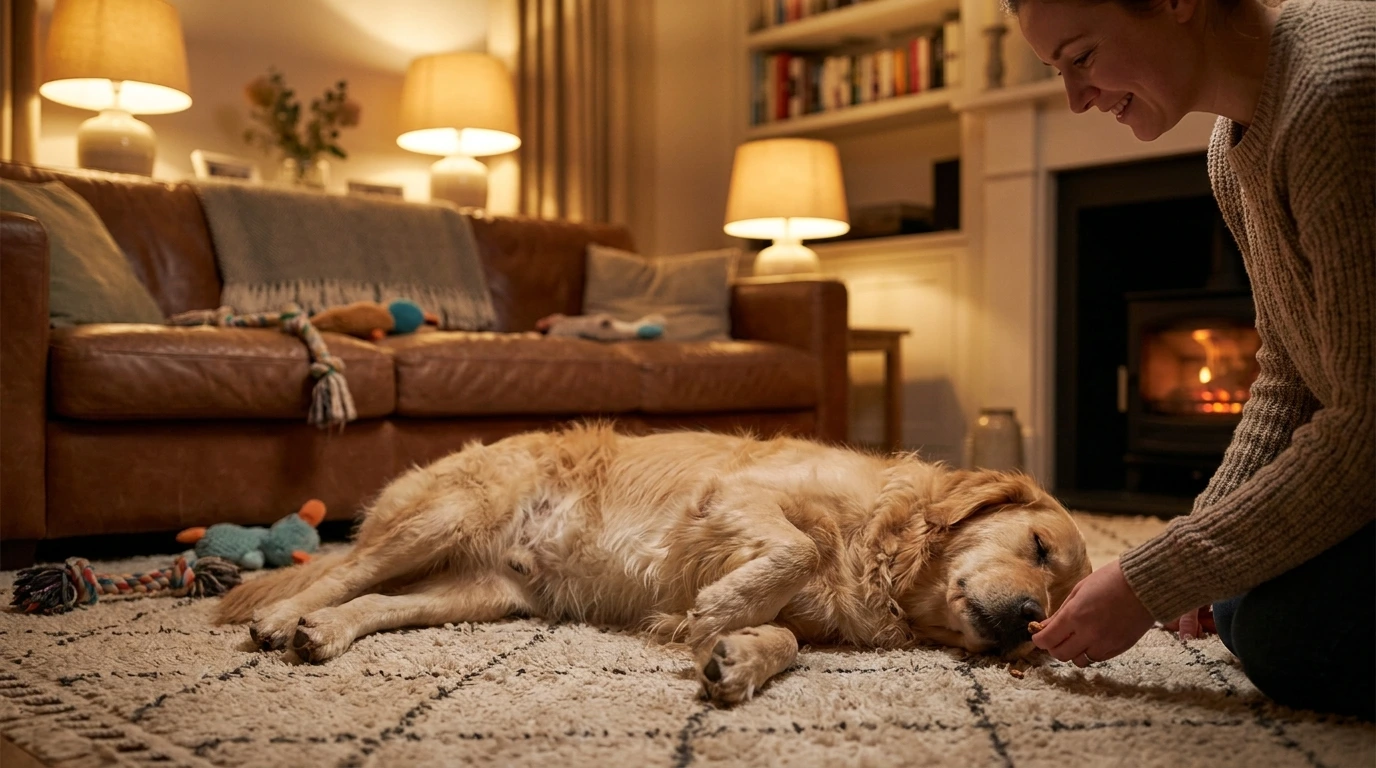
After your dog is lying down, you can encourage them to roll onto their side. Gently guide them with the treat or manually assist them by rolling them over slightly while saying the command. Reward them when they successfully roll onto their side.
Step 4: Add Duration
Once your dog is comfortable lying on their side, add a pause before rewarding them. This teaches your dog to stay in the position longer. Gradually increase the duration before giving the treat, reinforcing the behavior.
Step 5: Fade Out the Assistance
As your dog becomes more proficient, begin reducing any physical guidance you provide. Rely more on verbal cues and hand signals. This step is crucial in helping your dog learn to perform the trick independently.
Step 6: Practice and Reinforce
Consistency is key. Practice the trick regularly and reinforce it with treats and praise. Ensure you gradually increase the difficulty by adding distractions or practicing in different locations, which helps your dog generalize the command.
Tips for Successful Training
Training your dog to play dead requires patience and creativity. Here are a few tips to enhance your training experience.
Use High-Value Treats
Choose treats that particularly excite your dog, such as small pieces of chicken or cheese. High-value rewards can motivate your dog to engage more with the training process.
Be Patient and Positive
Every dog learns at their own pace. If your dog seems frustrated or confused, take a step back, give them a break, and return to a simpler command. Always use positive reinforcement to build their confidence.
Consider Professional Help
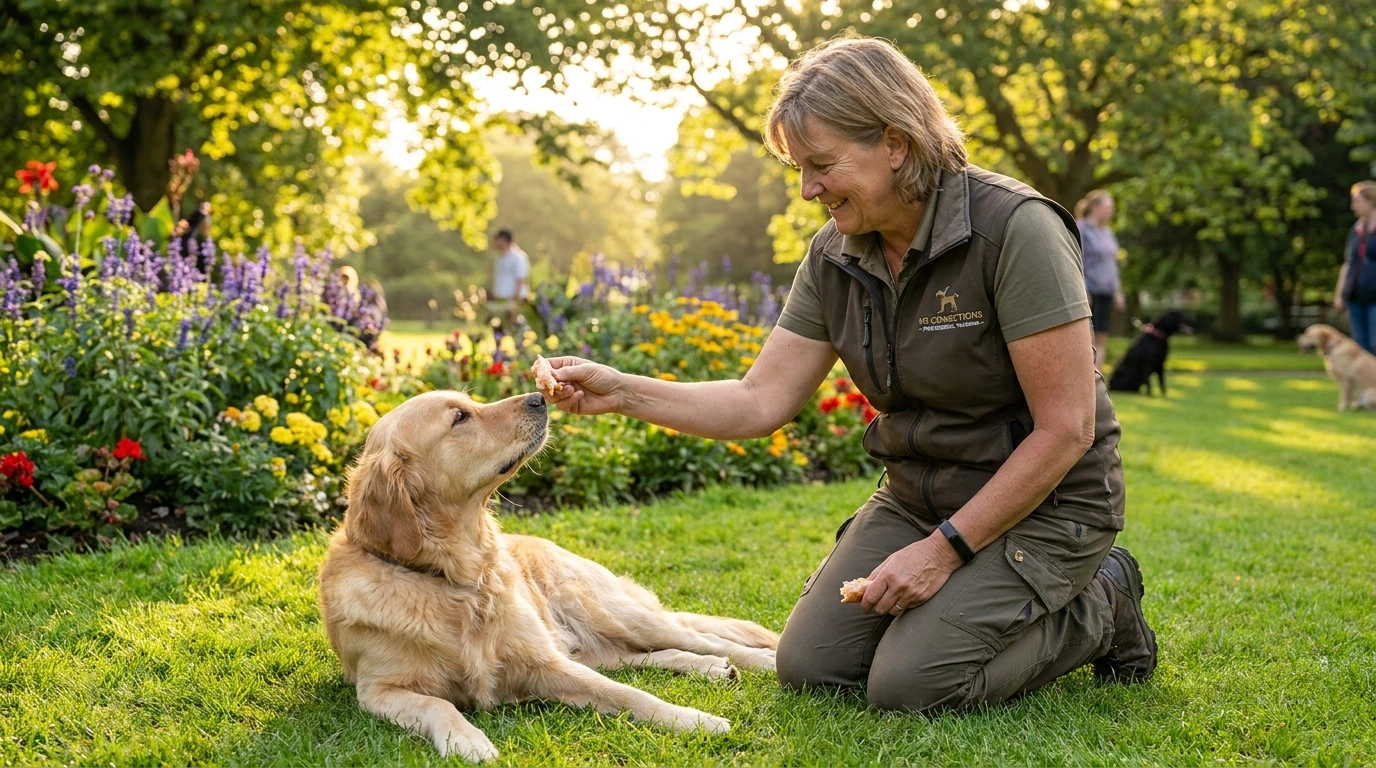
If you encounter challenges, consider enrolling in a dog training class. Professional trainers can provide guidance and support tailored to your dog’s needs, making the learning process smoother.
FAQs
How long does it take to teach a dog to play dead?
The time it takes varies by dog but generally can range from a few days to several weeks. Regular practice and reinforcement are key to success.
What should I do if my dog is not responding to the command?
If your dog isn’t responding, evaluate the training environment for distractions, ensure you are using high-value treats, and consider simplifying the command or breaking it down into smaller steps.
Can older dogs learn to play dead?
Yes, older dogs can learn new tricks, though it may take more time and patience. Adjust your training to accommodate any physical limitations they may have.
Is it necessary to use treats for training?
Treats are a highly effective form of positive reinforcement, but you can also use verbal praise, petting, or playtime as rewards. Find what motivates your dog the most.
Conclusion
Teaching your dog to play dead can be a rewarding experience that strengthens the bond between you and your pet. By understanding the training principles, following a step-by-step approach, and incorporating tips for success, you can effectively teach this entertaining trick. Remember, patience and consistency are your best allies in dog training. Enjoy the process and celebrate the small victories along the way!