
Training your dog to wait for food is an essential skill that promotes good behavior and enhances your pet’s discipline. This practice not only helps create a structured feeding routine but also fosters patience and respect between you and your dog. In this article, we will explore effective techniques and tips to train your dog to wait for their meal, ensuring a calm and orderly mealtime experience.
Understanding the Importance of Waiting
Teaching your dog to wait for food is crucial for several reasons. First, it establishes boundaries and reinforces the idea that good things come to those who wait. Second, it can prevent aggressive behavior during feeding times. Finally, it aids in the overall training process, helping your dog become more obedient in various situations.
Promoting Good Behavior
When dogs learn to wait for their food, they develop better self-control. This skill can translate to other areas of training, making your dog more receptive to commands and less impulsive. Using the waiting technique helps curb unwanted behaviors like jumping, barking, or grabbing food without permission.
Preventing Aggression
Feeding time can be a stressful experience for both dogs and their owners, especially if a dog displays food aggression. Training your dog to wait can minimize competition and anxiety, ensuring a more peaceful environment during meals. This practice also teaches dogs to respect their humans and share their space during feeding times.
Steps to Train Your Dog to Wait for Food
Training your dog to wait for food involves several steps that require patience and consistency. Follow these guidelines to ensure successful training sessions.
1. Choose the Right Environment
Select a quiet and distraction-free area for training sessions. This could be your kitchen or dining area, where your dog usually eats. Ensure that other pets or people are not around to divert your dog’s attention.
2. Use the Right Equipment
Have your dog’s food bowl ready, along with some treats for positive reinforcement. You may also want to use a leash to help control your dog during the initial stages of training.
3. Introduce the Command
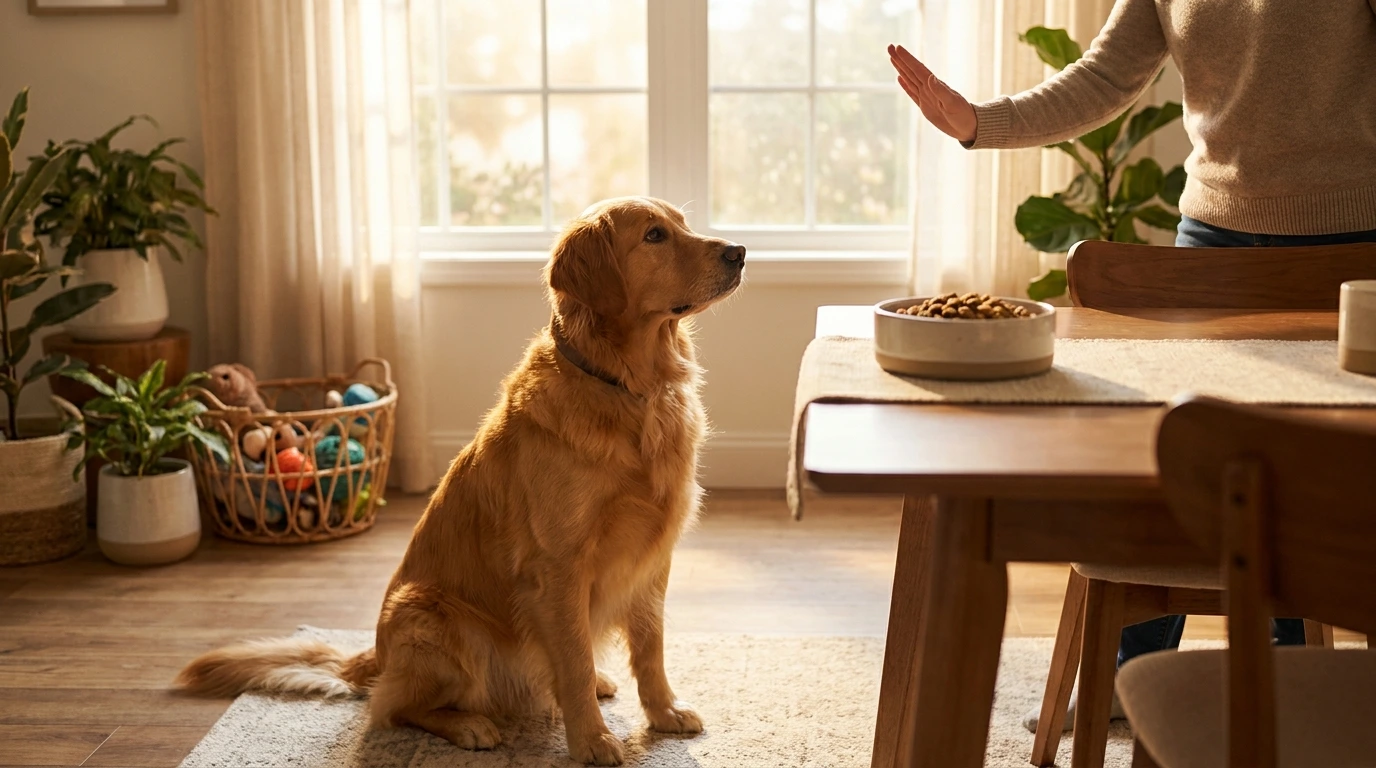
Begin by showing your dog the food bowl. Use a clear command, such as “wait” or “stay,” and hold the bowl in front of them. Make sure to maintain eye contact as you give the command. Your dog should learn to associate the command with the act of waiting.
4. Reward Patience
Once your dog remains calm and waits for a few seconds, reward them with a treat or praise. Gradually increase the time they need to wait before receiving their food. Consistently rewarding them for waiting helps reinforce the behavior.
5. Gradually Increase the Challenge
As your dog becomes more comfortable with waiting, begin to increase the level of difficulty. You can do this by moving the bowl slightly away from them or by adding distractions, such as clapping your hands or making noises. Continue to reward them for maintaining focus and patience.
6. Practice Regularly
Consistency is key in dog training. Practice this routine daily, gradually increasing the duration and challenges. Over time, your dog will learn to wait patiently for their food, even in more distracting environments.
Common Challenges and Solutions
While training your dog to wait for food can be rewarding, it may also present some challenges. Understanding these common issues can help you address them effectively.
Overexcitement
If your dog becomes overly excited during feeding time, it may be difficult for them to focus. In these cases, try calming exercises before feeding, such as a short walk or some basic obedience training. This can help them settle down and be more receptive to waiting.
Distractions
Dogs can easily become distracted by their surroundings. If this occurs, practice in a quieter environment until your dog masters the command. You can gradually introduce distractions back into the training as they improve.
Lack of Consistency
Inconsistent training can confuse your dog. Ensure that everyone in your household is on the same page regarding commands and training methods. Consistency will help reinforce the behavior you want to achieve.
FAQs
How long does it take to train my dog to wait for food?
The duration varies based on the individual dog’s temperament and previous training experience. Some dogs may learn quickly within a week, while others may take several weeks to fully grasp the concept.
Can I use a clicker for this training?
Yes, a clicker can be an effective tool for training. You can click when your dog waits patiently and then reward them. This helps them associate the click sound with positive reinforcement.
What if my dog refuses to wait?
If your dog refuses to wait, go back to the basics. Reduce the distractions and practice for shorter durations. Reward even the smallest progress to encourage them to try again.
Is it necessary to train my dog to wait for food?
While it may not be strictly necessary, training your dog to wait for food is beneficial for promoting good behavior, reducing anxiety, and establishing a healthy feeding routine.
Conclusion
Training your dog to wait for food is a worthwhile investment in their behavior and your relationship. By following a structured approach and being consistent in your training, you can foster patience and discipline in your dog. This skill not only enhances mealtime but also contributes to a more obedient and well-mannered pet in various situations. With time and dedication, you will enjoy the rewards of a well-trained dog who waits patiently for their food.