
Training your pet using hand signals can be an effective and rewarding method for enhancing communication and building a stronger bond. This technique is especially beneficial for pets that may have hearing impairments or for environments where vocal commands are not practical. In this article, we will explore the benefits of hand signals, effective techniques for training, and practical examples to help you and your pet succeed.
Understanding the Benefits of Hand Signal Training
Training your pet with hand signals offers numerous advantages that can improve both behavior and communication. This method is not only beneficial for dogs but can also be applied to cats and other animals.
Improved Communication
Hand signals provide a clear and visual way to communicate with your pet. Animals are naturally responsive to visual cues, and incorporating hand signals can help them understand commands better. This is especially useful in noisy environments where vocal commands might go unheard.
Strengthened Bonding
Training your pet using hand signals requires consistent interaction and practice. This shared experience helps strengthen the bond between you and your pet. The time spent together during training sessions can enhance trust and understanding, making your pet more responsive to your cues.
Ideal for Hearing Impaired Pets
For pets with hearing impairments, hand signals become essential for effective communication. Training them with visual cues allows them to respond to commands and engage in activities without relying on sound, making their lives more enriched and enjoyable.
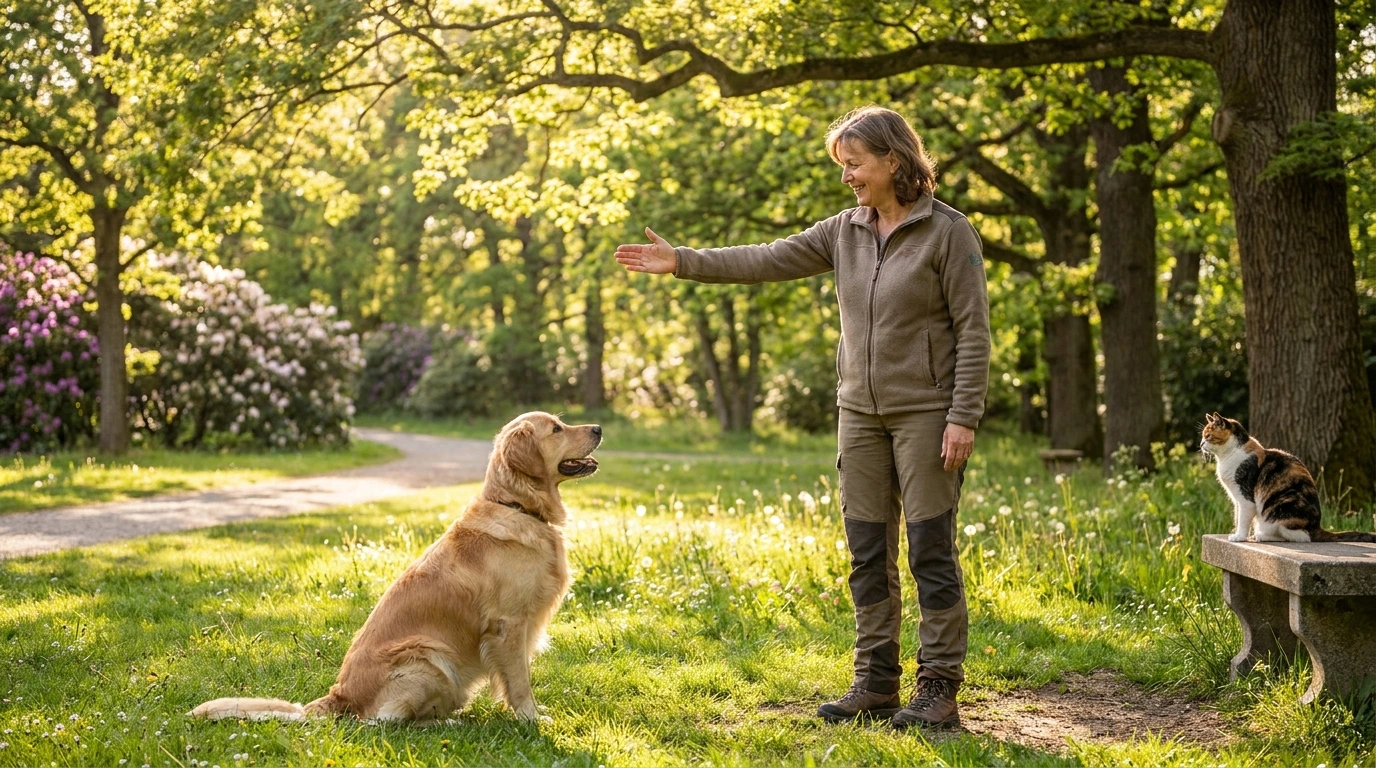
Techniques for Training Your Pet with Hand Signals
To effectively train your pet using hand signals, you need to establish a consistent method. Here are some techniques to consider.
Choosing the Right Signals
Select clear and distinct hand signals for each command. For example, a simple open palm can signify “sit,” while a raised hand can indicate “stay.” Ensure that the signals are easy for you to remember and for your pet to recognize. Consistency is key, so use the same signals every time.
Pairing Signals with Verbal Commands
Initially, pair the hand signal with the corresponding verbal command. For example, say “sit” while showing the open palm signal. This helps your pet associate the visual cue with the sound. Gradually reduce the verbal command as your pet begins to understand the hand signal alone.
Positive Reinforcement
Use positive reinforcement to encourage your pet’s learning. When your pet correctly responds to a hand signal, reward them with praise, treats, or playtime. This reinforces the behavior and motivates them to repeat it in the future. Make the rewards immediate and consistent to strengthen the association.

Practical Examples of Hand Signals
Here are some common hand signals and examples of how to train your pet using them.
The “Sit” Signal
For the “sit” command, hold your hand palm up in front of your pet’s nose and slowly raise it above their head. As their head follows your hand, their bottom will naturally lower to the ground. Once they are sitting, immediately reward them with praise or a treat.
The “Stay” Signal
To teach the “stay” command, extend your arm in front of you with your palm facing outward, similar to a stop sign. Begin by having your pet in a seated position. Gradually increase the distance between you and your pet while maintaining the signal. Reward them for staying in place until you give a release cue.
The “Come” Signal
For the “come” command, use a sweeping motion with your arm, calling your pet towards you. Start with the signal while they are close by and gradually increase the distance. Reward them when they come to you, reinforcing their positive response to the signal.

FAQs
How long does it take to train a pet using hand signals?
The time it takes to train a pet using hand signals varies depending on the individual animal’s learning pace and the complexity of the commands. Consistent practice and patience can lead to noticeable progress within a few weeks.
Can all pets be trained with hand signals?
Most pets can be trained using hand signals, including dogs, cats, and even some small animals. However, the effectiveness of training may vary based on the pet’s temperament and prior training experience.
What should I do if my pet doesn’t respond to hand signals?
If your pet is not responding to hand signals, ensure that you are using clear and distinct signals. Additionally, check if the training environment is free from distractions. It may help to revisit the verbal commands as a reinforcement before transitioning solely to hand signals.
Are there specific hand signals that work better than others?
While any distinct hand signal can be effective, the best signals are those that are simple, clear, and unique. Choose signals that are easy for both you and your pet to remember, and ensure they are visually distinguishable from each other.
Conclusion
Training your pet with hand signals is a valuable skill that enhances communication, strengthens bonds, and accommodates pets with hearing impairments. By choosing clear signals, using positive reinforcement, and practicing consistently, you can teach your pet to respond effectively to visual cues. This method not only enriches your pet’s life but also fosters a deeper connection between you and your furry companion. Embrace this rewarding training approach, and enjoy the journey of learning together.