
Training a puppy to sleep through the night can be a challenging yet rewarding experience for any pet owner. Many new puppy parents find themselves losing sleep due to nighttime whimpers and bathroom breaks. However, establishing a regular sleep routine can not only improve your puppy’s rest but also contribute to a harmonious household. This article will guide you through effective techniques to ensure your puppy sleeps soundly, providing practical tips and insights along the way.
Understanding Your Puppy’s Sleep Needs
Puppies, like human babies, require a significant amount of sleep for their growth and development. Typically, puppies need between 18 to 20 hours of sleep each day. Understanding their natural sleep patterns is crucial for successful training. Puppies tend to be more active during the day and need to recharge frequently.
Recognizing Sleep Signals
Being able to identify when your puppy is tired is essential. Common signs include yawning, slowing down during play, and seeking a quiet place to rest. When you notice these signals, it is a good time to encourage your puppy to settle down for the night. Making a mental note of these signs can help you establish a routine that aligns with your puppy’s natural instincts.
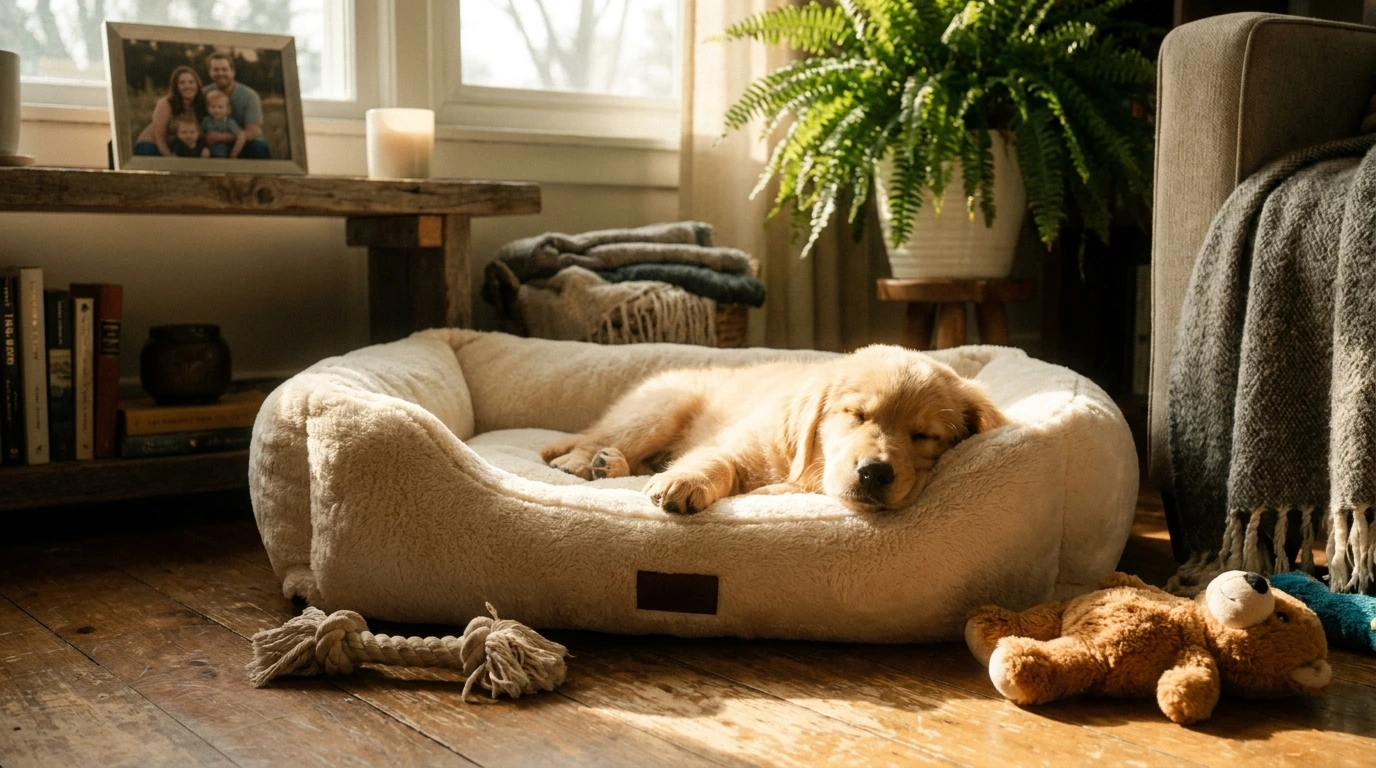
Creating a Sleep-Conducive Environment
The environment in which your puppy sleeps plays a significant role in their ability to rest through the night. A comfortable and safe space will encourage your puppy to relax and settle down. Here are some tips on creating an ideal sleeping environment.
Choosing the Right Sleeping Area
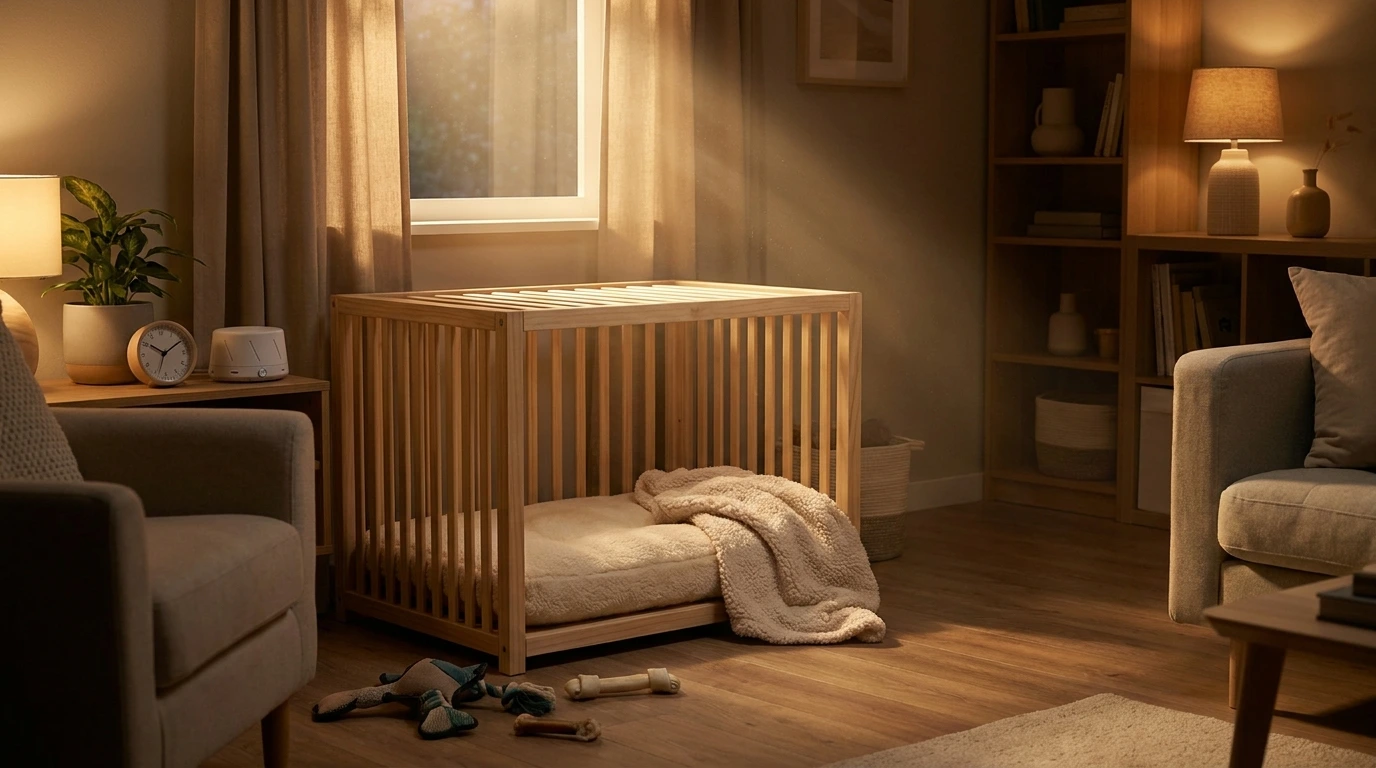
Select a quiet, cozy location in your home where your puppy can feel secure. A crate can be an excellent option, as it offers a den-like space that many puppies find comforting. Ensure that the crate is the right size; it should be large enough for your puppy to stand up, turn around, and lie down comfortably, but not so large that they can use one corner as a bathroom.
Temperature and Bedding Considerations
The sleeping area should be kept at a comfortable temperature, not too hot or too cold. Providing soft bedding, such as a pet blanket or a cushion, can enhance their comfort. Additionally, consider using a ticking clock or a white noise machine to create soothing background sounds that can help your puppy relax and sleep better.
Establishing a Bedtime Routine
Just like children, puppies thrive on routine. Establishing a consistent bedtime routine will signal to your puppy that it is time to wind down for the night. A predictable schedule will help them feel secure and understand what to expect.
Implementing a Pre-Bedtime Ritual
Develop a pre-bedtime ritual that includes calming activities such as gentle play, a bathroom break, and quiet time. For instance, a short walk can help burn off excess energy. Following the walk, allow your puppy to relieve themselves outside. After that, spend a few minutes with them in a calm setting, perhaps cuddling or giving them a gentle massage. This will signal that it is time to settle down.
Dealing with Nighttime Whining
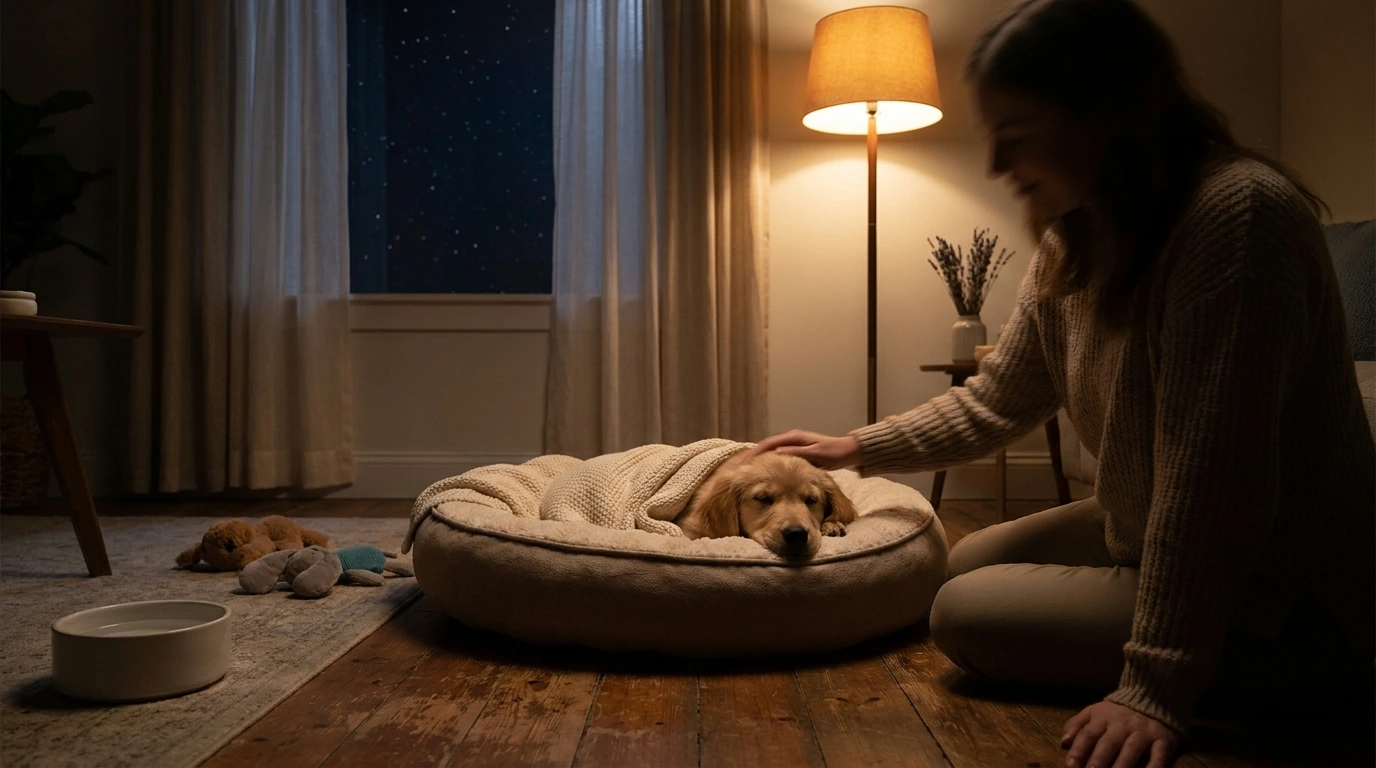
It is not uncommon for puppies to whine during the night, especially if they are adjusting to their new environment. Understanding why they whine is key to addressing the issue effectively.
Understanding the Reasons for Whining
Puppies may whine due to various reasons, including needing to relieve themselves, feeling lonely, or being anxious. If your puppy is whining, first check if they need to go outside. If not, it may be a matter of adjusting their comfort level or providing reassurance.
Responding to Whining Effectively
When responding to whining, it is crucial to remain calm and not reinforce the behavior with too much attention. If you must respond, do so quietly and briefly. Over time, your puppy will learn that whining does not yield immediate attention, helping them to settle more easily through the night.
Gradual Crate Training Techniques
Crate training can be an effective method for helping your puppy sleep through the night. This process involves gradually acclimating your puppy to their crate, making it a positive space.
Introducing the Crate
Begin by allowing your puppy to explore the crate during the day. Place treats and toys inside to create a positive association. Encourage them to enter willingly without forcing them in. Once they are comfortable, start closing the door for short periods while remaining nearby. Gradually increase the time they spend in the crate as they become more accustomed to it.
Overnight Crate Training
When your puppy is ready, start using the crate overnight. Place the crate in your bedroom or close to you so they feel secure. Initially, you may need to take them out for bathroom breaks, but as they adjust, they will learn to sleep through the night without needing to go out.
Maintaining Consistency
Consistency is key to successfully training your puppy to sleep through the night. Sticking to the same routine will help reinforce their understanding of when it is time to sleep.
Establishing a Sleep Schedule
Try to put your puppy to bed at the same time every night. A consistent schedule helps regulate their internal clock, making it easier for them to know when to settle down. Additionally, ensure that daytime naps do not extend too long, which can interfere with nighttime sleep.
FAQs
How long does it take for a puppy to sleep through the night?
Every puppy is different, but many can start sleeping through the night by the time they are about 4 to 6 months old. Consistency in training and routine can help speed up this process.
Should I let my puppy sleep in bed with me?
This is a personal choice. Allowing your puppy to sleep in bed may create a closer bond but can lead to dependency. If you prefer independence for your puppy, a crate or designated sleeping area is recommended.
What if my puppy continues to have accidents at night?
Accidents can happen, especially in younger puppies. Ensure your puppy has had ample opportunity to relieve themselves before bedtime. If accidents persist, consult a veterinarian to rule out any underlying issues.
Can I use calming products to help my puppy sleep?
Yes, calming products like pheromone diffusers or calming treats can help some puppies relax. Always consult your veterinarian before introducing new products to ensure they are safe and appropriate for your puppy.
Conclusion
Training your puppy to sleep through the night is a gradual process that requires patience and consistency. By understanding their needs, creating a conducive environment, establishing a routine, and addressing any nighttime concerns, you can help your puppy develop healthy sleep habits. With time and effort, you and your puppy will enjoy restful nights and a more peaceful home. Remember, every puppy is unique, so tailor your approach to fit your furry friend’s personality and needs.