
Crate training your dog can be a rewarding experience, both for you and your pet, but it often comes with challenges. Many dog owners worry about the stress that this process might inflict on their furry friends. However, with the right techniques and a gentle approach, you can crate train your dog without causing undue stress. This guide will provide you with practical steps and tips to ensure your pet feels safe and comfortable in their crate, turning it into a cozy den rather than a source of anxiety.
Understanding the Purpose of Crate Training
Crate training is a valuable tool for dog owners, serving multiple purposes. A crate can provide a safe space for your dog, assist in house training, and help manage behavioral issues. Understanding the benefits can help you approach the training process with the right mindset.
Safety and Security
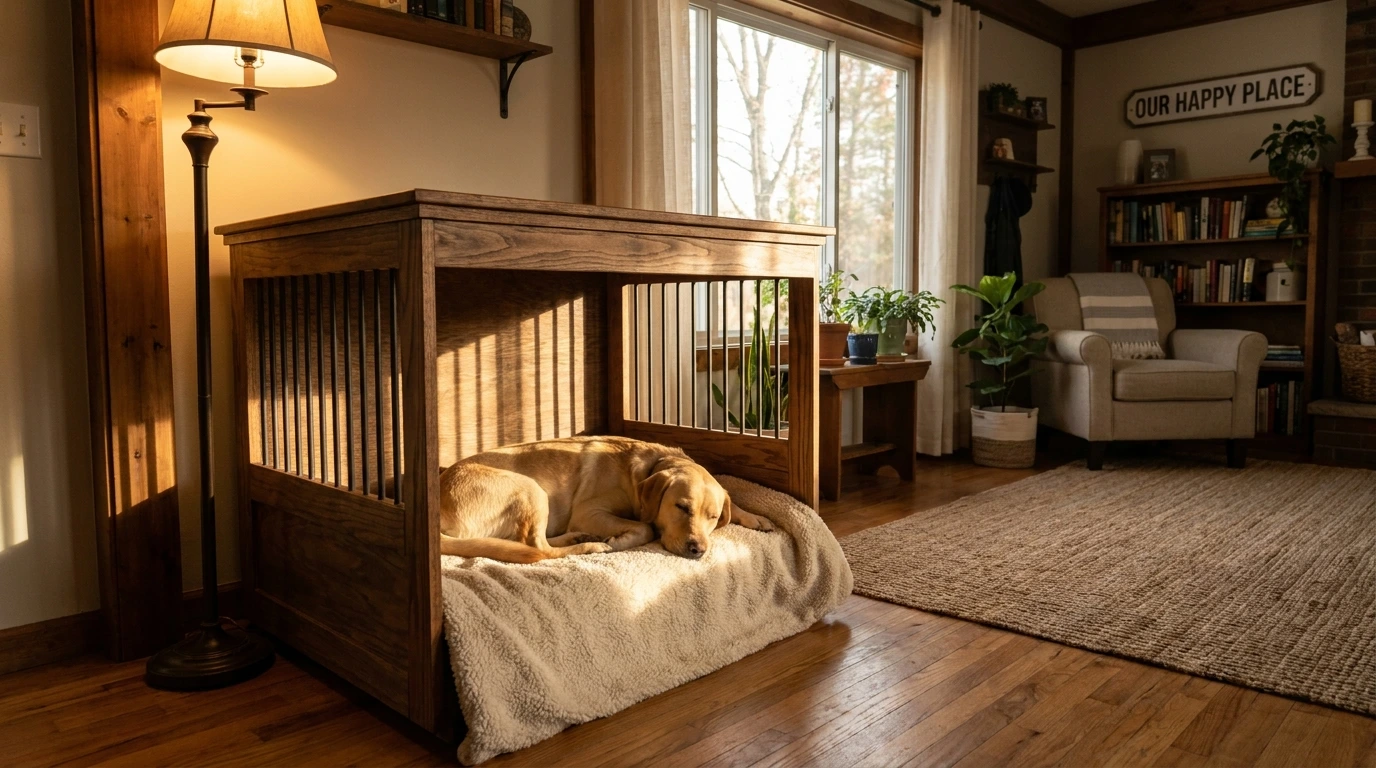
Dogs are den animals by nature, and a crate can mimic a den-like environment, providing them with a secure space. It is essential to choose a crate that is appropriately sized—large enough for your dog to stand, turn around, and lie down comfortably but not so large that they feel overwhelmed.
House Training Aid
Crates can be instrumental in house training. Dogs naturally avoid soiling their sleeping area, which encourages them to hold their bladder until they are let outside. This can significantly speed up the house-training process if done correctly.
Choosing the Right Crate
Selecting the right crate is crucial for successful crate training. There are several types of crates available, each with its own set of advantages and disadvantages.
Types of Crates
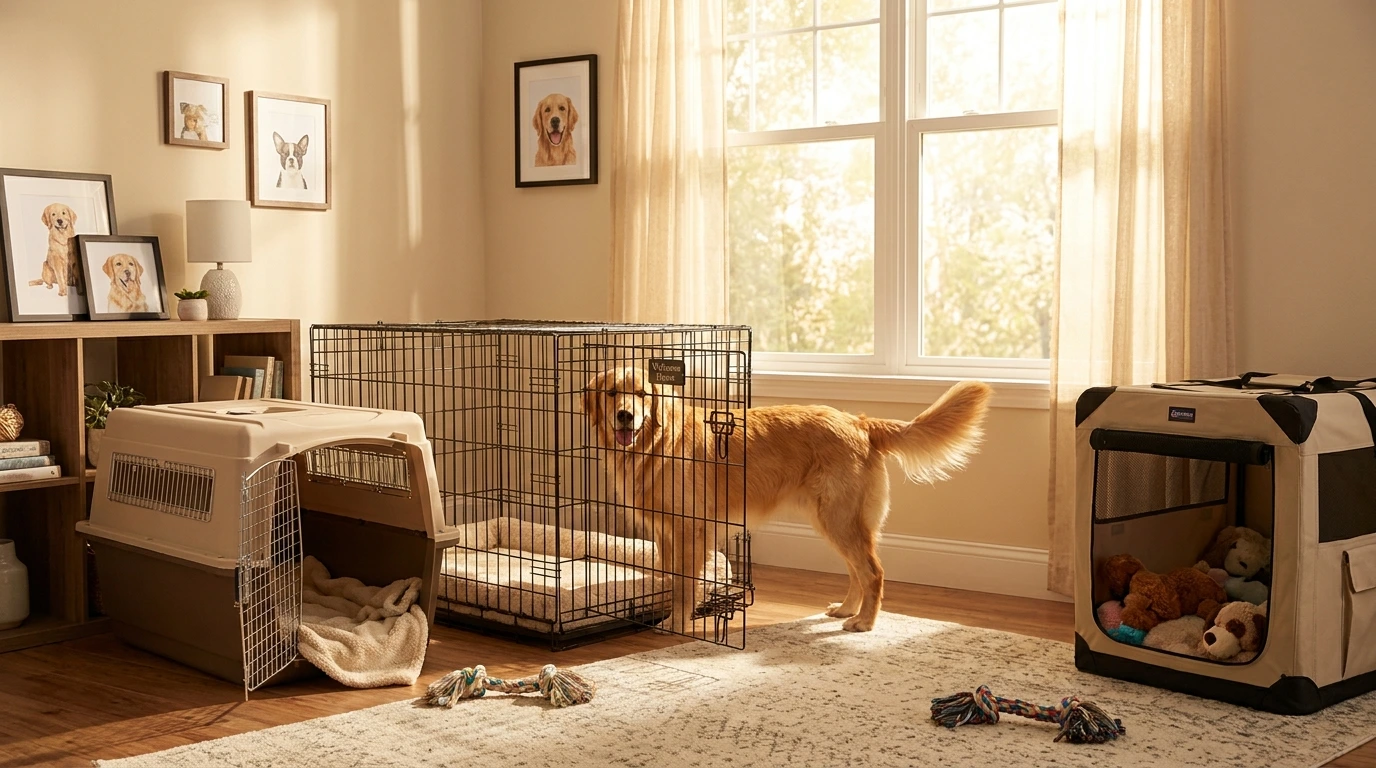
Wire crates are popular for their ventilation and visibility, while plastic crates offer a more enclosed environment, which some dogs may prefer. Soft-sided crates are lightweight and portable but may not be as durable. Consider your dog’s temperament and size when making your choice.
Introducing the Crate
Before you begin training, introduce your dog to the crate in a positive manner. Place the crate in a common area of your home and allow your dog to explore it at their own pace. You can encourage them to enter by tossing in treats or their favorite toys, making the crate a place of joy rather than confinement.
Establishing a Training Routine
Consistency is key in crate training. Establishing a routine can help your dog understand when it is time to enter the crate and when they can expect to be let out.
Feeding in the Crate
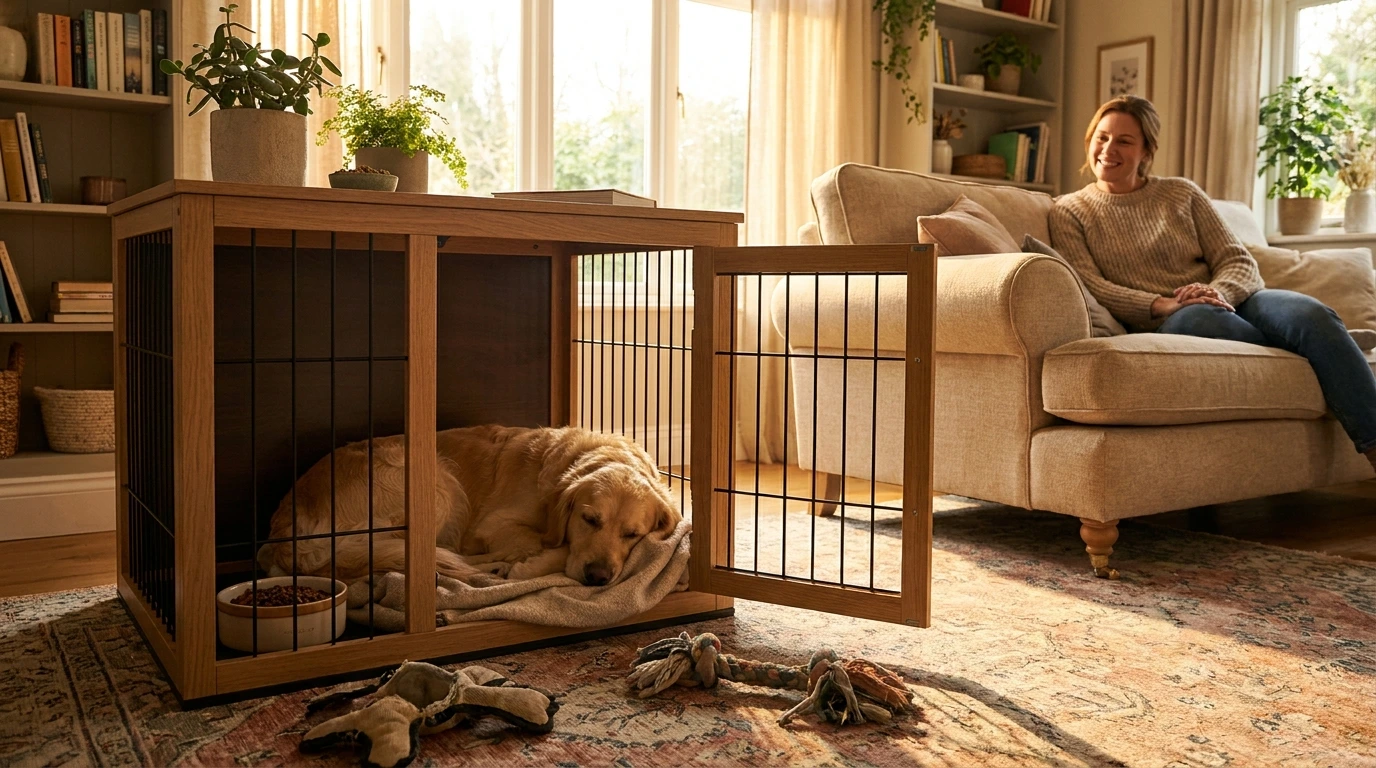
One effective method is to feed your dog their meals inside the crate. This association can create a positive reinforcement for entering the crate. Start by placing their food bowl just inside the door, gradually moving it further inside as they become more comfortable.
Short Periods of Crating
Initially, only crate your dog for short periods. Begin with five to ten minutes, gradually increasing the time as they adjust. Always reward them for being calm and quiet inside the crate. If they whine or bark, wait for a moment of silence before letting them out, reinforcing the idea that quiet behavior results in freedom.
Dealing with Anxiety and Stress
Some dogs may experience anxiety when first introduced to a crate. Understanding how to address this can make the training process smoother.
Desensitization Techniques
If your dog shows signs of stress, consider desensitization techniques. Start with the crate door open and allow your dog to enter and exit freely. Gradually close the door for short periods while you are nearby to reassure them. Over time, increase the duration and distance until they are comfortable being in the crate alone.
Positive Reinforcement
Utilizing positive reinforcement is critical in reducing stress. Always reward your dog with treats, praise, or playtime when they enter the crate willingly or remain calm inside it. This technique fosters a sense of security and encourages them to view the crate as a positive space.
Monitoring and Adjusting the Training Process
Every dog is unique, and it is essential to monitor their progress and adjust your approach as necessary. Pay attention to their behavior and comfort level during crate training.
Recognizing Signs of Distress
Signs of distress may include excessive barking, whining, or attempts to escape. If your dog displays these behaviors, it may be necessary to take a step back in the training process. Return to shorter crate times and gradually reintroduce longer periods once they are comfortable.
Consistency and Patience
Crate training is not an overnight process. Consistency, patience, and a calm demeanor will help your dog feel more at ease. If you find yourself becoming frustrated, take a break and return to training when you feel more relaxed.
FAQs
How long should I leave my dog in the crate?
Generally, puppies can hold their bladders for about one hour per month of age. Adult dogs can usually be crated for up to eight hours, but it is best to provide breaks for bathroom and exercise needs.
Should I cover the crate?
Covering the crate can create a den-like environment that some dogs find comforting. However, it is essential to monitor their reactions and ensure they do not feel trapped or anxious.
What if my dog refuses to enter the crate?
If your dog is hesitant to enter the crate, try using treats, toys, or their favorite blanket to entice them. Patience is crucial; allow them to explore the crate without pressure.
Conclusion
Crate training can be a stress-free and effective way to create a safe space for your dog when approached thoughtfully. By understanding the purpose of crate training, choosing the right crate, establishing a routine, and using positive reinforcement, you can help your dog feel secure and comfortable. Remember, patience and consistency are key to transforming the crate into a place of comfort and safety for your furry friend.