
Traveling with pets can be an enjoyable experience, but it often comes with challenges. One of the most significant hurdles is ensuring that your pet remains calm and relaxed during the journey. Whether you’re embarking on a long road trip or flying to a new destination, teaching your pet to stay calm can make the experience more pleasant for both of you. This article delves into effective strategies to train your pet to be calm during travel, providing practical tips and techniques that will help create a stress-free environment for your furry friend.
Understanding Your Pet’s Anxiety
Before you can train your pet to remain calm during travel, it’s essential to understand what triggers their anxiety. Pets can experience stress due to unfamiliar environments, loud noises, or even the motion of a vehicle. Recognizing these triggers will help you address them effectively.
Common Triggers of Travel Anxiety
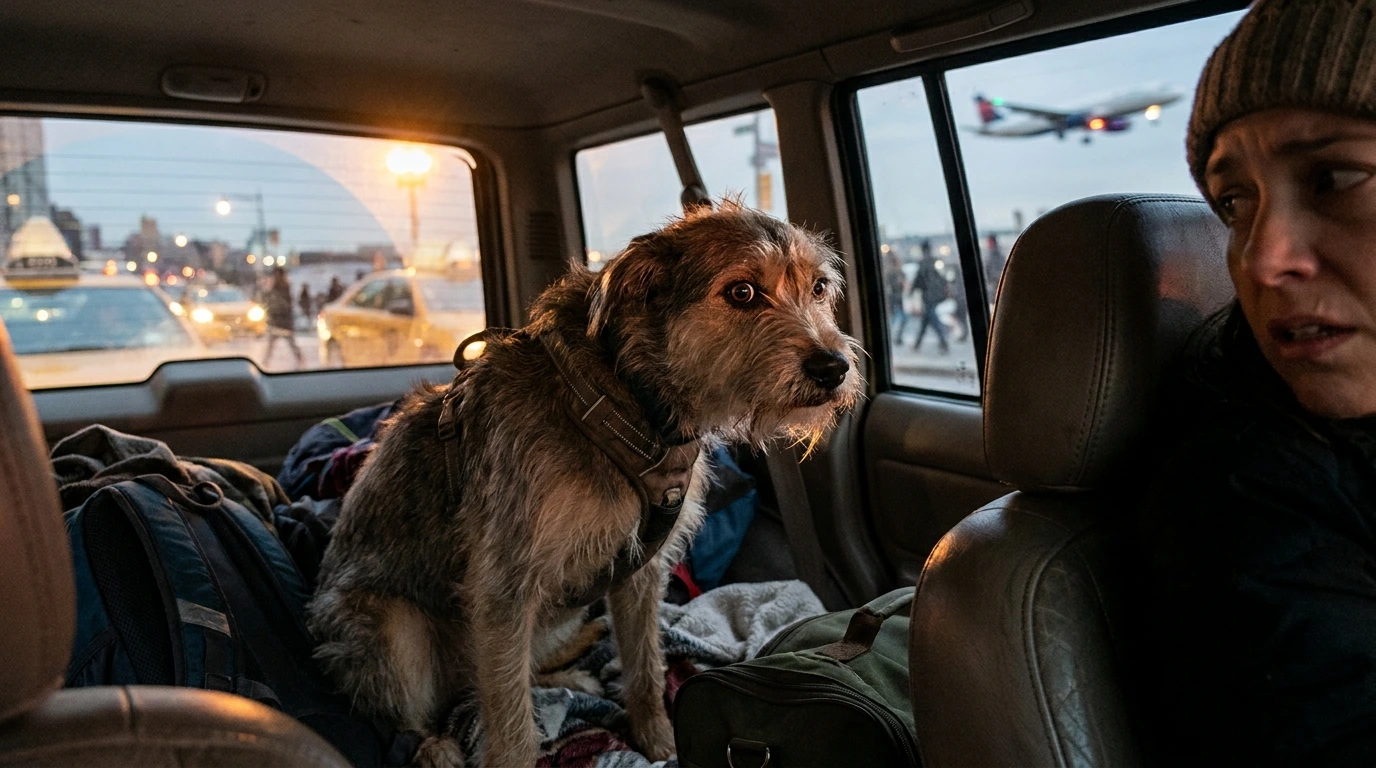
Many pets experience anxiety when faced with new situations. Common triggers include loud sounds (like traffic or airplane engines), confinement in a crate, and the absence of familiar surroundings. Additionally, some pets may react negatively to changes in routine or being away from their owners. Understanding these triggers can help you prepare your pet for a smoother travel experience.
Signs of Anxiety in Pets
Pets express anxiety in various ways. Common signs include excessive barking, whining, pacing, drooling, or even destructive behavior. Recognizing these signs early can help you intervene before anxiety escalates. Pay attention to your pet’s body language and vocalizations during travel, as these can provide valuable insights into their emotional state.
Preparing for Travel
Preparation is key to ensuring a calm travel experience for your pet. This phase involves gradual acclimatization, ensuring proper supplies, and planning routes carefully.
Gradual Acclimatization
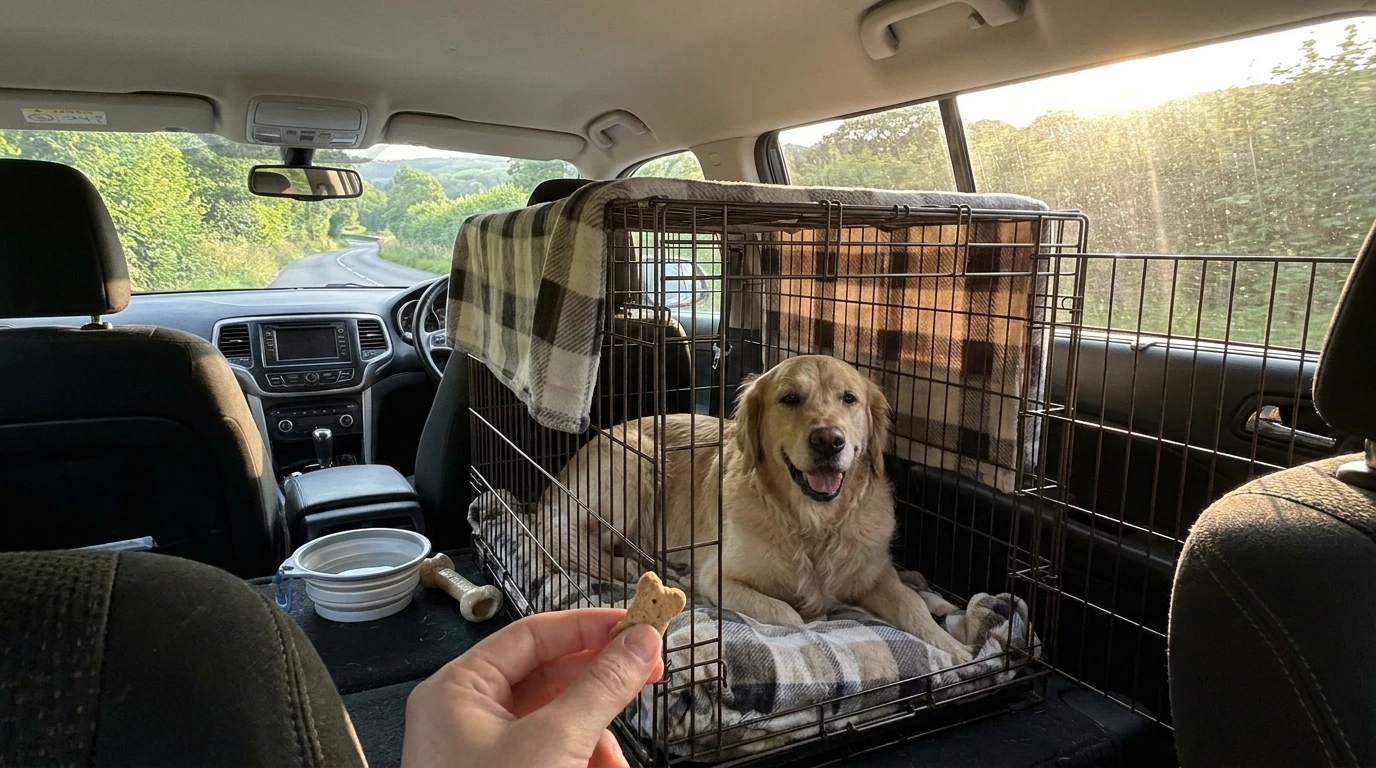
Start by getting your pet used to the travel environment. If you’re traveling by car, take your pet on short drives to help them associate the vehicle with positive experiences. Gradually increase the duration of these trips, rewarding your pet with treats and praise for calm behavior. If flying, consider taking your pet to the airport for brief visits to familiarize them with the surroundings.
Essential Supplies for Travel
Having the right supplies can significantly impact your pet’s comfort during travel. Ensure you have a secure and comfortable crate or carrier that allows your pet to stand, turn around, and lie down. Bring along familiar items such as their favorite blanket or toy, as these can provide comfort. Don’t forget to pack water, food, and a leash for breaks, as well as any necessary medications.
Training Techniques for Calmness
Training your pet to be calm during travel involves using specific techniques that promote relaxation and reduce anxiety. These methods include desensitization, counter-conditioning, and positive reinforcement.
Desensitization Techniques
Desensitization involves gradually exposing your pet to travel-related stimuli at a comfortable distance. For example, if your pet is frightened of car rides, you can start by sitting in the parked car with them while giving treats. Over time, you can gradually introduce the sensation of movement by starting the engine and taking short trips. This process helps your pet build confidence and reduces their fear of travel.
Counter-Conditioning Strategies
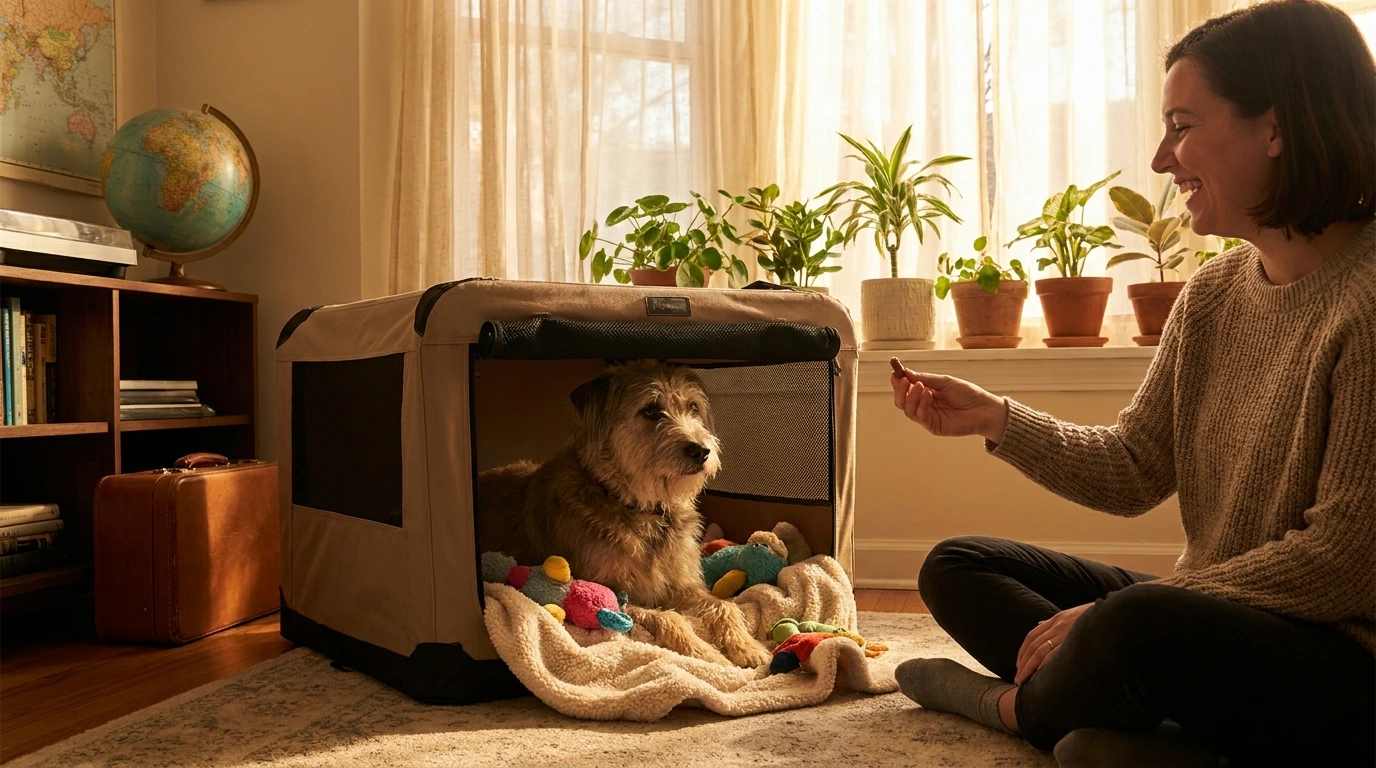
Counter-conditioning works by changing your pet’s emotional response to travel. For instance, if your pet becomes anxious when they see the travel crate, try associating the crate with positive experiences. Feed your pet their meals inside the crate or give them treats when they enter it voluntarily. This positive reinforcement helps them view the crate as a safe and enjoyable space.
During the Journey
Once you have prepared your pet for travel and trained them to be calm, the journey itself can still present challenges. Implementing specific strategies during travel can further ease your pet’s anxiety.
Creating a Comfortable Environment
Ensure that your pet’s travel area is comfortable. If traveling by car, secure the crate to prevent it from moving. Keep the temperature at a comfortable level and avoid feeding your pet a large meal right before departure to prevent motion sickness. For air travel, check the airline’s guidelines to ensure your pet is comfortable and safe in the cargo hold or cabin.
Using Calming Products
Consider using calming products such as pheromone sprays, anxiety wraps, or natural supplements designed to reduce stress in pets. These products can help create a soothing environment and make your pet feel more secure during travel. Always consult your veterinarian before introducing any new products, especially if your pet has health concerns.
FAQs
How long does it take to train my pet to be calm during travel?
The time it takes to train your pet varies based on their temperament and previous experiences. Some pets may adapt quickly within a few trips, while others may require several weeks of consistent training and exposure.
What should I do if my pet becomes anxious during travel?
If your pet shows signs of anxiety during travel, stop and offer comfort. Speak softly to them, and try to distract them with toys or treats. If anxiety persists, consider taking breaks to allow your pet to stretch and relieve stress.
Are there specific breeds more prone to travel anxiety?
While any pet can experience travel anxiety, some breeds are more sensitive than others. For instance, smaller breeds or those with a history of trauma may be more prone to anxiety. Understanding your pet’s breed characteristics can help you prepare accordingly.
Conclusion
Training your pet to remain calm during travel is an achievable goal that enhances both your and your pet’s travel experiences. By understanding your pet’s anxiety triggers, preparing adequately, and employing effective training techniques, you can help your furry friend feel secure and relaxed on the road or in the air. With patience and consistency, your pet can become a calm travel companion, making your adventures together even more enjoyable.