
Training your dog for car rides can transform what may be a stressful experience into an enjoyable one for both you and your pet. A well-trained dog can make travel safer and more pleasant, whether it’s a quick trip to the vet or a long road trip. Understanding how to prepare your dog for car rides is essential for building their confidence and ensuring their comfort in the vehicle.
Understanding Your Dog’s Behavior in the Car
Before training your dog for car rides, it’s essential to understand their behavior. Many dogs may feel anxious or uncomfortable in a moving vehicle due to unfamiliar sounds, smells, and movements. Recognizing these feelings can help you create a positive training environment.
Common Signs of Anxiety
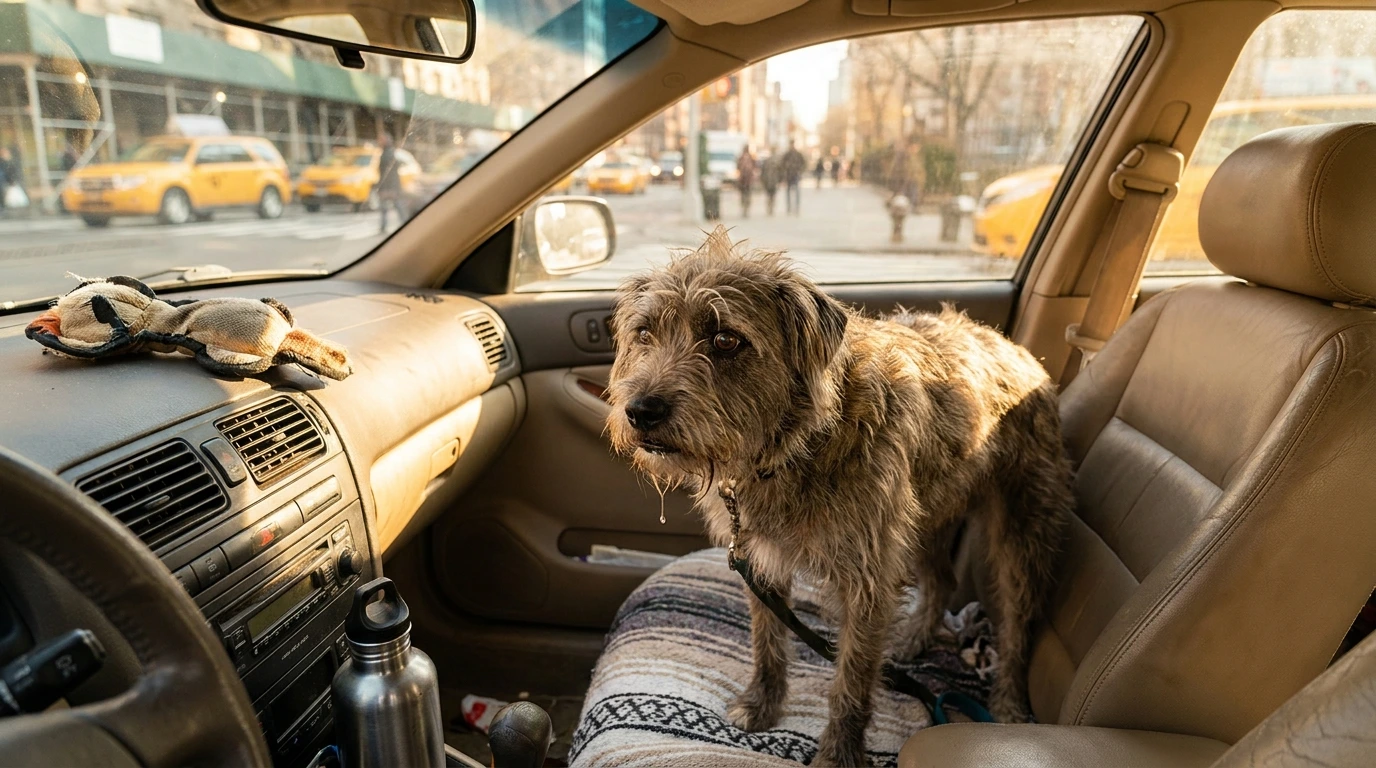
Dogs may exhibit various signs of anxiety during car rides, such as excessive barking, drooling, pacing, or attempts to escape. Knowing these signs allows you to address their concerns effectively. If your dog shows signs of distress, it’s crucial to approach the training process gradually and with patience.
The Importance of Early Exposure
Introducing your dog to car rides at an early age can significantly influence their comfort level later in life. Puppies are generally more adaptable, so getting them accustomed to the car while they are young can create a positive association with travel. Even if your dog is older, you can still train them to feel more at ease in the car.
Preparing Your Dog for Car Rides
Preparation is key to ensuring a smooth car ride. Start with basic training and gradually introduce your dog to the vehicle environment. Here are some effective steps to follow.
1. Create a Positive Association
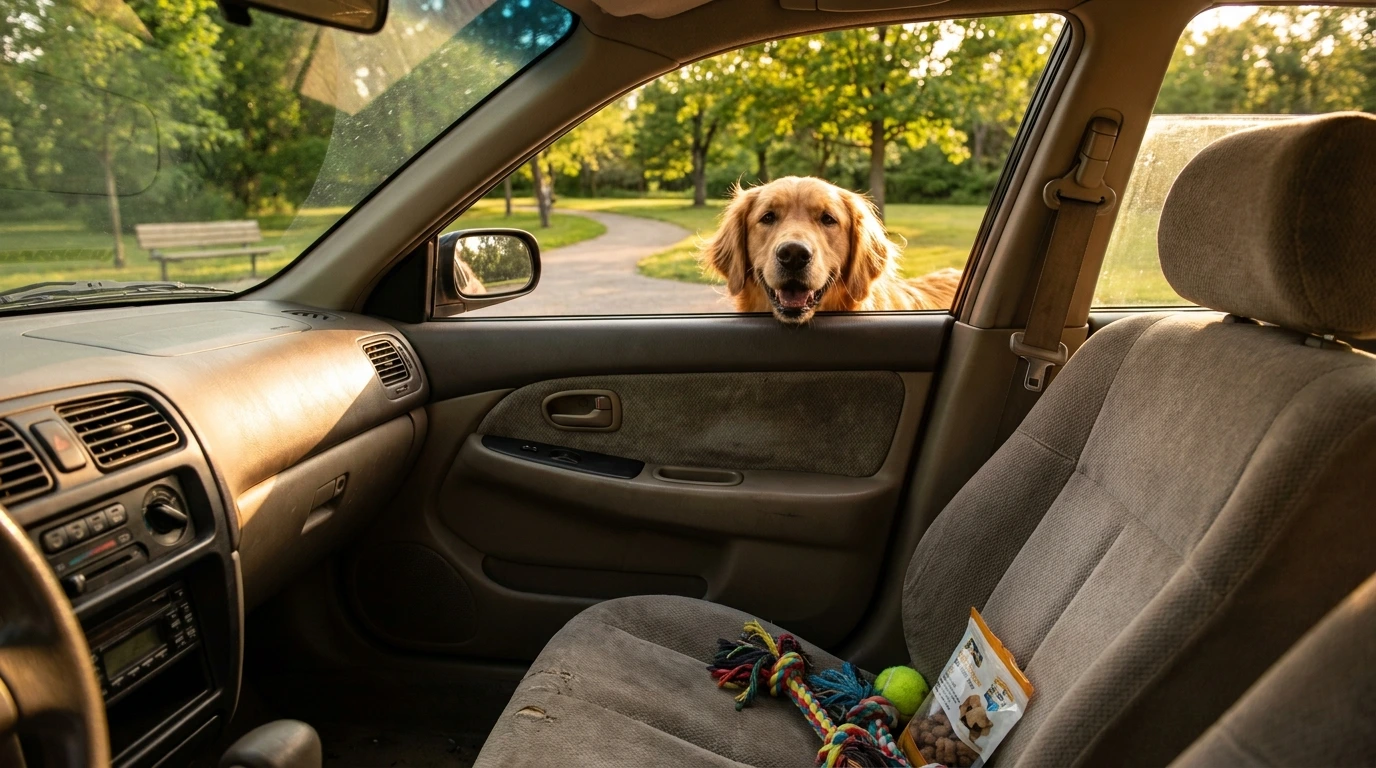
Begin by allowing your dog to explore the car while it is stationary. Open the doors and encourage them to enter the vehicle with treats or their favorite toys. This helps them associate the car with positive experiences. Spend time inside the car with them, playing and rewarding calm behavior.
2. Gradually Increase Duration
Once your dog is comfortable getting into the car, practice sitting inside with the engine off for short periods. Gradually increase the time spent in the car to help them adjust. Once they are comfortable, start the engine while keeping the car stationary, rewarding your dog for being calm during this new experience.
3. Short Test Drives
After your dog is relaxed in the stationary car, take them on short test drives around the block. Keep the rides brief at first, focusing on rewarding your dog for calm behavior. Gradually increase the distance and duration as your dog becomes more comfortable with the experience.
Safety Measures for Car Rides
Safety is paramount when it comes to traveling with your dog. Implementing safety measures can help prevent accidents and ensure the well-being of both you and your pet.
Using a Dog Seatbelt or Crate
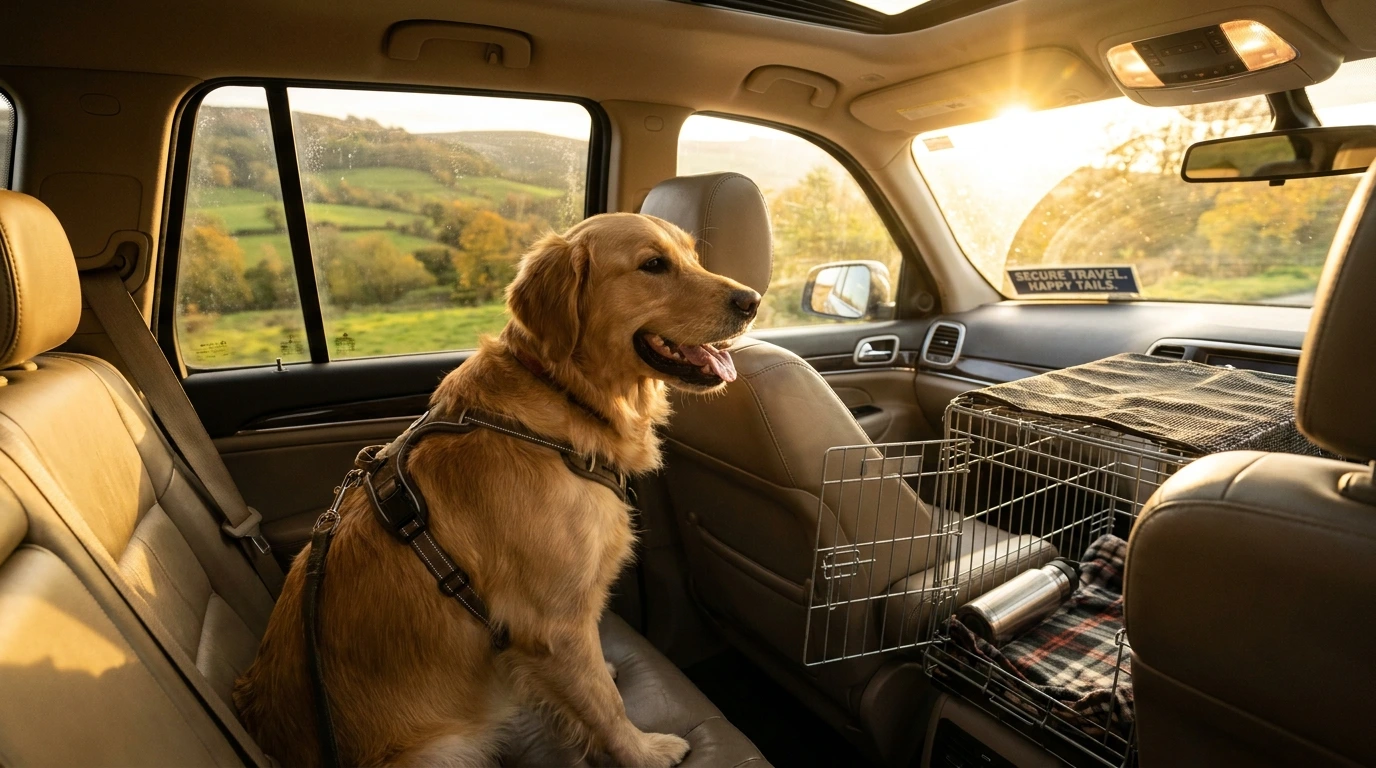
Consider using a dog seatbelt or a secured crate to keep your dog safe and secure during the ride. A seatbelt harness can prevent your dog from moving around the vehicle or distracting you while driving. If using a crate, ensure it is well-ventilated and secured so it doesn’t shift during travel.
Frequent Breaks and Hydration
If you are planning a long journey, schedule regular breaks for bathroom trips and stretching. Ensure your dog has access to fresh water to stay hydrated. This is especially important during warm weather, as dogs can easily overheat in a confined space.
Addressing Motion Sickness
Some dogs may experience motion sickness, leading to discomfort and anxiety during car rides. Here are some strategies to help manage this issue.
Consult Your Veterinarian
If you suspect your dog suffers from motion sickness, consult your veterinarian. They may recommend medication or suggest a gradual desensitization process to help alleviate symptoms. It’s essential to address this issue before embarking on longer trips.
Feeding Schedule Adjustments
Adjusting your dog’s feeding schedule can also help prevent motion sickness. Try to feed your dog a small meal a few hours before the trip rather than immediately before leaving. This can reduce the chances of nausea and discomfort during the ride.
FAQs
How long does it take to train a dog for car rides?
The time it takes to train a dog for car rides varies based on the individual dog. Some dogs may adapt quickly within a few sessions, while others may need several weeks of gradual exposure to feel comfortable.
Can I use calming products for my dog?
Yes, there are several calming products available, such as sprays, collars, or supplements. However, it’s essential to consult your veterinarian before using any calming products to ensure they are appropriate for your dog.
What should I do if my dog continues to show anxiety in the car?
If your dog continues to show signs of anxiety despite training, consult a professional dog trainer or a veterinarian for additional support. They may recommend behavior modification techniques or other strategies tailored to your dog’s needs.
Conclusion
Training your dog for car rides is a valuable investment in their comfort and your peace of mind. By understanding your dog’s behavior, creating positive experiences, and ensuring safety, you can help them enjoy traveling with you. Remember to be patient and consistent in your training efforts, and soon you and your dog will be ready for many enjoyable adventures together.