
Visiting the veterinarian is an essential part of responsible pet ownership, yet many pets experience anxiety and fear at the sight of a carrier or clinic. Training your pet to accept vet visits not only reduces stress for both you and your furry friend but also ensures they receive the necessary care without added trauma. This guide will provide practical strategies to help you create positive associations with veterinary visits, making the experience smoother for everyone involved.
Understanding Your Pet’s Fear of the Vet
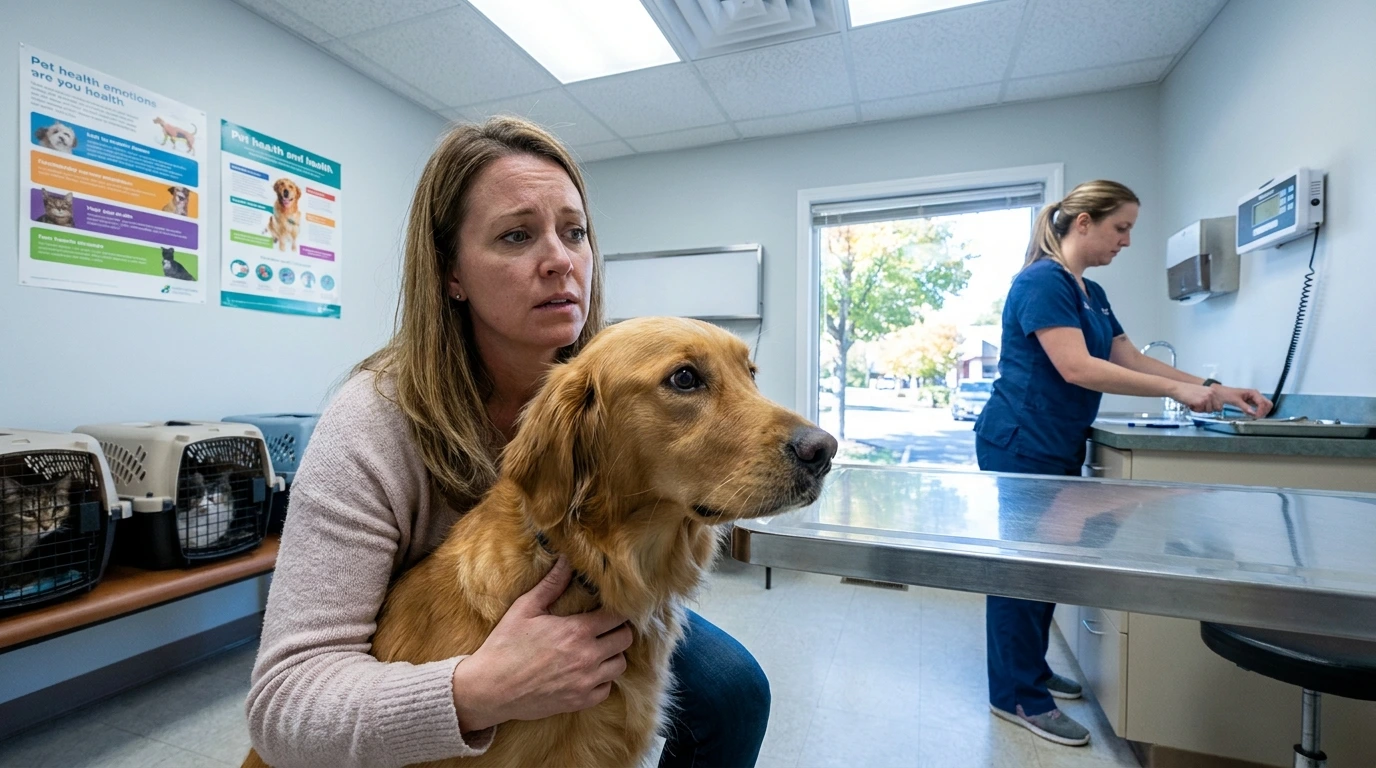
Before you can effectively train your pet to accept vet visits, it’s crucial to understand why they may be fearful. Many pets associate the veterinary clinic with discomfort, such as vaccinations or examinations. Others may feel anxious due to unfamiliar sounds, smells, or the presence of other animals. Recognizing these triggers is the first step in addressing their fear.
Common Triggers of Vet Anxiety
Some common triggers for vet anxiety include the sight of the carrier, the smell of antiseptics, and unfamiliar environments. Additionally, pets may pick up on their owner’s stress, which can exacerbate their anxiety. Identifying these triggers allows you to work on desensitizing your pet to them gradually.
Preparing for the Visit
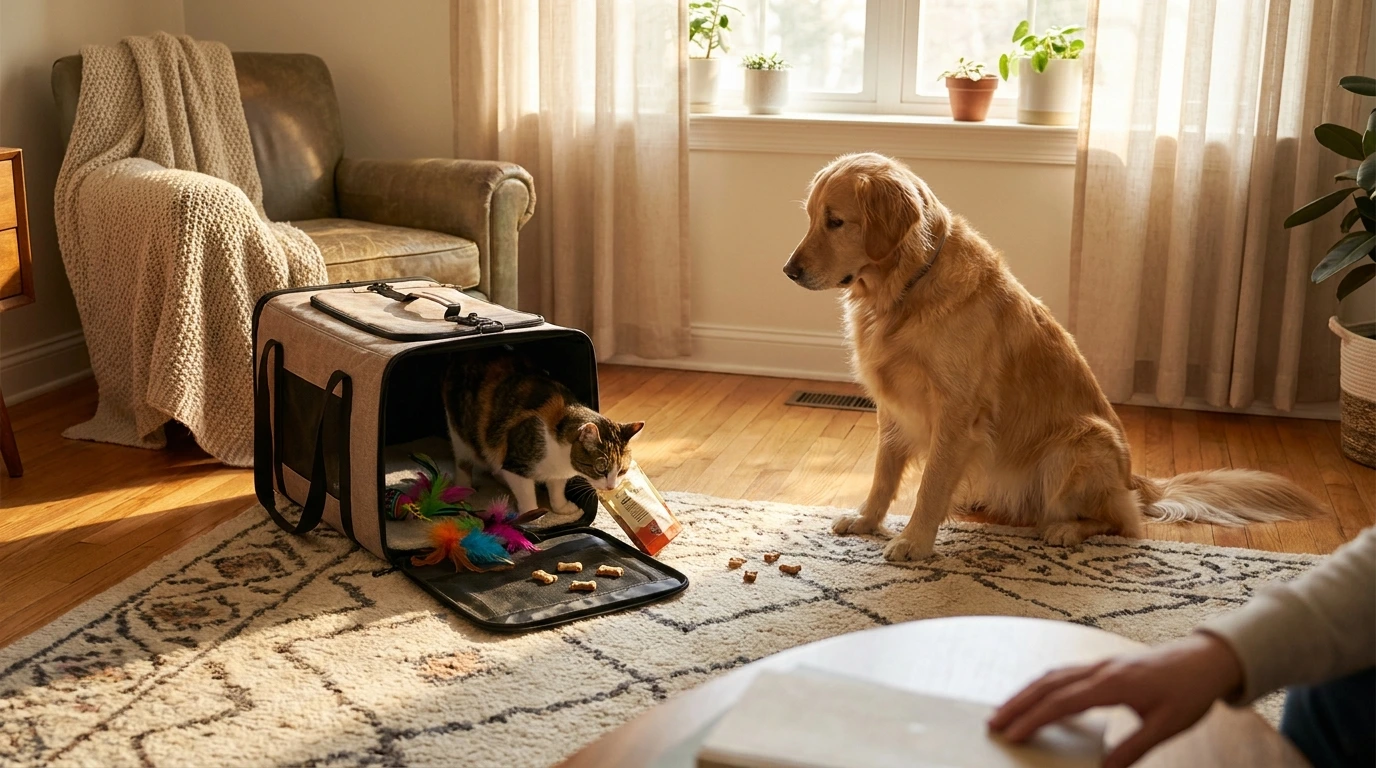
Preparation plays a vital role in making the vet visit a positive experience. Start by acclimating your pet to the carrier well in advance of the appointment. This helps them view it as a safe space rather than a signal of impending stress.
Using Positive Reinforcement
Positive reinforcement is a powerful training tool. Place treats, toys, or bedding inside the carrier to encourage your pet to enter willingly. Each time your pet goes into the carrier, reward them with praise and a treat, reinforcing the idea that the carrier is a good place to be.
Practice Short Trips
Once your pet is comfortable with the carrier, take them on short trips in the vehicle. Start with brief rides around the block, gradually increasing the duration. Reward your pet with treats during and after these trips to build a positive association with car rides, which can also be a source of anxiety for some pets.
Desensitizing to the Veterinary Environment
Visiting the veterinary office without an actual appointment can help desensitize your pet to the environment. This process allows them to explore the clinic and meet staff in a low-pressure situation.
Scheduled Familiarization Visits
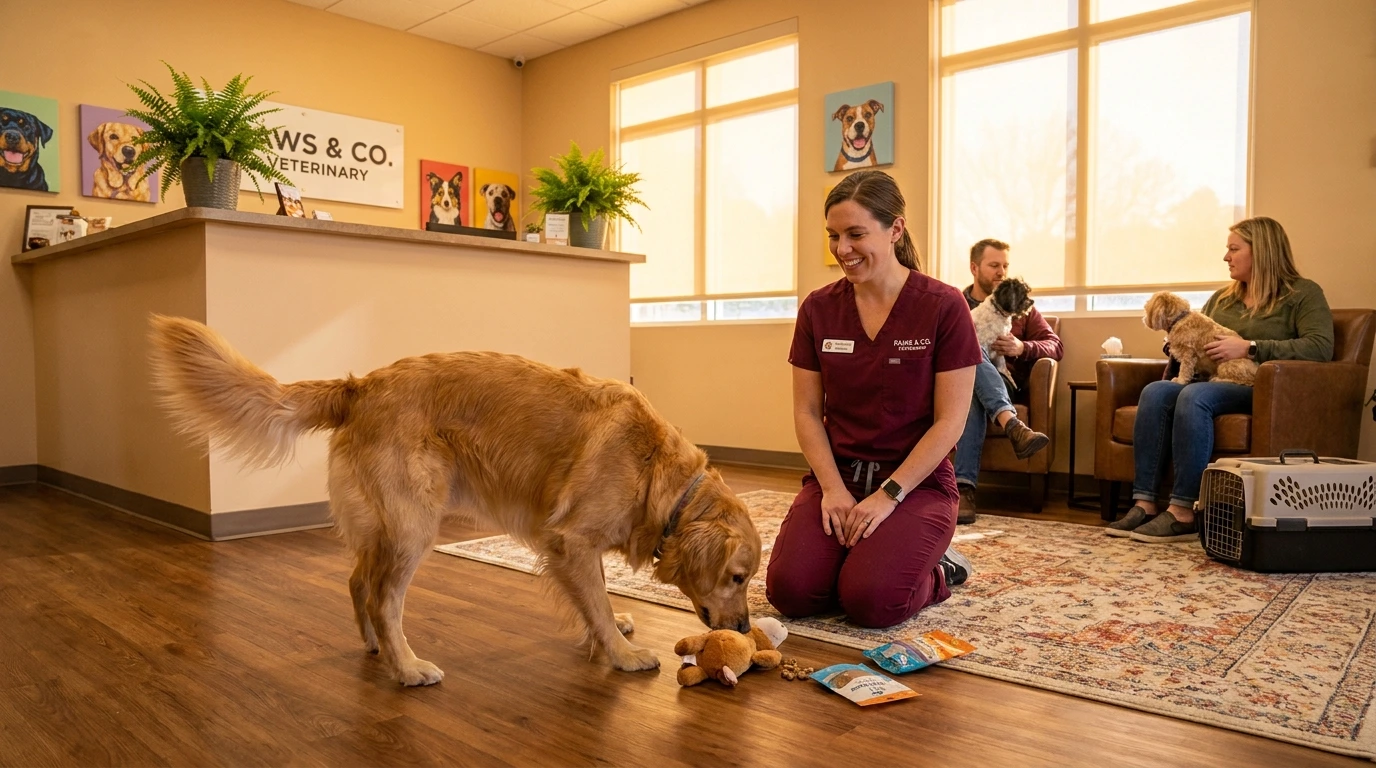
Contact your vet to schedule a familiarization visit. This visit should be short and focused on letting your pet explore the waiting area and meet the staff. Bring treats and toys to make the experience enjoyable. Avoid any procedures during this visit, as the goal is to create a stress-free environment.
Rewarding Calm Behavior
During these visits, observe your pet’s behavior and reward them for remaining calm. If they show signs of anxiety, such as panting or pacing, distract them with treats or toys. Gradually, your pet will learn that the vet’s office is a safe place where they can enjoy positive interactions.
Implementing a Routine
Establishing a routine around vet visits can help alleviate anxiety. Consistency provides comfort and predictability for your pet, making them feel more secure.
Regular Checkups
Schedule regular checkups rather than waiting until your pet is unwell. Frequent visits help normalize the experience and reduce anxiety over time. Use these appointments to reinforce positive behaviors, rewarding them for calmness during the visit.
Incorporating Familiar Items
Bringing familiar items, such as their favorite blanket or toy, can provide comfort to your pet during vet visits. The smell of these items can help them feel more at ease in unfamiliar surroundings.
Recognizing Signs of Stress
It’s essential to be aware of your pet’s stress signals. Common signs of anxiety include excessive panting, whining, trembling, or attempts to hide. Recognizing these signs allows you to intervene and provide reassurance or distractions when necessary.
Calming Techniques
Calming techniques can help your pet manage their anxiety. Consider using pheromone sprays or calming collars designed to reduce stress. Additionally, speaking softly and maintaining a calm demeanor can help convey a sense of security to your pet.
FAQs
How can I tell if my pet is anxious about a vet visit?
Signs of anxiety in pets can include excessive vocalization, hiding, trembling, or attempts to escape. Pay attention to their body language; a tucked tail or flattened ears can indicate fear.
What should I do if my pet refuses to enter the carrier?
If your pet refuses to enter the carrier, do not force them. Instead, try to entice them with treats, toys, or their favorite blanket. Gradually desensitize them to the carrier by allowing them to explore it at their own pace.
Are there any medications for anxious pets during vet visits?
In some cases, veterinarians may prescribe anti-anxiety medications for particularly anxious pets. Consult with your vet to discuss your pet’s specific needs and the best options available.
How often should I take my pet to the vet for checkups?
Most pets should have annual checkups, but younger pets or those with chronic health issues may require more frequent visits. Always consult your veterinarian for a schedule that is appropriate for your pet’s age and health status.
Conclusion
Training your pet to accept vet visits is an ongoing process that requires patience and consistency. By understanding their fears, preparing adequately, and using positive reinforcement, you can help your furry companion develop a more positive association with veterinary visits. Regular exposure, desensitization, and establishing a routine are key components to reducing anxiety, ultimately ensuring your pet receives the necessary care without undue stress. By investing time and effort into this training, you are not only enhancing the vet experience but also contributing to your pet’s overall well-being.