
Introducing children to dog training can create a unique bond between kids and their furry friends while fostering responsibility and teamwork. Involving kids in dog training not only teaches them valuable skills but also enhances their understanding of canine behavior. This article will guide you through effective methods for engaging children in dog training, ensuring a rewarding experience for both the child and the dog.
Benefits of Involving Kids in Dog Training
Engaging children in dog training provides numerous benefits that extend beyond the immediate learning experience. It helps children develop empathy, responsibility, and communication skills while promoting a harmonious relationship between the child and the dog.
Fostering Empathy and Responsibility
When kids participate in dog training, they learn to understand their pet’s needs and emotions. This empathy fosters a sense of responsibility toward the dog’s well-being. Children start to recognize signals from their dog, such as when it is anxious or excited, leading to more compassionate interactions.
Improving Communication Skills
Training a dog requires clear communication, which allows children to practice their verbal and non-verbal skills. Kids learn to give commands in a firm yet gentle manner and observe their dog’s responses. This interaction can improve their overall communication, benefiting their social skills outside of dog training.
Building Confidence
As children successfully train their dogs, they gain confidence in their abilities. Each command learned and trick performed creates a sense of accomplishment. This newfound confidence can translate into other areas of their lives, including school and social situations.
Effective Training Techniques for Kids
To ensure that children can actively participate in dog training, it’s essential to use techniques that are age-appropriate and engaging. Here are some effective methods to incorporate into your training routine.
Positive Reinforcement
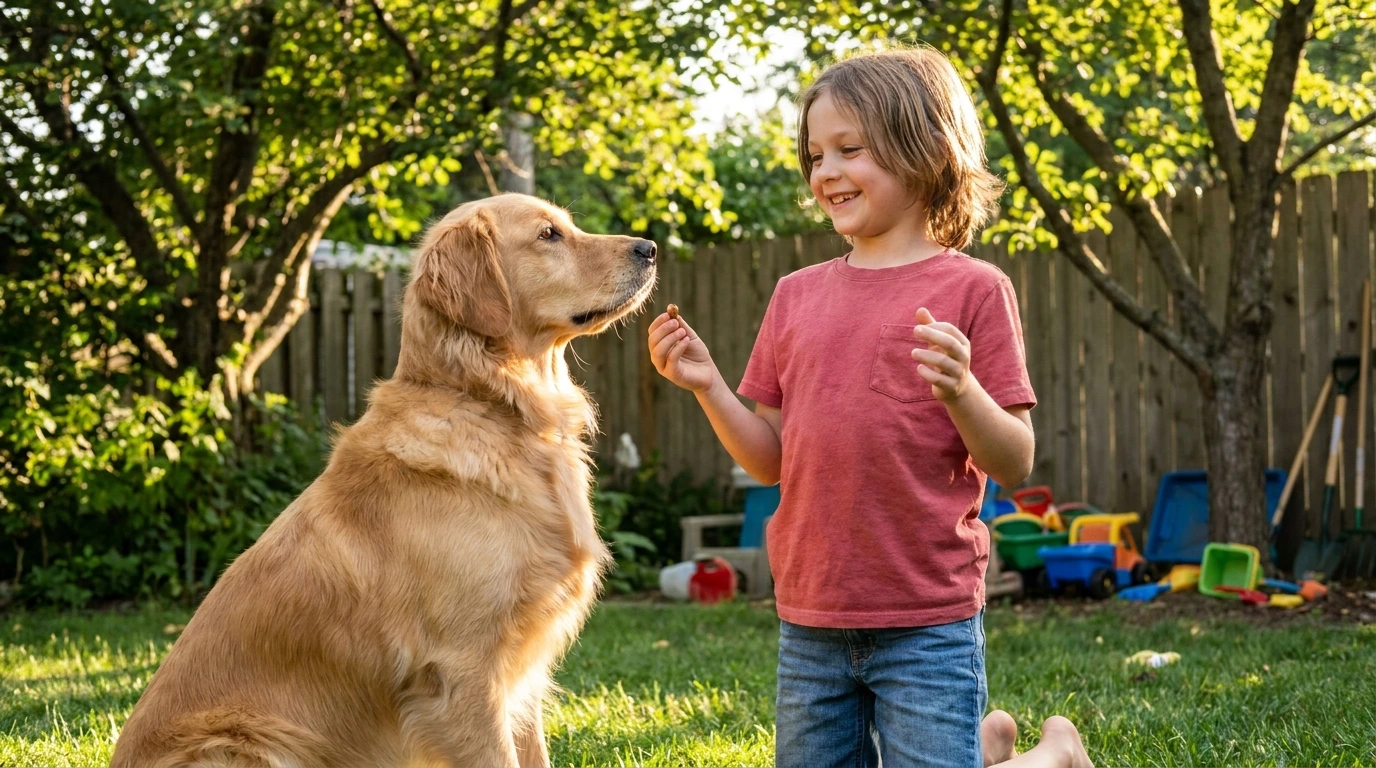
Positive reinforcement is a powerful training tool that encourages desired behaviors through rewards. Teach your child to use treats, praise, or playtime as rewards for the dog when it follows commands. This method not only motivates the dog but also allows children to see the direct impact of their efforts.
Interactive Games
Incorporating games into training sessions can make the process enjoyable for both the child and the dog. Games like “Hide and Seek,” where the child hides and calls the dog, reinforce recall commands while keeping the dog engaged. This playful approach can maintain a child’s interest in training.
Consistency and Patience
Children should learn the importance of consistency and patience in dog training. Teach them to use the same commands and gestures each time to avoid confusing the dog. Remind them that learning takes time, and patience is key to achieving successful training outcomes.
Setting Up a Training Schedule
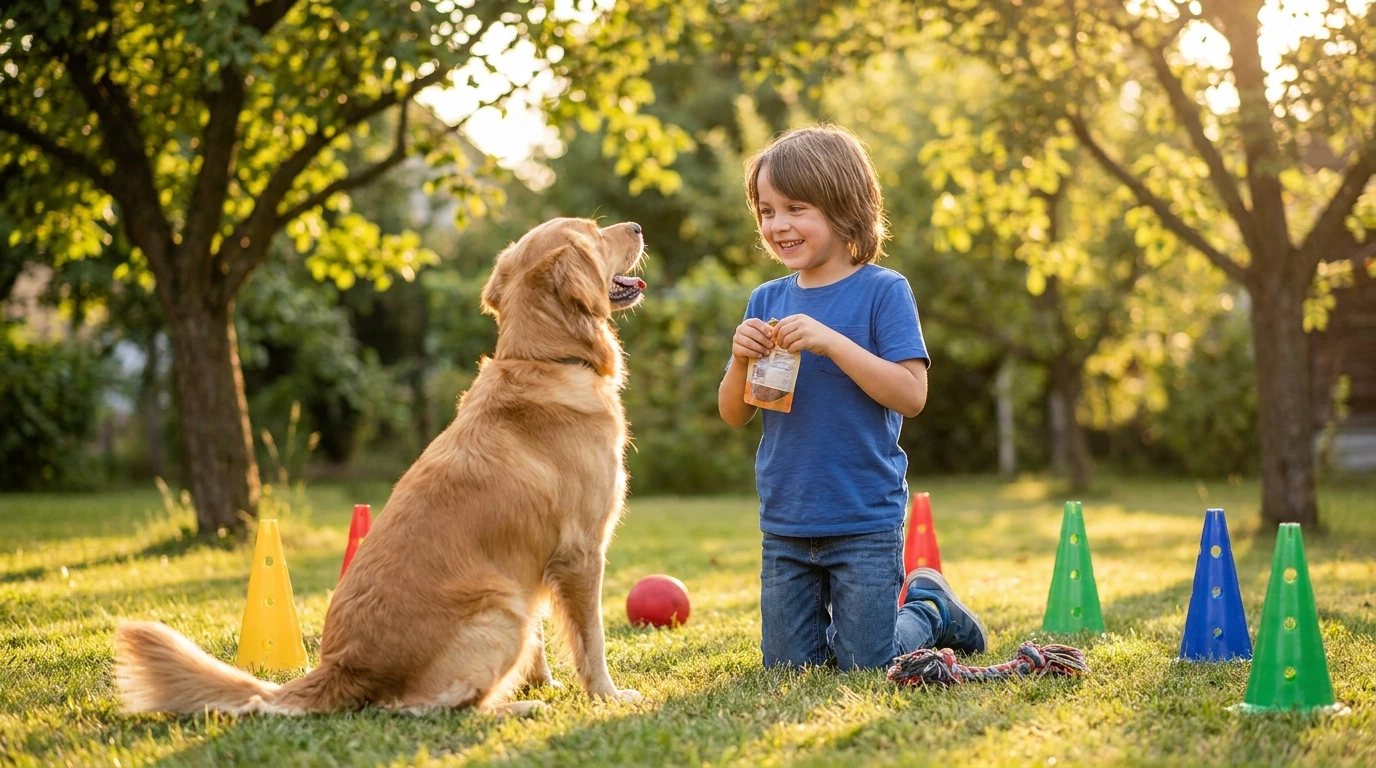
Establishing a regular training schedule helps create a routine for both the child and the dog. Consistency is crucial for effective learning, and having a well-planned schedule can make training a fun and anticipated part of the day.
Short Training Sessions
Children have shorter attention spans than adults, so it’s important to keep training sessions brief. Aim for 5 to 10-minute sessions, allowing the child and dog to engage without losing interest. Frequent short sessions can be more effective than longer, less focused ones.
Incorporating Training into Daily Activities
Integrate training into daily routines to reinforce commands in real-life situations. For example, have the child practice “sit” before mealtime or “stay” while the dog waits for its leash to be put on. This approach promotes learning in a natural context.
Safety Considerations
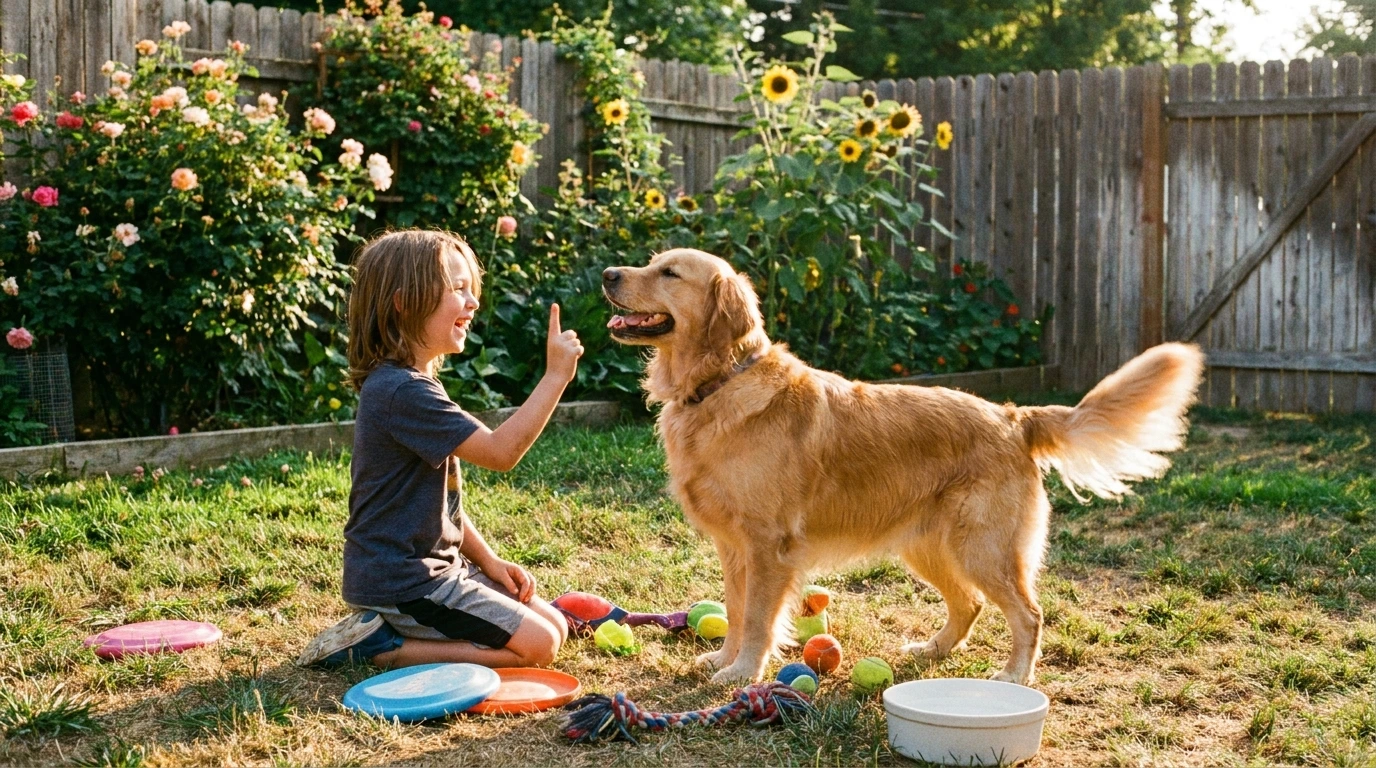
When involving kids in dog training, safety should always be a priority. Teaching kids how to interact safely with dogs is crucial to prevent accidents and ensure a positive experience.
Understanding Dog Body Language
Educating children about dog body language can help them recognize when a dog is comfortable or stressed. Teach them to look for signs such as wagging tails, relaxed ears, or growling. Understanding these signals can prevent misunderstandings and promote safe interactions.
Supervision and Boundaries
Always supervise training sessions, especially with younger children. Set clear boundaries for both the child and the dog to ensure safety. For instance, teach children not to approach a dog while it is eating or sleeping to avoid provoking a defensive reaction.
FAQs
At what age can children start participating in dog training?
Children as young as 5 or 6 can start participating in dog training with adult supervision. Tailor training activities to be age-appropriate, keeping sessions short and engaging.
What breeds are best for children to train?
Breeds known for their friendly and trainable nature, such as Labrador Retrievers, Golden Retrievers, and Beagles, are often great for children. However, it’s essential to consider the individual dog’s temperament and energy level.
How can I make training more appealing for my child?
Involve your child in choosing training activities and rewards. Use games, fun commands, and incorporate their favorite treats to make the training sessions more enjoyable.
Conclusion
Involving kids in dog training offers a unique opportunity for bonding and learning for both the child and the dog. By fostering empathy, responsibility, and communication skills, children develop valuable life lessons while enjoying time with their pets. Implementing effective training techniques and prioritizing safety ensures a positive experience. With patience and consistency, this shared journey can lead to a well-trained dog and a responsible, caring child.